
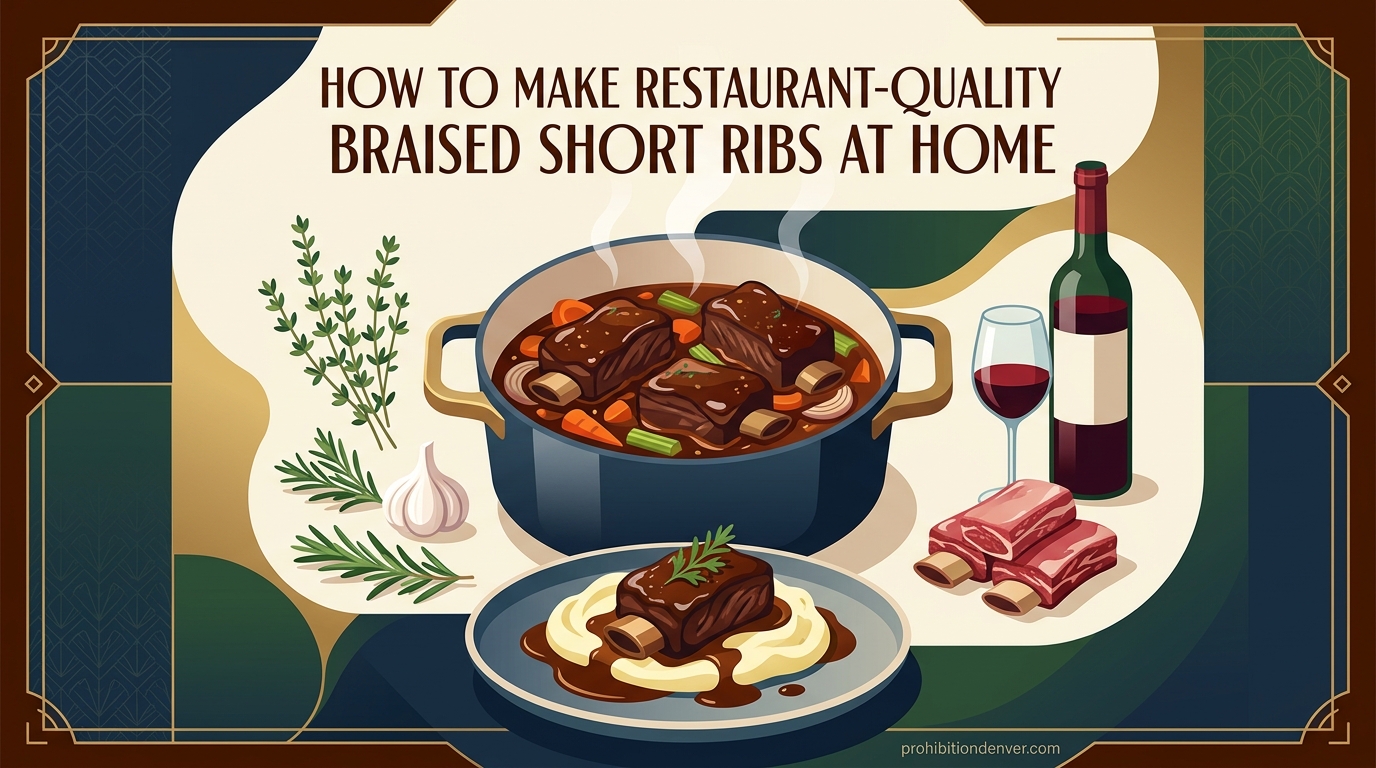
There is a reason braised short ribs appear on nearly every fine dining menu across America. When done right, the meat becomes so tender it practically melts off the bone, surrounded by a rich, velvety sauce that makes you want to lick your plate clean. The good news is you do not need a culinary degree or professional kitchen to achieve these results at home.
Our team spent months testing different techniques, talking to professional chefs, and making dozens of batches to perfect a method that delivers restaurant-quality braised short ribs every single time. The secret lies in understanding a few key techniques that most home cooks overlook.
In this guide, you will learn exactly how to make braised short ribs that rival your favorite steakhouse. We will cover everything from selecting the right cut to the professional secrets that transform good short ribs into unforgettable ones.
Table of Contents
What Makes Braised Short Ribs So Special
Braising is a cooking method that transforms tough cuts of meat into fork-tender perfection. The process combines two distinct cooking techniques: high-heat searing followed by low-and-slow cooking in liquid.
Short ribs come from the lower portion of the rib cage, specifically the chuck, brisket, and rib areas. This region does a lot of work, which means the meat contains abundant connective tissue and collagen. While these elements make the meat tough when cooked quickly, they break down beautifully during slow cooking.
When collagen melts during braising, it converts to gelatin. This process creates that luxurious mouthfeel and allows the meat to fall off the bone with gentle pressure from a fork. The Maillard reaction occurs during the initial sear, developing hundreds of new flavor compounds that make the final dish complex and deeply satisfying.
Bone-In vs Boneless Short Ribs
Both options work beautifully for braising, though they offer slightly different experiences. Bone-in short ribs, also called English cut, feature single bones with meat attached. The bone adds flavor to the braising liquid and helps insulate the meat during cooking, often producing more tender results.
Boneless short ribs, typically cut from the chuck section, cook more evenly and are easier to portion. They also yield more meat per pound since you are not paying for bone weight. Our testing showed that both versions become equally tender when cooked properly, so choose based on your preference and what looks best at the market.
Selecting the Right Short Ribs
Quality ingredients make all the difference in braised short ribs. When shopping, look for pieces with abundant marbling throughout the meat. Those white streaks of fat will render during cooking, keeping the meat moist and adding flavor to your sauce.
Aim for pieces that are roughly equal in size, about 2 to 3 inches thick. This ensures they cook at the same rate. Plan on about one pound of bone-in short ribs or three-quarters of a pound of boneless per person. The meat shrinks during cooking, and the rich sauce means people tend to eat more than they expect.
The Pre-Salting Secret
Here is a technique I learned from a culinary school graduate that changed everything. Salt your short ribs 24 to 48 hours before cooking. This is not merely about seasoning. Early salting allows the salt to penetrate deeply into the meat, seasoning it throughout rather than just on the surface.
The salt also helps retain moisture during the long cooking process. After salting, place the meat on a wire rack set over a baking sheet and refrigerate uncovered. This dry surface helps achieve a better sear later.
Ingredients You Will Need
Gathering quality ingredients before you start makes the cooking process smooth and enjoyable. Here is everything you will need for restaurant-quality braised short ribs:
For the Short Ribs
- 4 to 5 pounds bone-in beef short ribs (about 8 to 10 pieces)
- Kosher salt and freshly ground black pepper
For the Braising Liquid
- 2 tablespoons neutral oil (canola, vegetable, or grapeseed)
- 2 large onions, diced
- 4 carrots, peeled and cut into chunks
- 4 celery stalks, cut into chunks
- 6 garlic cloves, smashed
- 2 tablespoons tomato paste
- 2 cups dry red wine (Cabernet, Merlot, or Cotes du Rhone work beautifully)
- 3 cups beef broth (low sodium)
- 2 tablespoons Worcestershire sauce
- 1 tablespoon fish sauce (the secret umami weapon)
- 4 sprigs fresh thyme
- 2 sprigs fresh rosemary
- 2 bay leaves
About That Fish Sauce
Do not skip the fish sauce. I know it sounds odd, but one tablespoon adds incredible depth without making the dish taste fishy at all. It is a professional chef secret that boosts the savory umami factor significantly. Your guests will wonder why your short ribs taste better than theirs, and this is often the reason.
How to Make Restaurant-Quality Braised Short Ribs at Home
Follow these steps carefully, and you will achieve short ribs that rival any fine dining restaurant. Take your time with each step, especially the searing.
Step 1: Prepare the Meat
Remove the short ribs from the refrigerator 30 to 45 minutes before cooking. Room temperature meat sears more evenly. Pat the pieces completely dry with paper towels. Moisture is the enemy of browning.
Season generously with salt and pepper on all sides. If you pre-salted, just add pepper now. Preheat your oven to 325°F.
Step 2: Sear in Batches (The Most Important Step)
Heat 2 tablespoons of oil in a large Dutch oven or heavy-bottomed oven-safe pot over medium-high heat. The pot should be large enough to hold all the ribs in a single layer with room around them.
Working in batches of 3 to 4 pieces at a time, sear the short ribs on all sides until deeply browned. This takes about 3 to 4 minutes per side. Do not rush this step, and do not crowd the pan. Crowding causes the meat to steam rather than sear, and you lose that crucial browning.
Transfer browned ribs to a plate and continue with remaining batches. Add more oil if needed between batches.
Step 3: Build Your Flavor Base
Reduce the heat to medium. Add the onions, carrots, and celery to the pot. Cook for 8 to 10 minutes, stirring occasionally, until the vegetables soften and begin to brown.
Add the garlic and cook for 1 minute until fragrant. Stir in the tomato paste and cook for 2 to 3 minutes until it darkens slightly. This caramelization adds depth to your final sauce.
Step 4: Deglaze the Pan
Pour in the red wine, scraping the bottom of the pot with a wooden spoon to release all those browned bits. These fond deposits contain incredible flavor. Bring the wine to a boil and let it reduce by half, about 5 to 7 minutes.
Add the beef broth, Worcestershire sauce, fish sauce, thyme, rosemary, and bay leaves. Stir to combine.
Step 5: Braise Low and Slow
Return the seared short ribs to the pot, nestling them into the liquid. The liquid should come about halfway up the sides of the meat. Add more broth if needed.
Bring the liquid to a gentle simmer on the stovetop. Cover the pot and transfer to the preheated oven. Braise for 2.5 to 3 hours until the meat is fork-tender.
Step 6: Check for Doneness
After 2.5 hours, test the meat by inserting a fork. It should slide in with little resistance. If not, continue braising and check every 15 minutes. The meat should hold together but be tender enough to pull apart easily.
Step 7: Reduce the Sauce
Remove the pot from the oven. Transfer the short ribs to a plate and tent loosely with foil to keep warm. Strain the braising liquid through a fine-mesh sieve into a large measuring cup or bowl, pressing on the solids to extract all the liquid. Discard the solids.
Let the liquid sit for 5 minutes, then skim off the fat that rises to the surface. You can also use a fat separator for this task.
Pour the defatted liquid into a saucepan and bring to a boil over medium-high heat. Reduce by one-third to one-half until it coats the back of a spoon. This concentration creates a luxurious sauce.
Step 8: Serve and Enjoy
Return the short ribs to the reduced sauce to reheat briefly. Serve immediately, spooning the glossy sauce over the meat. Garnish with fresh chopped parsley if desired.
Professional Chef Techniques for Next-Level Results
After testing countless methods and consulting with professional chefs, these advanced techniques consistently produce superior results.
The Cartouche Method
Instead of covering your pot with a tight lid, try using a cartouche. This is a piece of parchment paper cut to fit inside the pot, resting directly on the surface of the liquid. Cut a small vent hole in the center.
The cartouche allows some evaporation, which concentrates the sauce naturally during cooking. It also prevents the top of the ribs from becoming soggy. This is the technique many restaurants use to achieve that perfectly glazed exterior.
The Overnight Rest
Here is a secret from restaurant kitchens: braised short ribs are often better the next day. After cooking, let the ribs cool completely in their braising liquid, then refrigerate overnight.
This rest period allows the flavors to meld and intensify. The fat solidifies on top, making it easy to remove completely. When you reheat the dish gently the next day, the meat becomes even more tender and the sauce more cohesive.
Wine Substitutions That Work
If you prefer not to use wine, you have options. Replace the wine with equal parts beef broth and add 2 tablespoons of balsamic vinegar or red wine vinegar for acidity. You can also use Guinness or another stout beer for a rich, malty variation.
For a completely non-alcoholic version, use additional beef broth plus 1 tablespoon of red wine vinegar and 1 tablespoon of Worcestershire sauce.
Serving Suggestions
Braised short ribs deserve accompaniments that complement their richness without competing. The best sides provide a canvas for that luxurious sauce.
Creamy polenta is my personal favorite. The soft, mild corn flavor balances the intense beefiness perfectly. Mashed potatoes work beautifully too, as does buttery egg noodles or risotto.
For vegetables, keep it simple. Roasted root vegetables, sauteed greens like spinach or kale, or glazed carrots let the short ribs remain the star. A simple arugula salad with lemon vinaigrette adds brightness and cuts through the richness.
Wine Pairing
Since you opened a bottle for cooking, pour yourself a glass with dinner. The same wine you used in the dish works wonderfully for drinking. Cabernet Sauvignon, Syrah, or Cotes du Rhone blend complement the deep flavors of the braised meat.
Common Mistakes to Avoid
Even experienced home cooks make these errors. Learn from others and avoid these pitfalls.
Skipping the Sear
Do not skip or rush the browning step. The Maillard reaction creates hundreds of flavor compounds that make the difference between good and great short ribs. Give each batch the time it needs to develop deep color.
Crowding the Pot
When you crowd meat into a pan, it steams instead of sears. The meat releases moisture, and you end up with gray, boiled-tasting results. Work in batches, even if it takes longer. The flavor payoff is worth it.
Using Too Much Liquid
Braising does not mean submerging the meat completely. The liquid should come halfway up the ribs. Too much liquid dilutes the sauce and prevents proper concentration of flavors.
Cooking Too Hot
Resist the urge to increase the oven temperature to speed things up. Low and slow is the name of the game. Higher temperatures cause the meat to tighten and the liquid to evaporate too quickly.
Not Reducing the Sauce
The braising liquid after cooking is flavorful but thin. Taking the time to reduce it creates that restaurant-quality glossy sauce that coats the meat beautifully. Do not skip this step.
Make-Ahead and Storage Tips
One of the best things about braised short ribs is that they are perfect for entertaining. The dish actually improves with time, making it ideal for dinner parties.
Refrigeration
Store cooked short ribs in their braising liquid in an airtight container for up to 4 days. The liquid keeps the meat moist and tender.
Freezing
Braised short ribs freeze beautifully for up to 3 months. Store in a freezer-safe container with enough sauce to cover the meat completely. Thaw overnight in the refrigerator before reheating.
Reheating
Place the short ribs and sauce in a covered pot over medium-low heat. Add a splash of broth or water if the sauce seems too thick. Heat gently until warmed through, about 15 to 20 minutes. Avoid high heat, which can dry out the meat.
Frequently Asked Questions
What is the best way to braise short ribs?
The best way to braise short ribs involves three key steps: first, sear the meat in batches until deeply browned on all sides. Second, saute aromatics and deglaze with wine to build flavor. Third, braise at 300 to 325°F for 2.5 to 3 hours until fork-tender, then reduce the sauce for a glossy finish.
What are common mistakes when cooking short ribs?
The most common mistakes include crowding the pot during searing (which causes steaming instead of browning), using too much braising liquid, cooking at too high a temperature, not reducing the sauce at the end, and skipping the rest period that allows flavors to develop.
Is it possible to overcook braised short ribs?
While braised short ribs are forgiving, you can overcook them. If cooked too long at too low a temperature, the meat can become mushy and lose its texture. However, this is difficult to do within the standard 2.5 to 3 hour window at 325°F. The bigger risk is cooking at too high a temperature, which causes the meat to become tough.
What makes braised short ribs so tender?
The tenderness comes from collagen breaking down into gelatin during low, slow cooking. Short ribs contain abundant connective tissue that requires long cooking times to break down. As the collagen converts to gelatin, it creates that luxurious mouthfeel and allows the meat to fall off the bone.
Can I make these with short ribs on the bone?
Yes, bone-in short ribs are actually preferred by many cooks. The bone adds flavor to the braising liquid and helps insulate the meat during cooking. Plan for about one pound of bone-in ribs per person, accounting for the weight of the bones.
What can I substitute for red wine in braised short ribs?
Replace red wine with equal parts beef broth plus 2 tablespoons of balsamic vinegar or red wine vinegar. You can also use dark beer like Guinness for a malty flavor. For a non-alcoholic option, use beef broth with 1 tablespoon red wine vinegar and 1 tablespoon Worcestershire sauce.
Conclusion: Your Restaurant-Quality Braised Short Ribs Await
Mastering braised short ribs at home comes down to patience and technique. The process is not complicated, but it requires attention to detail. Proper searing, low-temperature braising, and sauce reduction transform tough beef into an unforgettable meal.
The techniques in this guide, from pre-salting to the cartouche method, represent years of professional cooking knowledge adapted for home kitchens. Apply them, and your short ribs will rival anything from a restaurant menu.
Remember that braised short ribs are forgiving. Even if your first attempt is not perfect, the dish will still be delicious. Each time you make them, you will refine your technique. Soon enough, you will have a signature dish that impresses guests and satisfies your craving for restaurant-quality comfort food.
Now gather your ingredients, preheat that oven, and prepare for one of the most satisfying cooking experiences in the home kitchen. Your restaurant-quality braised short ribs await.