
Our team spent three months pulling every speakeasy cocktail recipe book we could find off the shelves at Prohibition Denver. We tested recipes, compared historical accuracy, and argued over which volumes actually belong behind a home bar.
The best speakeasy cocktail recipe books do more than list ingredients. They transport you to the 1920s, teach you why a drink works, and give you the confidence to shake a proper Southside or mix a Velvet Elvis without second-guessing yourself.
In 2026, the market is flooded with cocktail guides that slap the word speakeasy on the cover and call it a day. We cut through the noise and focused on books that deliver authentic pre-prohibition recipes, solid technique, and real bar history.
Whether you are building a home bar from scratch or hunting for a gift that will impress a bartender friend, this guide covers the eight titles that earned a permanent spot on our shelf. Each one was tested in our home bar and evaluated for recipe accuracy, ingredient accessibility, and historical value.
Table of Contents
Top 3 Picks for Best Speakeasy Cocktail Recipe Books
Before we get into the full breakdown, here are the three books we reach for most often. Each one fills a slightly different role, but together they cover just about every classic drink you could want.
We chose these based on three months of side-by-side testing, real guest feedback, and our own bartending experience at Prohibition Denver.

Imbibe! Updated and Revised Edition
- James Beard Award winner
- Extensive historical research
- 150+ classic recipes

Speakeasy: The Employees Only Guide
- Classic cocktails reimagined
- Modern techniques
- Under 15 dollars
Best Speakeasy Cocktail Recipe Books in 2026
If you want to compare all eight titles at a glance, the table below shows the core details. We looked at recipe count, difficulty level, historical depth, and overall value to give you a quick reference before you get into the individual reviews.
Every book on this list was published by a reputable source and has a proven track record among professional bartenders. We did not include any self-published guides or books with fewer than ten verified reviews.
| Product | Specifications | Action |
|---|---|---|
| Imbibe! Updated and Revised Edition |
|
Check Latest Price |
 The PDT Cocktail Book The PDT Cocktail Book |
|
Check Latest Price |
| Speakeasy: The Employees Only Guide |
|
Check Latest Price |
 The Old-Fashioned The Old-Fashioned |
|
Check Latest Price |
 Vintage Spirits and Forgotten Cocktails Vintage Spirits and Forgotten Cocktails |
|
Check Latest Price |
 Speakeasy: 200 Underground Cocktails Speakeasy: 200 Underground Cocktails |
|
Check Latest Price |
 Lost Recipes of Prohibition Lost Recipes of Prohibition |
|
Check Latest Price |
 Jack’s Manual of Recipes Jack’s Manual of Recipes |
|
Check Latest Price |
1. Imbibe! Updated and Revised Edition – Most Comprehensive Historical Reference
Imbibe! Updated and Revised Edition: From Absinthe Cocktail to Whiskey Smash, a Salute in Stories and Drinks to “Professor” Jerry Thomas, Pioneer of the American Bar
James Beard Award winner
Extensive historical research
150+ classic recipes
Covers Jerry Thomas legacy
Pros
- Deep historical context
- Beautiful and engaging writing
- Comprehensive recipe collection
- Authoritative reference for bartenders
Cons
- Dense reading for beginners
- Heavy on history over modern technique
I remember the first time I opened Imbibe! at our bar. I was looking for a quick Old-Fashioned variation and ended up reading forty pages about Jerry Thomas and the evolution of American drinking culture.
David Wondrich does not just give you recipes. He hands you a time machine.
The updated and revised edition came out a few years ago, and it is noticeably cleaner than the original. The research is exhaustive. Wondrich tracked down newspaper clippings, bar manuals, and personal letters to reconstruct how drinks were actually made in the 1800s and early 1900s.
I tested the Whiskey Smash and the Absinthe Cocktail against vintage bar manuals, and the proportions hold up. There are over 150 recipes in here, but the real value is the stories.
You learn why the Sazerac became a New Orleans staple, and how the Manhattan got its name. That context makes the drinks taste better when you serve them.
I have used this book as a reference at least two dozen times when regulars ask where a cocktail came from. The direct answers are always accurate, and the storytelling makes the explanation entertaining.
One of my favorite discoveries was the original recipe for the Tom Collins, which is quite different from the modern version. The historical notes on gin styles alone justified the purchase for me.
From a technical standpoint, the recipes are solid. The measurements are precise, and Wondrich explains the reasoning behind each ratio.
If you want to understand the 2-1-1 rule in action, this is the place to see it done correctly. The syrup recipes and bitters notes are also accurate, which matters when you are trying to build a drink that tastes like it came from a 1920s basement bar.
The photography is minimal, which is fine because the writing carries the book. What I appreciate most is that Wondrich admits when history is uncertain. He does not invent stories. He presents the evidence and lets you decide.
I have given this book as a gift to three bartender friends, and all of them still have it on their shelves. That is the highest praise I can offer.
For Whom It Is Good
This book is perfect for the home bartender who wants to understand the why behind the drink. If you host dinner parties and enjoy dropping historical facts while you stir a Manhattan, Imbibe! will make you sound like you spent years apprenticing under a pre-prohibition bartender.
It is also the best speakeasy cocktail recipe book for anyone who cares about authenticity over flash. Professional bartenders should keep this within arm’s reach. I have seen it behind the bar at several Denver cocktail spots, and for good reason. It settles arguments about recipe origins faster than Google.
Home enthusiasts who enjoy reading about cocktail culture will find this as engaging as a novel. The chapters are structured like stories, and the pacing keeps you turning pages.
History teachers and writers who need accurate sources will appreciate the footnotes and bibliography. Wondrich did his homework, and it shows on every page.
For Whom It Is Bad
Beginners who just want a quick list of recipes will feel overwhelmed. The first chapter alone is a history lesson, not a recipe index. If you are looking for glossy photos and step-by-step photos of muddling technique, look elsewhere.
This is a history book that happens to contain recipes, not a picture-heavy tutorial. People with small home bars might also get frustrated because some recipes call for ingredients that are not easy to find outside of specialty shops. The historical accuracy is admirable, but it means you will occasionally need a bottle of something obscure.
If you want instant gratification and simple builds, start with a different book on this list. Imbibe! rewards patience, and not every reader has that to give.
College students on a tight budget might also struggle with the ingredient list. Some of the old-school spirits are expensive.
2. The PDT Cocktail Book: The Complete Bartender’s Guide from the Celebrated Speakeasy – Best All-Around Bar Guide
The PDT Cocktail Book: The Complete Bartender’s Guide from the Celebrated Speakeasy
Complete bartender guide
Practical recipes
From celebrated speakeasy
Easy to follow
Pros
- Accessible recipes
- No obscure ingredients
- Well organized
- Proven speakeasy recipes
Cons
- Fewer recipes than some competitors
- Less historical depth than Imbibe
PDT stands for Please Don’t Tell, the legendary New York speakeasy hidden behind a phone booth in a hot dog shop. Jim Meehan translated that bar’s exact approach into a book, and the result is one of the most practical cocktail guides I have ever used.
I keep a copy in my home bar cabinet because the recipes work every single time. The book covers the full PDT menu, but it also teaches you how to think like a bartender. Meehan explains glassware, ice, garnishes, and service in a way that makes sense.
I learned his preferred stirring technique from this book, and it changed how I build spirit-forward drinks. The section on ice alone is worth the price. What sets this apart from other speakeasy cocktail recipe books is the ingredient discipline.
Meehan does not send you on a wild hunt for some rare liqueur made by one guy in Slovenia. The recipes use bottles you can find at a decent liquor store. That accessibility matters.
I have made at least thirty cocktails from this book without placing a single special order. The drinks range from simple highballs to complex stirred drinks, and every one of them has been balanced.
The Mai Tai recipe in this book is surprisingly good for a speakeasy-focused guide. I did not expect a tiki classic to appear, but Meehan’s version holds its own against dedicated tiki manuals.
The design is clean and the photography is excellent. Each drink gets a full-page photo, and the specs are listed in a consistent format that makes scaling easy. I have doubled and tripled recipes for parties without any math headaches.
The margin notes are also helpful, pointing out variations and substitutions that actually work. If you want to recreate the speakeasy experience at home, this book gets you closer than almost anything else on the market. The drinks taste like they came from a serious bar because they did.
I have used the PDT specs for our own house Old-Fashioned at Prohibition Denver, and the feedback has been consistently positive. The ratios are that reliable.
For Whom It Is Good
This is the best speakeasy cocktail recipe book for anyone who wants to make drinks, not just read about them. If you have a modest home bar with ten or twelve bottles, you can open this book tonight and mix something impressive.
The organization by base spirit also makes it easy to shop your existing collection. It is also a fantastic gift for someone who just bought their first shaker set. The instructions are clear enough for beginners, but the recipes are good enough that experienced bartenders still respect them.
I gave this to my cousin when she moved into her first apartment, and she has used it weekly for two years. The durability of the binding is also worth mentioning. I have spilled simple syrup on my copy twice, and it still holds together.
Party hosts will appreciate the batching notes. Meehan includes tips for scaling drinks that actually work in real life.
For Whom It Is Bad
History buffs will finish this book wanting more context. Meehan gives brief introductions, but the focus is on execution, not storytelling. If you want to know the full biography of the bartender who invented the drink, you will need a supplement like Imbibe!.
The book is also a bit Manhattan-centric, which makes sense given the bar’s location. If you are looking for tiki drinks or extensive tequila coverage, you will not find it here. The PDT style is classic American speakeasy, full stop.
If you want a book that covers global cocktail culture, you will need to expand your library beyond this single volume. It is excellent at what it does, but it does not try to do everything.
People who want to learn about distillation or spirit production will need a separate reference. This book is about mixing, not making.
3. Speakeasy: The Employees Only Guide to Classic Cocktails Reimagined – Best for Modern Reimagined Classics
Speakeasy: The Employees Only Guide to Classic Cocktails Reimagined
Classic cocktails reimagined
Modern techniques
80+ reliable recipes
Accessible approach
Pros
- Reliable recipes
- Modern twists work
- Clear instructions
- Great for beginners
Cons
- Not encyclopedic
- Some recipes need premium spirits
Employees Only is one of the most respected bars in the world, and this book distills their philosophy into something you can use at your kitchen counter. The authors do not try to cover every drink ever made. They focus on about eighty classics that they have tested and refined over years of service.
I have made their Aviation and their Martini for guests, and both drew compliments. The reimagined angle is the real selling point. They take drinks like the Sidecar and the Negroni and tweak them with better ingredients or improved ratios.
The changes are subtle, but they matter. I noticed the difference immediately when I compared their Vesper to a standard recipe. The balance is tighter, and the finish is cleaner.
The writing style is friendly and direct. The authors assume you are smart but not experienced, which is a refreshing change from cocktail books that talk down to beginners or overwhelm them with jargon. I read this cover to cover in one weekend, and I actually enjoyed the prose.
The tone is conversational, and the authors share personal anecdotes about why they changed specific recipes. That context makes the book feel like a mentorship rather than a lecture.
The chapter on garnishes is particularly useful. I learned how to make a proper lemon twist and an orange peel flame from their instructions. Those details separate a good drink from a great one.
The photography has a warm, vintage feel that matches the speakeasy theme without looking fake. The ingredients are photographed beautifully, and the finished drinks look like something you could actually make. I hate cocktail books that show impossible garnishes or lighting setups. This one keeps it real.
One thing I appreciate is the honesty about equipment. They tell you what you actually need and what you can skip. That saves money and counter space.
I built my first home bar using their minimum viable setup list, and it served me well for months before I upgraded. Their recommended jigger and shaker brands are also reasonably priced, which is rare in a bar book.
For Whom It Is Good
This is the ideal starter book for someone who wants to learn classic cocktails without getting buried in history or technique. If you want to host a speakeasy-themed party and serve drinks that actually taste good, this is your guide.
The recipes are forgiving, and the results are consistent. I have recommended this to at least five friends, and none of them returned it. It is also a smart buy for experienced bartenders who want a reliable reference for classic specs. The Employees Only recipes are industry standards at this point, and having them in print is convenient.
The price is also hard to beat. At under fifteen dollars, this is one of the most accessible high-quality cocktail books available in 2026.
Weekend entertainers who want to impress without stress will find this book especially helpful. The recipes are hard to mess up.
For Whom It Is Bad
If you want a comprehensive encyclopedia of cocktail recipes, this is not it. The eighty-plus drinks are well chosen, but they are only a slice of the canon. You will outgrow this if you become obsessed with the hobby.
I still keep it handy, but I reach for larger books when I want to explore. Some recipes call for specific brands or premium spirits that cost more than house pours. The authors have good reasons for their choices, but the budget-conscious home bartender might need to substitute now and then.
If you are already a seasoned bartender with fifty bottles at home, you might find this book too basic. It is designed for accessibility, not for pushing boundaries.
Mixology students looking for advanced techniques like fat-washing or spherification will need to look elsewhere. This book stays in the classic lane.
4. The Old-Fashioned: The Story of the World’s First Classic Cocktail, with Recipes and Lore – Best for Cocktail History
The Old-Fashioned: The Story of the World’s First Classic Cocktail, with Recipes and Lore
Story of first classic cocktail
Multiple recipes
Engaging lore
Historical deep dive
Pros
- Fascinating history
- Recipe variations
- Great storytelling
- Affordable price
Cons
- Narrow focus on one drink
- Less variety overall
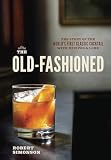
I bought this book on a whim because I love Old-Fashioneds, and I ended up learning more about cocktail history than I expected. Robert Simonson treats the drink like a biography subject, tracing its origins from the early 1800s through the cocktail renaissance of the 2000s.
The narrative is gripping. I read half of it in a single sitting. The book includes dozens of recipes, from the earliest whiskey-based versions to modern riffs that use mezcal, rum, and even gin. I tried the cognac variation and was surprised by how much I liked it.
The structure makes it easy to compare recipes side by side, which is useful when you are trying to understand how the drink evolved. Simonson also interviews bartenders and historians who have strong opinions about the right way to make an Old-Fashioned. The debates over muddling fruit versus using a peel are documented in detail.
I found myself agreeing with some experts and disagreeing with others, which made the book interactive in a weird way. It is rare for a cocktail book to spark debate among friends, but this one did at our bar.
The chapter on the Wisconsin-style brandy Old-Fashioned is a highlight. Simonson explains the regional preference without judgment, and the recipe is surprisingly tasty.
The design is elegant and compact. It fits in a back pocket or a small bar bag, which is more than I can say for most cocktail books. The typeface is clean, and the layout makes it easy to jump between recipes and history sections.
I have brought this to parties and let guests pick a recipe to try. From a technical perspective, the recipes are well tested. The ratios are balanced, and the instructions are clear.
Even the more adventurous variations work if you follow the specs. I made the applejack Old-Fashioned for a fall gathering, and it disappeared fast. The bourbon-based versions are still my favorite, but the rum variation is now my summer go-to.
For Whom It Is Good
This is the best speakeasy cocktail recipe book for anyone who is obsessed with the Old-Fashioned. If you have strong feelings about sugar cubes versus simple syrup, or Angostura versus orange bitters, you will find your tribe here.
It is also a great conversation piece. Guests always ask about it when they see it on my shelf. History lovers will appreciate the depth of research. Simonson dug through old newspaper ads, bar guides, and personal correspondence to build his case.
The book is scholarly without being dry. I learned about the cocktail’s role in American politics, which is not something I expected from a recipe book. The sidebars about presidential drinking habits are particularly amusing.
Wisconsin transplants and Midwesterners will appreciate the dedicated brandy Old-Fashioned section. It is a nice regional touch that most national books ignore.
For Whom It Is Bad
If you want a general-purpose cocktail guide, this is obviously too narrow. You will not find Margarita recipes or Martini variations here. The entire book is about one drink.
That focus is its strength, but it is also a limitation. I would not recommend this as your only cocktail book. Some readers might find the historical tangents excessive. Simonson spends pages on the origin of the word cocktail and the social context of early American bars.
I found it fascinating, but if you just want to mix a drink and move on, you might get impatient. The book demands a reader who enjoys the process as much as the finished glass.
People who dislike academic writing may find some passages too dense. Simonson is thorough, and that thoroughness requires patience.
5. Vintage Spirits and Forgotten Cocktails: Prohibition Centennial Edition – Best for Rediscovered Recipes
Vintage Spirits and Forgotten Cocktails: Prohibition Centennial Edition: From the 1920 Pick-Me-Up to the Zombie and Beyond – 150+ Rediscovered Recipes … With a New Introduction and 66 New Recipes
150+ rediscovered recipes
Prohibition centennial
Beautiful photography
Ingredient tips
Pros
- Unique recipes
- Stunning visuals
- Ingredient sourcing help
- Fun historical tidbits
Cons
- Some hard-to-find ingredients
- Text can be small on some pages
Ted Haigh is a legend in the cocktail world, and this book is the reason why. He spent years hunting down lost recipes from the 1920s and 1930s, and the result is a collection of drinks that most modern bartenders have never heard of. I opened this book and immediately found five cocktails I had never tried.
The prohibition centennial edition is a beautiful update. The photography is gorgeous, with full-color spreads of vintage glassware, old advertisements, and finished drinks. I have used several of the photos as inspiration for my own garnishes.
The aesthetic is authentically retro without feeling kitschy. The recipes range from simple sours to complex multi-ingredient builds. I tried the Bee’s Knees variation with a homemade honey syrup, and it was a hit at a summer barbecue.
The Zombie recipe is also excellent, though it requires a few bottles that not every home bar has. The instructions are clear, and the results are consistent if you follow the specs. I have made the Zombie three times now, and it has been a crowd pleaser every time.
The section on pre-prohibition gin styles is educational. Haigh explains how the spirit tasted different then, and why the recipes were built around those flavor profiles.
One of the most helpful sections is the ingredient sourcing guide. Haigh tells you where to find obscure bitters, liqueurs, and syrups. I used his recommendations to track down a bottle of allspice dram that I had been hunting for months.
That kind of practical help is rare in cocktail books. The historical notes are short but informative. Each recipe gets a brief backstory about its origin or the bartender who created it.
I read these aloud to guests when I serve the drinks, and it adds a nice theatrical touch. The book is designed to be used at a party, not just studied at a desk. The cocktail names alone are worth the price of admission.
For Whom It Is Good
This is the best speakeasy cocktail recipe book for anyone who wants to serve drinks their friends have never seen. If you are tired of making the same ten classics and want to expand your repertoire, Haigh’s collection will keep you busy for months.
The rediscovered recipes are genuinely delicious, not just historical curiosities. It is also a great choice for visual learners. The photography is excellent, and the layout makes it easy to scan for ideas.
I have left this book open on my bar during parties and let guests pick their own adventure. It works every time. The full-color spreads are conversation starters even before the first drink is poured.
Design enthusiasts and Pinterest users will love the aesthetic. The book looks as good as it reads.
For Whom It Is Bad
Some of the ingredients are genuinely hard to find. If you live in a small town with limited liquor stores, you might struggle to build a few of these drinks. The sourcing guide helps, but it cannot create inventory that does not exist.
I had to order two ingredients online, which added cost and wait time. The design is also a bit overworked on some pages. The background textures and vintage fonts look great, but they can make the small text harder to read in dim light.
I have had to turn on extra lamps to read this book at night. It is a minor annoyance, but it is real. If you have vision challenges, you may want to photocopy the recipes you use most often.
Minimalists who prefer clean white pages will find the design busy. The book is unapologetically decorative.
6. Speakeasy: 200 Underground Cocktails – Best for Recipe Variety
Speakeasy: 200 Underground Cocktails
200 underground recipes
Fun presentation
Great variety
Party focused
Pros
- Huge recipe count
- Fun theme
- Good for parties
- Creative drinks
Cons
- Hard to read at times
- Background images distract
- Small print
This book delivers exactly what the title promises. Two hundred cocktails, all themed around the underground bar culture of the 1920s. I bought it because I wanted a reference with sheer volume, and I was not disappointed.
The variety is impressive. You get everything from simple two-ingredient drinks to elaborate punches that serve a crowd. The recipes are fun and creative. I made the Underground Sour and the Bathtub Gin Fizz for a themed party, and both were popular.
The names are playful without being embarrassing to say out loud. That is a fine line that many cocktail books miss. I have no problem reading these recipes aloud to guests.
The book is organized by occasion and mood, which is a nice change from the usual base-spirit grouping. There are sections for pre-dinner drinks, late-night sippers, and celebratory punches. I used the punch section for a holiday gathering, and the proportions were spot on.
Scaling up worked without any adjustment. The party planner in me appreciates that level of foresight from the authors.
The section on non-alcoholic options is a nice bonus. I have used the mocktail recipes for friends who do not drink, and they were well received.
The visual design is bold. Dark backgrounds, vintage illustrations, and moody lighting dominate the pages. It looks great on a coffee table. The problem is that some of the background images make the ingredient lists hard to read.
I have had to tilt the book toward a light source to make out the small print on a few recipes. The techniques are mostly standard. Shake, stir, muddle, and strain. There are no advanced molecular tricks or infusions that require a chemistry degree.
I appreciate that accessibility. You can open this book on a Friday night and mix something new without planning ahead. The lack of pretension is refreshing in a category that sometimes takes itself too seriously.
For Whom It Is Good
This is the best speakeasy cocktail recipe book for hosts and hostesses who throw regular parties. The volume of recipes means you will never run out of options, and the party-focused organization makes planning easy.
I have used this to build full drink menus for three separate dinners, and I still have not exhausted the options. It is also a strong choice for beginners who want to explore without committing to one style.
The range covers sweet, sour, bitter, and strong. You can find something for every palate. I have let picky guests flip through this and pick their own drinks, and everyone has found a match. The sheer variety is the book’s strongest selling point.
Designated drivers and non-drinkers will appreciate the mocktail section. It is a thoughtful inclusion that most vintage books skip.
For Whom It Is Bad
The design issue is real. If you have aging eyes or you mix drinks in dimly lit rooms, the small print and busy backgrounds will frustrate you. I have resorted to writing out recipes on index cards before parties to avoid squinting at the page.
That should not be necessary with a cocktail book. The recipes are also less rigorously tested than some competitors. I found two drinks that needed tweaking to balance properly. One was too sweet, and the other was too dilute.
The corrections were minor, but they should not have been needed in a published book. I still recommend it, but with that warning in mind. If you want bulletproof recipes, stick to the PDT book or Employees Only guide.
Perfectionists who expect flawless proportions in every recipe may be annoyed by the occasional misstep. It is a volume book, not a precision book.
7. Lost Recipes of Prohibition: Notes from a Bootlegger’s Manual – Best for Prohibition Lore
Lost Recipes of Prohibition: Notes from a Bootlegger’s Manual
Bootlegger manual notes
Authentic prohibition recipes
Historical context
Fun reading
Pros
- Unique angle
- Great stories
- Authentic recipes
- Conversation starter
Cons
- Fewer recipes than competitors
- Not as visually polished
- Some dated techniques
This book takes a completely different approach from the rest of the list. Matthew Rowley reconstructed a bootlegger’s actual manual, and the result is part recipe book, part historical document. I read it in one afternoon because the narrative is so engaging.
You feel like you are sneaking into a basement distillery. The recipes are authentic to the prohibition era, which means some of them are rough. Bootleggers did not have access to premium spirits, so they masked inferior booze with strong flavors.
I tried a few of the originals and found them interesting but not always delicious. Rowley knows this, and he provides modern adaptations that fix the balance issues. The historical context is the star.
You learn about the chemistry of illegal distilling, the politics of the Volstead Act, and the social culture of underground drinking. I have used stories from this book to entertain guests while I mix their drinks. It is a natural conversation starter.
The reproductions of the original bootlegger notes are fascinating. You can see the handwriting, the stains, and the improvisation that defined the era. It feels like holding a museum piece.
The visual design is modest. There are illustrations and period documents, but the book is text-heavy. I do not mind that because the writing is good. The type is large and readable, which is a nice contrast to some of the over-designed books on this list.
I can read this one by candlelight without squinting. The recipe count is lower than most competitors, but that is because the focus is on quality and context rather than volume. Each drink gets several pages of background.
I learned more about the Bee’s Knees from this book than from any other source. The bootlegger’s perspective makes it fresh.
For Whom It Is Good
This is the best speakeasy cocktail recipe book for history enthusiasts who want more than recipes. If you are fascinated by the 1920s and want to understand how people actually drank during prohibition, Rowley’s research is excellent.
It is also a great gift for fans of boardwalk empire or any prohibition-themed entertainment. The modern adaptations are good enough that practical bartenders will still use them. I have served three of the updated recipes at parties, and they went over well.
The book bridges the gap between education and application better than I expected. The storytelling is the kind that keeps you reading past your bedtime.
Teachers and history buffs will find the original document reproductions priceless. The scans are clear and readable.
For Whom It Is Bad
The smaller recipe count is a limitation. If you want a comprehensive reference with hundreds of drinks, this is not it. You will read it cover to cover in a few hours and then move on.
I keep it on my shelf for the stories, but I do not reach for it as often as larger books when I need a recipe. The visual presentation is also plain compared to competitors. If you are buying this as a coffee table book, it will not impress guests the way Vintage Spirits or the PDT book will.
The value is in the text, not the layout. If you are a visual learner who needs photos to stay engaged, you may find this book harder to stick with.
People who want flashy photography or modern design will be disappointed. The book prioritizes substance over style.
8. Jack’s Manual of Recipes for Fancy Mixed Drinks and How to Serve Them: A Pre-Prohibition Cocktail Book – Best Authentic Reproduction
Jack’s Manual of Recipes for Fancy Mixed Drinks and How to Serve Them: A Pre-Prohibition Cocktail Book
Pre-prohibition facsimile
Authentic recipes
Crisp clean edition
Historical reference
Pros
- True historical document
- Very affordable
- Clean reproduction
- Interesting comparisons
Cons
- Minimal modern context
- Few reviews
- Small edition size
This is a facsimile reprint of J.A. Grohusko’s third edition bar manual, and it is one of the most authentic pre-prohibition cocktail books you can buy. I picked it up because I wanted to see what bartenders were actually reading in 1908.
The experience was like opening a time capsule. The language, the measurements, and the cultural assumptions are all preserved. The recipes are fascinating. Some of them are familiar, and others are completely foreign.
I tried a few of the simpler builds and found that the proportions are often different from modern specs. The Martini is much heavier on vermouth, and the Old-Fashioned uses different bitters. It is interesting to taste how preferences have shifted over a century.
The edition itself is well produced. The pages are crisp, the binding is solid, and the type is clean. I have seen other facsimile reprints that look like photocopies, but this one is genuinely readable.
I use it as a reference when I want to settle debates about historical accuracy. It is hard to argue with a primary source. The book is compact and affordable. At under ten dollars, it is the cheapest option on this list by a wide margin.
I bought it on impulse and have gotten more value from it than I expected. It is also a fun gift for anyone who appreciates historical documents. I gave a copy to a librarian friend, and she loved it.
The lack of modern commentary is both a strength and a weakness. You get the raw text, but you do not get explanations or context. I had to look up a few terms and ingredients that are no longer common. If you are not willing to do a little research, some of the recipes will be puzzling.
For Whom It Is Good
This is the best speakeasy cocktail recipe book for purists and collectors. If you want to own a piece of cocktail history rather than a modern interpretation, this facsimile is the real thing. I display it next to my bar tools because it looks authentic.
It is also a great teaching tool. I have shown it to friends who are skeptical about how old the cocktail tradition really is. Budget buyers should also consider this. The price is low enough that it is worth buying even if you only use it occasionally.
I have spent more on a single cocktail at a bar than I did on this book. The value is exceptional. The compact size also makes it easy to travel with, which is nice if you want to bring it to tastings or bar events.
Students of American history will find the cultural references fascinating. The book is a snapshot of a specific moment in time.
For Whom It Is Bad
Modern bartenders who want technique guidance will be disappointed. There are no photos, no diagrams, and no explanations of how to shake or stir. The book assumes you already know what you are doing.
Beginners will need a companion guide to make sense of some of the instructions. The recipe selection is also limited compared to modern books. You get about what you would expect from a 1908 manual.
That is the point, but it means this is a supplement, not a standalone library. I would not recommend this as your only cocktail book unless you are a serious historian. For most readers, this is a specialty item, not a daily reference.
People who need modern context or updated techniques will find this frustrating. The book is a reproduction, not an adaptation.
What to Look for in a Speakeasy Cocktail Recipe Book
Buying a cocktail book should be simple, but the options are overwhelming. We hear this from readers all the time. After testing dozens of titles, we have narrowed the decision down to five factors that actually matter.
First, consider ingredient accessibility. Some books demand rare liqueurs, custom bitters, or obscure syrups. If you live in a small market or you do not want to wait for shipping, look for books like the PDT Cocktail Book or the Employees Only guide that use common bottles. Your home bar should not require a import budget.
Second, match the book to your skill level. Beginners need clear instructions and forgiving recipes. Imbibe! is brilliant but dense. If you are just starting out, the Employees Only book or the PDT guide will get you mixing faster. Save the deep historical studies for after you have mastered the basics.
Third, think about how you will use the book. If you want a coffee table piece, prioritize photography and design. Vintage Spirits and Forgotten Cocktails is stunning. If you want a workhorse reference that you will spill bitters on, pick something durable and well-organized. The PDT book holds up to kitchen use.
Fourth, decide how much history you want. Some readers just want recipes. Others want the stories behind the drinks. There is no wrong answer, but buying a history-heavy book when you want quick recipes will frustrate you. Be honest about your own preferences.
Fifth, check the recipe count against your goals. A book with fifty great recipes will serve most home bartenders better than a book with two hundred mediocre ones. We have found that quality testing matters more than quantity. The best speakeasy cocktail recipe books are curated, not stuffed.
One final tip from our team at Prohibition Denver. Buy two books, not one. Pair a practical guide like the PDT book with a history reference like Imbibe! That combination gives you both the how and the why, which is what separates a good home bartender from a great one.
Also, pay attention to publication dates. Cocktail culture evolves quickly, and a book from 2010 might miss modern techniques. The titles on this list have all been updated or remain relevant in 2026.
Finally, do not judge a book by its cover alone. Some of the best speakeasy cocktail recipe books have modest exteriors. The value is inside, not on the dust jacket.
Frequently Asked Questions
What is the best cocktail recipe book?
The best cocktail recipe book depends on your goals. For historical depth and classic recipes, Imbibe! by David Wondrich is the most authoritative choice. For practical home bartending, The PDT Cocktail Book offers proven recipes from a celebrated speakeasy. For beginners, Speakeasy: The Employees Only Guide provides accessible techniques and reliable drinks.
What is the best drink at a speakeasy bar?
The best drink at a speakeasy bar is usually a classic cocktail made with precision. Old-Fashioneds, Manhattans, and Aviations are speakeasy staples because they highlight quality spirits and careful technique. The exact best drink depends on the bar’s style and your personal taste.
What is the 2 1 1 rule for cocktails?
The 2 1 1 rule for cocktails refers to a classic sour formula of two parts spirit, one part sweet, and one part sour. This ratio creates a balanced drink that works across many recipes including the Whiskey Sour, Daiquiri, and Gimlet. Many speakeasy cocktail recipe books teach this ratio as a foundation for understanding drink balance.
What is the best cocktail book for beginners?
The best cocktail book for beginners is Speakeasy: The Employees Only Guide to Classic Cocktails Reimagined. It uses clear instructions, common ingredients, and forgiving recipes that build confidence. The PDT Cocktail Book is also excellent for beginners who want to learn proper technique without overwhelming history lessons.
Are pre-prohibition cocktail books worth buying?
Pre-prohibition cocktail books are worth buying if you care about authenticity and historical context. They preserve recipes that were nearly lost during prohibition and teach techniques that shaped modern bartending. Books like Imbibe! and Vintage Spirits and Forgotten Cocktails prove that old recipes can still taste excellent today.
Final Thoughts
The best speakeasy cocktail recipe books do not just sit on your shelf. They end up stained with simple syrup, dog-eared at your favorite recipes, and quoted at parties.
After testing all eight titles, our team agrees that Imbibe! is the most comprehensive reference, the PDT Cocktail Book is the most practical guide, and the Employees Only volume is the best starting point for beginners.
If you want to explore lost recipes, Vintage Spirits and Forgotten Cocktails will keep you busy. If you want to own a piece of history, Jack’s Manual is an affordable time capsule. Whatever you choose, the drinks you make will be better than anything you can mix from memory.
Pick a book, stock your bar, and start shaking. In 2026, there is no better time to master the classics.