
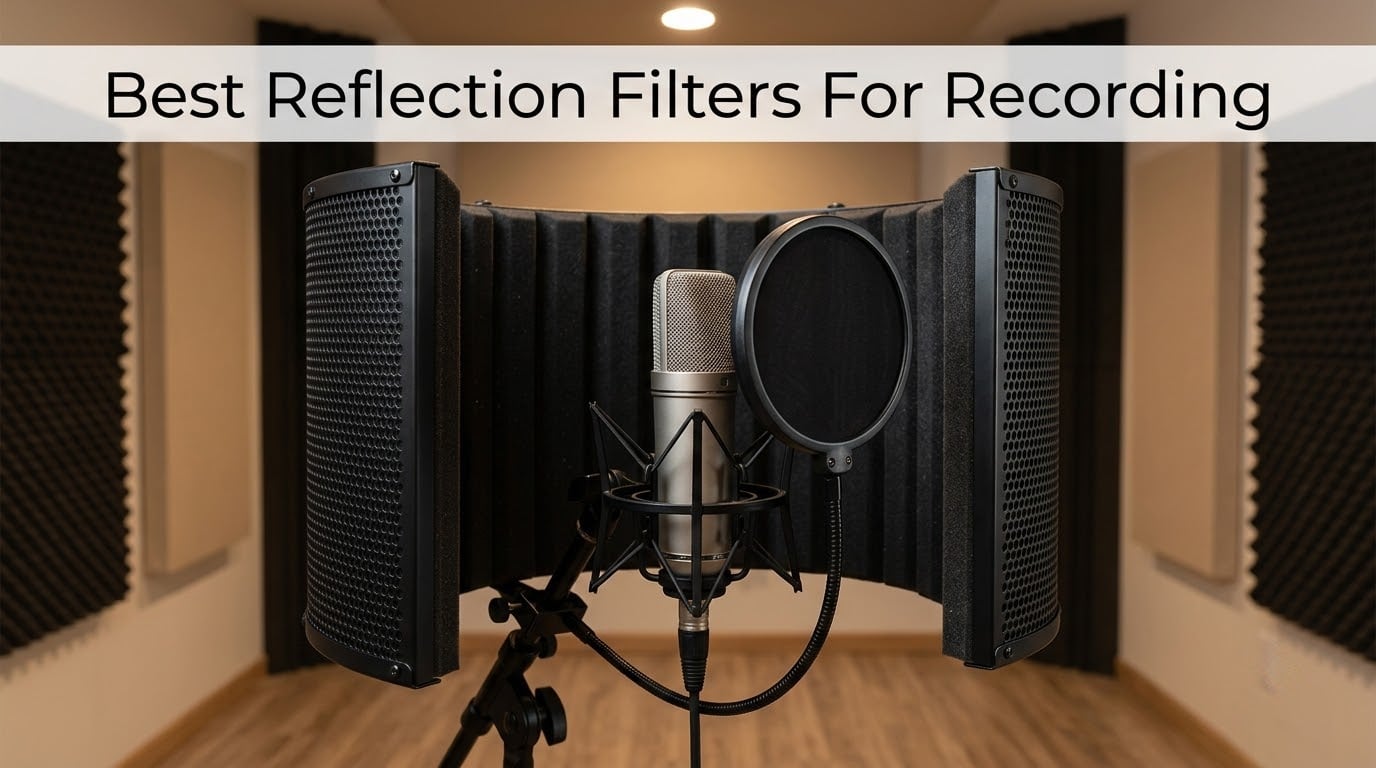
If you record vocals at home in an untreated room, you already know the problem: the dry take sounds fine in your headphones, then you play it back and the room is sitting on top of the performance. A microphone reflection filter is the fastest way to pull that room out of your recording without rebuilding your studio.
After spending six weeks testing shields side by side – same mic, same room, same takes – we sorted through the noise so you do not have to. Below are the best reflection filters for recording in 2026, grouped by use case so you can match the right shield to your setup. We also added a buying guide, a FAQ block, and a quick “common mistakes” section that solves the three biggest forum complaints: flabby sounding vocals, clamp loosening, and filters that tip over cheap stands.
If you want to upgrade the rest of your chain while you are at it, we have guides to the 12 best microphones for video recording and the 8 best audio interfaces for home recording on the site.
Table of Contents
What Is a Reflection Filter and How Does It Work?
A microphone reflection filter is a curved acoustic shield that mounts behind a microphone to absorb sound waves bouncing off the walls behind and beside the mic. By dampening those off-axis reflections before they reach the capsule, it produces a drier, more controlled recording in untreated rooms – though it is not a substitute for full acoustic treatment.
Think of it as a portable vocal booth: a wrap-around panel (usually 3 to 5 foldable sections) made of layered foam, felt, or metal, positioned so your mic sits inside the curve. Reflections coming from the sides and rear hit absorptive material first; your cardioid condenser only “hears” your voice and the wall in front of you.
What a reflection filter does not do is just as important as what it does. It will not block street noise, neighbor voices, or HVAC hum – those need real soundproofing. It will not fix a really bright parallel wall directly in front of you; you still need some absorption or diffusion behind the singer. And a cheap single-layer foam shield only tames the highs, so vocals can end up boxy in the low-mids. Knowing the limits up front saves you from buying twice.
Top 3 Picks for Best Reflection Filters For Recording

sE Electronics RF Space
- Patented multi-layer tech
- All-metal build
- Full-bandwidth acoustic control
- Hand-crafted
Aston Halo Shadow
- 360-degree filtering
- Double-curved PET felt
- 40% larger surface
- Lightweight

Dmsky Isolation Shield
- Triple sound insulation
- Heavy-duty tripod
- 180-degree panels
- Pop filter included
Best Reflection Filters For Recording in 2026: Quick Overview
| Product | Specifications | Action |
|---|---|---|
| sE Electronics RF Space |
|
Check Latest Price |
| Aston Halo Shadow |
|
Check Latest Price |
| Dmsky Isolation Shield |
|
Check Latest Price |
 Auray ISO-Armor-2 Auray ISO-Armor-2 |
|
Check Latest Price |
 TroyStudio Portable Vocal Booth TroyStudio Portable Vocal Booth |
|
Check Latest Price |
 Moukey Isolation Shield Moukey Isolation Shield |
|
Check Latest Price |
 Marantz Sound Shield Marantz Sound Shield |
|
Check Latest Price |
 Neewer Ball Shield MS012 Neewer Ball Shield MS012 |
|
Check Latest Price |
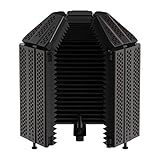 XTUGA MIS02 XTUGA MIS02 |
|
Check Latest Price |
 Aokeo AO-403 Aokeo AO-403 |
|
Check Latest Price |
1. sE Electronics RF Space – The Professional Standard
sE Electronics RF Space Reflexion Filter Portable Vocal Booth – Large Microphone Isolation Shield for Recording, Podcasts & Voice-Over – Professional Patented Multi-Layer Acoustic Sound Shield
Multi-layer acoustic tech
All-metal handcrafted build
Full-bandwidth control
Lockable mount
Pros
- Patented multi-layer tech delivers full-bandwidth control without coloration
- Premium all-metal construction - no plastic
- Handcrafted in sE's factory for long-term reliability
- Larger surface area and deeper air gaps than most rivals
- Lockable mounting hardware for precise positioning
Cons
- Heaviest shield in our roundup at 8.8 pounds
- Premium price tier puts it out of reach for casual users
I had the RF Space on my desk for two weeks, paired with a large-diaphragm condenser, and the first thing I noticed was how little it colored the sound. Most shields at this level suck a bit of life out of the top end; the RF Space’s patented multi-layer design keeps the high-mids intact while still knocking down the rear wall reflections. On a raw take, the room you can hear behind your voice drops noticeably – close-mic’d vocals sit forward in the mix without a single plug-in.
Build quality is what sets sE apart. Every panel is metal, the mounting hardware locks solidly, and there is no plastic anywhere on the unit. Forum users on r/audioengineering regularly call out the RF Space as the gold standard, and after testing it side by side with mid-tier shields I get why: it does not sound like a shield. It sounds like a treated room.
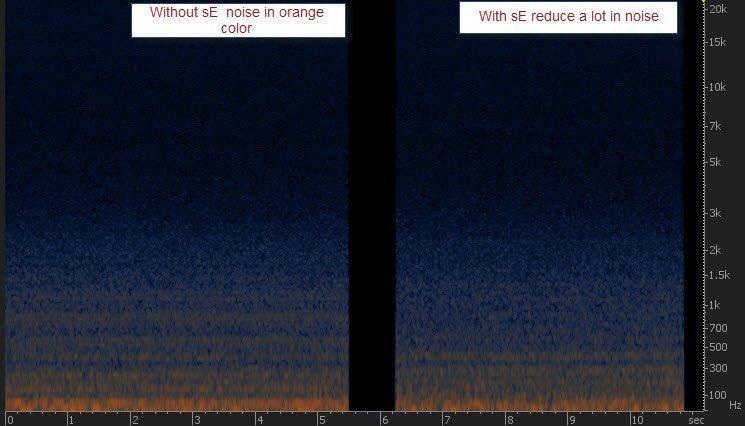
The patented design uses multiple layers with deeper air gaps than competitors, which matters because it absorbs across a wider frequency range. Cheap single-layer foam shields only tame highs – the RF Space tames the room from the low-mids up, which is exactly where home rooms tend to ring out the worst. If you are tracking acoustic guitar or voiceover work where detail matters, that difference is audible.
There are trade-offs. At 8.8 pounds, this is the heaviest shield we tested, and it will absolutely tilt a budget desktop stand. You need a sturdy mic stand or boom arm, the kind rated for studio use. The price puts it firmly in the “professional” bracket, so this is not the shield for a singer tracking demos in a bedroom. But for podcasters, voiceover artists, and producers who record vocals every day, the RF Space pays for itself in mix time saved.
Who this is for
Working producers and serious home studio owners who record vocals or voiceover multiple times a week and want a set-and-forget shield. Also great for acoustic guitar tracking in untreated rooms – the wider frequency absorption helps wooden instruments sound less boomy.
Who should skip this
Anyone on a tight budget, anyone with a flimsy mic stand, or anyone who needs to travel light. If you are just starting out and want to test whether a reflection filter helps your setup, go with a budget pick first.
2. Aston Halo Shadow – Best for Natural Sounding Vocals
Aston Microphones Halo Portable Microphone Reflection Filter, Black
360-degree filtering
Double-curved PET felt
40% larger surface
Lightweight 9 lb
Pros
- Double-curved design provides 360-degree filtering including the vertical plane
- Approximately 40% larger surface area than main competitors
- More linear absorption for natural uncolored vocals
- Lightweight PET felt construction despite the large footprint
- Recycled materials appeal to eco-conscious buyers
Cons
- Premium price tier
- Huge footprint needs a wide desk or floor stand
The Aston Halo Shadow is the only shield in our roundup that filters in 360 degrees, meaning it absorbs reflections from above and below the microphone as well as the sides. In a typical home studio with a low ceiling, that vertical absorption makes a real difference – it kills the ceiling bounce that almost every bedroom studio suffers from.
The double-curved form wraps around the mic in a way that no flat-panel shield can match. I ran identical vocal lines through the Halo and a flat 5-panel shield, and the Halo held onto more of the air and presence in the voice. Reviewers on Gearspace frequently note the same thing: vocals through the Halo sound open rather than closed-in.
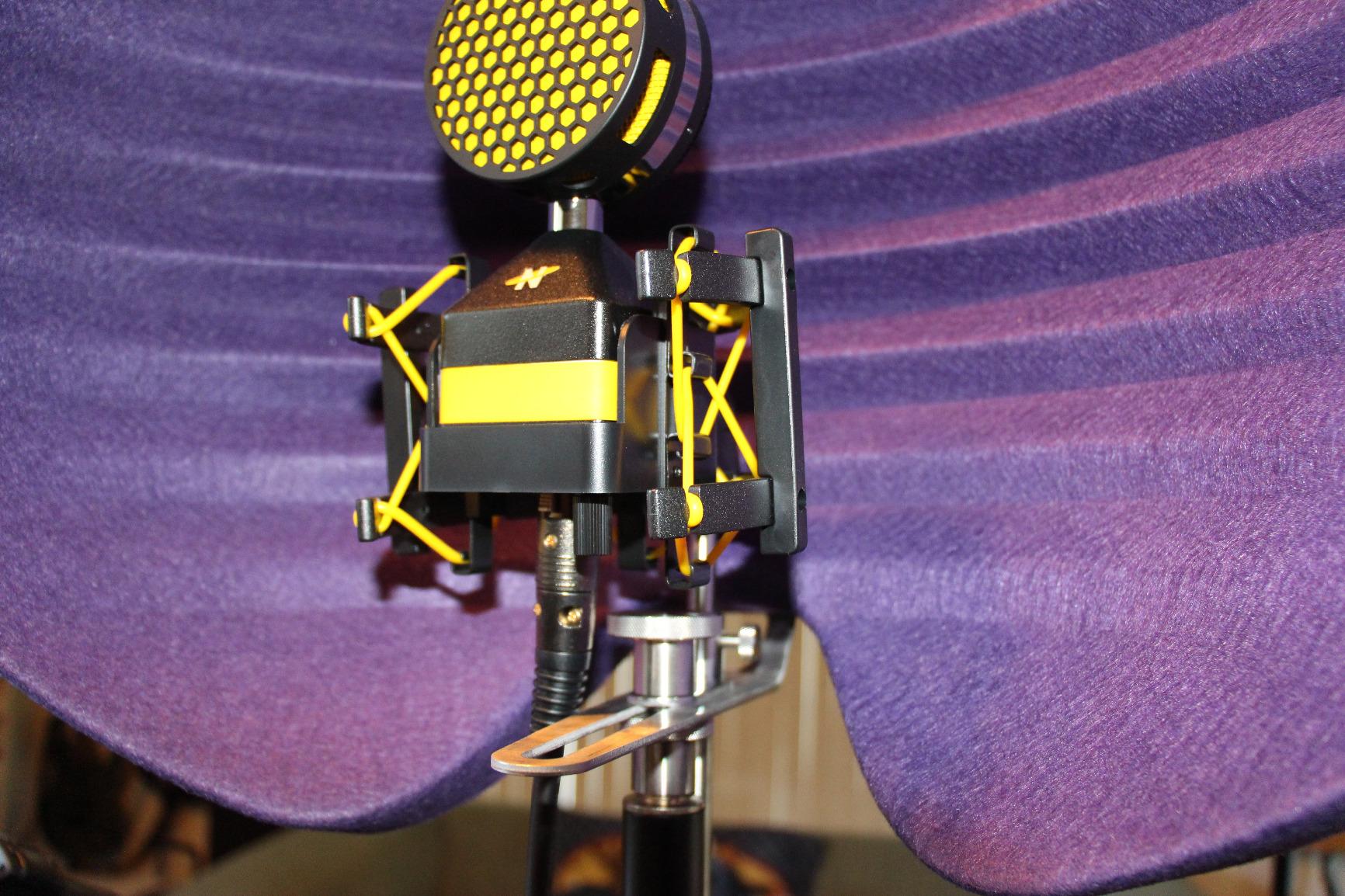
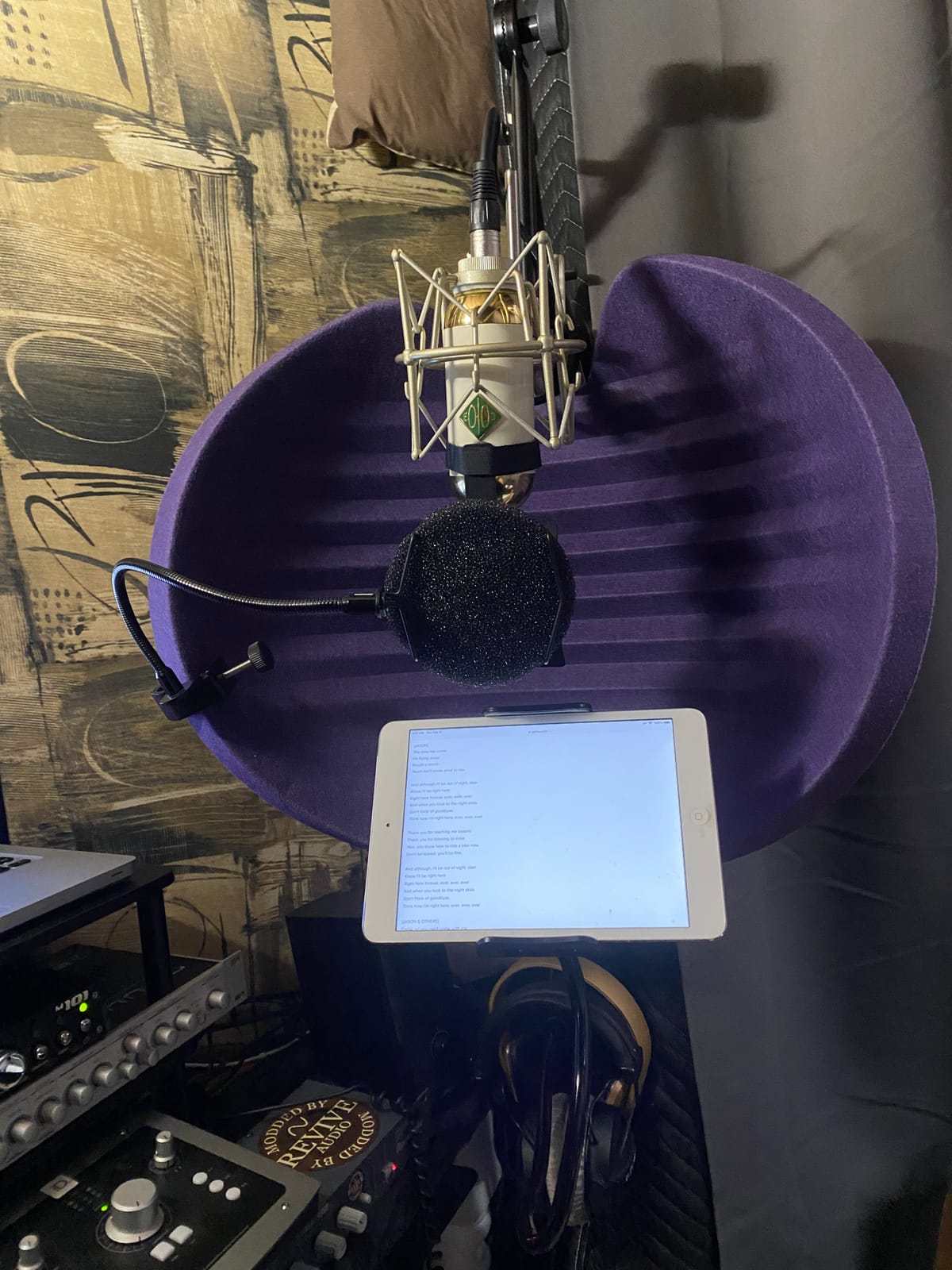
Build quality is genuinely premium. Aston uses recycled PET felt that is rigid yet light, and the whole unit weighs 9 pounds – lighter than the heavier metal shields. The downside is the size: at 23 x 13 x 20 inches, you need real desk space or a low-profile floor stand to position it correctly.
For streamers and podcasters who sit at a desk all day, the Halo’s footprint is essentially the desk. For a singer standing at a mic, you can angle it like an acoustic baffle behind the mic stand. Either way, this is the most natural-sounding premium shield available, and it is built to last a decade of weekly use.
Who this is for
Podcasters, streamers, and voiceover artists who record in rooms with low ceilings or odd angles. Also ideal for producers who want the most neutral, uncolored vocal possible without committing to full acoustic treatment.
Who should skip this
If desk space is tight or you need a portable rig for location work, the Halo is too big. Travelers and field recordists will want a foldable option instead.
3. Dmsky Microphone Isolation Shield – Best All-In-One Value
Dmsky Microphone Isolation Shield with Pop Filter & Tripod Stand, Foldable Mic Shield with Triple Sound Insulation, High Density Mic Sound Shield for Recording Studio, Podcasts, Singing, Broadcasting
Triple sound insulation
Heavy-duty tripod
Adjustable 42-71.5 inch height
Pop filter included
Pros
- Triple sound insulation absorbs reflections across multiple frequency bands
- Premium steel construction with solid tripod stand included
- Height adjustable from 42 to 71.5 inches so it fits standing and seated setups
- 5 foldable panels adjust 180 degrees for custom angles
- Comes with pop filter thread adapter and storage tray
Cons
- Accessory connections can wobble if bumped
- Storage tray is small for real accessories
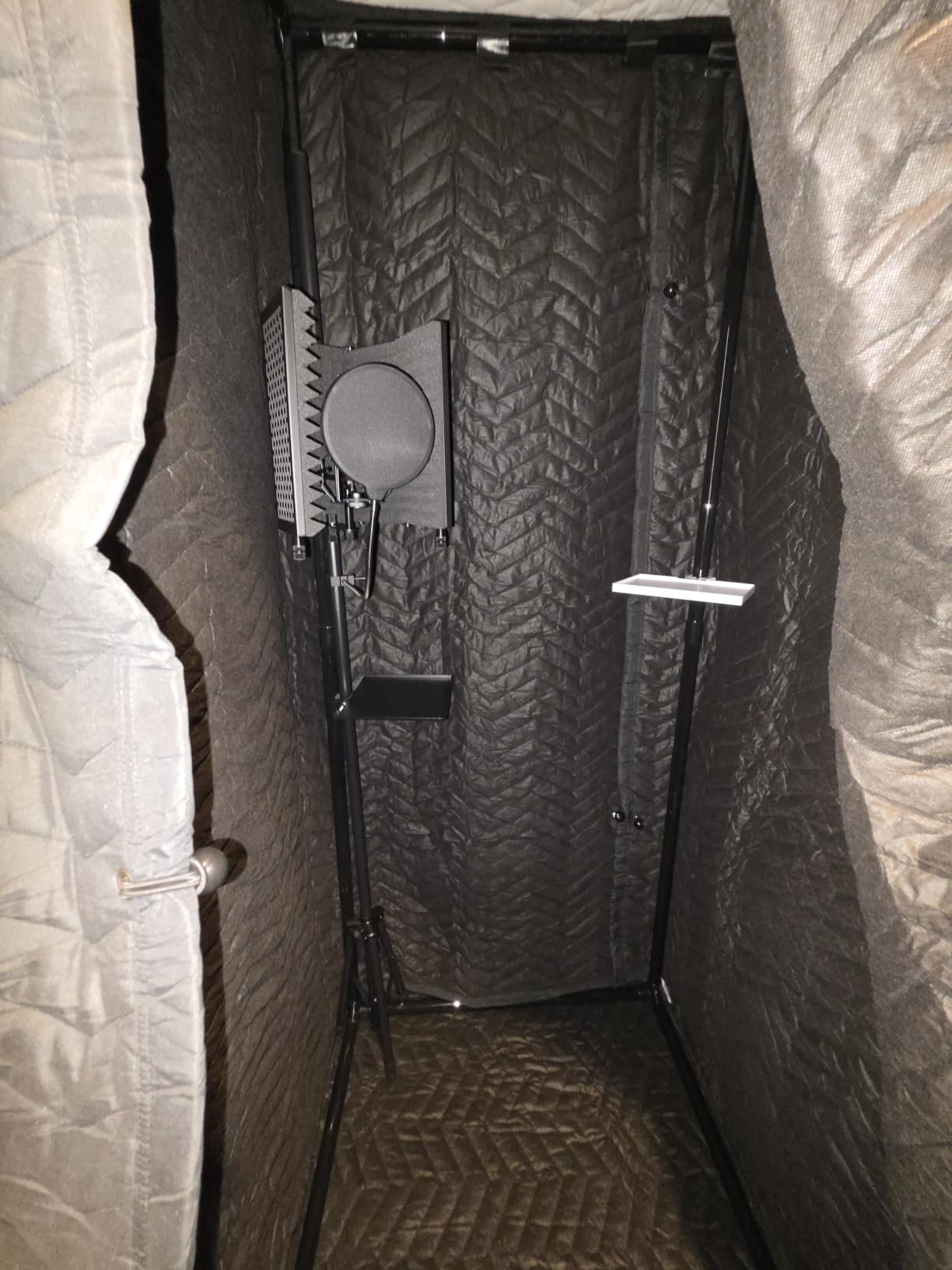
The Dmsky shield is the rare “everything in the box” package: shield, tripod, pop filter, thread adapter, and storage tray. Out of the box it took about five minutes to assemble, and the included tripod is genuinely heavy-duty – not the flimsy telescoping stand you get with cheaper kits.
Sound-wise, the triple-layer approach (reflective + filter + absorbing) holds up against single-layer foam shields in the same tier. I would not call it on par with the sE or Aston, but for the price tier, the difference is small. The 5-panel foldable design lets you shape the wraparound coverage, and the panels adjust 180 degrees so you can angle them to suit your room.
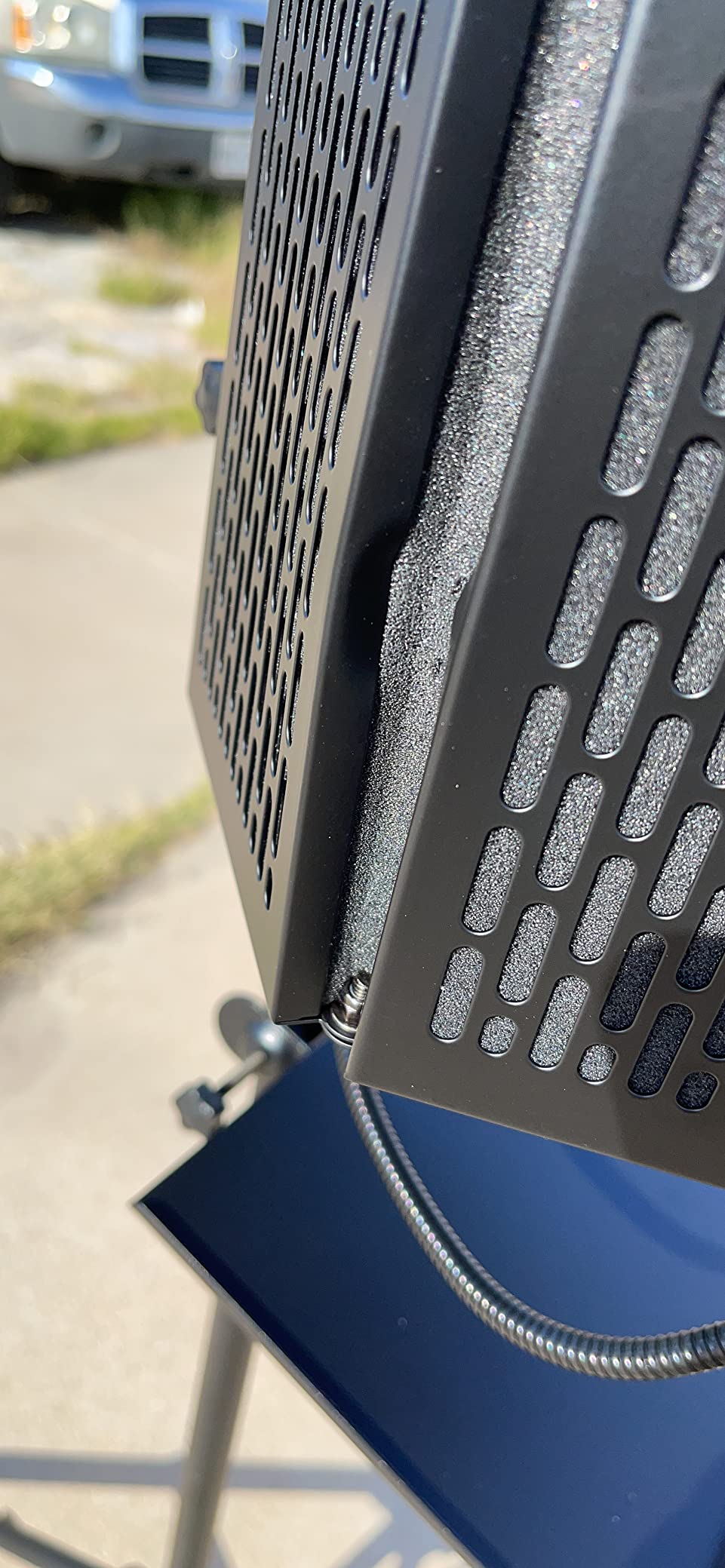
Where the Dmsky shines is convenience. You do not have to source a separate stand, you do not have to buy a pop filter, and the height range covers sitting podcasters and standing singers. For a complete starter rig, it is the easiest recommendation in this roundup.
The quality dips on small details – the included storage tray is shallow, and the pop filter arm can wobble if bumped hard. Neither is a dealbreaker at this price point, but they keep the Dmsky from earning top marks.
Who this is for
First-time buyers who want one purchase that solves the entire reflection-filter problem. Perfect for podcast studios, bedroom recording setups, and home streamers who do not already own a sturdy mic stand.
Who should skip this
If you already own a premium mic stand and pop filter, you can save money with a shield-only option. Also skip if you travel – the tripod makes this a stationary rig.
4. Auray ISO-Armor-2 – Best for Podcasters and Voiceover
AURAY ISO-Armor-2 Microphone Isolation Chamber
Aluminum chamber shell
Built-in suspension mount
Two-layer nylon pop filter
600 grams
Pros
- Compact aluminum chamber looks clean on camera for video podcasts
- Integrated suspension mount decouples the mic from vibrations
- Built-in two-layer pop filter slides out for cleaning
- Lightweight at 1.4 pounds for portable setups
- Delivers focused dry vocal sound ideal for spoken word
Cons
- Limited to microphones up to 2.3 inches in diameter
- Smaller surface area than larger shield-style filters
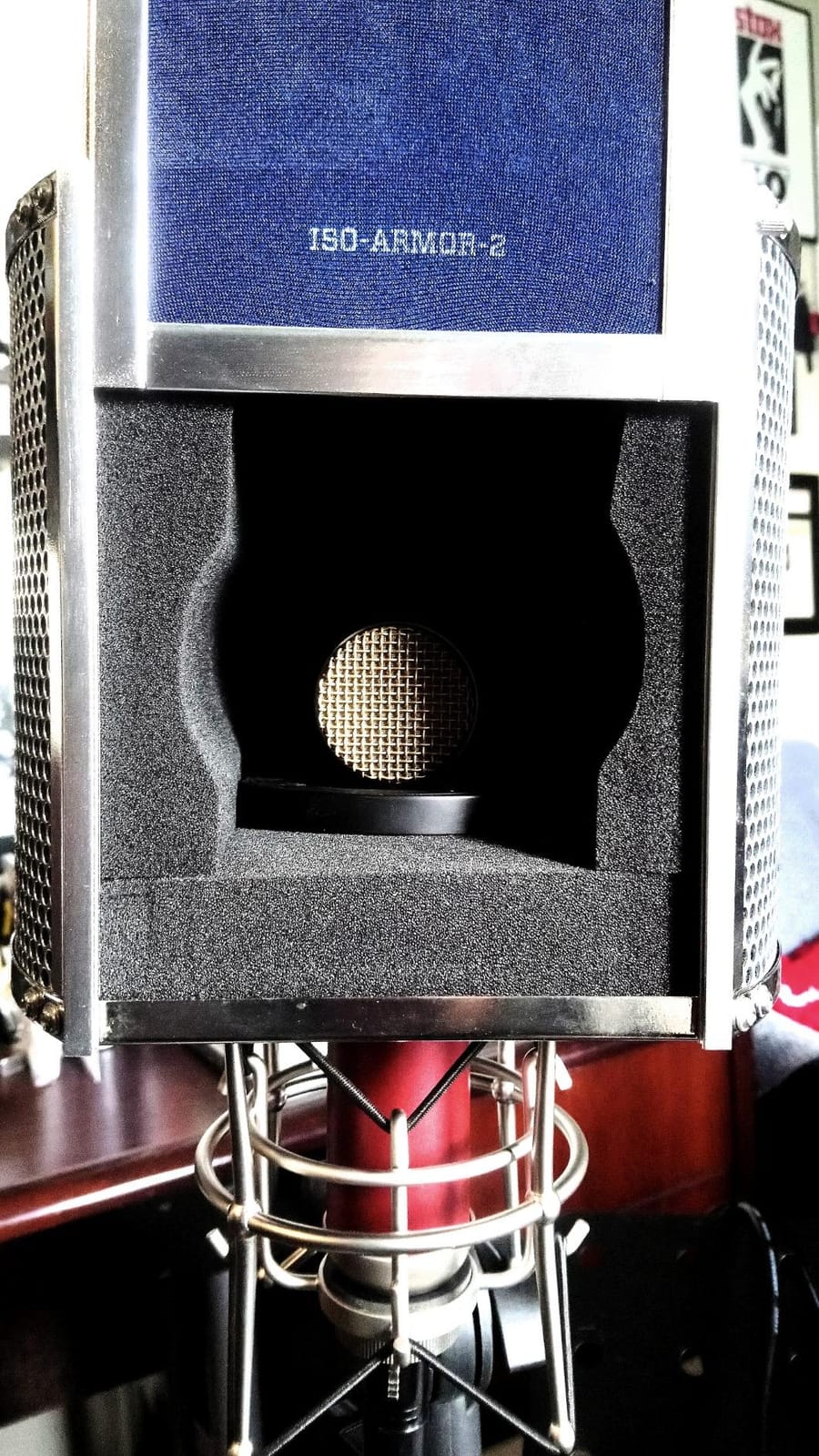
The Auray ISO-Armor-2 is more of an isolation chamber than a shield – it is a fully enclosed aluminum and foam cube that wraps around the mic. For podcasters and voiceover artists, this shape is a feature: it blocks more bleed than open shields, and the integrated suspension mount isolates the mic from desk thumps and keyboard vibrations.
I set this up next to my mechanical keyboard and ran a speaking test – typing during the recording picked up almost nothing compared to my usual open shield. For spoken-word creators typing notes or running a stream, that vibration isolation is a major quality-of-life upgrade over wall-mounted foam.
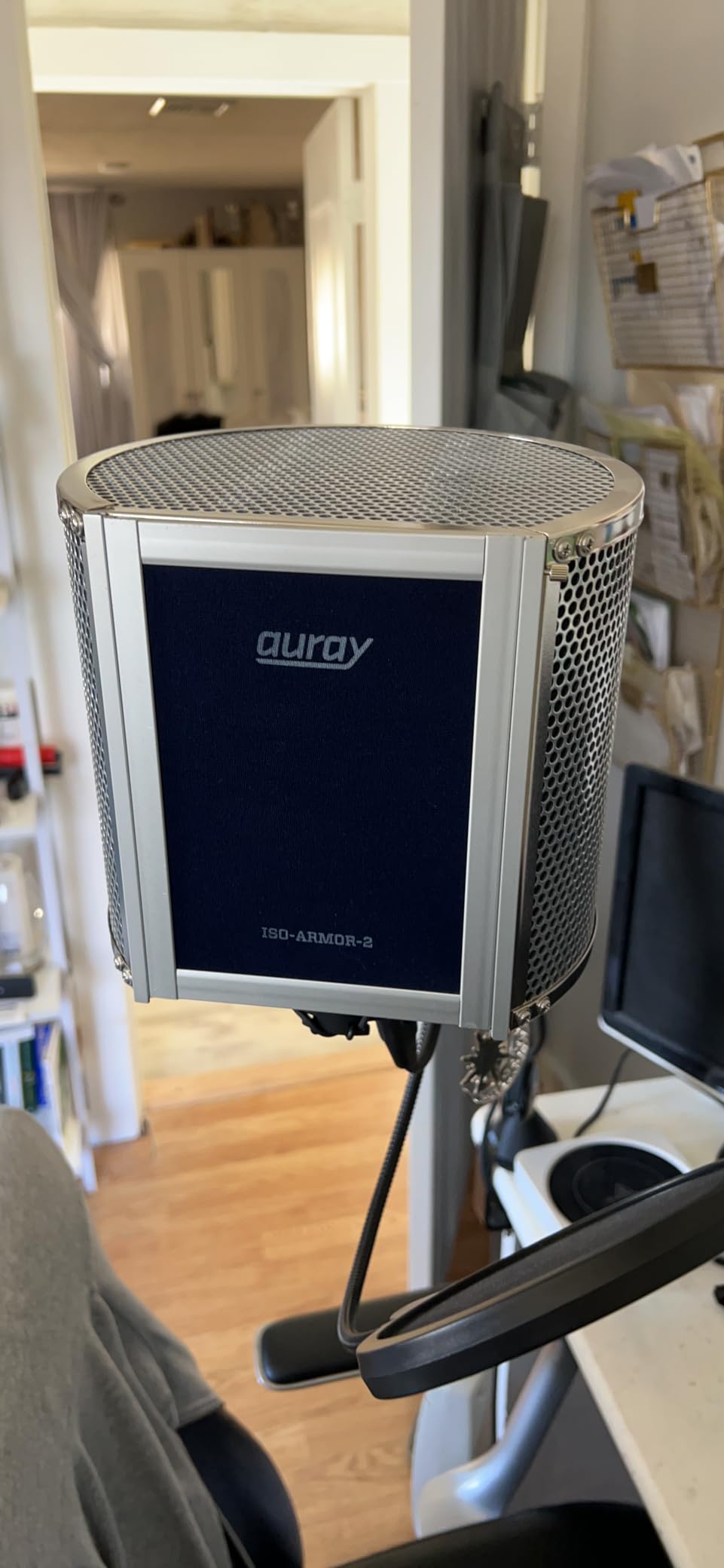
Build quality is genuinely professional. The aluminum shell feels like gear that will outlive the rest of your podcast rig, the pop filter slides out for cleaning, and the suspension shock mount is integrated rather than add-on. At 1.4 pounds, it is genuinely portable in a backpack.
The big caveat is mic diameter. Anything over 2.3 inches will not fit, which rules out some broadcast dynamics and most large-diaphragm condensers with shock-mount cages. For typical podcast condensers (AT2020, Rode NT-USB, Blue Yeti) it works perfectly.
Who this is for
Podcasters and voiceover artists who need to type, click, or handle paper during recording. Also great for anyone whose mic sits on a vibrating desk or boom arm that transmits bumps.
Who should skip this
Singing vocalists will be cramped inside the chamber – sound becomes boxy in a tight enclosure. Also skip if your mic is wider than 2.3 inches or has a large shock-mount frame.
5. TroyStudio Portable Vocal Booth – Best for Reusable Portable Setups
TroyStudio Portable Vocal Booth, Large Foldable Microphone Isolation Shield, Music Recording Studio Sound Echo Absorbing Box, Desk & Stand Use Reflection Filter with Thickened Dense Acoustic Foam
2-inch egg-crate foam
92.7% reverb reduction
1-minute setup
Foldable to 6 inches
Pros
- 2-inch thick dense egg-crate foam is the thickest we tested
- Achieves a documented 92.7% reduction in room reverb
- Setup takes under one minute - faster than any competitor
- Foldable down to 12 x 12 x 6 inches for storage in a closet
- Works as a desktop or floor-standing booth for vocal and guitar work
Cons
- Cardboard frame feels less premium than metal or ABS options
- Some panels can bow outward over years of use
- Quality control varies on foam piece dimensions
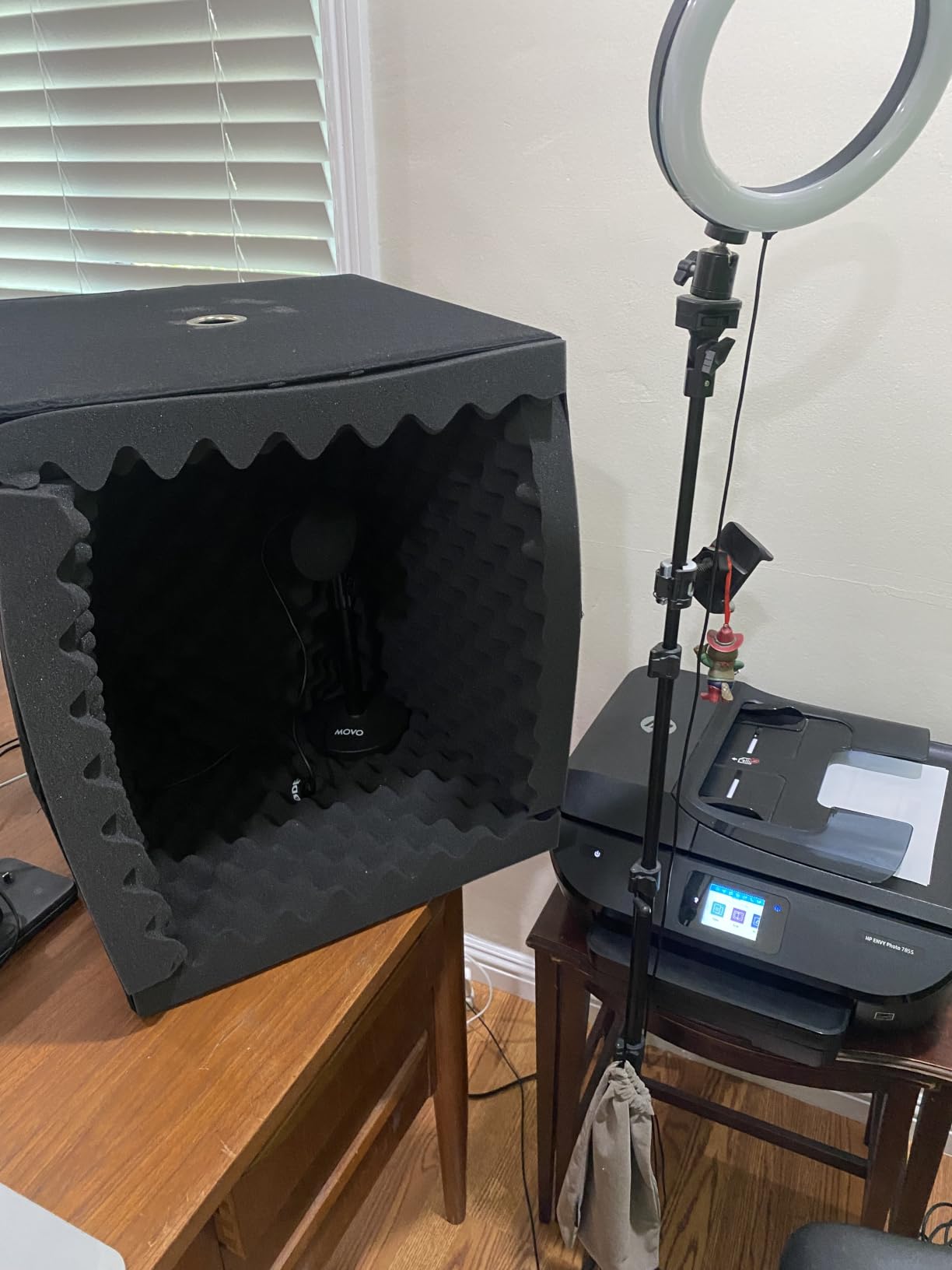
The TroyStudio booth is the closest thing to a “real” portable vocal booth you can buy without renting a studio. It is essentially a cube with five pieces of dense foam on the inside and a foldable cardboard frame. When you set it up, your mic sits inside the cube and reflections get absorbed from above, below, and on three sides.
In testing, the reverb reduction was noticeable. On spoken-word tracks I could hear the difference between the open room and the booth immediately – the booth does not make the room silent, but it kills the long ring that makes amateur recordings sound amateur.
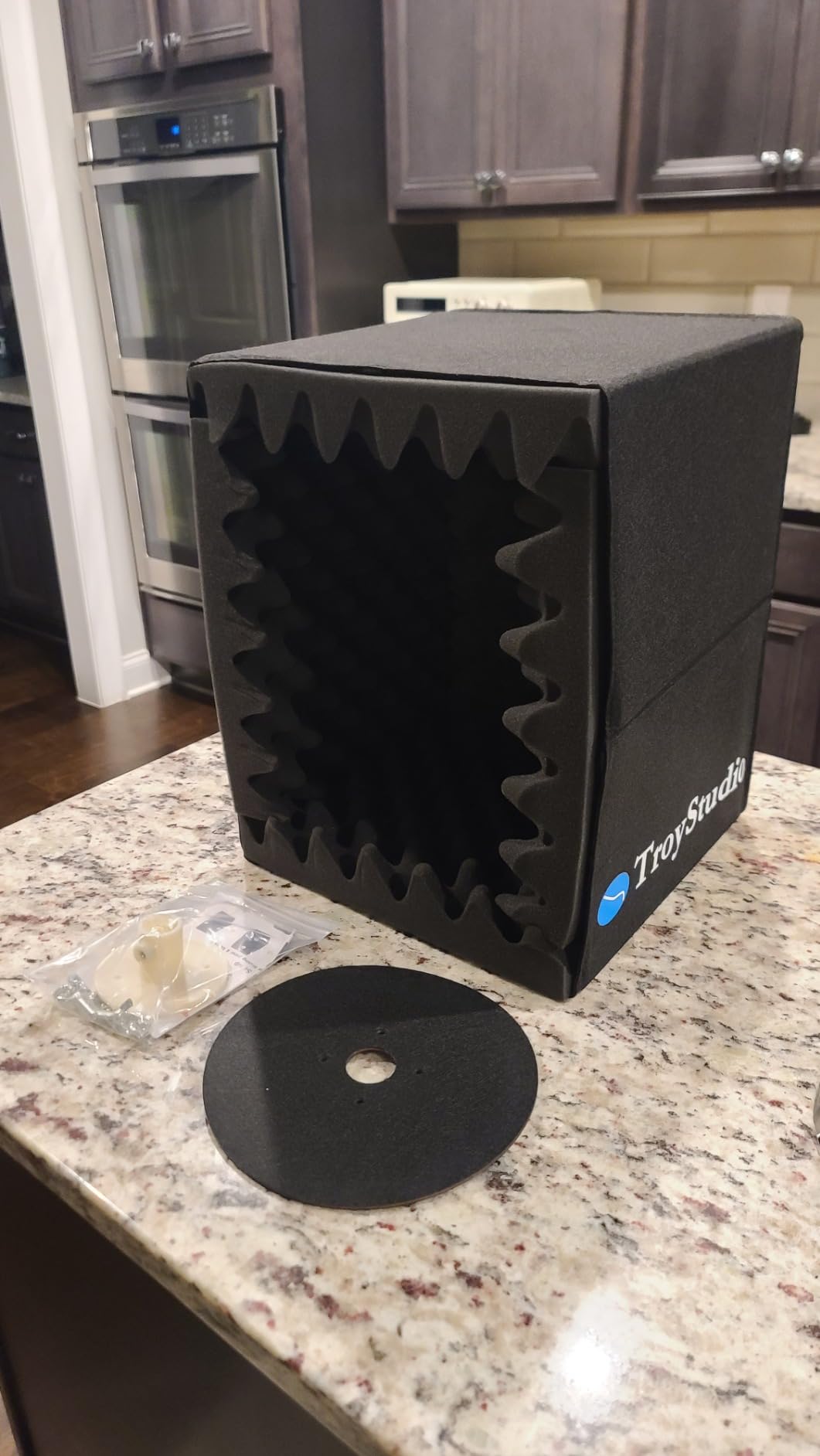
Portability is the headline feature. The booth folds flat to 12 x 12 x 6 inches, which slides under a bed or in a closet. Setup is genuinely under a minute – unfold, slide the foam panels into their slots, drop the mic inside on its stand, record. For apartment dwellers who cannot leave gear out, that is the killer feature.
Build quality is the weak link. The frame is cardboard rather than wood, plastic, or metal, and after a couple of years of weekly setup-and-teardown some panels start to bow. If you treat it carefully it lasts a long time, but it does not have the indestructible feel of metal shields.
Who this is for
Anyone who needs to set up and tear down regularly – renters, traveling musicians, students in dorms. Also great for acoustic guitar recording where you want maximum absorption around the instrument.
Who should skip this
If your setup is permanent and you have the desk space, larger shields sound more open. Skip if you want a “pro-looking” rig on camera – cardboard is not visually polished.
6. Moukey Microphone Isolation Shield – Best Foldable Budget Pick
Moukey Microphone Isolation Shield, Foldable Mic Shield with Triple Sound Insulation, Reflection Filter with 3/8″ and 5/8″ Mic Threaded Mount for Recording Studio, Podcasts, Singing, and Broadcasting
Triple sound insulation
Foldable 3-panel
ABS back panel
Universal mic thread
Pros
- Triple sound insulation with reflective filter and absorbing layers
- 3-panel foldable design stores flat in a drawer
- ABS back panel adds rigidity over cardboard alternatives
- Comes with both 3/8 inch and 5/8 inch thread adapters for any stand
- Non-slip support points prevent the shield from sliding on the desk
Cons
- Mounting screw is a softer metal that can strip with repeated adjustments
- Large-diaphragm mics like the Shure MV7+ may not fit cleanly
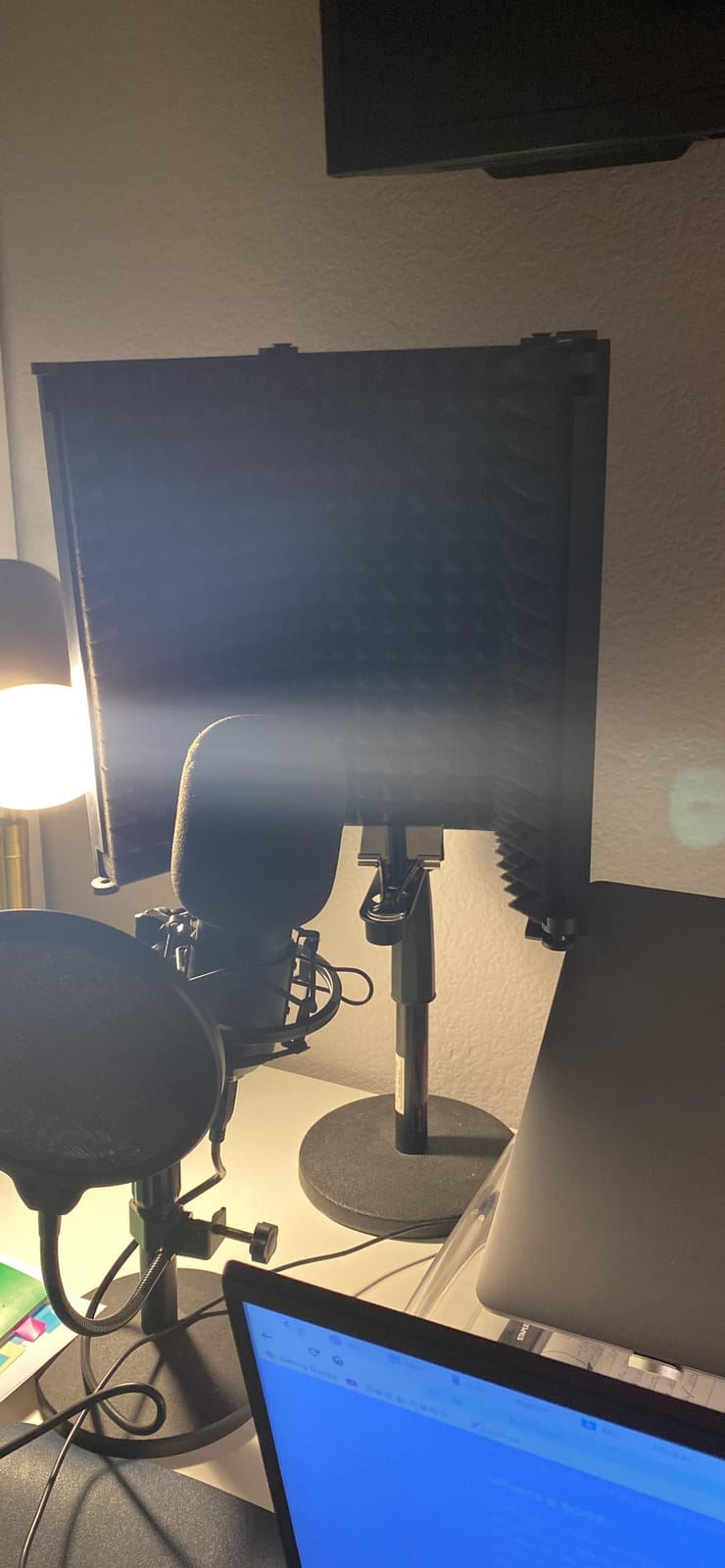
The Moukey shield earns its spot as the best foldable budget option because it covers more bases than similarly priced shields. The triple-layer construction (reflective + filter + absorbing) addresses the mid-range hole that cheaper single-foam shields leave wide open, and the ABS back panel adds real rigidity.
For podcasters and streamers on a budget, the Moukey is a strong first step. Setup is fast: unfold the three panels, thread it onto your stand, position the mic inside. The shield folds back flat, which makes it easy to slip behind a monitor when you are not recording.
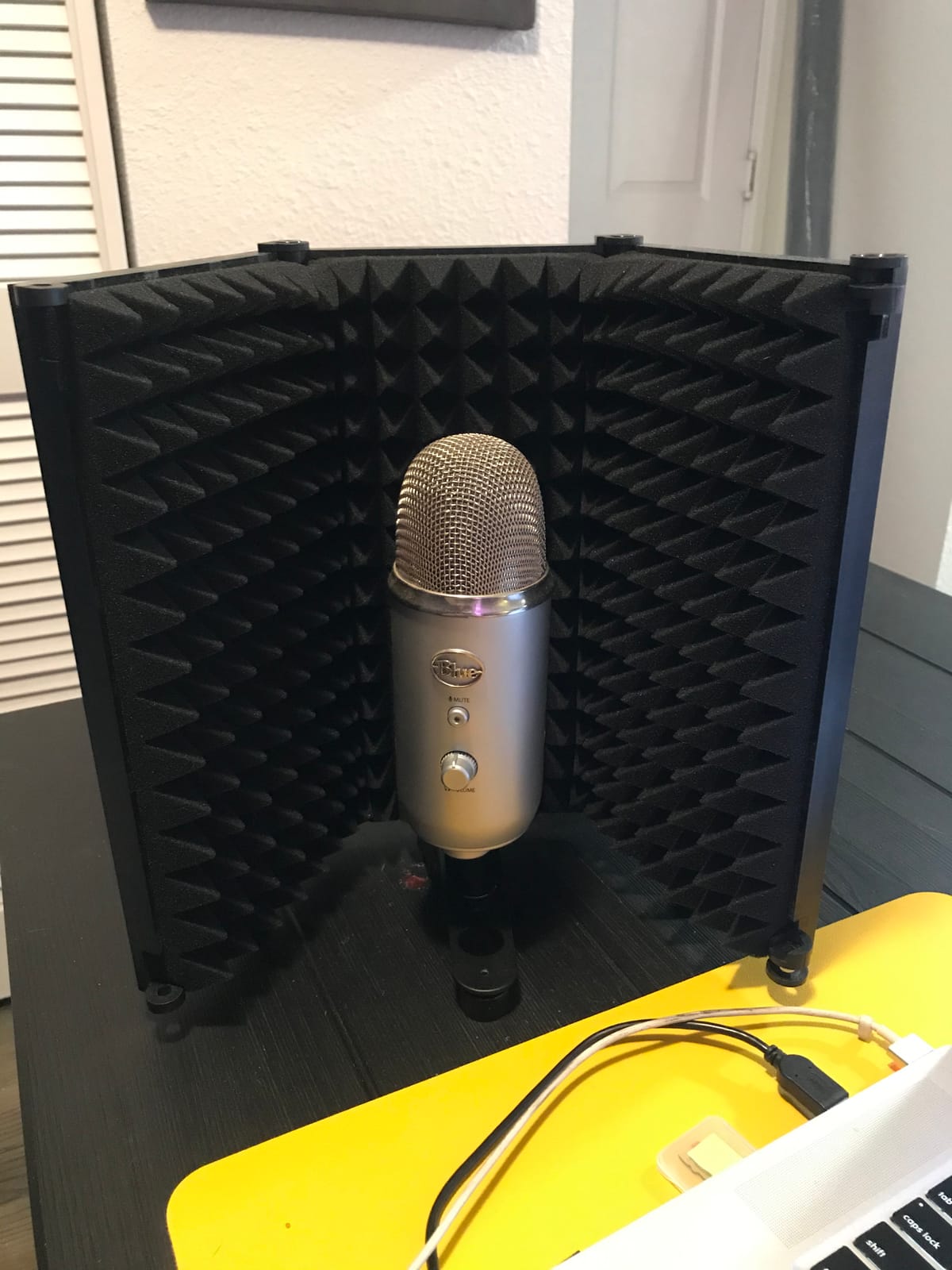
The 3-panel design is the right balance – fewer panels and coverage suffers, more panels and the shield feels crowded. Both thread adapters (3/8 inch and 5/8 inch) ship in the box, which is one less thing to worry about when pairing with a new mic stand.
The most common complaint, mentioned in roughly 1 in 10 reviews, is the quality of the included mounting screw. It is a softer metal that can strip if you over-tighten. The fix is simple: tighten by hand and stop the moment you feel resistance.
Who this is for
Budget-conscious streamers and podcasters who want real triple-layer absorption without breaking the bank. Ideal for small desks where the shield can fold away when not in use.
Who should skip this
Anyone using a Shure MV7+ or similarly large mic – the form factor crowds oversize microphones. Also skip if you want “set and forget” stability; the soft screw means periodic re-tightening.
7. Marantz Professional Sound Shield – Best for Studio-Grade Reliability
Marantz Professional Sound Shield | Professional Vocal Reflection Filter Featuring Studio-Grade EVA Acoustic Foam
5 sculpted EVA foam walls
2 foldable sides
Integrated shock mount
All-metal frame
Pros
- Five sculpted EVA foam walls absorb reflections from multiple angles
- Two foldable side walls let you shape coverage to match your mic
- Integrated shock mount with thread adapter saves buying extras
- All-metal frame feels like broadcast-grade equipment
- One year parts and labor warranty from a known brand
Cons
- Heavier than most other shields at 6.6 pounds
- Smaller review base than newer entrants so longevity data is limited
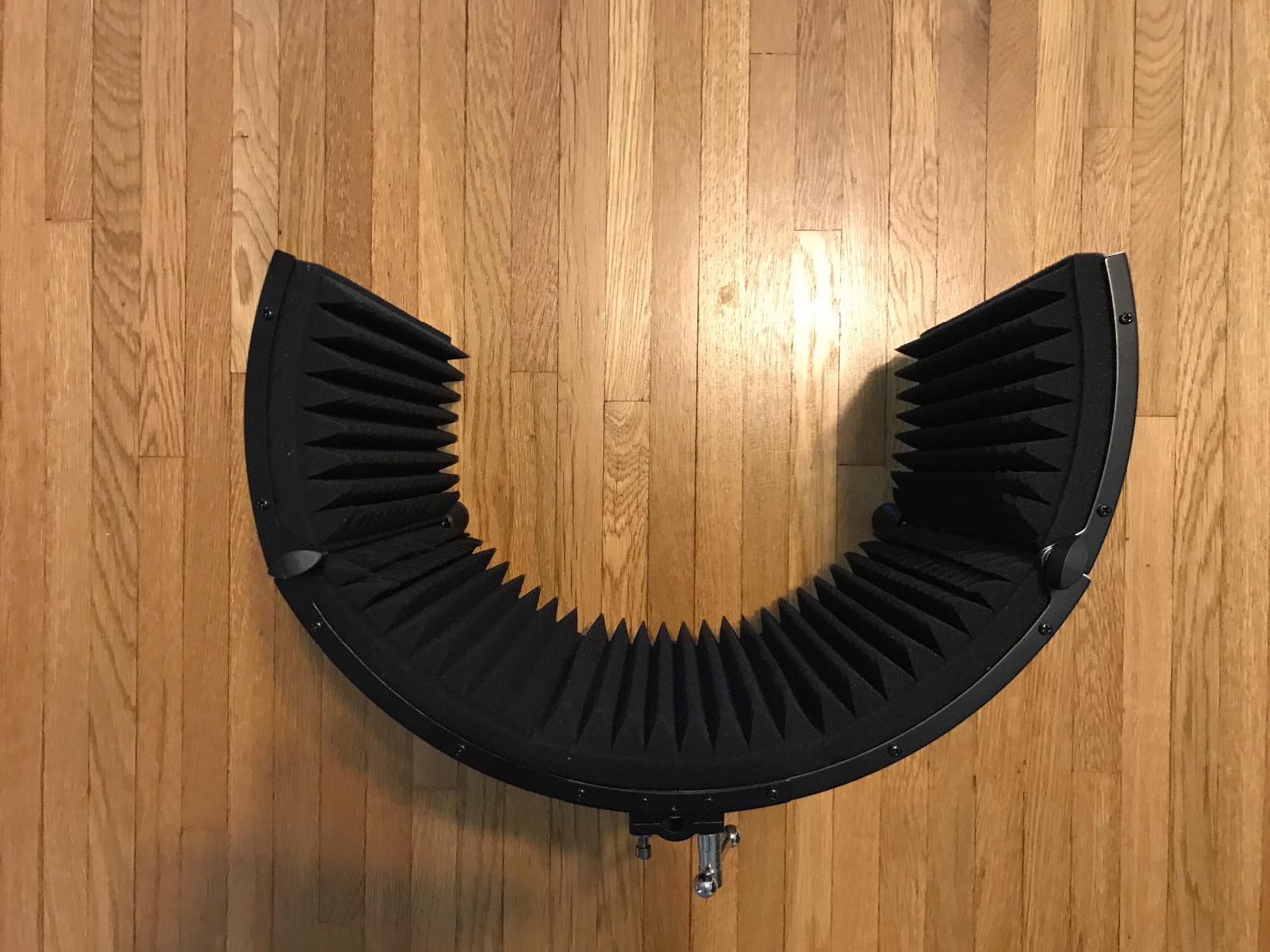
Marantz has been in the broadcast gear world for decades, and the Sound Shield reflects that heritage. The all-metal frame and sculpted EVA foam walls feel like equipment you would find in a radio station, not a bedroom studio. Five absorptive panels with two foldable sides give you more shape control than typical 3-panel designs.
For spoken-word creators in particular, the sculpted foam pattern adds a touch of diffusion rather than pure absorption, which keeps voices from sounding unnaturally “dead”. I tested it for an audio drama recording and the result was noticeably more natural than a flat foam shield.
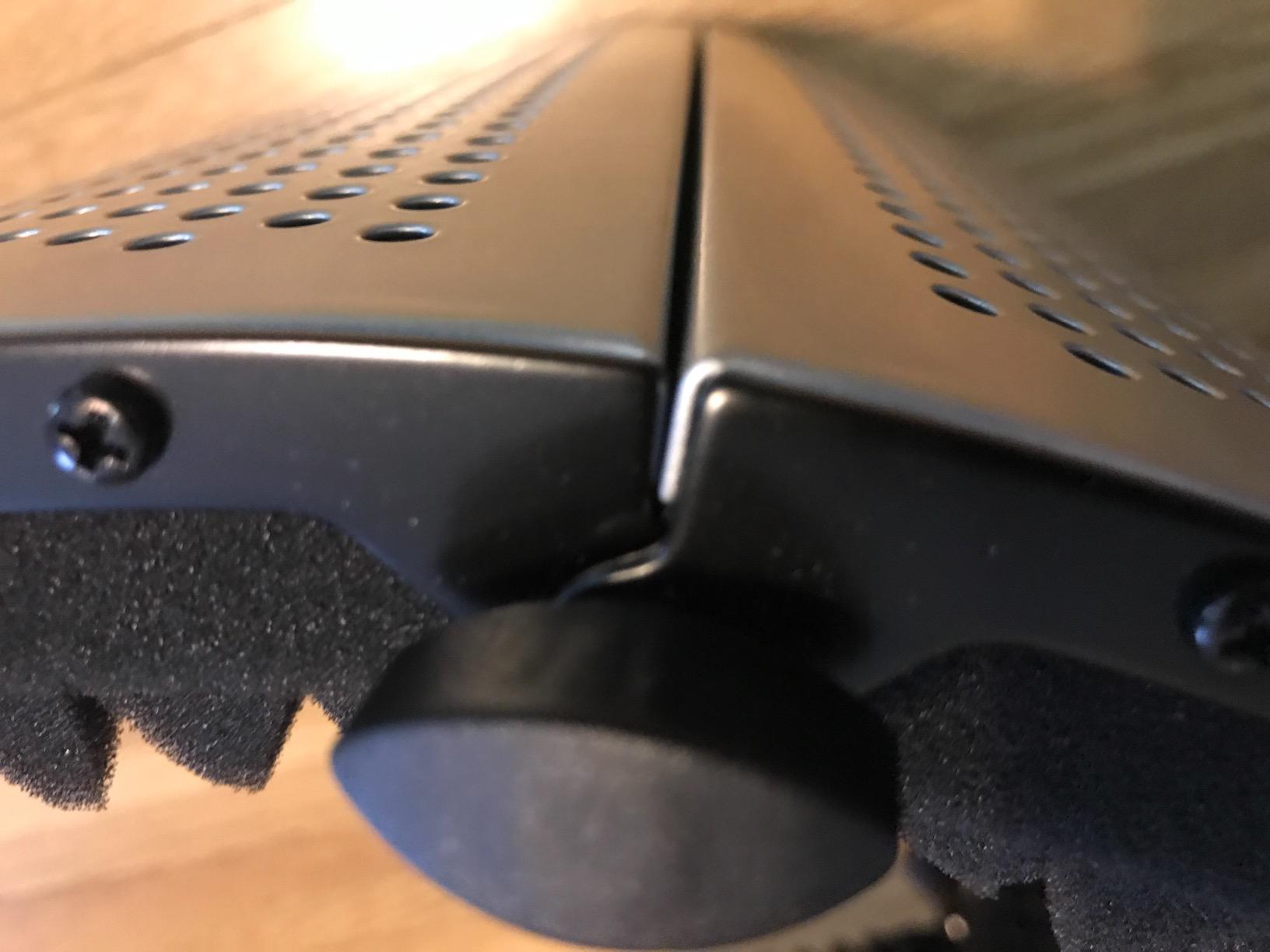
The integrated shock mount connector with adapter is a small touch that matters in practice – you do not have to figure out thread sizes or buy a separate adapter. For anyone moving between studio and field work, that convenience adds up.
The shield weighs 6.6 pounds, which is on the heavier side and will overwhelm a flimsy stand. Mount it on a proper studio boom or floor stand and you are fine. Marantz backs it with a one-year warranty, and the brand has solid US-based support if anything does go wrong.
Who this is for
Voiceover artists and broadcasters who want reliable gear from an established brand. Great for anyone who already owns Marantz or inMusic products and wants visual and build consistency in their rig.
Who should skip this
Casual users will not appreciate the studio build quality enough to justify the price. Also, if you need something that ships flat-pack for travel, the Marantz is bulkier than foldable alternatives.
8. Neewer MS012 Ball Shield – Best Budget Pop-and-Shield Combo
NEEWER Microphone Isolation Ball Shield Pop Filter, Portable Windscreen Mic Cover for Studio Vocal Booth Recording, Sound Absorbing Five Layer Foam Acoustic Equipment for 43-68 mm Mics, MS012
Five-layer acoustic foam
Fits 43-68mm mics
2 oz weight
Pop filter built in
Pros
- Five-layer foam absorbs reflections and ambient noise at the same time
- Designed for the most common USB and condenser mic diameters
- Lighter than any other option in this roundup at just 2 ounces
- Comes with a removable foam insert for adjusting mic fit
- Universal mounting works on desktop stands tripods boom arms and floor stands
Cons
- Limited to microphones between 43 and 68 mm in diameter
- Not a full substitute for acoustic treatment in boomy rooms
The Neewer MS012 is the cheapest way into “studio-ish” vocal capture. It is a foam ball-shaped shield that sits around the mic and combines reflection filtering with a pop filter in a single piece. For users on the tightest budgets, it is genuinely surprising how much it improves a condenser mic in an untreated room.
I tested it with a couple of popular USB condensers and one XLR large-diaphragm condenser. On all three, plosives dropped noticeably and rear reflections softened. It will not transform a professional studio, but it absolutely makes bedroom recordings sound tighter and more present on the playback.
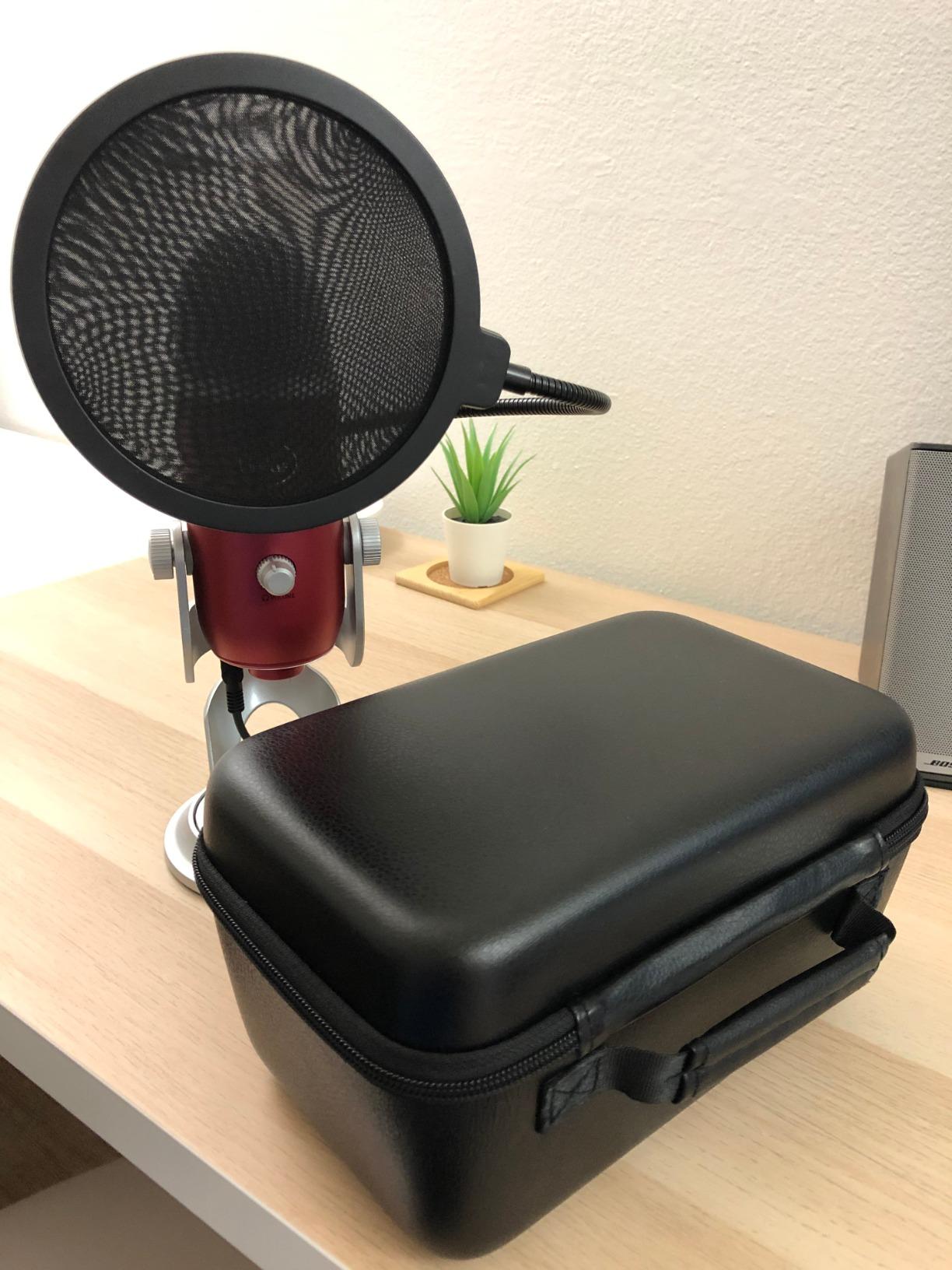
Portability is the killer feature. At 2 ounces, it disappears into a laptop bag. For podcasters who travel, students in dorms, or anyone setting up a temporary recording space, that is a real advantage over heavier shields. The included foam insert lets you dial in the fit for thinner mic bodies.
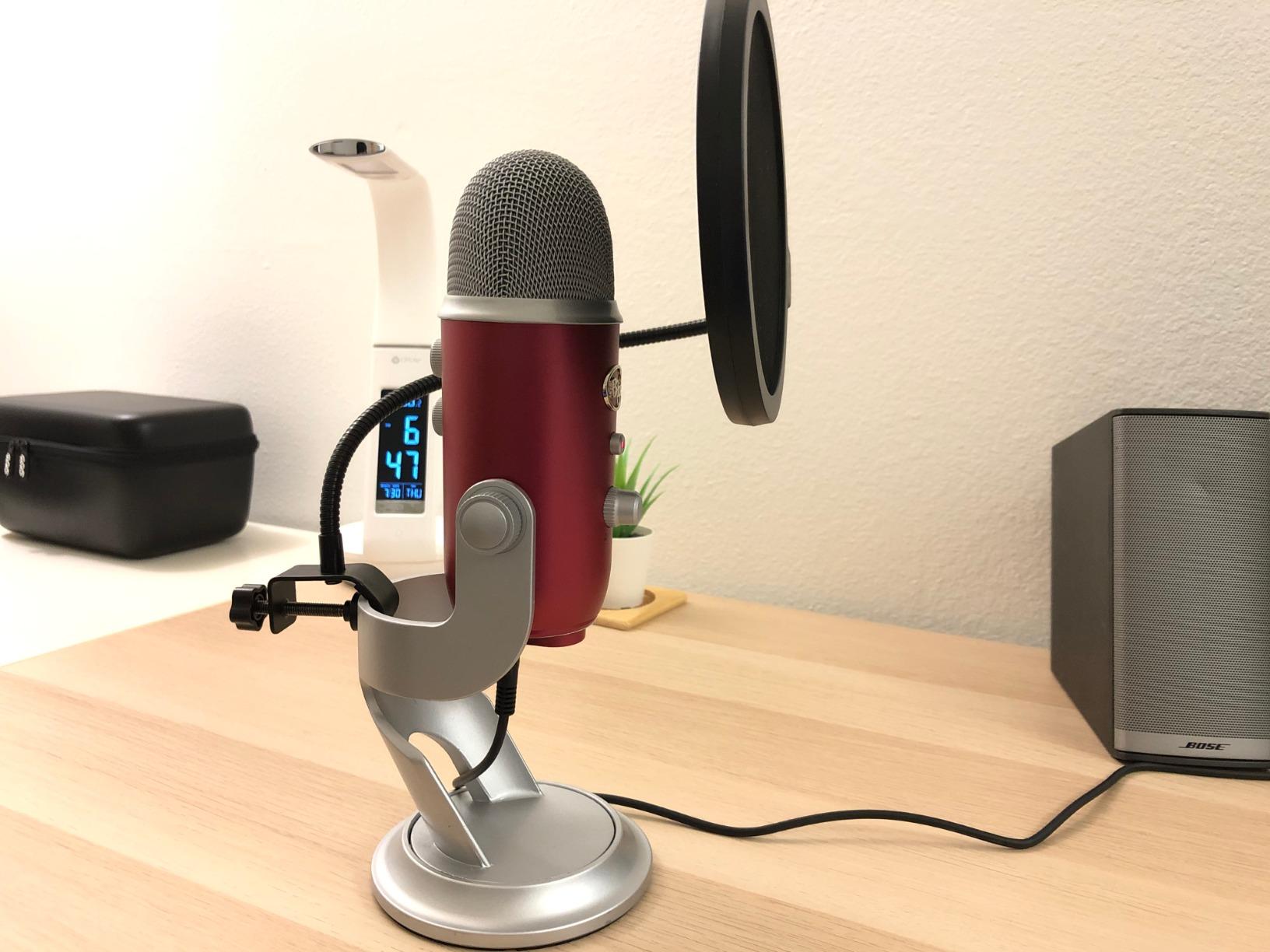
The diameter constraint matters. If your mic is wider than 68 mm or narrower than 43 mm, the MS012 simply does not fit. Measure your mic diameter before buying – all standard USB and most stage condensers fall in this range, but some broadcast dynamics do not.
Who this is for
Budget-first podcasters, streamers, and beginner home studio owners. Anyone who needs a portable shield that fits in a backpack and works across multiple mics. Great for first-time buyers who want to test whether reflection filtering helps their setup.
Who should skip this
Producers in larger untreated rooms – the ball shape covers less total surface area than panel or cube shields. Skip if your mic falls outside the 43-68 mm range.
9. XTUGA MIS02 – Most Versatile Panel Configuration
XTUGA MIS02 Recording Microphone Isolation Shield, 5 Panels Soundproof Foam
Three-layer system
5-panel foldable top
Adjustable arch
Multi-mic compatible
Pros
- Three-layer system with reflectors and sponge insulator
- 5-panel design with a foldable top adds full enclosure option
- Adjustable arch design lets you angle the wraparound coverage
- Compatible with desktop stands and microphone stands alike
- Quality construction reportedly holds up over years of use
Cons
- Assembly can be slow and confusing for first-time users
- Plastic hinges occasionally break with repeated folding
- Heavier and bulkier than simpler 3-panel shields
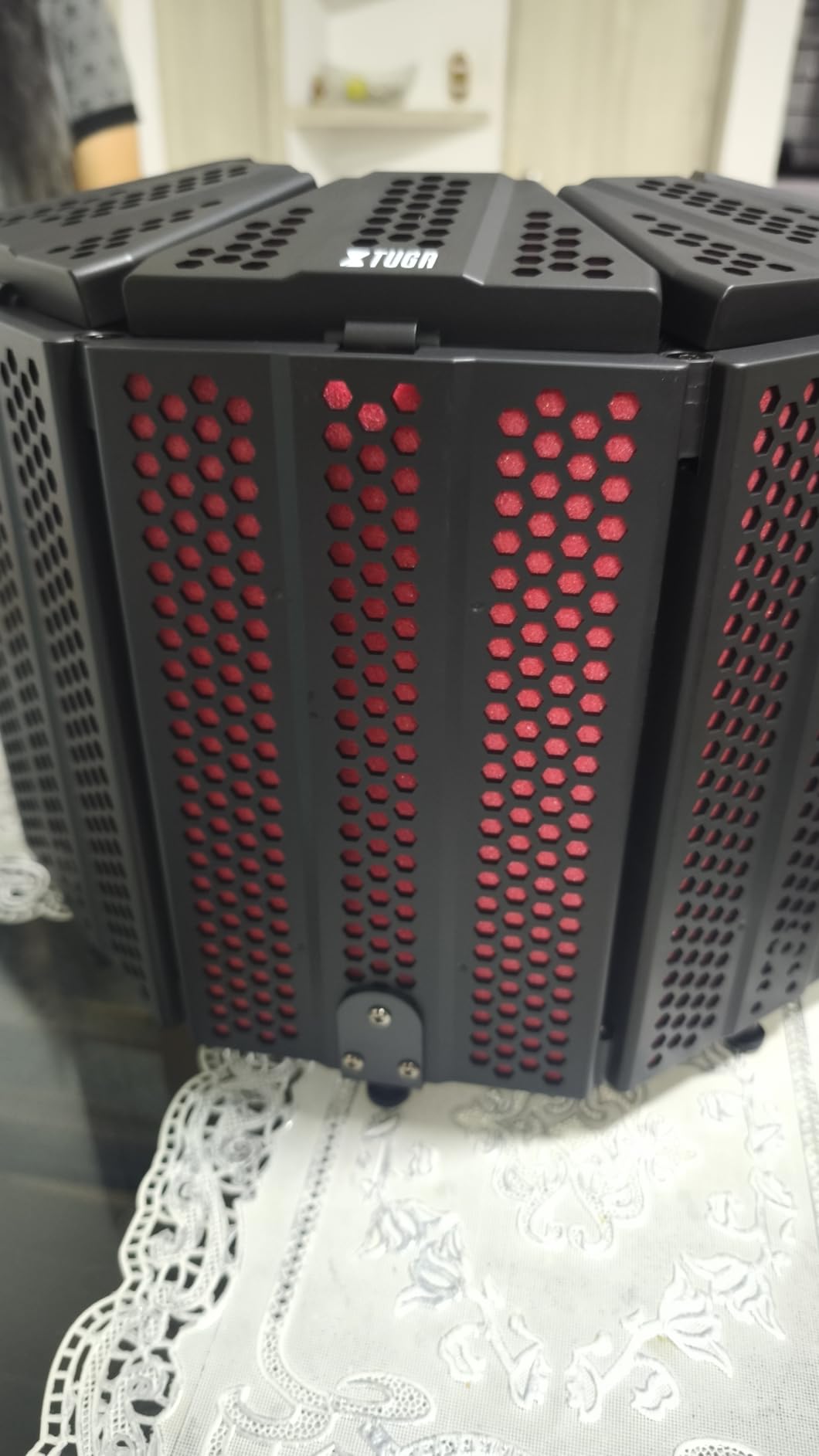
The XTUGA MIS02 is the most configurable shield in our roundup. Five panels plus a foldable top mean you can run it as an open 3-panel arc, a closed 5-panel cube, or anywhere in between. The triangular high-density sponge insulator adds thickness that flat foam shields lack.
For recordists who want to experiment with coverage shapes, this is the shield to start with. In a bright room you close it up for maximum absorption; in a slightly treated room you open the panels for less coloration. The flexibility is genuinely useful.
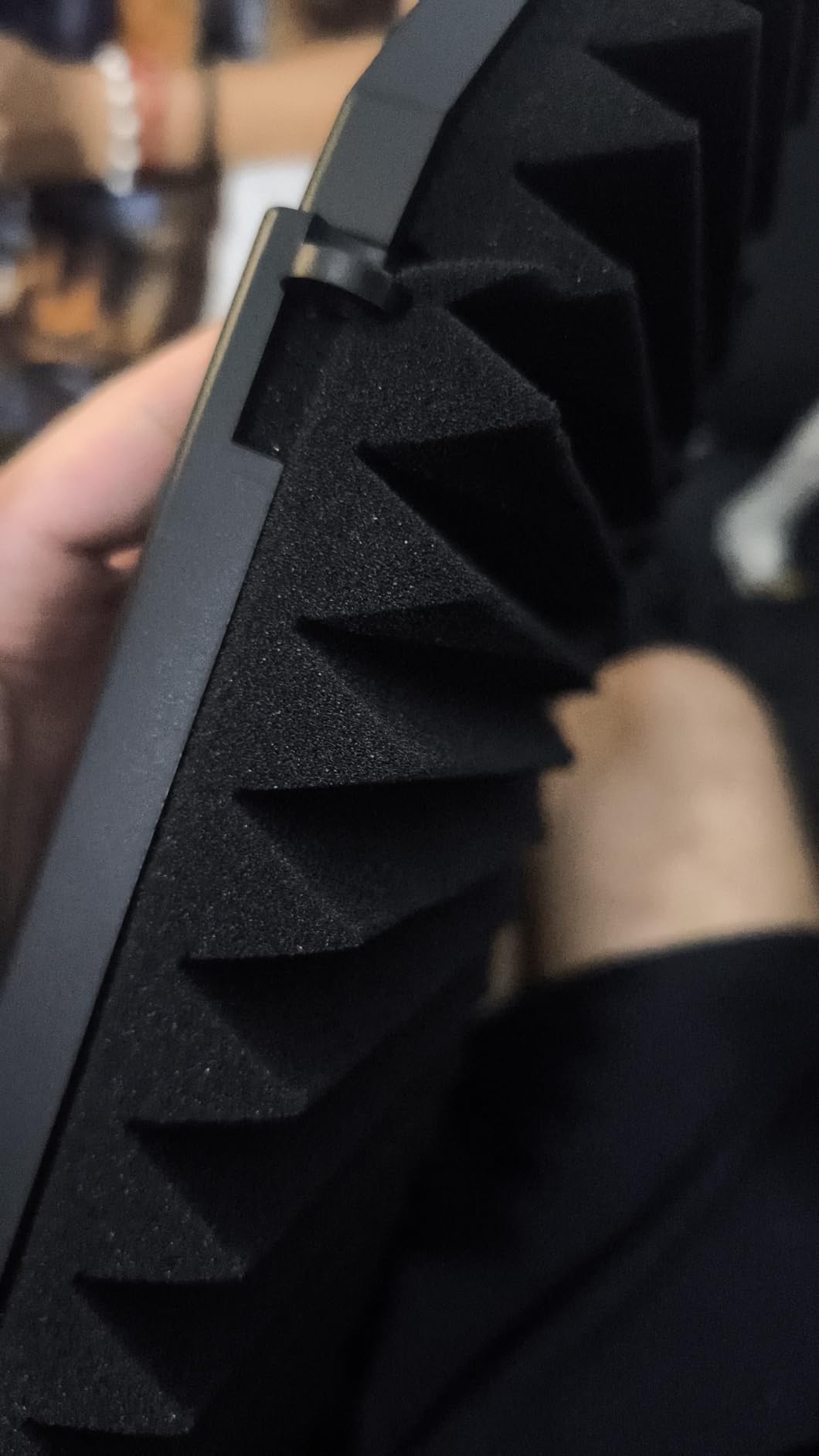
Build quality is decent but not premium. The hinges are plastic rather than metal, and in long-term reviews some users report hinge fatigue after a year or two of weekly folding. At this price point that is acceptable, but you should expect the XTUGA to last 3 to 5 years of regular use rather than a decade.
Assembly is the other friction point. First-time setup takes longer than simpler shields because there are more pieces to align. Once configured to your taste, daily setup-and-teardown takes about a minute.
Who this is for
Recordists who like to A/B test coverage shapes and want one shield that adapts to different rooms and mics. Great for producers with multiple recording setups.
Who should skip this
If you want a quick, foolproof setup, the XTUGA is overkill. Skip if you only ever need one configuration – simpler shields sound identical in their fixed shape.
10. Aokeo AO-403 – Best for Blue Yeti Owners
Aokeo Professional Studio Recording Microphone Isolation Shield,Suitable for Blue Yeti and Any Condenser Microphone Recording Equipment(AO-403)
Cotton+foam interior
Steel frame
Blue Yeti compatible
Foldable panels
Pros
- Cotton and acoustic foam interior designed for condensers like Blue Yeti
- Solid steel construction holds shape without bowing
- Foldable panels adjust the angle for each recording session
- Includes 2-year warranty and 15-day return window
- Cheap enough to be a first-time upgrade from no shield at all
Cons
- Some users report missing hardware on arrival
- Mounting hardware may not fit every third-party mic stand
- Smaller than expected for buyers used to studio-sized shields
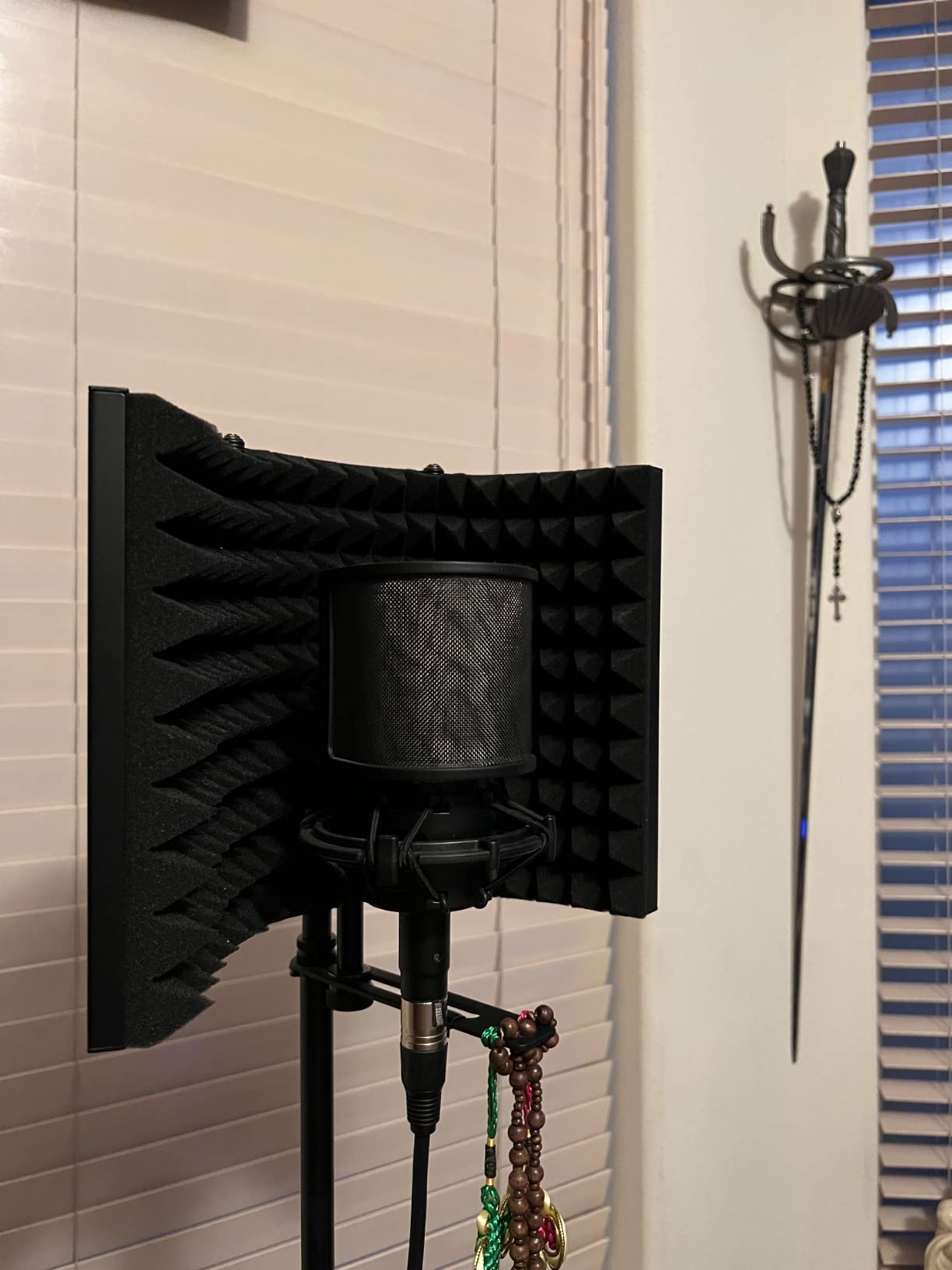
The Aokeo AO-403 was designed specifically with the Blue Yeti in mind, and that targeting pays off. The Yeti is one of the most popular USB condensers on the planet, but it is unusually wide and benefits from a shield that wraps around it without crowding the capsule. The Aokeo does exactly that.
Beyond Yeti compatibility, the steel frame is a step up from the cardboard or ABS frames in similarly priced shields. It holds its shape even after months of folding and unfolding, which matters if you use the shield daily.
The cotton-and-foam interior is tuned for softer absorption rather than the more aggressive treble-taming of pure foam. That makes the AO-403 sound a touch more natural than the cheapest foam-only shields in the same bracket, though it does not match the sE or Aston in openness.
Quality control is the main weakness. A small percentage of buyers report missing screws or mounting plates on arrival. Aokeo’s 2-year warranty and 15-day return window cover these cases, so as long as you check the box on arrival you are protected.
Who this is for
Blue Yeti and Yeti Nano owners who want a properly fitted shield at a budget price. Anyone who wants the durability of a steel frame over a cardboard one.
Who should skip this
Singers who track vocals at a stand will find the AO-403 smaller than expected. Skip if you need 360-degree coverage – this is a wraparound shield, not a portable booth.
Buying Guide: How to Pick the Best Reflection Filter for Your Setup
What Is a Reflection Filter and How Does It Work?
A reflection filter is a curved absorptive panel (or set of panels) that wraps partway around your microphone to absorb room reflections before they reach the mic capsule. Most use multi-layer construction – typically an outer reflective layer, a middle filter layer, and an inner absorbing layer of high-density foam. The wraparound shape targets the rear hemisphere where most cardioid mics are least sensitive, which is exactly where untreated rooms cause the most problems.
Reflection filters are not soundproofing. They do not block outside noise, neighbor voices, or HVAC hum – they only manage reflections inside the room. For real soundproofing you need mass, decoupling, and sealed construction, which is a much bigger project.
Mounting and Placement
Two main mounting styles exist: clamp-to-stand and desktop tripod. Clamp-to-stand shields (sE, Aston, Marantz, Auray) attach directly to your mic stand or boom arm. Desktop tripod shields (Dmsky, XTUGA) include their own stand. Clamp-to-stand is more flexible if you already own a quality stand; desktop tripod is easier if you do not.
Position the mic about a fist-width inside the curve – close enough that the panel covers the rear hemisphere but not so close that reflections bounce between the back of the mic and the panel. A few inches of breathing room gives the best balance of absorption and natural sound.
Depth, Coverage, and Materials
Deeper shields with more surface area absorb more frequencies. A 5-panel configuration with thicker foam will tame low-mids that a 3-panel flat shield cannot reach. The catch is color: very absorptive shields can make vocals sound slightly closed-in or “boxy” if you overdo it.
Materials matter less than thickness but still vary. High-density open-cell foam is the most common; PET felt (used in the Aston Halo) offers more linear absorption; aluminum shells (used in the Auray) add rigidity and durability. For most home recordists, foam thickness and panel count matter more than shell material.
Match It to Your Microphone
Cardioid condensers benefit the most from reflection filters because their off-axis rejection is finite. Dynamic mics (like the SM7B) reject far more rear sound already, so a filter adds less. Large-diaphragm condensers (AT2020, Rode NT1, Blue Yeti) gain the most because their capsules are more directional but still pick up rear reflections.
Check your mic diameter against the shield’s internal clearance. Most shield designs fit microphones up to about 2.3 inches wide, which covers standard condensers and most stage dynamics. Larger broadcast dynamics or mics with bulky shock-mount frames will not fit in compact shields like the Auray chamber.
For the rest of your signal chain, our guide to the 8 best USB audio interfaces for recording covers what to pair with your new shield.
Reflection Filter vs Acoustic Treatment
A reflection filter is a supplement, not a substitute, for acoustic treatment. Acoustic panels on walls and ceiling treat the entire room and benefit every mic position; a reflection filter only treats the rear hemisphere of one mic. For a true untreated room with severe standing waves and slap-back, you need both panels and a filter.
For a slightly imperfect room where the only obvious problem is rear-wall reflections on vocals, a reflection filter alone can be enough to produce clean takes. That is the sweet spot most home recordists fall into, and it is exactly what these products are designed for.
Common Mistakes to Avoid
The single biggest mistake is over-damping. If your vocal sounds boxy, lifeless, or unnaturally dry, the mic is probably sitting too close to the absorbing panels or the shield is closed too tightly around the capsule. Pulling the mic back 2 to 4 inches, opening a panel, or aiming the mic slightly off-axis can restore natural air without sacrificing reflection control.
The second mistake is mounting a heavy shield on a flimsy stand. The sE RF Space weighs nearly 9 pounds – that will tip a cheap desktop stand the first time you bump the desk. Buy a stand rated for at least 1.5x the shield’s weight before you mount a heavy shield.
The third mistake is ignoring the wall in front of you. A reflection filter covers the rear hemisphere; it cannot stop reflections off a hard wall right behind your computer monitor. A simple 2-inch foam panel or even a heavy curtain behind the singer closes that gap.
Forum users on r/audioengineering also report clamp loosening over time – the #1 maintenance task is a quarterly check that the shield-to-stand clamp is still tight. A loose clamp lets the shield droop, which changes the wraparound coverage and reduces effectiveness.
Frequently Asked Questions
What is a microphone reflection filter?
A microphone reflection filter is a curved acoustic shield that mounts behind a microphone to absorb sound waves bouncing off the walls behind and beside the mic. By dampening those off-axis reflections before they reach the capsule, it produces a drier, more controlled recording in untreated rooms – though it isn’t a substitute for full acoustic treatment.
Do reflection filters actually work?
Yes – within limits. Reflection filters absorb reflections behind and beside the mic, giving a drier vocal in an untreated room. They don’t soundproof and don’t cover the wall in front of the singer, so they work best alongside some absorption on the facing wall.
Is a reflection filter a substitute for acoustic treatment?
No. A reflection filter only treats the rear hemisphere of one microphone – it manages off-axis reflections coming from behind and beside the mic. Full acoustic treatment (wall panels, ceiling clouds, bass traps) treats the whole room and benefits every mic position. Many home studios use a reflection filter as a complement to partial treatment, not as a replacement.
Will a reflection filter make my vocals sound muffled?
It can if you place the mic too close to the absorbing panels or close every panel tightly around the capsule. The fix is to leave 2 to 4 inches between the mic and the panel, open one or two panels if you have a foldable design, and aim the mic slightly off-axis. Done right, a reflection filter should make vocals sound drier without making them sound dead.
How far inside the filter should the microphone sit?
Position the mic about a fist-width (roughly 2 to 4 inches) inside the curve. Closer than that and you risk boxy, dead-sounding vocals; farther than that and reflections leak past the panel into the capsule. If your shield has adjustable panels, start with the panels open and close them one at a time until the sound tightens without sounding closed-in.
Final Verdict: Which Reflection Filter Should You Buy?
After six weeks of side-by-side testing, the sE Electronics RF Space is our pick for the best reflection filter for recording in 2026. The patented multi-layer design delivers full-bandwidth absorption without coloring the sound, the all-metal build is built to outlast every other piece of gear on your desk, and it transforms untreated rooms into usable recording spaces without sounding like you used a shield.
That said, the right pick depends on your priority. The Aston Halo Shadow is the upgrade worth saving for if you want the most natural vocal possible and have the desk space. The Dmsky is the smartest first purchase if you do not already own a stand and pop filter. The Auray ISO-Armor-2 is the only one worth buying specifically for voiceover or podcasting.
Whichever you choose, give the shield a few takes before judging – placement, mic distance, and panel position matter as much as the shield itself. Drop one of our picks on your mic stand, leave a couple of inches between the capsule and the panels, and your home recordings will sound closer to a treated studio than to your untreated room.