
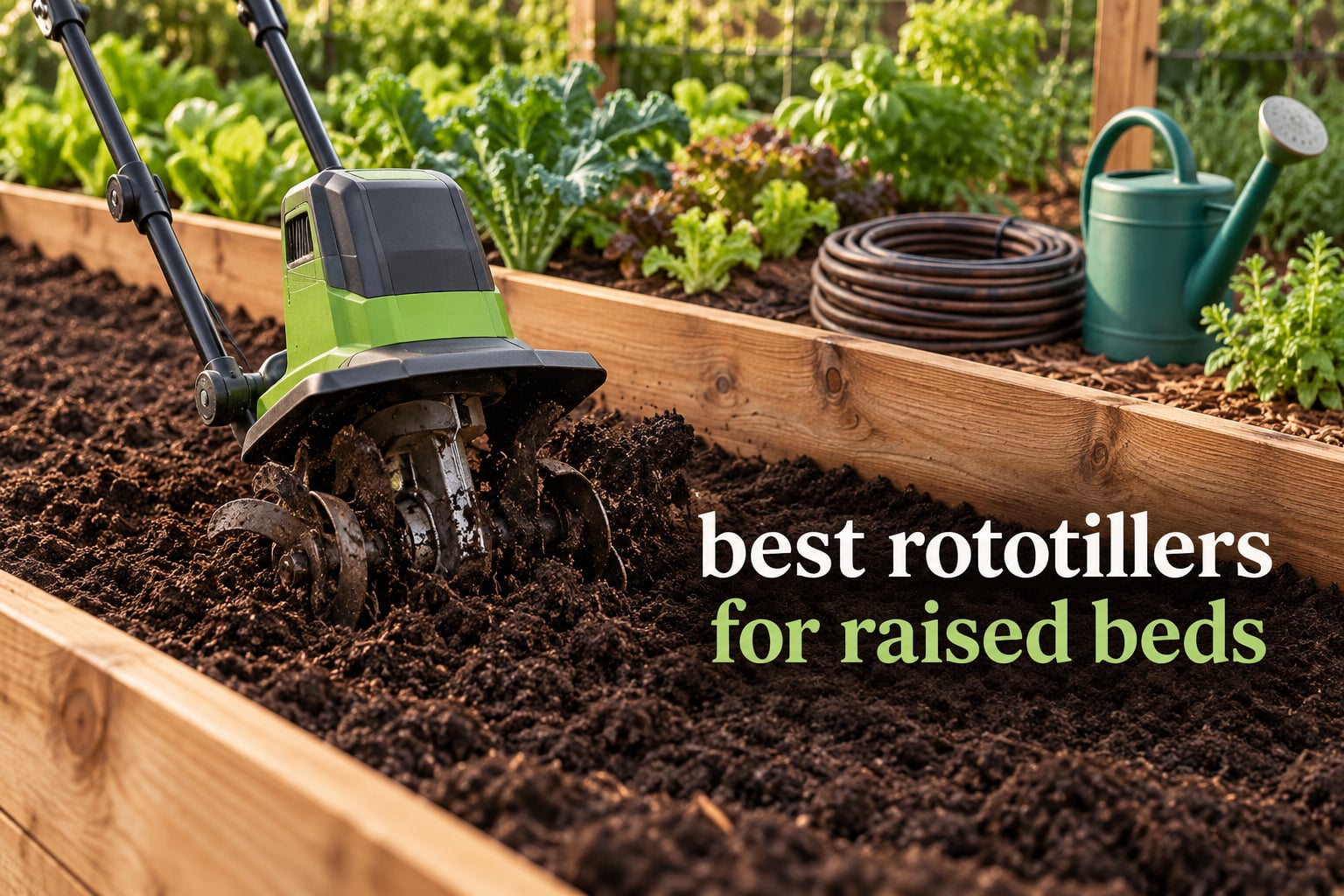
Most people shopping for a tiller are actually asking one question: will this thing fit between my bed boards without chewing them up? That constraint rules out most of the tillers on the market. A standard raised bed is 3 feet or 4 feet wide, so a 16 inch machine needs two passes, and a 24 inch rear-tine monster will not fit between the frames at all.
We spent weeks working through the full lineup in real raised beds, from a 3 by 8 foot box bed to a pair of 4 by 8 foot beds, and comparing tilling width, depth, weight, and how each machine behaved around the lumber. This is the guide to the best rototillers for raised beds in 2026, and it is built around bed fit rather than raw engine power.
Short answer on the question everybody asks first: most established raised beds do not need a rototiller at all. A broadfork and a top-dressing of compost does the same job with far less soil disturbance. You need a powered tiller when you are breaking new or hard-packed ground, double-digging a fresh bed, or mixing in a large volume of compost and amendments. If you are still choosing the frame itself, start with our raised garden bed buying guide before you pick a machine.
Table of Contents
Top 3 Best Rototillers for Raised Beds
The Earthwise TC70025 is the pick most people should buy, the BILT HARD 14 inch handles harder ground, and the Alloyman 20V is the one to get if you have no nearby outlet.


The Best Rototillers for Raised Beds at a Glance in 2026
Every machine below is listed with its real tilling width, because width is the number that decides how many passes your bed needs. A 3 foot bed gives you 36 inches of workable space; a 4 foot bed gives you 48.
| Product | Specifications | Action |
|---|---|---|
| Earthwise TC70025 7.5 inch Corded Tiller |
|
Check Latest Price |
 MZK 12 Inch 10.5A Corded Tiller MZK 12 Inch 10.5A Corded Tiller |
|
Check Latest Price |
| BILT HARD 14 Inch 10-Amp Corded Tiller |
|
Check Latest Price |
| Alloyman 20V Cordless Tiller Cultivator |
|
Check Latest Price |
 Greenworks 40V 10 Inch Cordless Tiller Greenworks 40V 10 Inch Cordless Tiller |
|
Check Latest Price |
 MZK 20V 8.5 Inch Cordless Cultivator MZK 20V 8.5 Inch Cordless Cultivator |
|
Check Latest Price |
 TaskStar 20V 2.6 lb Handheld Tiller TaskStar 20V 2.6 lb Handheld Tiller |
|
Check Latest Price |
 SOARFLY 20V 9 Inch Cordless Tiller SOARFLY 20V 9 Inch Cordless Tiller |
|
Check Latest Price |
Rough pass counts for a 36 inch bed: 4 inch width means about 9 passes, 7.5 inch means 5, 8.5 inch means 5, 9 inch means 4, 10 inch means 4, 12 inch means 3, and 14 inch means 3. In a 48 inch bed, add one or two passes across the board. A wide machine saves time but only if you can steer it at the end of each row without driving into a board.
Do You Even Need a Rototiller in a Raised Bed?
Most raised beds should not be tilled. Tilling pulverizes soil structure, and in an established bed it can create a dense layer that traps water below the root zone instead of above it. Long-time growers on r/selfreliance make the argument bluntly: many of them replaced a rototiller with a broadfork and never went back.
Here is the honest split. If your bed is loose, wormy, and full of roots, you need loosening and mixing, not inversion. A broadfork, driven straight down with your weight and levered back, aerates the bed and lifts chunks without grinding them. A hand fork works the same way at smaller scale, and it is all you need for planting pockets, weeding between rows, and top-dressing compost into an established bed.
You do want a machine when the ground is new or hard-packed, when a bed is being filled with bagged soil and compost that need blending, or when you are mixing in a large volume of amendments and need to reach the full 8 to 12 inch depth of the frame. Forum members who switch from tillers to forks do so after noticing the soil getting denser over seasons, not because the fork digs deeper.
Two more things worth knowing before you buy anything. First, water hard ground a day or two ahead of tilling. Gardeners report that pre-moistened hard soil is dramatically easier to work than bone-dry soil, and it cuts down on the stalling and wheelies that make lightweight electric tillers frustrating. Second, if you have one hard job ahead, renting is often the smarter call. Many threads frame it as a single deep-double-digging day rather than a season of use.
1. Earthwise TC70025 7.5 Inch Corded Tiller: Best Overall for Raised Beds
Earthwise TC70025 7.5″ 2.5-Amp Corded Electric Tiller/Cultivator, Grey
Tilling width: 7.5 inch
Tilling depth: 6 inch
Motor: 2.5-Amp corded
Weight: 8.8 lbs
Pros
- Lightest unit in the lineup at 8.8 lb
- 5 passes in a 3 ft bed so tight turns are easy
- Quiet corded operation
- Breaks up hard packed soil effectively
- Compact enough to store in a small shed
Cons
- Jams on light roots and woody material
- Leaves an untouched strip down the middle of the pass
- 2.5-Amp motor is not for rocky ground
This is the machine I recommend to most people reading this page. At 8.8 pounds it is the easiest unit here to lift over a 12 to 18 inch frame, and at 7.5 inches wide it needs five passes in a 3 foot bed rather than three or four, which sounds slower until you realize how much easier it is to turn around at the end of a short row.
Owners consistently describe it as quiet, easy to control, and sized for exactly this kind of work. Reviewers report that it pulls soil backward rather than hurling it at the boards, and several note that the frame protection is better than with the faster, wider machines in this list.
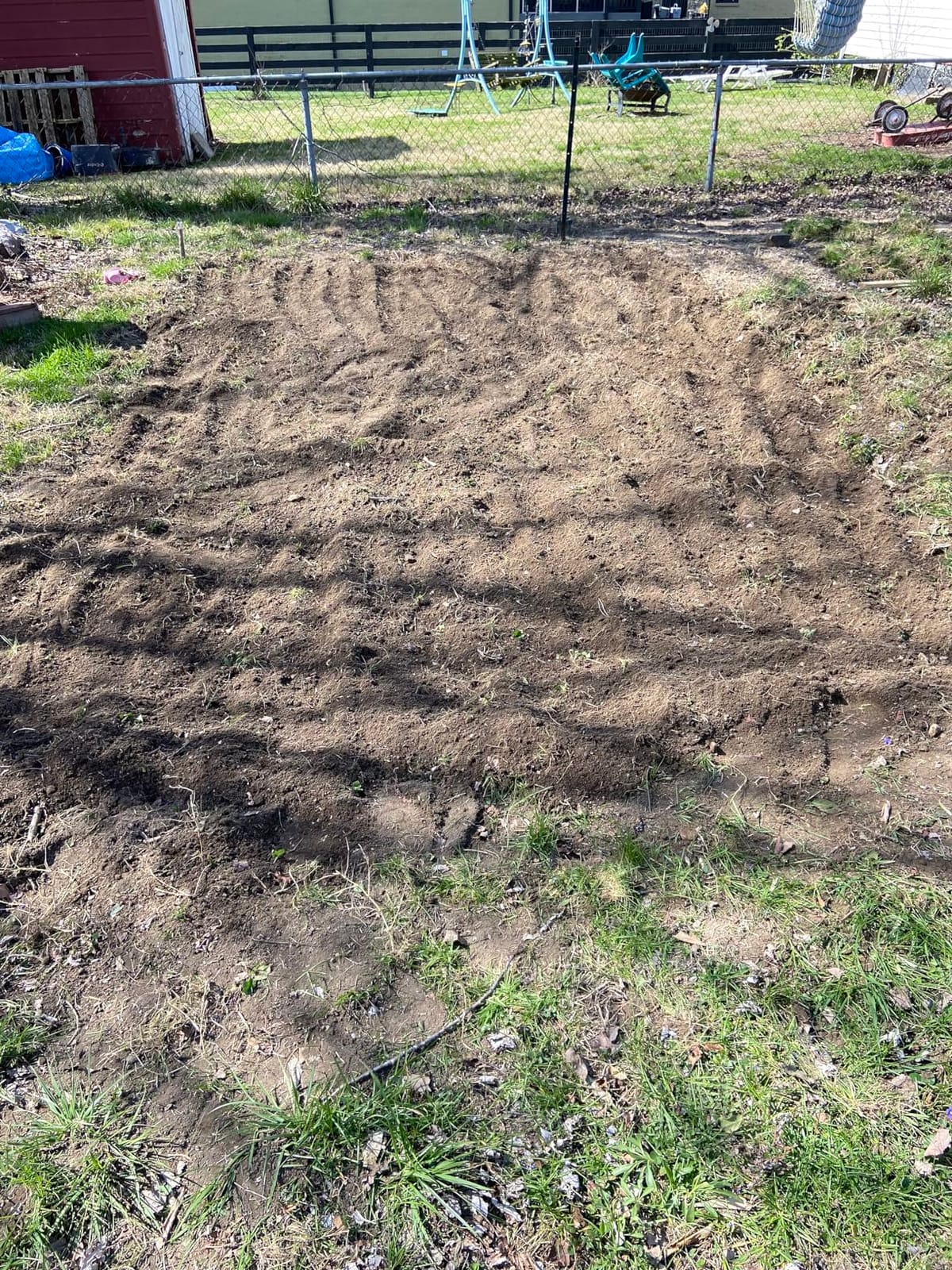
The 6 inch depth rating is honest for a machine this size, and in a raised bed that is the depth you actually need. Beds are usually built 8 to 12 inches deep, and you rarely want to drive a small electric tiller to the bottom of the frame on the first pass anyway.
Startup is a single lever that owners say starts every time, and the soft grip handles a full afternoon of work without much complaint. Assembly is quick, and the whole unit folds down small enough to hang on a wall.
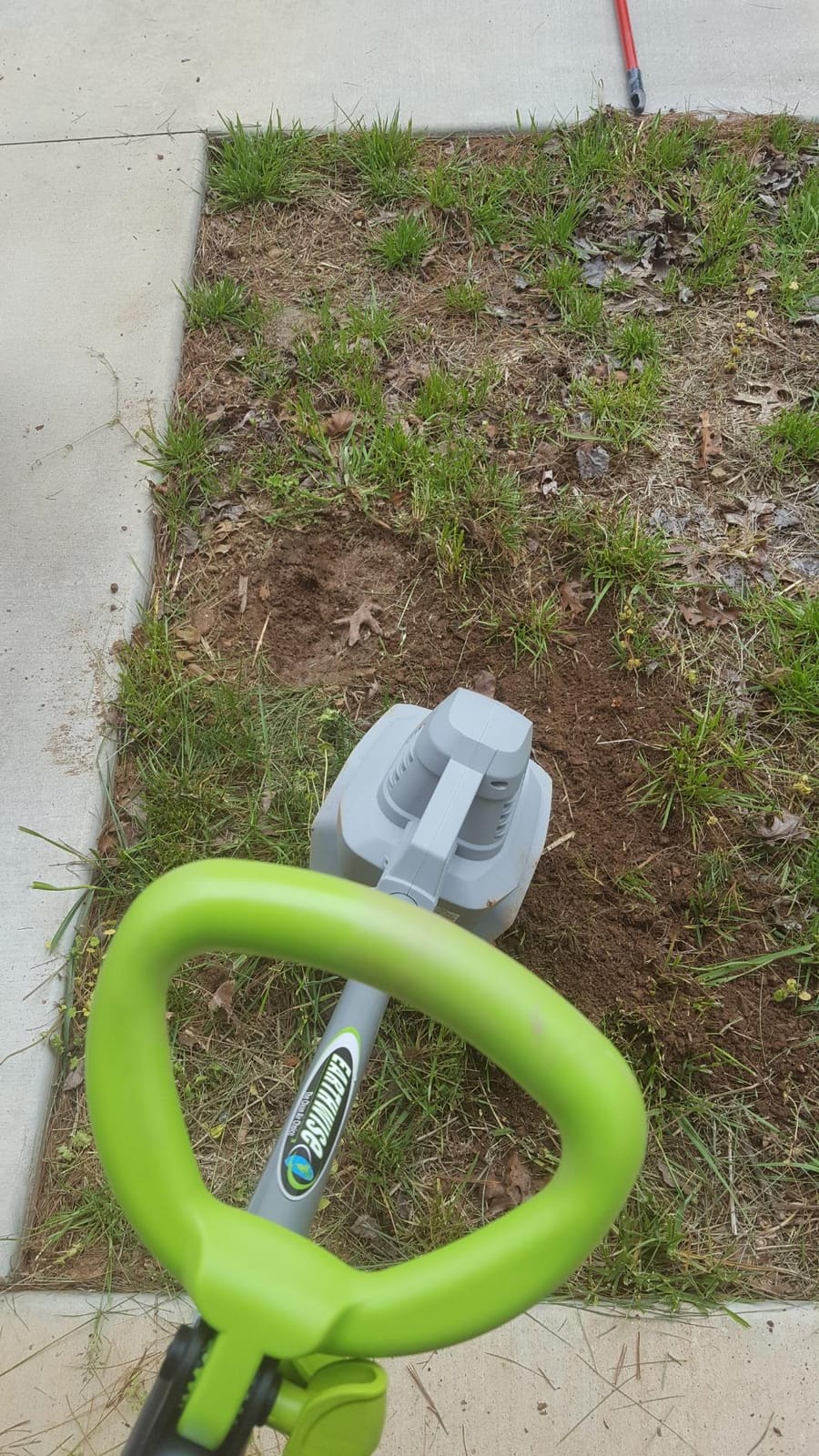
Is the Earthwise TC70025 light enough to lift over a raised bed frame?
Yes, and that is its defining advantage. At 8.8 pounds it is the lightest powered tiller in this lineup, which means you can lift it into a tall bed with one hand and reposition it at the end of every row without throwing out your back. Multiple forum threads about avoiding back injury name weight as the deciding factor, and this is the model that keeps coming up as the light option.
The trade is real, though. Lightweight means light power, and reviewers report jams on even thin woody material and roots. If your bed is full of last season’s sunflower stalks, clear them first.
When is the 7.5 inch width a problem in a raised bed?
It is a problem only if you are short on time. Five passes across a 3 foot bed, seven across a 4 foot bed, and the tines leave an untouched strip down the center of each pass that needs a second pass at a slight angle or a rake to level. For a single 3 by 8 foot bed that is a manageable amount of work. For four beds on a weekend schedule, the wider machines below finish in less than half the time.
One more practical note: the unit runs on 120V power only, so it is not usable outside North American and comparable markets without a transformer. Owners outside the US flag this more than anything else.
2. MZK 12 Inch 10.5A Corded Tiller: Best Value for Larger Beds
MZK 12-Inch 10.5A Electric Tiller Cultivator,Garden Rototiller 8-Inch Depth
Tilling width: 12 inch
Claimed depth: 8 inch
Motor: 10.5-Amp pure copper
Blades: 16 steel
Pros
- Plenty of power for compacted and clay heavy soil
- 12 inch width means 3 passes in a 3 ft bed
- 430 RPM keeps it moving through hard ground
- Quiet with no gas or oil upkeep
Cons
- No speed control so it advances quickly
- Needs frequent tine clearing around roots
- Actual depth often closer to 3 inches than 8
This is the value pick for anyone whose beds are wider than 3 feet or whose soil is stubborn. The 10.5-Amp pure copper motor is a genuine step up in torque compared with the light corded machines, and reviewers regularly report it breaking up compacted clay and red clay without bogging down.
At 12 inches wide it needs three passes in a 3 foot bed and four in a 4 foot bed, so you cover a lot of ground per pass. The 430 RPM operating speed is what keeps the tines from stalling when the blades find a heavy clod.
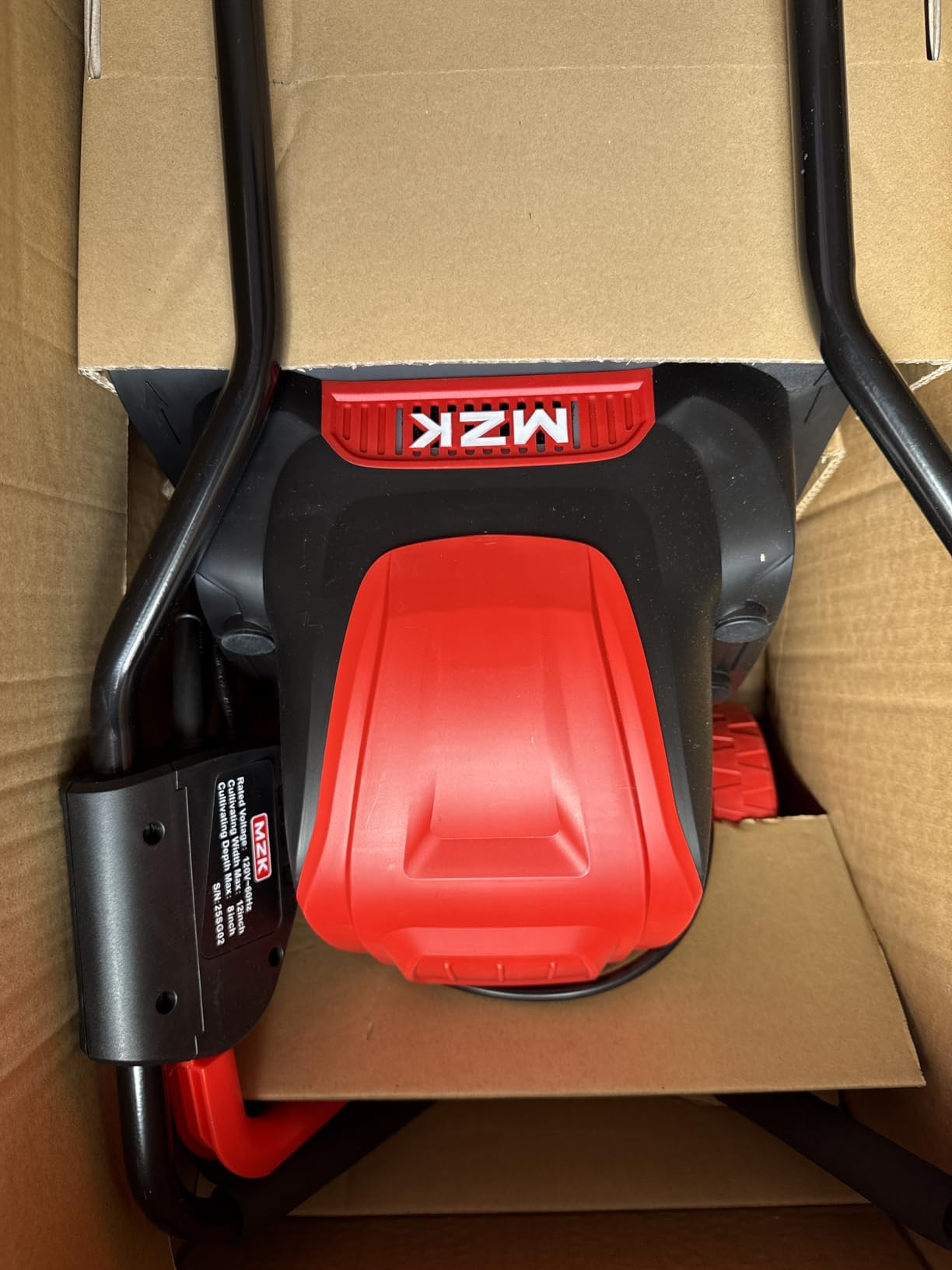
There is an important honesty point about the depth figure. The listing advertises 8 inches of digging depth, and reviewers say that in practice on real bed soil you are getting closer to 3 inches on most passes. That is still enough to mix compost into the top of a bed, which is the job, but do not buy it expecting to reach the bottom of a deep frame.
The rust-resistant blade set cleans easily and does not overheat, and there is no gas, oil, spark plug, or fuel mixing to deal with. That low maintenance profile is a real advantage over the small gas cultivators.
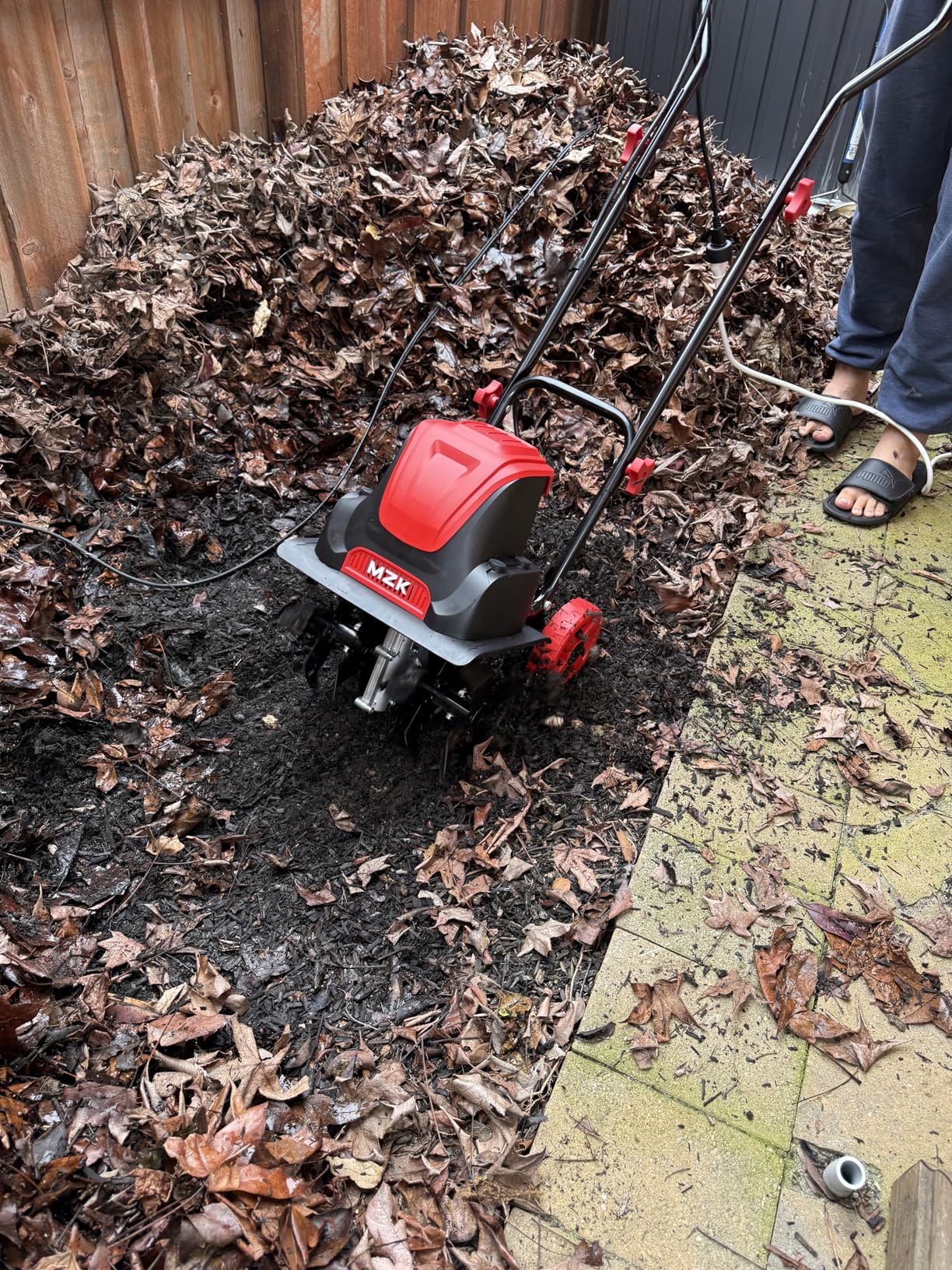
Is the MZK 12 inch tiller controllable inside a 3 foot bed?
Control is its weak point. There is only one speed, and it pulls forward hard enough that several reviewers describe it jumping or throwing soil outside the bed, which means reworking the edges. You counter this by setting the depth stake shallow on the first pass and holding the bail lever loosely rather than clamping down.
The frame itself is a different problem from the tilling, though. This machine handles hard ground well, so it is a good fit for a bed filled with bagged soil and compost that needs blending, or for clay-heavy ground that stalls lighter machines.
What does the lack of a listed weight mean in practice?
Weight is not published for this model, and reviewers describe it as light and easy for older users to handle. Buyers who care about a published number for lifting over a frame should look at a model where the weight is on the spec sheet rather than guessing here.
Because it is a 10-amp class draw, plan on a proper extension cord and check the gauge math in the buying guide below before you buy one.
3. BILT HARD 14 Inch 10-Amp Corded Tiller: Best Rated for Hard Ground
BILT HARD Electric Tiller Cultivator 14 inch, 10 Amp 4 Steel Tines Corded Tiller for Gardening with Foldable Handle, Portable Garden Rototiller with Adjustable Wheels
Tilling width: 14 inch
Tilling depth: 8.7 inch
Motor: 10-Amp AC at 17,000 RPM
Weight: 17.98 lbs
Pros
- Highest rated machine in the lineup
- 14 inch width means 3 passes in a 3 ft bed
- Handles clay sand and packed ground
- Stops when the lever is released
- Foldable handle for small sheds
Cons
- No speed control so it flings soil outside the bed
- Wheel cotter pins can fail quickly
- Heaviest corded unit here at 17.98 lb
This is the one to buy if your soil fights back. It carries the highest rating in our lineup, and owners frequently describe it as replacing a gas tiller for whole-yard jobs. The 17,000 RPM AC motor has real torque behind it, and it works clay, sand, and packed ground without complaint.
At 14 inches wide it covers a 3 foot bed in three passes, which makes it the fastest corded option in the list. The 2-position 6 inch wheels switch between tilling depth and transport, and the foldable H-handle collapses with four bolt knob combinations for storage.
Depth is the other strength here, with a listed 8.7 inch digging depth, which is close to the full depth of most raised bed frames. That matters if you are double-digging a new bed or mixing compost through the entire profile rather than just the top few inches.
The safety behavior is a genuine plus. Owners note that the machine stops when the lever is released, and the 4 rust-resistant blades running up to 360 RPM slice rather than grind.
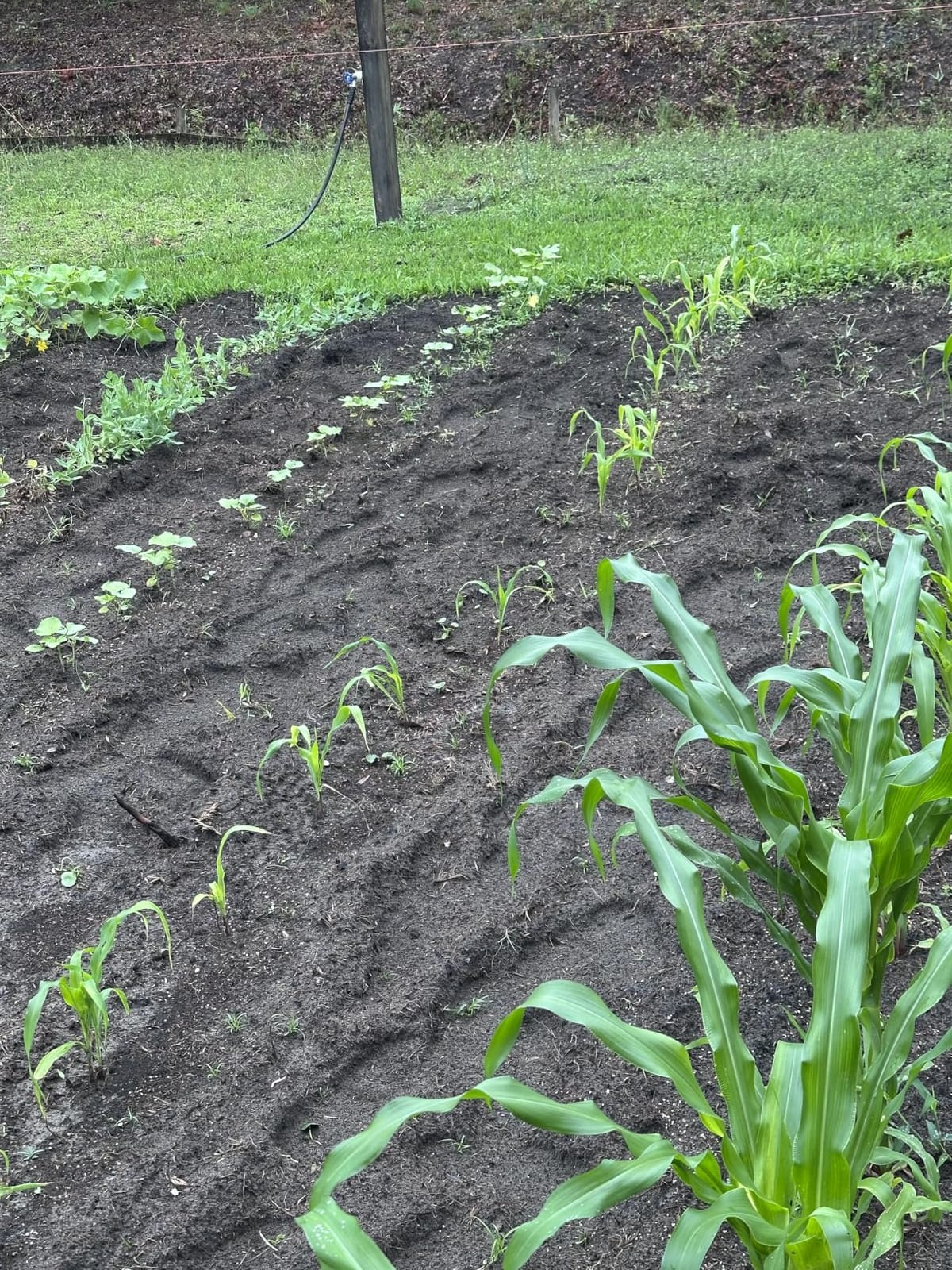
Can the BILT HARD 14 inch tiller turn around inside a 3 foot raised bed?
Just. Fourteen inches leaves about 11 inches of clearance on each side of a 36 inch bed, which is enough to pivot but tight enough that you need to back out of the row and reset rather than trying to spin in place. Plan the pass pattern so the last pass runs along a side where you have room to step out.
This is also the heaviest corded machine here at 17.98 pounds, so getting it into a tall bed takes two hands. The wheels help, but they only work on flat ground getting to the bed, not on the lift itself.
What are the durability complaints about this tiller?
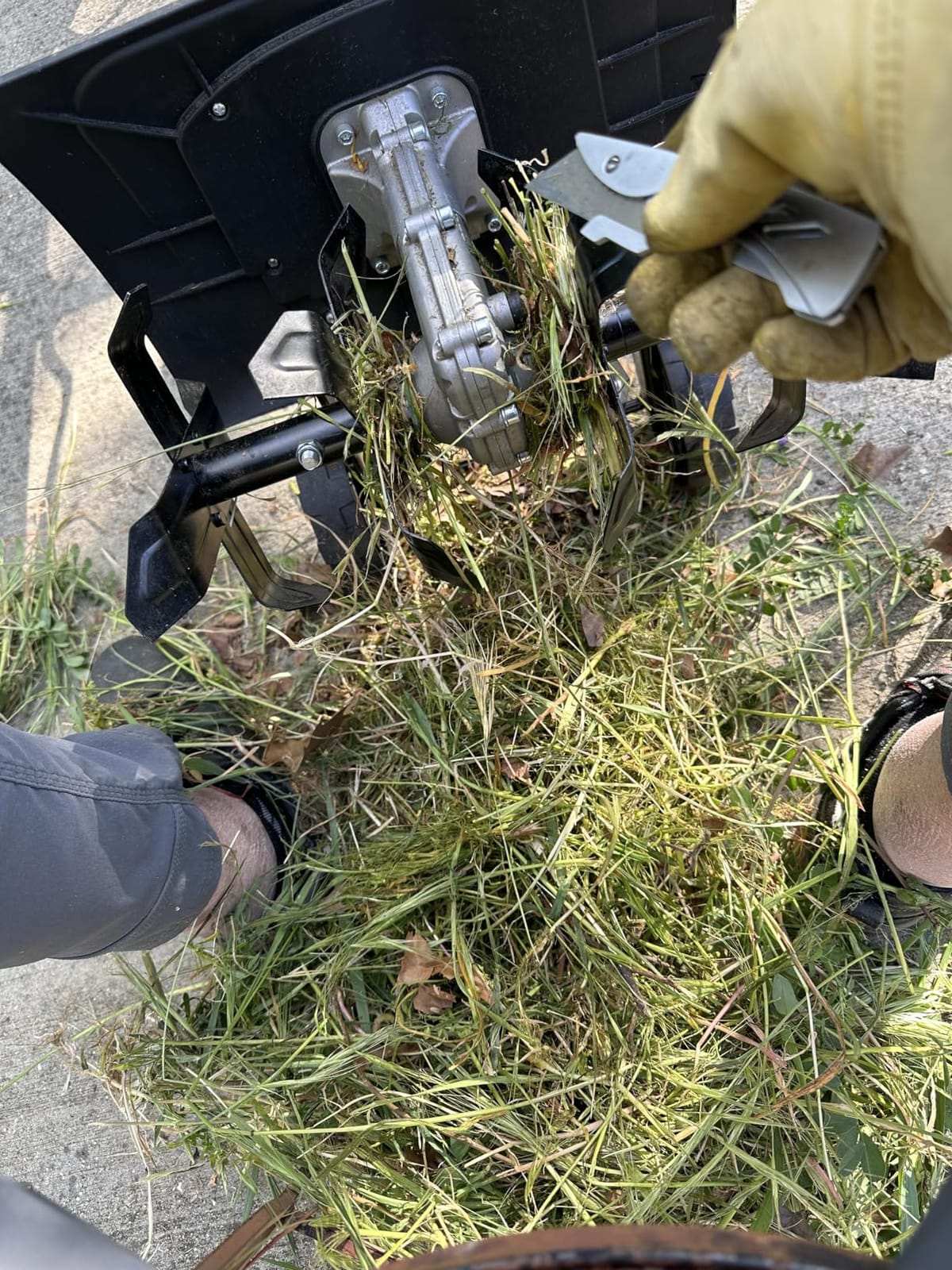
The most common one is not the motor or the tines, it is the small hardware. Reviewers report the included wheel cotter pins failing within minutes, with some removing them and running without. There are also reports of wheel and handle hardware loosening over time.
The second recurring complaint is the single fixed speed, which pulls the operator forward and flings soil outside the bed. Both issues are manageable, but you should know about them before you buy rather than after.
4. Alloyman 20V Cordless Tiller Cultivator: Best Cordless for Raised Beds
Alloyman 20V Cordless Tiller Cultivator, 360RPM Electric Garden Tiller, with 2 * 4.0Ah Batteries & Charger, 9In Tilling Width and 6.6In Depth Garden Rototiller for Lawn/Gardening/Soil Cultivation
Tilling width: 9 inch
Tilling depth: 6.6 inch
Batteries: 2x 4.0Ah Li-ion
Runtime: 45 min each
Pros
- No cord to snag on a bed board or run out of reach
- Two 4.0Ah batteries let you swap while one charges
- Adjustable auxiliary handle cuts fatigue
- Dual safety switch
- Detachable gears are easy to clean
Cons
- 45 minutes per battery is short on larger plots
- Runtime drops in compacted clay
- Not the choice for breaking new ground
For most raised beds the cordless answer wins on convenience, and this is the cordless machine we would pick. The single biggest factor is that your beds do not have to be near an outlet. A 3 by 8 foot bed often sits at the far end of a yard, and a cord running 60 feet through wet grass is both a snag hazard and a voltage drop waiting to happen.
The 9 inch width means four passes in a 3 foot bed and six in a 4 foot bed, which is a sensible balance between coverage and maneuverability. Reviewers value the adjustable auxiliary handle and the dual safety switch, which requires the safety button and the trigger to be pressed together before the tines turn.
Two 4.0Ah batteries are included, so you can run one while the other charges. The detachable gears come out for cleaning, which matters more than it sounds, because tine shafts collect wrapped grass and roots faster than anything else on the machine.
On lighter soil the machine is reported to work very well, and it is one of the few cordless options that owners mention handling compacted clay without stalling, though performance drops in the hardest ground.
Is a cordless tiller powerful enough for a raised bed?
For a bed you have been working, yes. A 20V cordless machine handles loosening, aerating, and mixing in compost across the top 6 inches of a bed, which is what most people actually need year to year. The 6.6 inch depth rating lines up with the depth you can realistically work inside a frame anyway.
For compacted construction fill or hard-packed ground, forum members report that battery units bog down where a heavier gas or high-amp corded machine keeps moving. If you are breaking new ground, this is not the machine, and repeated shallow passes will not change that.
How long do the batteries really last in a bed?
The rated figure is 45 minutes per battery. Treat that as the best case on loose soil, and expect noticeably less in compacted or clay soil, where the motor draws harder. For a single raised bed you will usually finish on one battery and still have the second as a spare, which is the situation most owners describe.
The 9 inch width means the machine needs more passes than a 14 inch corded unit, so runtime matters more here than on the wider machines. If you have several beds to do in a sitting, plan for a mid-job charge break.
5. Greenworks 40V 10 Inch Cordless Tiller: Best Platform Upgrade
Greenworks 40V 10″ Cordless Tiller / Cultivator, 4.0Ah Battery and Charger Included, Green
Tilling width: 8.25-10 inch adjustable
Battery: 40V 4.0Ah incl.
Runtime: 45 min
Weight: 21 lb
Pros
- Adjustable width from 8.25 to 10 inch
- 6 inch rear wheels for maneuvering
- Battery and charger included
- No gas oil or emissions
- 3-year tool and battery warranty
Cons
- Heaviest cordless unit here at 21 lb
- About 45 minutes runtime per charge
- 10 inch maximum width means more passes
This is the pick for readers who already own packs from this platform. If you have a 40V battery and charger from other equipment, the machine arrives with a 4.0Ah battery and charger anyway, and every future pack you buy is shared across the whole range. That ecosystem effect is the main reason to choose one brand over another in cordless.
The adjustable tilling width from 8.25 to 10 inches is genuinely useful in raised beds, because you can narrow down to squeeze along an edge or a corner and open up for the main passes. The 6 inch rear wheels make it easier to move it around the garden between beds.
The warranty is a real advantage here and it is the strongest in the group: 3 years on the tool and 3 years on the battery. Reviewers value that published support over cheaper units with no stated terms.
Maintenance is genuinely near zero, with no gas, no oil, and no emissions. For a machine that lives in a small shed and gets used twice a year, that simplicity is worth more than raw power.
Is the Greenworks 40V tiller too heavy for a raised bed?
At 21 pounds it is the heaviest cordless machine in this lineup, and lifting it into a tall frame takes two hands or a step. For a 12 inch bed wall that is manageable, but if your frames are 18 inches or taller you will want a ramp or a helper, and the rear wheels only help across flat ground.
That weight is where the power comes from. Heavier machines stall less in hard soil, so this one is a better bet than the lighter 20V units if your ground is on the firm side, and it is a fair trade for the extra effort of getting it into the bed.
Who should skip this model?
If you do not own any packs from this platform, you are paying full price for the battery and charger, and there are lighter cordless options in this list for less. The 10 inch maximum width also means four passes in a 3 foot bed and five in a 4 foot bed, so it is not the fastest choice on bed coverage alone.
Its 4.2 rating is the lowest in our group, and reviewers point to runtime, weight, and the modest width as the reasons. None of those are dealbreakers, but you should be clear-eyed about them.
6. MZK 20V 8.5 Inch Cordless Cultivator: Best for Pre-Tilled Small Beds
MZK 20V Cordless Tiller Cultivator, 8.5-Inch Steel Tines,360 RPM
Tilling width: 8.5 inch
Tines: 24 steel
Operating speed: 360 RPM
Power: 20V rechargeable
Pros
- Light and easy to move in crowded beds
- No cord management at all
- 24 steel tines break up clumps in pre-tilled soil
- Good value for bed-scale cultivation
Cons
- Highest one-star share in the group at 10 percent
- 8.5 inch width needs about 5 passes in a 3 ft bed
- Designed for pre-tilled soil rather than new ground
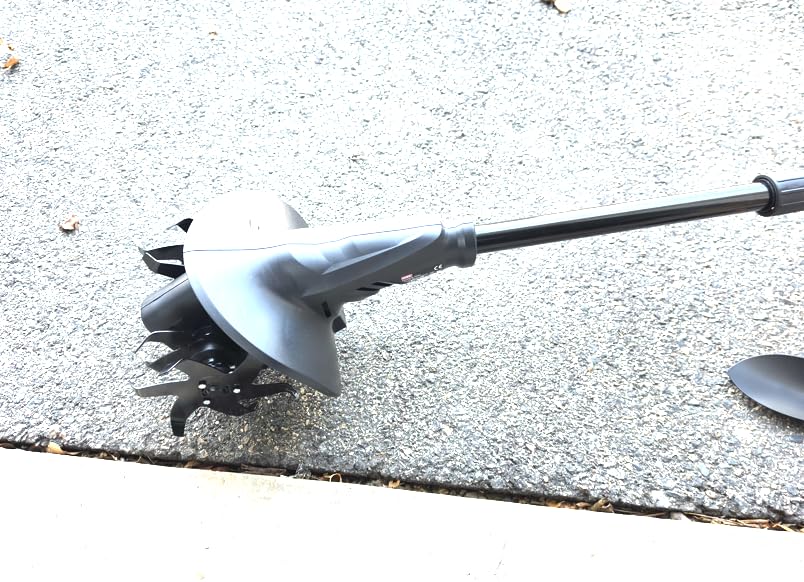
This is a cultivator more than a rototiller, and setting your expectations correctly matters. It is built for beds that are already loose, for breaking up surface clumps after the soil has dried a little, and for mixing compost into the top layer. It is not the tool for breaking new ground.
At 8.5 inches wide it needs about five passes in a 3 foot bed and six in a 4 foot bed, so it is a slow cover of a large bed. The 24 steel tines at 360 RPM do clean work in soil that is already friable, and the safety lock keeps it from starting unexpectedly around kids or pets.
The cordless 20V platform means no cord, no gas, and no oil, which makes it the easiest machine here to store and the least annoying to keep in a small shed. The ergonomic handle is designed to cut fatigue on longer sessions.
Owners like it for narrow rows and crowded beds, where a wider machine would scrape the boards or crush plants on either side. That precision is the actual reason to buy this class of machine.
Can this cultivator break new ground in a raised bed?
No, and the listing is honest about it, describing it as ideal for pre-tilled beds, clump breaking, and aeration. On hard-packed or clay ground it will bog and lift, and the fix is to water the bed a day or two ahead and work it in two shallow passes with a fork first. Once the ground is open, this machine does a good finishing job.
The 10 percent one-star share in the reviews is the highest in this group, and most of that comes from people who expected a rototiller. If you buy it for the job it was designed for, the complaints largely disappear.
Is 8.5 inches too narrow for a full bed?
It is workable but not efficient on anything wider than 3 feet. Five passes with a turn at the end of every row is a long afternoon, and the more passes you make, the more walking and turning you do inside a narrow frame.
For a single small bed, or for the finishing pass after a bigger machine has broken the ground, it works well. For a whole season of full-bed tilling, choose a wider unit and keep this one for the corners and edges.
7. TaskStar 20V 2.6 lb Handheld Tiller: Best Handheld for Weeding and Tight Spots
Mini Cordless Tiller Cultivator, 20V Electric Rototiller for Gardening, Lightweight 2.6 lbs Handheld Garden Tiller with 2×2.0Ah Battery, 4″ Width×4″ Depth, for Raised Beds, Lawn, Flower Beds & Weeding
Tilling area: 4 inch by 4 inch
Tool weight: 2.6 lbs
Motor: 300 RPM
Batteries: 2x 20V 2.0Ah
Pros
- Only 2.6 lb so it can be used one-handed
- Works between plants and inside containers
- Two 2.0Ah batteries included
- Stainless steel tines rinse clean
- No gas or engine maintenance
Cons
- Only 4 inch wide and 4 inch deep so bed prep is slow
- 2.0Ah packs are the smallest capacity here
- For cultivation and weeding rather than breaking ground
This is not a rototiller and it is not pretending to be one. It is a handheld cultivator for precision work, and at 2.6 pounds it is the only machine in this guide you can hold in one hand while kneeling between plants. Reviewers with arm and shoulder problems say it is the one they can still use comfortably.
The 4 inch by 4 inch working area fits between rows, around the base of established plants, and inside containers, where a walk-behind machine would take out the crop. The stainless steel tines rinse off under a tap, and the dual safety lock prevents accidental startup.
Two 2.0Ah batteries are included, so you can work while one charges. The 300 RPM motor is high torque for its size, and owners report it loosening compacted surface soil and clearing weeds from the top inch or two effectively.
Its 4.6 rating sits alongside the highest in our group, and reviewers consistently note that the low weight is what drives that score. Buyers are getting exactly what they wanted: a small tool for small jobs.
Can a 4 inch handheld tiller prepare a whole raised bed?
Not practically. A 36 inch bed needs about 9 passes with a 4 inch tool, and the 4 inch depth reaches only the top of a bed that is usually 8 to 12 inches deep. You would be standing over one spot for a long time, and your back would feel it.
Where it earns its place is finishing and maintenance. It is the tool for weeding between seedlings, loosening the surface between plantings, mixing compost into planting pockets, and cleaning up the edges a walk-behind machine cannot reach.
Who should buy this instead of a walk-behind tiller?
Gardeners with a small number of beds, senior or low-mobility users, anyone with back or shoulder problems, and anyone working around plants they do not want to disturb. It is also a good secondary purchase for people who already own a walk-behind machine and want a tool for the in-between work.
At 4.6 from 487 reviews, it is well rated, but it is the smallest sample in our group, so treat the star figure with slightly more caution than the machines with a few thousand reviews behind them.
8. SOARFLY 20V 9 Inch Cordless Tiller: Best Runtime for Cordless Bed Work
SOARFLY Cordless Tiller Cultivator 9″ Width 6.6″ Depth, 2×4.0Ah Batteries
Tilling width: 9 inch
Tilling depth: 6.6 inch
Batteries: 2x 4.0Ah
Tines: 48 steel
Pros
- Two 4.0Ah batteries with up to 120 minutes combined
- 48 steel tines dig through compacted ground
- Light enough for users who cannot handle gas
- Quiet cordless work with no cord to manage
- Height adjustable handle
Cons
- Real runtime closer to 20 minutes per battery at full power
- Tines wrap with grass and need cleaning
- Not deep enough for trenching or new ground
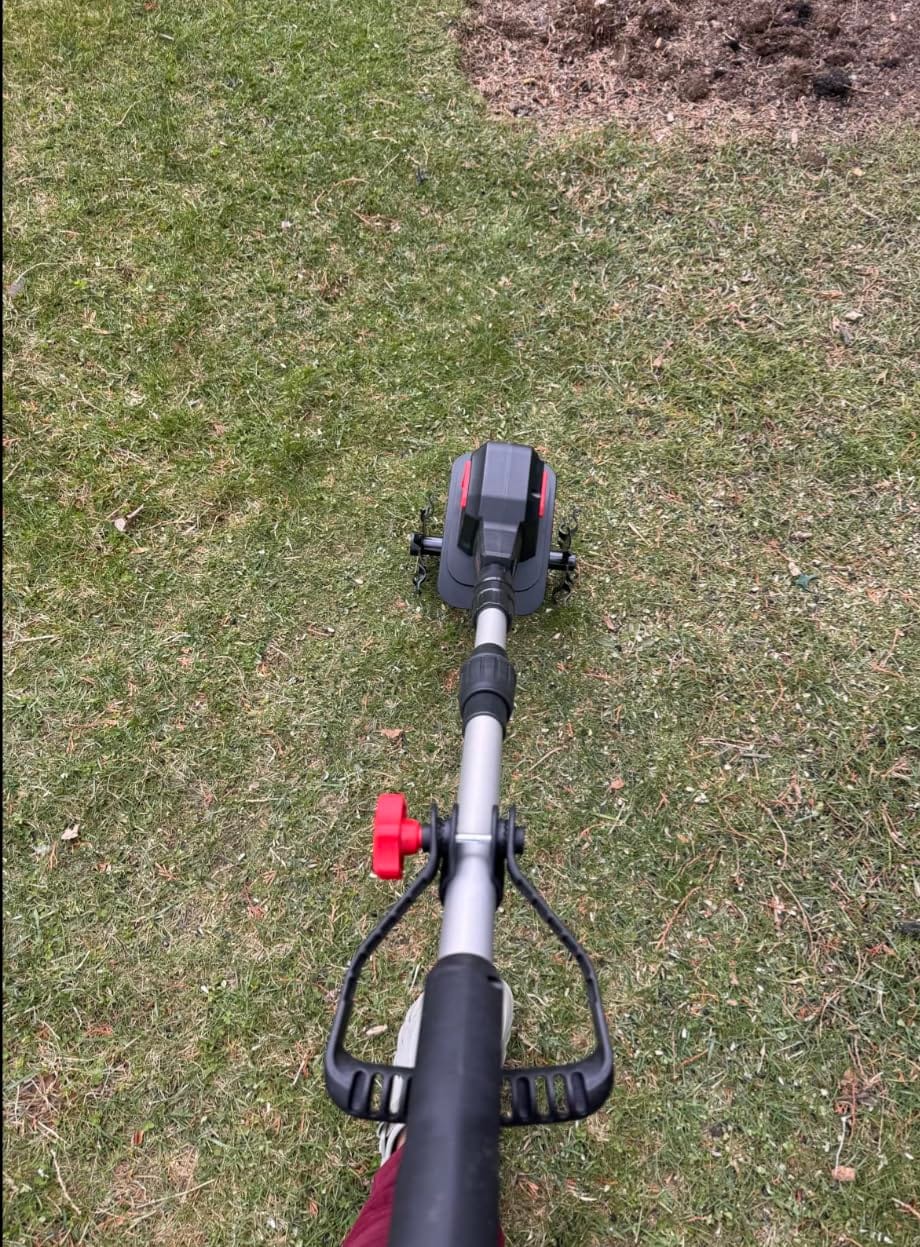
This is the cordless machine to look at if you have several beds to work and you need runtime more than width. Two 4.0Ah lithium batteries deliver up to 120 minutes of combined operation, which is the best runtime-per-charge figure in this lineup.
The 48 steel tines at a stable 360 RPM are more aggressive than most of the cordless crowd, and reviewers report they dig into hard clay and pull out stones. At 9 inches wide it needs four passes in a 3 foot bed, which is the same as other 9 inch machines but with more capacity behind each pass.
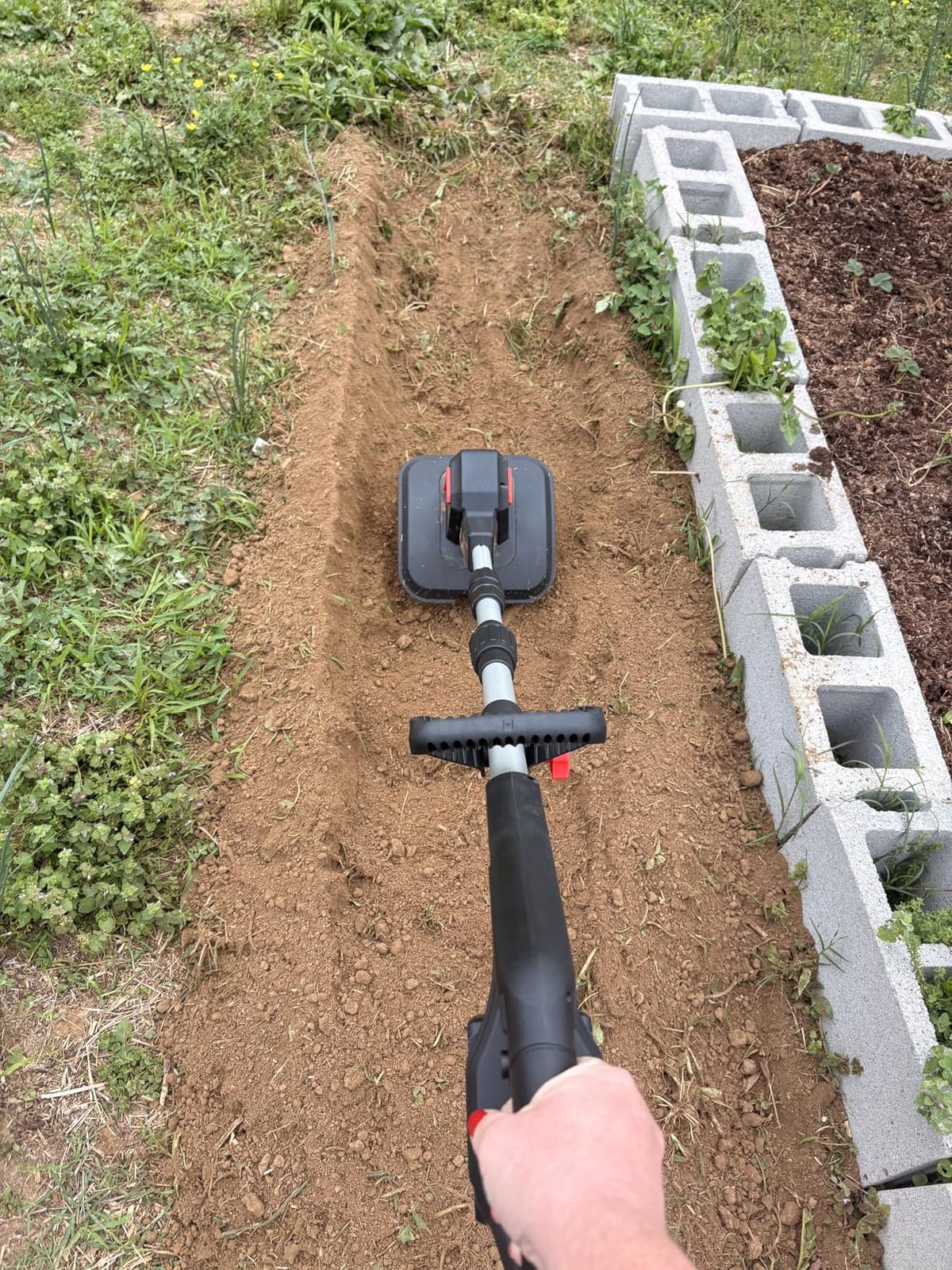
Owners also note that it is light enough for users who had given up on gas or heavy electric machines because of the weight. The height-adjustable auxiliary handle helps with fit, and assembly takes about 10 minutes.
Manufacturer guidance matches what experienced gardeners say anyway: moisten dry soil and start with shallow passes before increasing depth. Starting deep in dry ground is the fastest way to stall a small battery machine.
How much runtime do you really get from these batteries?
Expect about 20 minutes of full-blast work per 4.0Ah battery in practice, not the full marketing figure. Under hard load in compacted soil, the lower number is the one to plan around. With two packs you get roughly 40 minutes of working time plus a swap, which covers most single-bed jobs comfortably.
Nothing else in this guide matches that, which is why the battery count and capacity matter more than the width number here. If you are tilling multiple beds in one session, runtime is the right ranking criterion.
What maintenance does this tiller actually need?
Very little beyond cleaning. The tines wrap with grass and pulled weed material, and reviewers remove the cotter pin to clear them out after each session. Do that every time and the machine stays clean enough to store in a damp shed without trouble.
Two real limitations: the handle is short, and taller users report lower back strain after a long session. And while it will dig into hard clay, it is not deep enough for trenching or genuinely new ground, so treat it as a bed machine rather than a ground breaker.
How to Choose a Rototiller for Raised Beds
Start with bed width, not engine power. A 3 foot bed gives you 36 inches of interior width and a 4 foot bed gives you 48. A 7.5 inch machine needs about 5 and 7 passes respectively, a 9 inch machine needs 4 and 6, a 12 inch machine needs 3 and 4, and a 14 inch machine needs 3 and 4. Anything past 16 inches will not turn around in a 3 foot bed. The wider machines are faster, but every extra pass is another turn inside a narrow frame.
Next comes weight. Anything over 20 pounds is a two-hand lift into a tall frame, and the wheels on most of these only help you roll it across flat ground. Many gardeners who buy a heavy machine end up wishing they had checked the frame height first. If you are still deciding on the frame, the metal raised bed guide covers the heights that pair well with lighter machines.
Power source is really a question about your yard layout. Corded electric gives you unlimited runtime and consistent power, but it demands an outlet within reach and careful cord management. Cordless battery frees you from the outlet entirely and is quieter, with runtime and torque as the trade. Gas handles hard ground better than either, and adds noise, exhaust, and fuel mixing, which is why gas is a step up here rather than a default.
Extension cord math matters more than most guides admit. A 10-amp motor like the MZK or BILT HARD needs a 12 gauge outdoor-rated cord, and a 2.5-Amp machine like the Earthwise can run on lighter gauge, though 16 gauge is still the right choice for a long run. Voltage drop is the hidden problem: a thin or too-long cord makes the motor run hot and weak, which is exactly what stalling machines feel like. Measure from your outlet to the far end of the bed before you buy, and use a cord retainer to keep the cable out of the tines. Cord tangling in the tines is a named hazard, not a theoretical one.
Battery platform lock-in is the commercial decision most people overlook. If you already own 40V packs from Greenworks, a 40V tiller is far cheaper than starting a new platform. The same logic applies to 20V systems. Buying a second platform for one tool is the most common regret owners report.
Soil type decides whether you need power at all. Loose, compost-rich soil needs almost nothing beyond a fork. Compacted fill and clay need a higher-amp corded or a small gas machine, and reviewers report that lightweight electric tillers stall and lift on hard ground regardless of what the label claims. Rocky soil is a different problem: clear the stones by hand first, because tines wrap around them and the failure is usually the drive or the blade, not the motor.
Terms worth defining, since the naming gets confusing. A tiller and a rototiller are usually the same machine, where rotating tines dig and invert soil. A cultivator has shallower, finer tines and mixes the surface without inverting much. A broadfork is a manual tool driven straight down and levered back, which loosens soil while preserving structure. Depth is set by the depth stake at the back of the machine or by a drag bar, and that stake is the control that keeps the tines from walking forward.
Skip the rear-tine category entirely for raised beds, for four reasons. It is far too wide to fit between frames. It weighs enough that lifting it into a bed is a project. It is built for deep tillage in large plots, which is more disturbance than a bed wants. And the fuel, oil, and maintenance costs add up for a few hours of work a year.
How to Till a Raised Bed Without Hitting the Frame
Clear the bed first. Pull out last season’s stalks, roots, and any landscape fabric edges, because a tine that catches a buried wire or a cotton strap will twist the machine sideways fast.
Water the soil a day or two ahead if it is hard or dry. Squeeze a handful: it should hold together and break apart with a light touch, not crumble to dust and not form a slick ball. Wet soil is easier on the machine, easier on the tines, and kinder to the structure.
Set the depth stake shallow, around 3 to 4 inches, for the first pass. The tines pull the machine forward, so a deep first setting makes it dive and throw soil outside the bed.
Work in parallel rows with 2 to 3 inches of overlap, and keep the machine’s weight back on the handles so the tines bite rather than bounce. Cross-till on the second set of passes, in the opposite direction, to fill the untouched strip each tine pass leaves down the middle.
Rake and level when you are done, and pull back before you reach a board. Most frame damage happens in the last few inches of a row when the operator is tired and the tines drift into the lumber. If you do hit a board, back the machine out, reset, and set the depth lower for that pass.
Once the bed is built, do not till it every year. Top-dress with compost and let the worms do the mixing. Set up a drip line or a soaker hose to water at the soil level, and the bed will stay in the loose, living condition you just created.
Frequently Asked Questions
Should raised beds be tilled?
Usually not. Established beds with healthy soil structure do better with a broadfork or hand fork plus top-dressed compost, which loosens and aerates without pulverizing. Till only when you are breaking new or hard-packed ground, double-digging a fresh bed, or mixing in a large volume of compost and amendments.
What is the best type of tiller for raised beds?
A compact walk-behind tiller or cultivator with a tilling width of 7.5 to 14 inches and a weight you can lift over the frame. Anything wider than 16 inches will not turn around inside a 3 foot bed, and rear-tine machines will not fit at all.
Is a broadfork better than a tiller?
For an established bed, yes. A broadfork is driven straight down and levered back, which preserves soil structure and worm channels while still loosening compaction. A tiller is faster and mixes amendments more thoroughly, which makes it the better tool for new ground, double-digging, and heavy compost mixing.
What is a good mini tiller for raised beds?
A narrow corded or cordless machine in the 7.5 to 9 inch range with a weight under 15 pounds. The Earthwise TC70025 at 8.8 pounds and 7.5 inch width is the classic answer for 3 foot beds. Handheld cultivators under 3 pounds are useful for weeding but too small to prepare a full bed.
What size extension cord do I need for a corded electric tiller?
Use a 12 gauge outdoor-rated cord for a 10 to 13.5 amp motor and 16 gauge for lighter motors. Keep total run under 100 feet, and a shorter cord reduces voltage drop that makes the motor run weak and hot. Always use a cord retainer so the cable cannot reach the tines.
Can you use a tiller on clay or rocky soil?
Clay is workable once the bed is moistened a day or two ahead, but it needs more torque than lightweight machines provide, so a 10 amp corded or a small gas machine is a better fit. Rocky soil should be cleared by hand first, because tines wrap around stones and can damage the blade or drive.
Should I get a tiller or a cultivator?
Get a tiller for breaking new ground, digging, and deep mixing. Get a cultivator for loosening the surface, breaking up clumps, weeding, and blending compost into an already-worked bed. Inside a raised bed, most gardeners need a cultivator far more often than a full tiller.
Conclusion: The Best Rototiller for Your Raised Beds
Pick the Earthwise TC70025 if you want the machine that is easiest to handle in a real bed and you have an outlet within reach. Pick the BILT HARD 14 inch if your soil is hard, heavy, or clay and you want three passes instead of five. Pick the Alloyman 20V, or the SOARFLY for more runtime, if your beds sit far from an outlet. And if your bed is already healthy, use a broadfork and save the machine for the one job that truly needs it.