
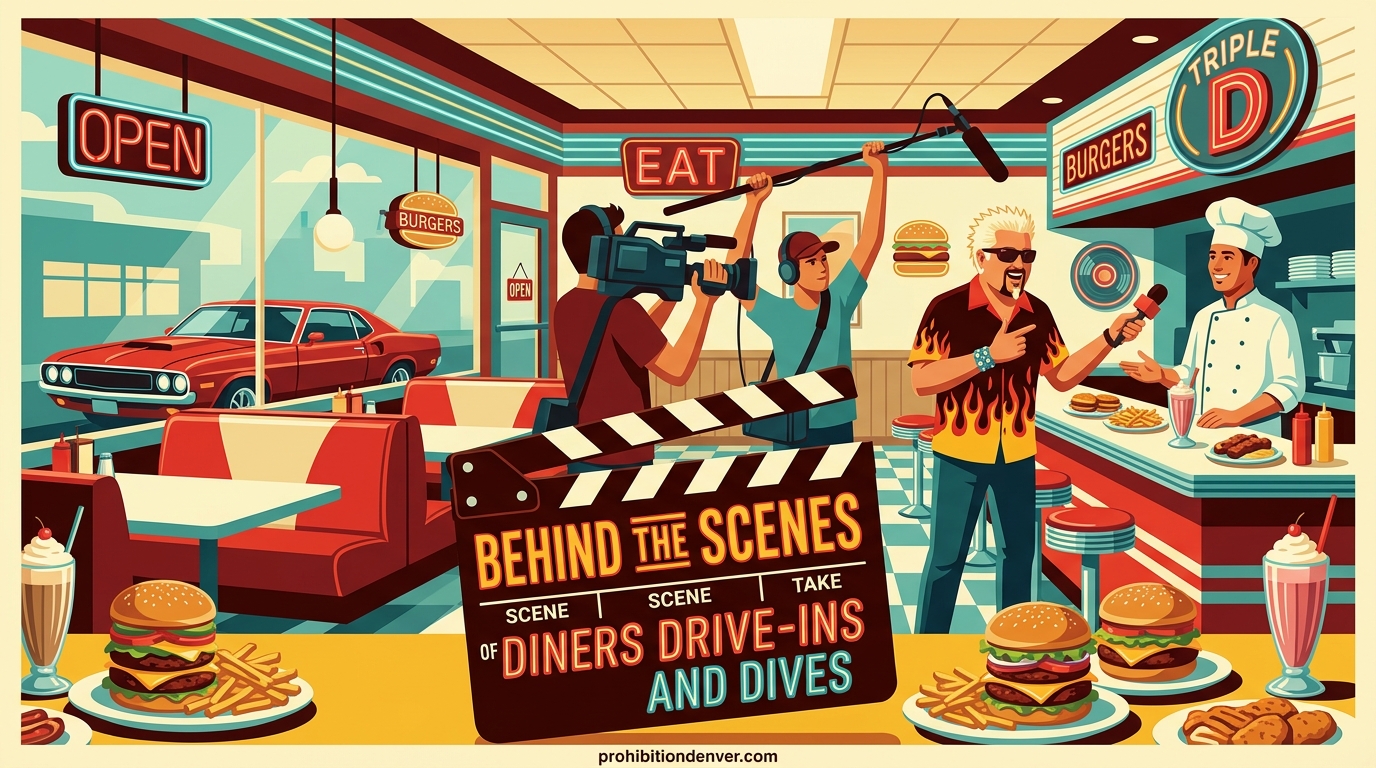
Ever wonder how your favorite local diner ends up on national television? The process behind Diners, Drive-Ins and Dives is more rigorous than most people imagine. For over 15 years, Guy Fieri and his production crew have crisscrossed America finding the most authentic homestyle cooking spots, but getting that iconic spray paint on your wall is no accident.
This guide pulls back the curtain on the Diners Drive-Ins and Dives restaurant selection process. We will explore how restaurants get discovered, what happens during filming, and why some spots that get scouted never make it to your screen. Whether you are a restaurant owner dreaming of Flavortown or just a curious fan, here is everything you need to know about how the show picks its locations.
Table of Contents
How Restaurants Get Selected for Diners, Drive-Ins and Dives
The journey to Flavortown begins in one of three ways. Unlike some food shows that rely solely on casting calls, Triple D uses a multi-channel approach to find hidden gems.
Restaurant Owners Can Submit Online
The most direct path starts with the restaurant owner. The Food Network maintains an active submission portal where proprietors can pitch their establishments directly. This self-nomination process allows passionate owners to tell their own food story.
When submitting, owners provide details about their concept, menu highlights, and what makes their place special. The production team reviews these submissions regularly, though they reportedly receive thousands annually. Standing out requires more than good food, you need a compelling narrative.
Customers Can Nominate Their Favorites
Fans of the show play a major role in the scouting process. The production team actively monitors suggestions from viewers who believe their local spot deserves recognition. This crowdsourced approach has uncovered some of the show’s most beloved locations.
Enthusiastic customers often write detailed emails describing their favorite dishes, the atmosphere, and why the place matters to the community. These nominations carry weight because they represent genuine local passion.
The Production Team Scouts Locations
The third method involves professional scouts who travel to cities ahead of planned filming trips. These scouts visit dozens of restaurants, sampling food and interviewing owners before making recommendations. They look for places that fit the show’s specific criteria: family-owned, made-from-scratch cooking, and interesting backstories.
The scouting process is extensive. One producer might visit 20 restaurants in a single city and only recommend two or three for further consideration. This explains why some cities get multiple episodes while others get skipped entirely.
The Application and Vetting Process
Getting noticed is just the beginning. Once a restaurant catches the production team’s attention, a months-long vetting process begins.
The Initial Phone Interview
Producers conduct lengthy phone interviews with interested owners. These conversations explore the restaurant’s history, cooking philosophy, and signature dishes. The team wants to understand what makes this place different from every other diner in America.
Owners who make it past this stage receive follow-up calls and sometimes in-person visits from assistant producers. The show invests significant time in research before committing to a location.
Menu and Backstory Evaluation
A critical requirement is having an interesting backstory. The show thrives on personal narratives: the third-generation family recipes, the chef who left a corporate career to follow a passion, the couple who rebuilt after disaster. These stories become the emotional backbone of each segment.
The production team also evaluates the menu for made-from-scratch cooking. Pre-made sauces, frozen appetizers, or microwaved sides are immediate disqualifiers. Guy Fieri insists on authentic, homestyle preparation.
Guy Fieri’s Final Approval
Here is the step many people do not realize: Guy Fieri personally reviews every potential location before filming gets scheduled. Producers present him with detailed profiles, photos of signature dishes, and summaries of each restaurant’s story.
Fieri has the ultimate say. He can veto a location even after months of preparation. This personal involvement ensures that every restaurant featured meets his standards for quality and authenticity.
Filming Behind the Scenes
The actual filming day is intense, demanding, and completely different from what viewers see in the final edit.
Restaurants Must Close for Filming
One of the biggest commitments owners make is shutting down completely during filming. The restaurant closes for two to four days, depending on the shoot schedule. This represents a significant financial sacrifice.
During closure, the crew takes over the entire space. Tables get moved, lighting equipment fills the dining room, and the kitchen becomes a hive of activity. Regular customers are not present, only invited guests and background actors.
The Day-Long Shoot
Filming typically takes about five hours of actual production time, though the entire day stretches longer with setup and breakdown. The crew numbers between 10 and 15 people, including camera operators, sound technicians, producers, and assistants.
Owners cook their entire menu during the shoot, but only two or three dishes get featured in the final segment. This means preparing food that will never appear on television.
B-Roll and Reaction Shots
The crew captures extensive B-roll footage: close-ups of chopping, sizzling pans, sauce drizzles. These shots get edited together with Guy’s commentary to create the energetic segments fans love.
Reaction shots require multiple takes. Guy might taste a dish three or four times while cameras capture his expressions from different angles. What looks spontaneous on screen is often carefully orchestrated.
Guy Fieri’s Role in Restaurant Selection
Guy Fieri is not just the host, he is the gatekeeper of Flavortown.
The Veto Power
Fieri maintains absolute authority over which dishes get featured. If he tastes something and does not love it, that dish gets cut from the segment. This veto power extends to entire restaurants if nothing on the menu excites him.
Some restaurants get scouted, filmed, and then never air because the food did not meet Fieri’s standards. The production team keeps these unaired episodes confidential, protecting the restaurants from negative publicity.
Foods Guy Refuses to Eat
Fieri has two hard rules: no eggs and no liver. These are personal preferences, not criticisms of preparation. If a restaurant’s signature dish features either ingredient, producers steer the segment toward other menu items.
He also avoids eating before filming. Restaurants sometimes try to welcome him with a pre-show snack, but he always declines. He wants to experience each dish with genuine hunger and fresh taste buds.
Authentic Interactions
Here is something that surprises many owners: Guy introduces himself right before filming begins. There is no pre-show meet-and-greet. He walks in, greets the owner, and cameras start rolling immediately.
This approach captures authentic reactions and spontaneous conversation. Owners who have appeared on the show consistently praise Fieri for being genuine, knowledgeable, and genuinely interested in their food.
The Real Costs Restaurants Incur
Being on Triple D is not free. Restaurant owners invest significant money and time into the experience.
Lost Revenue From Closing
The biggest expense is lost income from closing for multiple days. For a busy restaurant, this can mean thousands of dollars in lost sales. One owner reported losing approximately $12,000 to $15,000 in regular business during their filming week.
The show does not compensate restaurants for this lost revenue. There is no appearance fee, no guarantee of future earnings, just the hope that national exposure will pay off later.
Food Costs and Preparation
Owners must have ingredients for their entire menu on hand, even though only a few dishes get featured. This means buying extra produce, proteins, and specialty items that might otherwise get ordered as needed.
The production crew eats during filming, and restaurants typically comp these meals. Staff meals, producer tastings, and multiple preparations of featured dishes add up quickly.
Time Investment
Beyond the filming days, owners spend weeks preparing. They clean and organize their spaces, create backup plans for perishable inventory, and brief staff on protocols. The time commitment extends far beyond what appears on screen.
What Happens After the Episode Airs
The real impact of Triple D happens after the cameras leave.
The Triple D Effect
Restaurant owners report immediate business increases of 200% or more after their episode premieres. The spike is dramatic and sustained. New customers travel from neighboring states specifically to visit Flavortown locations.
This phenomenon has created an entire subculture of road trips. Fans plan vacations around Triple D locations, creating pilgrimage routes that boost local tourism economies.
The Power of Reruns
Unlike most television, the benefits compound over time. Food Network reruns episodes constantly, meaning restaurants see regular spikes in business years after their original air date. One owner noted getting calls every time their episode repeats.
The spray painted signature on the wall becomes a permanent tourist attraction. Some locations frame their segment and display it prominently, turning the appearance into ongoing marketing.
Lasting Relationships
Guy Fieri maintains connections with featured restaurants. When disasters strike, he has been known to call owners personally to check on them. After fires or tragedies, he sometimes returns to help rebuild.
This ongoing relationship validates what many owners suspected: the show genuinely cares about small businesses, not just television ratings.
Frequently Asked Questions
How do they pick restaurants for Diners, Drive-Ins and Dives?
Restaurants are selected through three main channels: owners can submit their establishments online, customers can nominate their favorite local spots, and the production team scouts locations ahead of filming trips. All potential restaurants undergo extensive vetting, and Guy Fieri personally approves each location before filming is scheduled.
What does Guy Fieri refuse to eat?
Guy Fieri has two firm rules about food: he refuses to eat eggs and liver. These are personal preferences rather than critiques of preparation quality. If a restaurant’s signature dish features either ingredient, producers typically steer the segment toward other menu items.
Do restaurants get paid to be on Diners, Drive-Ins and Dives?
No, restaurants do not receive payment for appearing on the show. In fact, owners incur significant costs including lost revenue from closing for two to four days, food costs for preparing the entire menu, and staff time. One source estimates these costs at $12,000 to $15,000 for a typical restaurant.
How long does filming take at each restaurant?
The actual filming process takes about five hours at each location, though restaurants typically close for two to four days total to accommodate setup and breakdown. The production crew consists of 10 to 15 people including camera operators, sound technicians, and producers.
Is everything filmed on Diners, Drive-Ins and Dives aired?
No, not every restaurant that gets scouted and filmed makes it to air. Guy Fieri has final approval over which dishes and restaurants get featured. If the food does not meet his standards during filming, the entire segment may be shelved. The production team keeps these unaired episodes confidential.
Conclusion
The Diners Drive-Ins and Dives restaurant selection process is a carefully orchestrated journey that balances authentic discovery with television production demands. From the initial submission to the final approval, every step filters for passion, quality, and genuine homestyle cooking.
For restaurant owners, the investment is significant but the payoff can transform a business. For viewers, understanding this process adds new appreciation to every episode. The next time you watch Guy Fieri bite into a hand-crafted burger or sample secret family recipes, remember: that moment represents months of preparation, thousands of dollars in costs, and a whole lot of love from small business owners chasing their Flavortown dreams.
If you are considering submitting your own restaurant, weigh the costs against the potential. The Triple D Effect is real, but it requires faith, patience, and a whole lot of made-from-scratch cooking to earn that spot in television history.