
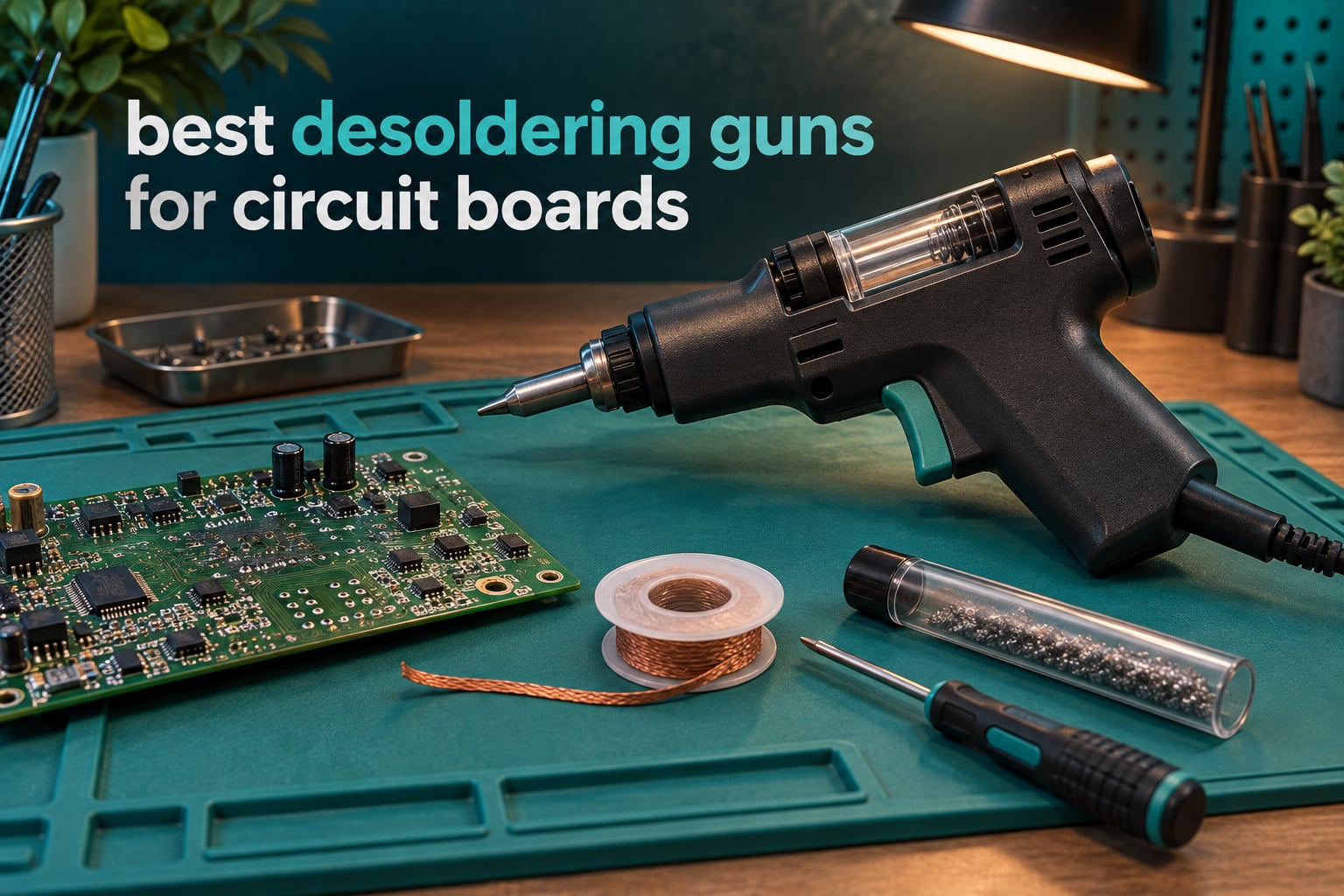
A desoldering gun is an electrically heated hand tool with a hollow nozzle and a built-in vacuum pump that melts solder and then sucks the molten metal out of a joint in one continuous motion. It exists for one job: pulling soldered parts off a printed circuit board quickly without cooking the board.
Wick and an iron get the solder off, but they also drag heat through every trace between the joint and the nearest component. On a modern multilayer board with fine traces that heat is how pads lift. Vacuum desoldering pulls the solder out through a hollow nozzle, so the heat stays where you put it and the joint empties in one pass.
That matters more on some jobs than others. If you are pulling eight pin headers off a keyboard PCB, braid is fine. If you are emptying fifty through-hole joints on a vintage amplifier board, a desoldering gun changes the working day. This roundup covers ten of them, from a manual aluminium pump to bench stations with variable temperature and full filter kits.
My team compared all ten across the categories that actually change the result: how the heat is controlled, how much suction the pump pulls, what happens to the solder after it travels down the barrel, and what a replacement nozzle costs when the first one wears out. I kept the rules simple. A tool that needs cleaning after every joint is fine if you know it going in, and a tool that promises no maintenance and delivers a plugged tube after an afternoon is not.
One note before we start. Model numbering in this category is fragmented, and several listings describe the same object under a different name. Several picks below share a chassis, and a few are sold under house brands built on one 30W two-in-one design.
If you are new to electronics work and want practice before you touch a repair job, our circuit building kit guide for teens is a good place to start soldering first.
Table of Contents
Top 3 Desoldering Gun Picks for Circuit Boards

Hakko FR301-03/P Desoldering Gun
- 140W ceramic element
- Adjustable to 500 C
- Closed-loop sensor
- 1.1 lb body
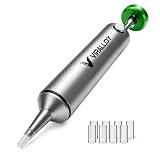
VIRALLOY SS-786 Manual Pump
- No power needed
- CNC aluminium body
- 350 C silicone tip
- Eight spare tubes

YIHUA 929D-V Two-in-One
- Iron and pump in one
- Fixed temperature
- 1.0mm and 1.2mm tips
- Removable waste tube
Quick Overview: All 10 Desoldering Guns Compared in 2026
| Product | Specifications | Action |
|---|---|---|
| Hakko FR301-03/P Desoldering Gun |
|
Check Latest Price |
| VIRALLOY SS-786 Manual Solder Pump |
|
Check Latest Price |
| YIHUA 929D-V Two-in-One Iron |
|
Check Latest Price |
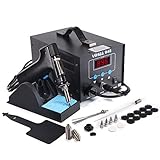 YIHUA 948 Desoldering Station 80W YIHUA 948 Desoldering Station 80W |
|
Check Latest Price |
 Anesty ZD-915 Pro Vacuum Station Anesty ZD-915 Pro Vacuum Station |
|
Check Latest Price |
 VISLONE 30W Automatic Sucker VISLONE 30W Automatic Sucker |
|
Check Latest Price |
 WEP 929D-V Desoldering Iron Kit WEP 929D-V Desoldering Iron Kit |
|
Check Latest Price |
 HighTop 30W Electric Desoldering Pump HighTop 30W Electric Desoldering Pump |
|
Check Latest Price |
 YIHUA 948D III Two-in-One Station YIHUA 948D III Two-in-One Station |
|
Check Latest Price |
 K KERNOWO 929D-V Desoldering Iron K KERNOWO 929D-V Desoldering Iron |
|
Check Latest Price |
1. Hakko FR301-03/P Portable Desoldering Tool – Our Best Overall Pick
Hakko FR301-03/P Portable Desoldering Tool with Precise Temperature Control °F /°C
140W ceramic element
Adjustable to 500 C
Closed-loop sensor
1.1 lb
90-day warranty
Pros
- Fast heat-up with steady temperature across the range
- Strong suction clears plated through-holes in one pass
- Nozzle changes work hot with the quick-release tool
- Light 1.1 lb body stays comfortable on long jobs
- Recovers most solder into the collection chamber
Cons
- Blow-molded plastic case with weak hinges and no foam
- Flimsy metal stand that slides around the bench
- Only a 1.0mm nozzle included and extra nozzles cost extra
The Hakko FR301-03/P is the gun that comes up most often when people ask forum regulars what to buy, and after putting ten tools side by side it is the one I ended up recommending to friends. It is a 140 watt handheld with a ceramic heating element and a closed-loop sensor, which is a polite way of saying the handle holds its temperature far better than a fixed-power budget iron.
Temperature is adjustable up to 500 degrees Celsius, and the dial sits in the handle rather than back on the bench. On a mixed job I can drop the heat for a small signal joint and turn it back up for a chunky connector without breaking stride. That control is the single feature that separates this from everything cheaper on the list.
Suction is where the money goes. The FR301 pulls a full blob of solder out of a plated through-hole on the first pull instead of leaving you to go around again with braid. That single pass is where the time saving comes from, and it is also where pad damage risk drops, since you are not reheating the joint a second time.
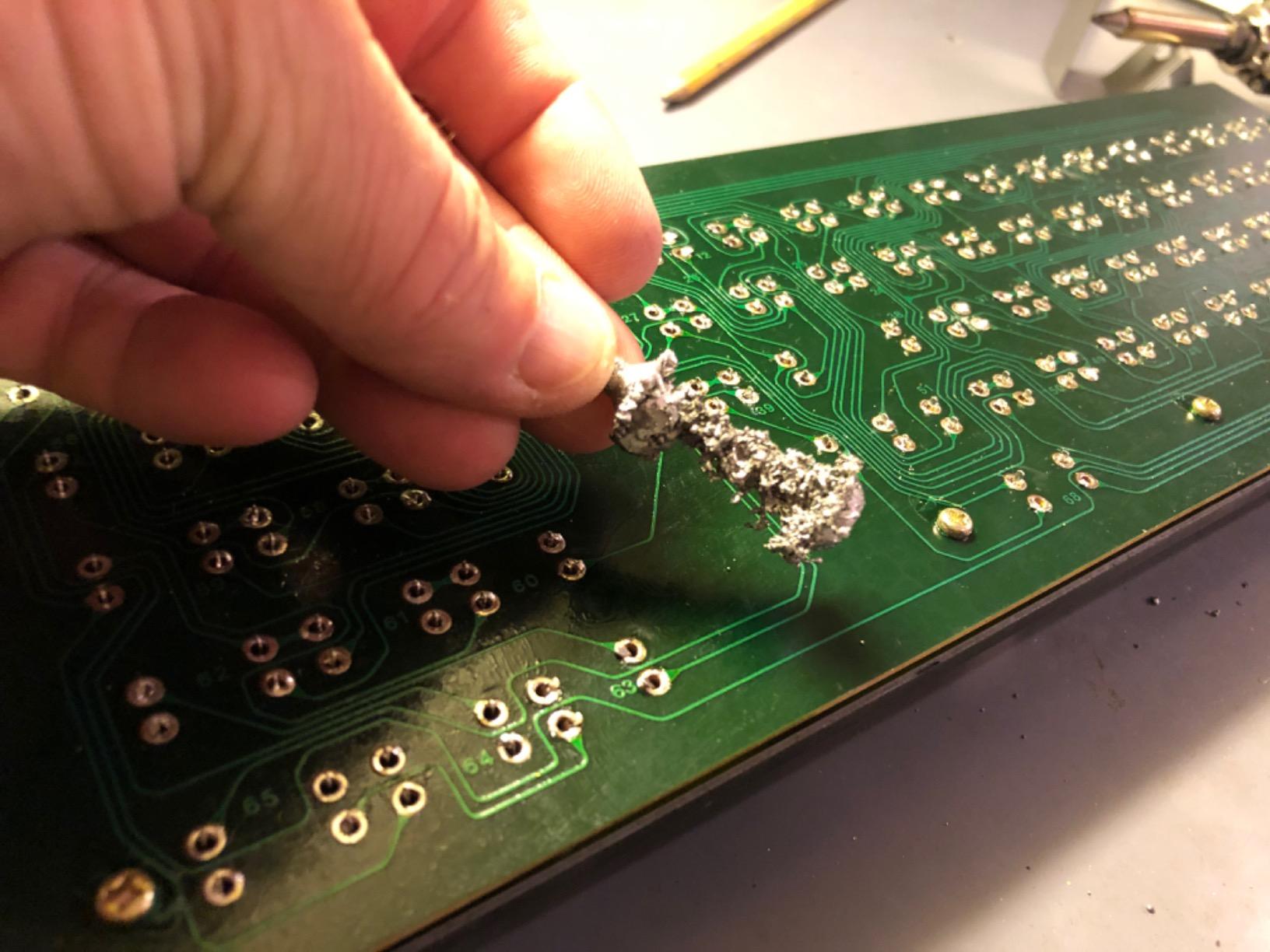
The quick-release nozzle tool means you change tips while the gun is hot, without waiting for it to cool and without burning your fingers on the barrel. Nozzle sizes from 0.8mm up to 2mm cover everything from a resistor lead to a multi-pin header, though only one size comes in the box.
The easy-clean solder recovery chamber is more important than it sounds. Solder that stays inside the gun is solder you have not thrown away and can re-melt for the next job. Owners regularly report the tool paying for itself in recovered solder and in braid they no longer buy.
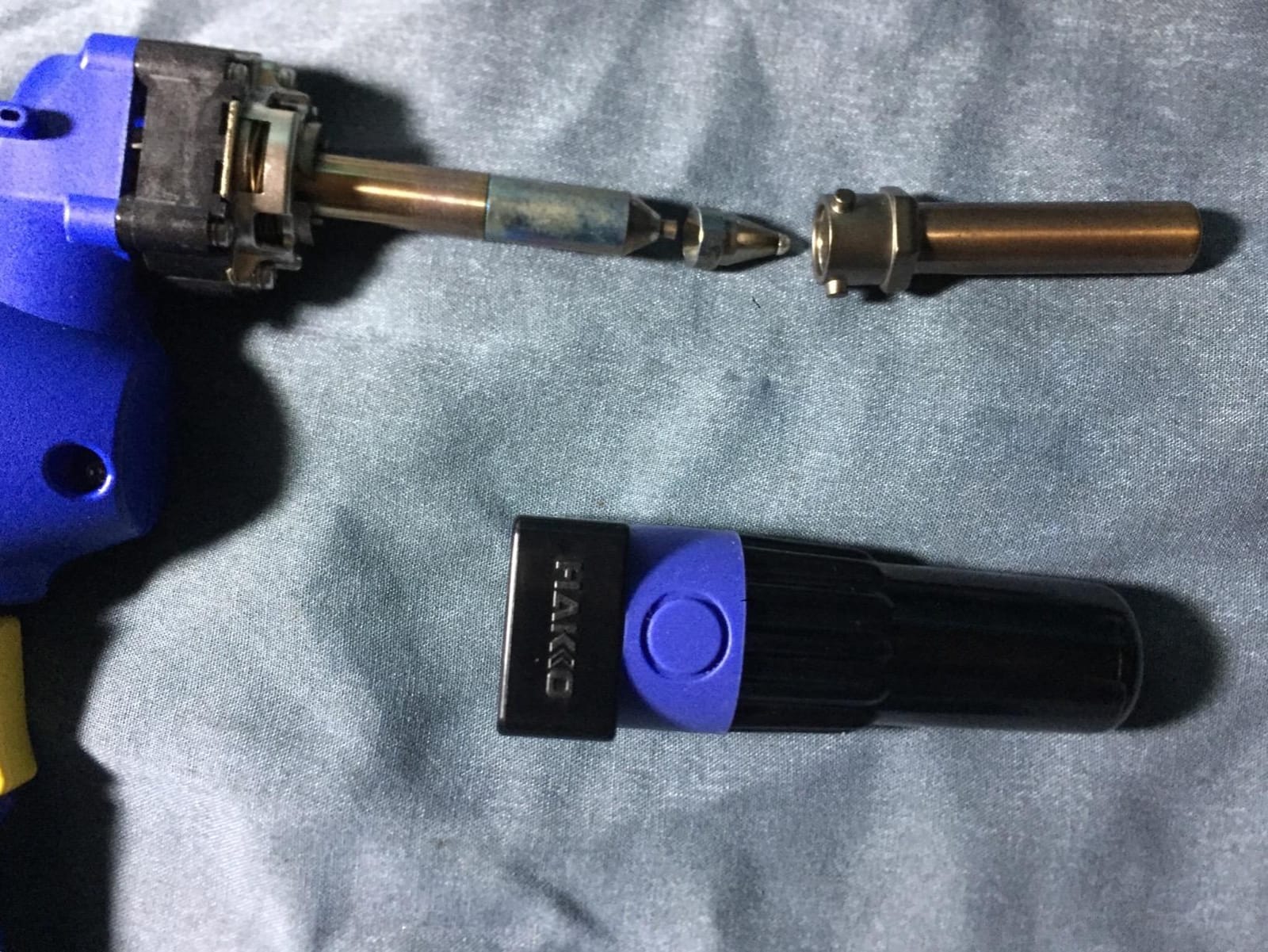
What board jobs it handles best
This is the tool for through-hole work at volume: vintage audio gear, amplifier and power supply boards, pin headers, USB ports, transformers and old multi-pin ICs. On a double-sided board with a copper-lined hole, you may still need a second pass and a little fresh solder, and no desoldering gun on the market fully solves that case.
If your work is dense surface-mount chips rather than through-hole leads, this is the wrong shape of tool. Hot air rework is the right answer there, and no amount of suction changes that.
Where the money annoys you
The criticism lands on the accessories, not the tool. The included case is thin blow-molded plastic with weak hinges and no foam insert, so a nozzle rattling around inside it is a real possibility. The iron stand is thin metal that lets the unit slide across a bench, which is a decent way to put a hot tool somewhere you did not plan.
Only one nozzle comes in the box, and the rest of the range costs extra at a price that stings on a tool at this level. The warranty from the US distributor is 90 days, which is short. None of that changes the verdict for me, but budget for a spare nozzle and a better holder up front.
2. VIRALLOY SS-786 Manual Solder Sucker – Budget Pick
Solder Sucker Tool No Clog Silicone-Tip Manual Desoldering Pump Soldering Accessories for Solder Remover – Unrivaled Suction • No Power Needed • Ultra Low-Maintenance • Best-in-Class Desoldering Gun
Manual, no power
CNC aluminium body
Silicone nozzle to 350 C
6.52 in long
8 spare tubes
Pros
- Spring-loaded suction clears molten solder in a single pull
- CNC aluminium body outlasts plastic pumps
- Silicone tip does not solder-stick
- No batteries cords or filters
- Eight spare silicone tubes included
Cons
- Still needs cleaning after heavy use
- Slick finish is hard to grip bare-handed
- Underpowered on very large multi-pin joints
The VIRALLOY SS-786 is not a vacuum desoldering gun, and I want to be clear about that before anyone buys it expecting one. It is a manual solder sucker in the classic pistol form, and it is on this list because for a large share of circuit board jobs it is the correct tool at a fraction of the cost and with zero maintenance parts.
Body is CNC-machined aircraft-grade aluminium, which is why it still feels solid after a year of being dropped in a toolbox. The nozzle is heat-resistant silicone rated to 350 degrees Celsius, and silicone will not solder-stick to the tip the way plain copper does, so you are not fighting a fused blob every time you open it up.
Suction comes from a high-tension spring that delivers a genuine one-shot vacuum. Owners who upgraded from a cheap plastic pump report near-permanent satisfaction with how much solder comes out per pull, and the internal shaft is long enough that waste clears all the way to the nozzle.
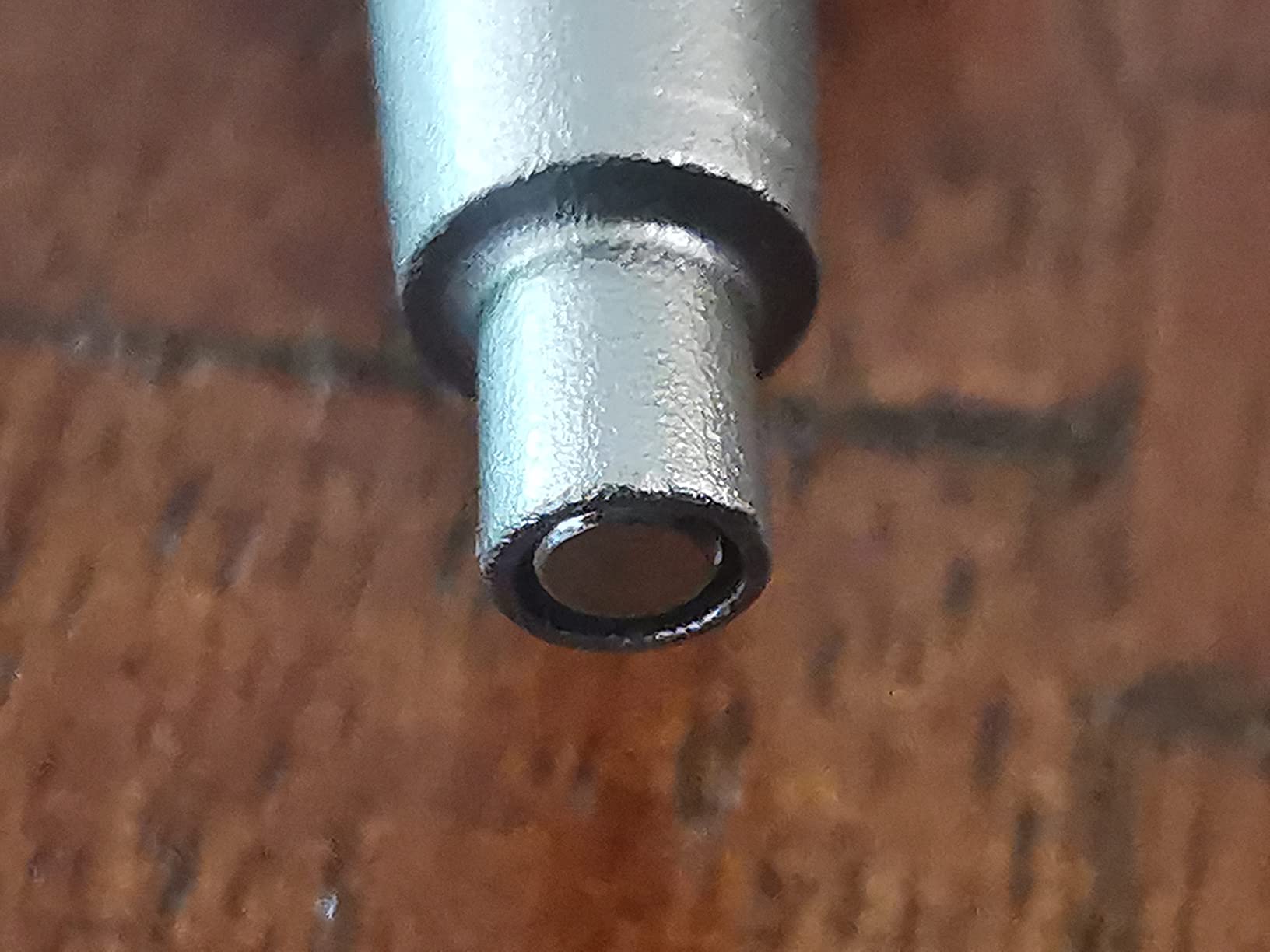
There are no batteries, no cords and no filters. That single sentence covers every maintenance complaint the electric tools on this list attract, and for someone working at a kitchen table with a cordless iron it is a genuinely better way to do through-hole jobs.
Eight spare silicone tubes come in the box, so the one consumable in the design is covered on day one. That matters more than it sounds, because the small seal piece is the part that eventually gives up and it is the only thing you can replace on this tool.
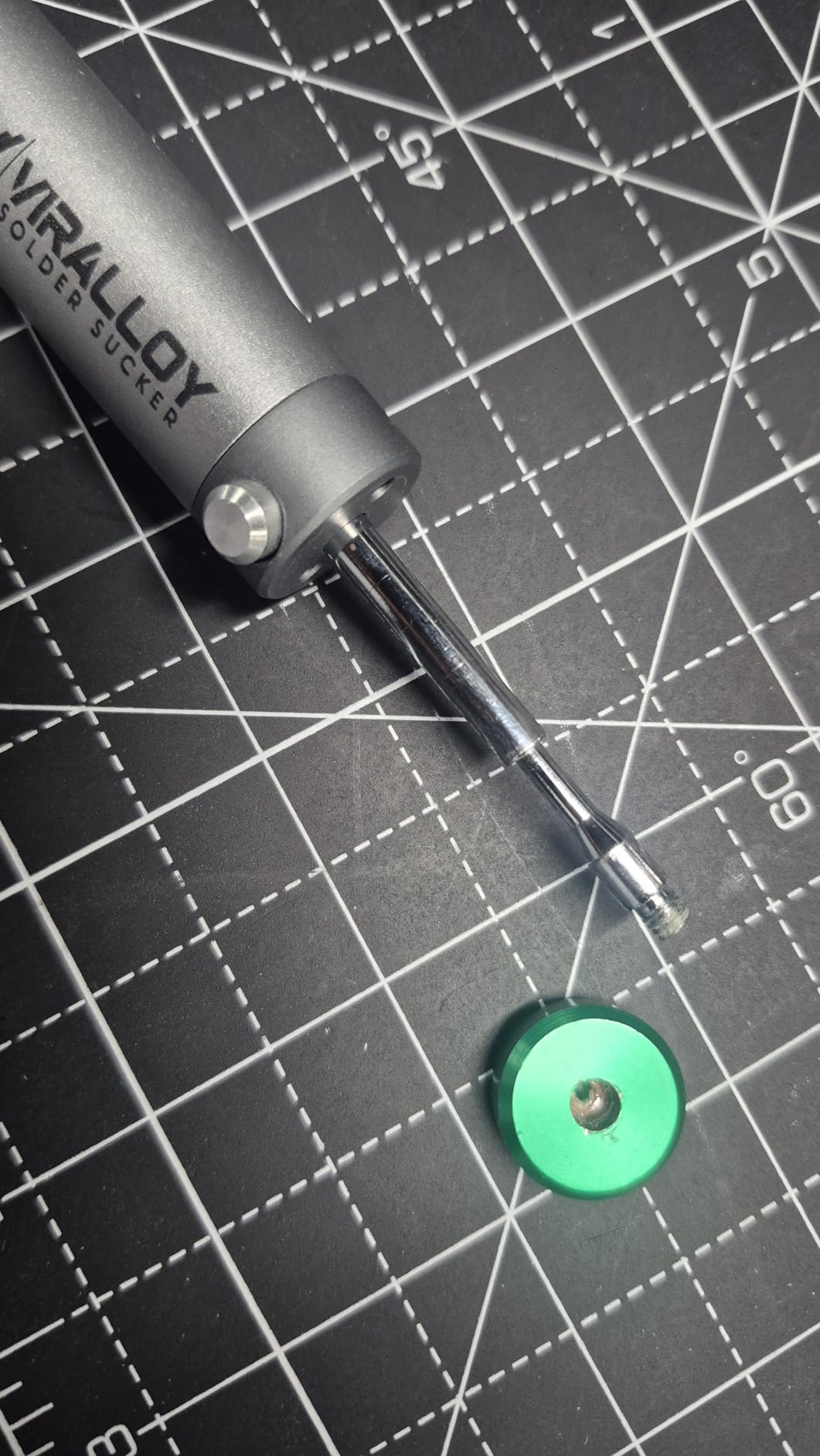
Who should buy the manual route
Pick this if you do a handful of through-hole joints at a time: pin headers on a keyboard PCB, a failed USB connector on a router board, a handful of discrete transistors on a power supply. You pair it with an iron you already own, heat the joint, then trigger the pump.
It is also the right companion to a bench station for the small connectors the station nozzle will not fit inside. A 2mm tip cannot seat over a 0.5mm header pin, and the manual pump has no such problem.
Where it falls short
The no-clog marketing weakens after a few hundred joints, and that is the honest limit. You will be pulling the tip apart and clearing the shaft sooner or later, because the same spring that gives strong suction also holds waste in the bore.
For very large multi-pin joints it is simply outmatched by a real vacuum station. The barrel finish is slick straight out of the box and several owners add tape or a sleeve for grip. And the small silicone seal wears quickly, so keep a spare on hand rather than discovering it mid-job.
3. YIHUA 929D-V Electric Desoldering Iron – Best Value
YIHUA 929D-V Electric Desoldering Soldering Iron Solder Sucker Desoldering Pump with Shorter Charging Handle and Desoldering Nozzles 1.0mm 1.2mm for Through-Hole Desoldering
Two-in-one iron and pump
30W AC
110V
1.0mm and 1.2mm nozzles
0.3 kg
Pros
- Heating and vacuum in one short handle
- One-handed continuous work without regripping
- Heat deflector protects the hand
- Removable tube plus cleaning pin in the box
- Light at 0.3 kg for long jobs
Cons
- Temperature is fixed and not adjustable
- Only two small nozzle sizes
- Cleaning pin needed regularly to avoid clogs
The YIHUA 929D-V is the same basic chassis you will find sold under half a dozen different house names, and it carries more user reviews than anything else on this list. The idea is simple: an electric soldering iron and a solder sucker built into one short handle.
That handle is the whole trick. Because heating and suction are in the same grip, you heat a joint with one hand and trigger the pump with the same hand, without setting the iron down or juggling a second tool. For continuous through-hole work it is faster than any manual arrangement.
Plug it in and it runs at a fixed, automatically regulated temperature, reaching working heat in about three to five minutes. There is no dial and no sensor feedback, so treat the temperature as whatever the design decided rather than something you steer.
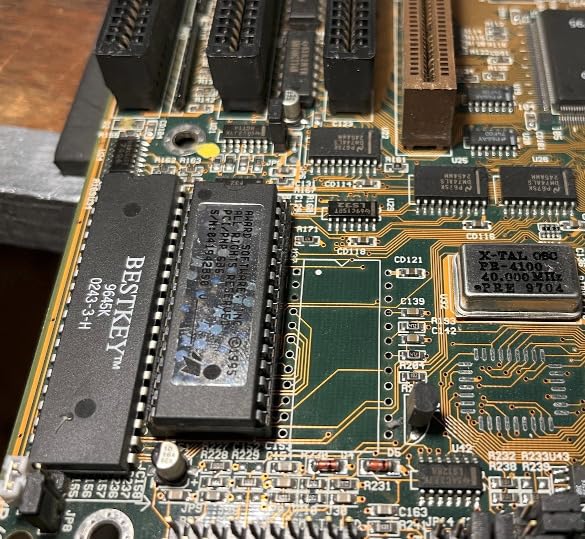
A heat deflector at the end of the heating element keeps transferred heat away from your hand during a long session, and at 0.3 kg the whole tool is light enough to hold one-handed without fatigue setting in.
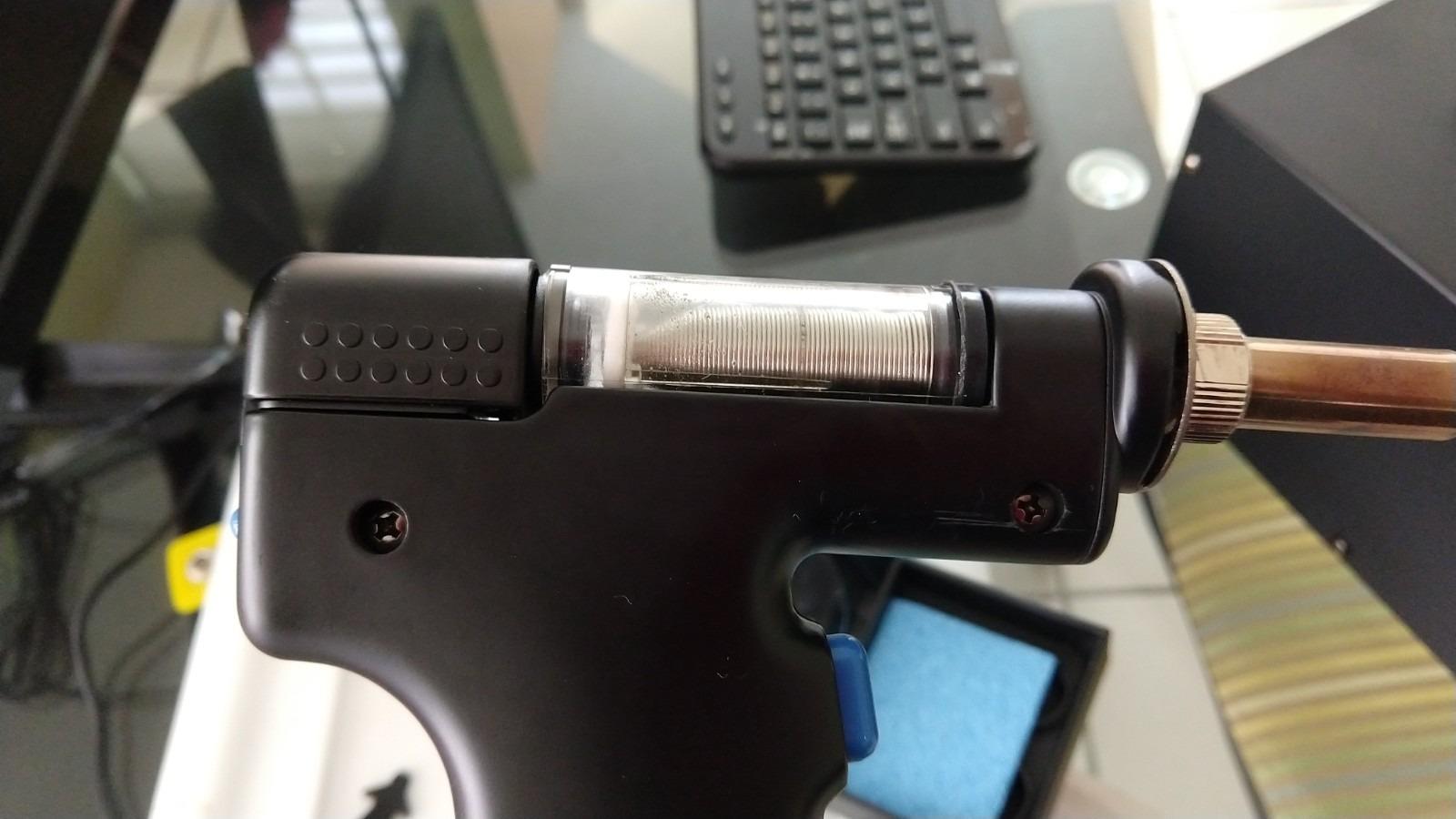
The solder collection tube unscrews for cleaning and reuse, and a cleaning pin comes in the box. That pin is not optional in practice. Run it through after a handful of joints and this tool keeps working; skip that and the tube plugs with cold solder.
What it is good for
This is a through-hole tool for beginners, students and anyone doing occasional repair. Pin headers, connectors, discrete transistors, a solder bridge across two pads, a failed relay on an appliance board. It handles those jobs without drama and without a learning curve.
It runs on 110V AC with a US-style plug, so buyers outside North America need to check their supply before ordering. For anyone in a 230V region, the same family of tools is usually sold in a matching version.
Where the limits show up
Fixed temperature is the first constraint. On modern boards with small pads and fragile inner copper, you want the option to back the heat off, and this tool does not offer it. Overheating risk is handled by care rather than by control.
Two nozzle sizes, 1.0mm and 1.2mm, is a narrow range. That is fine for header pins and small leads and frustrating for a larger connector or a chunky electrolytic capacitor. Reviewers also note pump noise and reduced airflow on the biggest joints, which is what a 30W class tool with a small bore tends to do.
4. YIHUA 948 Desoldering Station 80W – Best Bench Station for Steady Work
YIHUA 948 Standard Desoldering Station, 80W, with Auto Shutoff, Variable Precise Temperature (716°F ~ 896°F), ºC/°F display, Sleep Function and More.
80W station
716F to 896F adjustable
LED C/F display
110V
4.2 kg with holder
Pros
- Variable temperature for different solder types
- Continuous work far faster than wick or pumps
- Spare nozzles springs filters and adsorbers included
- Filter tube can be cleaned or replaced
Cons
- Heavy at 4.2 kg so it stays on the bench
- Regular filter and tube cleaning needed
- LED display is simple compared with premium stations
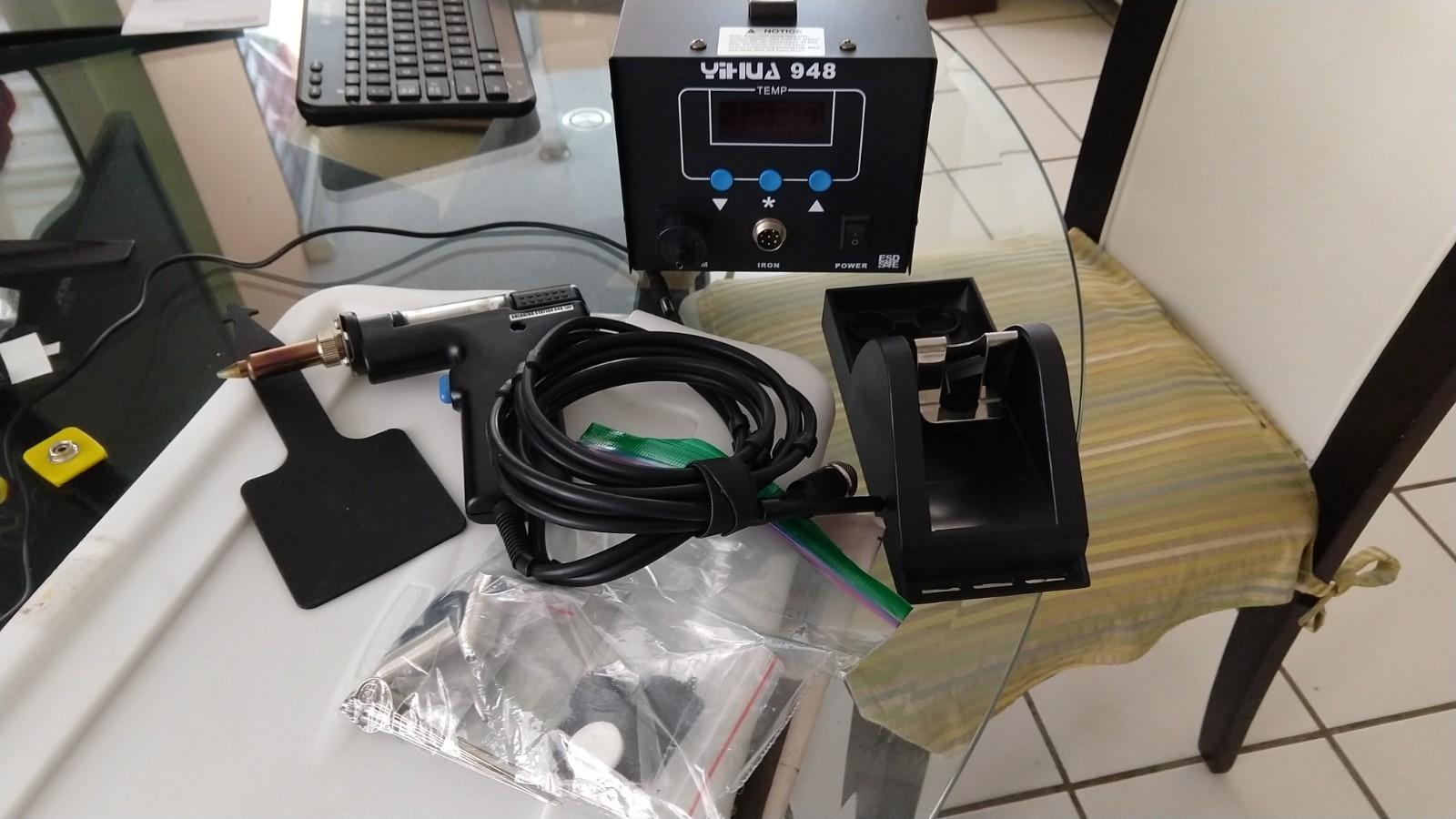
The YIHUA 948 is where you move from a handheld to a bench station, and the difference is that the power supply lives on the table instead of in your hand. The gun cord runs back to an 80 watt unit with an LED display and a real temperature adjustment.
That adjustment covers 716 to 896 degrees Fahrenheit, which is the range you need to move between leaded and lead-free work without guessing. Set it low for a board with fine pads, turn it up for a heavy joint, and the readout tells you where you are instead of leaving you to infer it.
Suction is continuous while you hold the trigger, and the nozzle temperature is stabilised so it does not sag between joints. On a board with thirty or more through-hole connections, that stability is what turns an hour of wicking into a short bench session.
The accessory pack is genuinely generous for the money. You get four additional nozzles, a set of cleaning pins, a gun holder, a sponge, two filter springs, two ceramic filters, ten filtration adsorbers and a heat-resistant pad. Every consumable that causes a clog is covered in the box.
Auto shutoff and a sleep function handle the two things that ruin a bench station left on: burnt tips and unnecessary power draw. Both are standard on quality soldering gear and their presence here signals this is a soldering station built for regular work rather than a novelty.
What board jobs it handles best
This suits a repair bench doing amplifier boards, power supplies, robotics and drone boards, and mechanical keyboard builds. Anything with a repeating pattern of through-hole joints is where a stationary unit earns its footprint, because you are no longer carrying the pump around the bench.
It suits a person who works on boards for hours at a stretch. The gun sits in a holder between joints, the temperature stays put, and your hand is free to hold the board rather than the tool.
Where you will feel the compromise
At 4.2 kg the station is heavy in the good sense and awkward in the bad one. It stays exactly where you put it, which is a benefit on a bench and a problem if you wanted a portable tool. Carry it to the board or commit the bench to the job.
The LED readout is simpler than the larger screens on premium stations, with less diagnostic detail if a joint will not clear. And the filter tube needs regular cleaning to hold suction. Both are manageable, just not free.
5. Anesty ZD-915 Pro Digital Vacuum Desoldering Station – Built for Heavy Through-Hole Loads
Anesty ZD-915 Pro Digital Vacuum Desoldering Station, Solder Removal Tool | Built-in Vacuum Pump, Desoldering Gun for Electronics Repair
80W with built-in pump
450 C max
PTC element with tip sensor
Digital display
110V
Pros
- Strong steady suction pulls solder on the first attempt
- Heats quickly and handles single and double-sided boards
- Tips filters and tubes are easy to source
- Good value against professional stations
Cons
- Unheated rear of the tube plugs if not cleaned
- Poorly translated manual complicates setup
- Customer support slow to respond on replacement requests
The Anesty ZD-915 sits in the middle of this list and behaves like a middle-of-the-list tool in the best sense. It is a digital station with a built-in vacuum pump, an 80 watt output and a microprocessor-controlled gun that is squarely aimed at lead-free work and DIP components.
Heating comes from a PTC element with a temperature sensor mounted at the tip, so control responds to the nozzle rather than to the heater block. Warm-up is quick, and in practice the gun reaches working temperature fast enough that you are not waiting on it between joints.
The upper temperature rating is 450 degrees Celsius, which covers leaded and lead-free boards without pushing heat unnecessarily. The digital display shows the setpoint, and the single-channel design keeps the controls simple enough that you can adjust it mid-job without thinking about it.
Long-term hobbyist owners describe work running roughly two to three times faster than manual methods and report hundreds of components removed without a single lifted pad, provided the tube is cleaned with the included rods after a few desolders. That proviso is doing real work in that sentence.
The gun itself is solid and single-handed, and the station sits planted on the bench while you work. Replacement tips, filters and spare tubes for this platform are easy to find, which matters more for this model than for an obscure brand.
Who gets the most out of it
This suits someone stripping a lot of through-hole work: a repair business, a restoration project, a board with dense DIP footprints. It is also one of the few mid-tier options here explicitly designed and marketed for lead-free desoldering, which is what most modern assembled boards use.
Single-sided and double-sided boards both fall within its stated range, so it covers the common case well. It also handles chip footprints rated for removal with a hollow tip, though hot air is still better for fine-pitch surface mount.
What could cost you a project
The rear section of the suction tube sits behind the heated zone, so solder that passes through can cool and stick there. Owners report the tube eventually clogging solid if it is not cleaned after every few joints. Make the cleaning rod part of the routine, not a response to a stall.
A minority of reviews report weak suction or an early failure of the handheld gun, and support was slow when a replacement was requested. The manual is poorly translated, so setup and cleaning take more trial and error than they should. Budget for patience on day one.
6. VISLONE 30W Automatic Solder Sucker – Best for Occasional Bench Jobs
Solder Sucker, Automatic Desoldering Pump Vacuum, Portable Electric Solder Tin Sucker, Vacuum Soldering Remove Pump Desoldering Machine, AC110V 30W with 3 Soldering Suction Tips
30W corded
110V AC
Mica heating element
Alloy tips
About 1 foot long
Pros
- Compact and inexpensive dedicated vacuum gun
- Metal alloy tips resist oxidation better than copper
- Works standalone once powered
- Steel cleaning rod and nozzle included
- Large-volume suction for through-hole parts
Cons
- Mica heating element less durable than ceramic
- One-star share sits at 12 percent
- On and off trigger only with no temperature control
The VISLONE is the simplest powered vacuum gun here. It is 30 watts, corded, 110V, about a foot long, and it does one job: heat a hollow nozzle, then pull the molten solder out when you press the trigger. There is no station, no display and nothing to set.
The nozzle is metal alloy rather than plain copper, and that is the detail worth pausing on. Copper nozzles oxidise and eventually stop conducting heat well. An alloy tip resists that, so it keeps pulling heat into the joint longer than a cheap copper one on a bench that gets used daily.
Suction is described as large-volume, which suits through-hole component removal and the larger joints where a small pump gives up. A stainless steel cover carries the built-in heating element, and once powered the unit runs independently for extended periods.
A steel drilling rod and a suction nozzle come in the box for clearing the bore. That rod does the same job here as the cleaning pin on the two-in-one irons, and it is the tool that decides whether this gun keeps suctioning or quietly stops.
The handle and housing are plastic, which keeps weight down and cost low. It does not feel like a machined tool in the hand the way the manual pump or the Hakko does, and that difference in feel is noticeable on a long day.
Where it earns its place
This suits someone who desolders occasionally and wants real vacuum suction without committing to a station. A technician who pulls a few failed relays a month, or a hobbyist clearing a single stubborn connector, gets suction that no manual pump will match at this level.
It is also a reasonable second tool for a bench that already has an iron. Point it at a joint, trigger it, and you have emptied a through-hole without setting anything else up.
What the rating spread tells you
Twelve percent of reviews are one star, and the complaints cluster on two things. Weak suction on larger joints and durability of the mica heating element are the two recurring themes.
There is no temperature adjustment at all, only an on and off trigger, so you are working with whatever the element delivers. That is workable on routine jobs and frustrating the moment a joint needs more heat than a 30W mica element gives.
7. WEP 929D-V Desoldering Iron Kit – Best Nozzle Assortment in the Budget Class
WEP 929D-V 2 IN 1 Desoldering Iron Electric Solder Sucker with 5 Nozzles 0.8/1.0/1.2/1.5mm Soldering Tool Kit with Built-in Desoldering Pump, Iron Stand, Sponge, Cleaning Pin Solder Remover
30W AC 110V
Four nozzle sizes 0.8 to 1.5mm
About 3 minute preheat
Stand and sponge included
Pros
- Four nozzle sizes included the widest range in this class
- One-handed work with a heat deflector
- Removable waste tube and cleaning pin
- Iron stand included for the hot tool
- Good value for routine through-hole rework
Cons
- Fixed temperature with about 3 minutes of preheat
- Nozzles are consumables that wear out
- Split ratings reflect moderate suction on larger joints
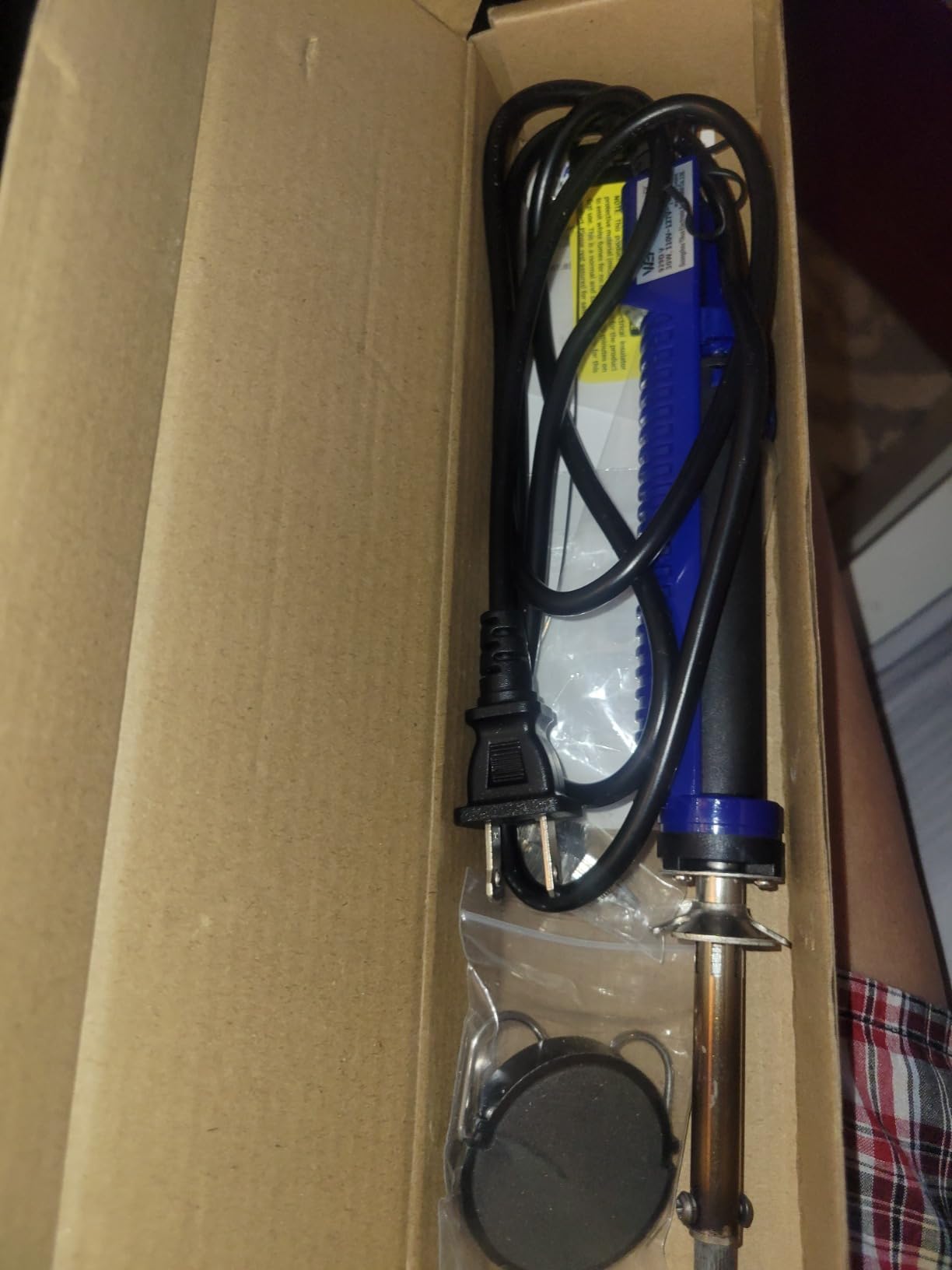
The WEP 929D-V shares its chassis with several other house-brand irons on this list, and the reason it earns a place is the box contents. Where the base models ship with two nozzles, this one includes four nozzle sizes and a stand.
That means four interchangeable nozzle sizes at 0.8mm, 1.0mm, 1.2mm and 1.5mm, covering fine resistor leads through to larger connector pins. On a mixed board that range means you are not stopping to re-tin a tip every third joint because the current one does not fit.
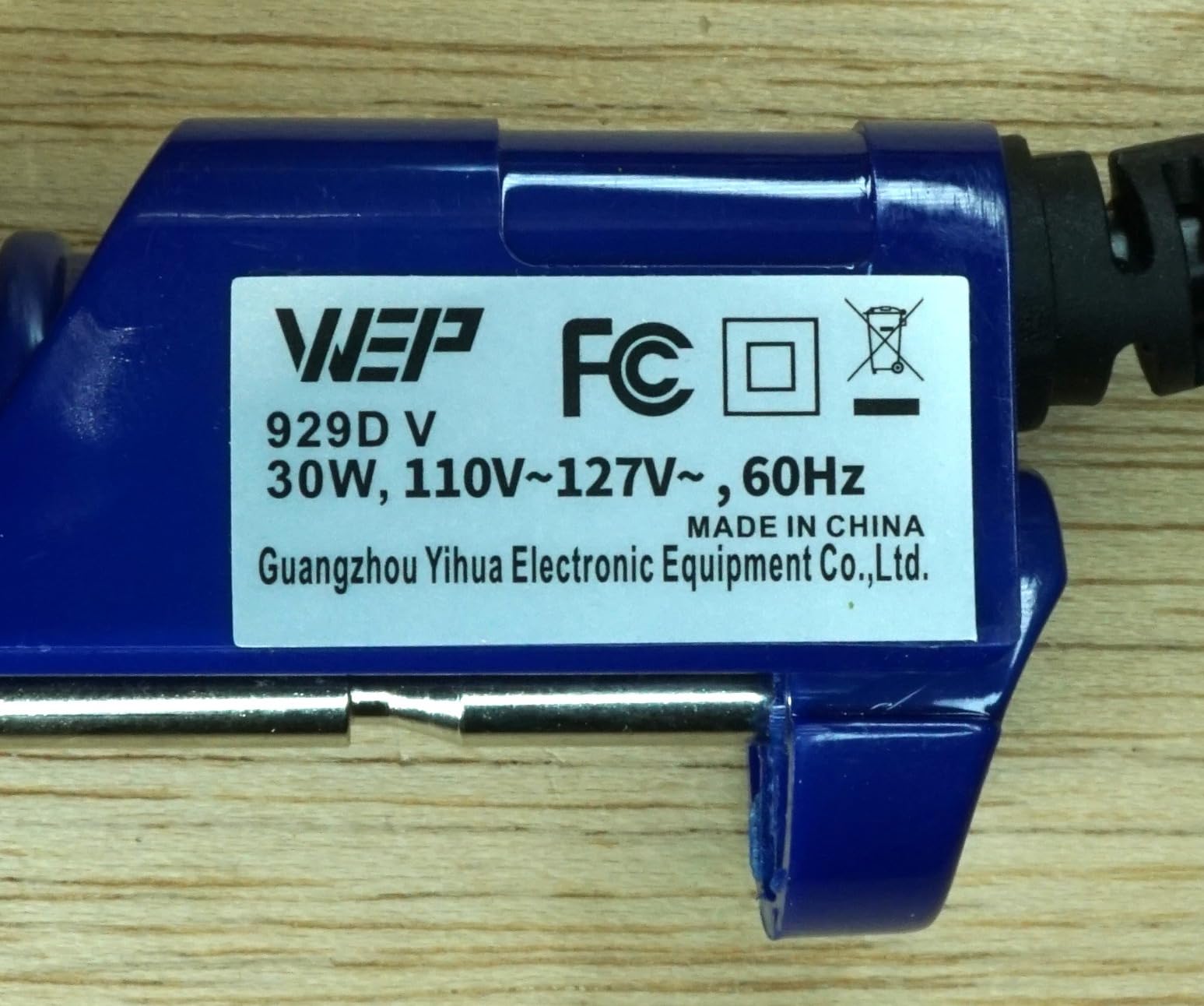
Like its relatives it runs at 30 watts on 110V AC with a fixed operating temperature and reaches working heat in roughly three minutes. The handle is a two-in-one design with a heat deflector, so heating and vacuum happen from one grip without regripping.
The solder residue chamber unscrews for cleaning and the included pin runs through it. The iron stand and sponge are in the box too, which is a genuinely useful inclusion because the alternative is resting a hot tool on your bench mat.
US technical coverage runs a year from the manufacturer. That is not a long support relationship, but it is more than the shorter terms attached to several tools here, and spare parts for the platform are straightforward to find.
What it suits
Choose this when through-hole rework is occasional but varied. Different connectors, different lead diameters, a board where you will hit a 0.8mm resistor lead and a 1.5mm header pin in the same hour. The nozzle range is the reason to pick this over its close siblings.
It is rated for 110 to 127V US specifications with a standard plug, so check your supply if you are outside North America. Anyone working on a 230V supply needs the matching regional version rather than an adaptor.
What to keep in mind
Fixed temperature, as with the rest of this family. It means no adjustment for a delicate board or a stubborn leaded joint, and the three-minute preheat has to happen whether or not you are ready.
The nozzles are consumables and they wear out. Treat that as running cost rather than a one-time accessory. Reviewers also describe suction as moderate on the larger joints, which is the same limitation the other 30W two-in-one designs here share.
8. HighTop 30W Electric Desoldering Pump – Best for PCB and Appliance Repair
HighTop Automatic Desoldering Pump Vacuum Solder Sucker Tool Portable AC110V 30W Electric Desoldering Gun Repair Solder Removal Tool Solder Sucker Iron Tin for DIY with 3 Soldering Suction Tips
30W corded
110V
Nichrome element to 400 C
Hollow conical tip
11 in long, 16 oz
Pros
- Strong suction on thick-film ICs and large joints
- Hollow conical tip suits through-hole leads
- Low entry cost for an electric gun
- Three nozzle sizes and a cleaning rod included
- Listed for circuit board and appliance repair
Cons
- Not truly automatic and needs a separate heating tool
- One-star share at 13 percent on durability
- About 5 minutes of warm-up before suction works
- Less responsive than ceramic elements
The HighTop is listed by the manufacturer for circuit board repair, appliance repair, DIY projects and jewelry work, which is a fair description of what a 30W electric desoldering pump actually does. It is a hollow heated nozzle, a trigger-controlled vacuum, and a cord.
The nozzle range is the most useful thing about it. Three suction tips at 1.0mm, 1.5mm and 2.5mm, with a hollow conical shape that seats over through-hole component leads and larger solder masses. The 2.5mm end covers the big joints on a power board that smaller guns cannot reach into.
Heating comes from a nichrome element rated to 400 degrees Celsius, and the unit takes about five minutes to warm up before suction works well. That is a long wait to plan around, and it happens at the start of every session rather than once.
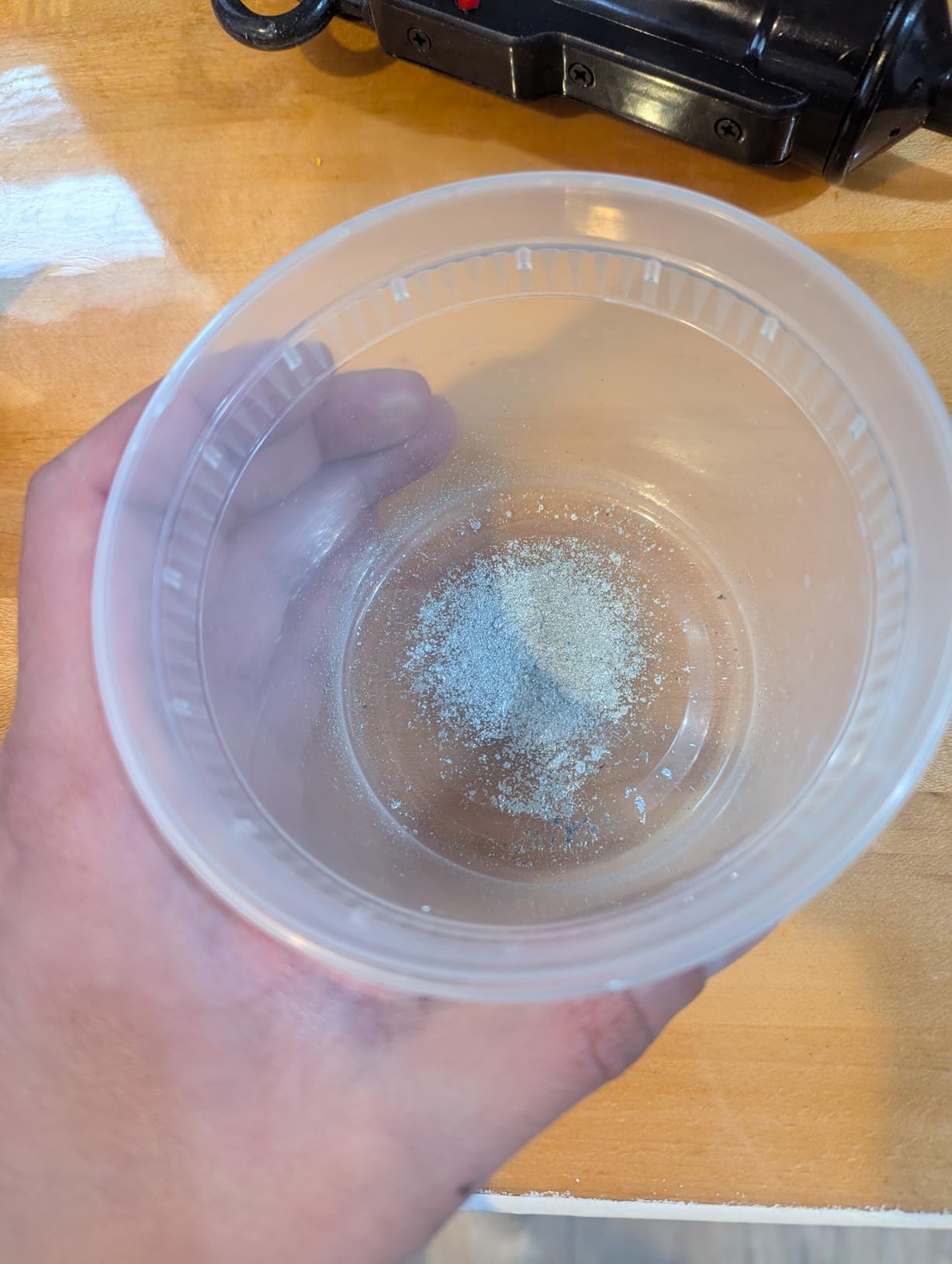
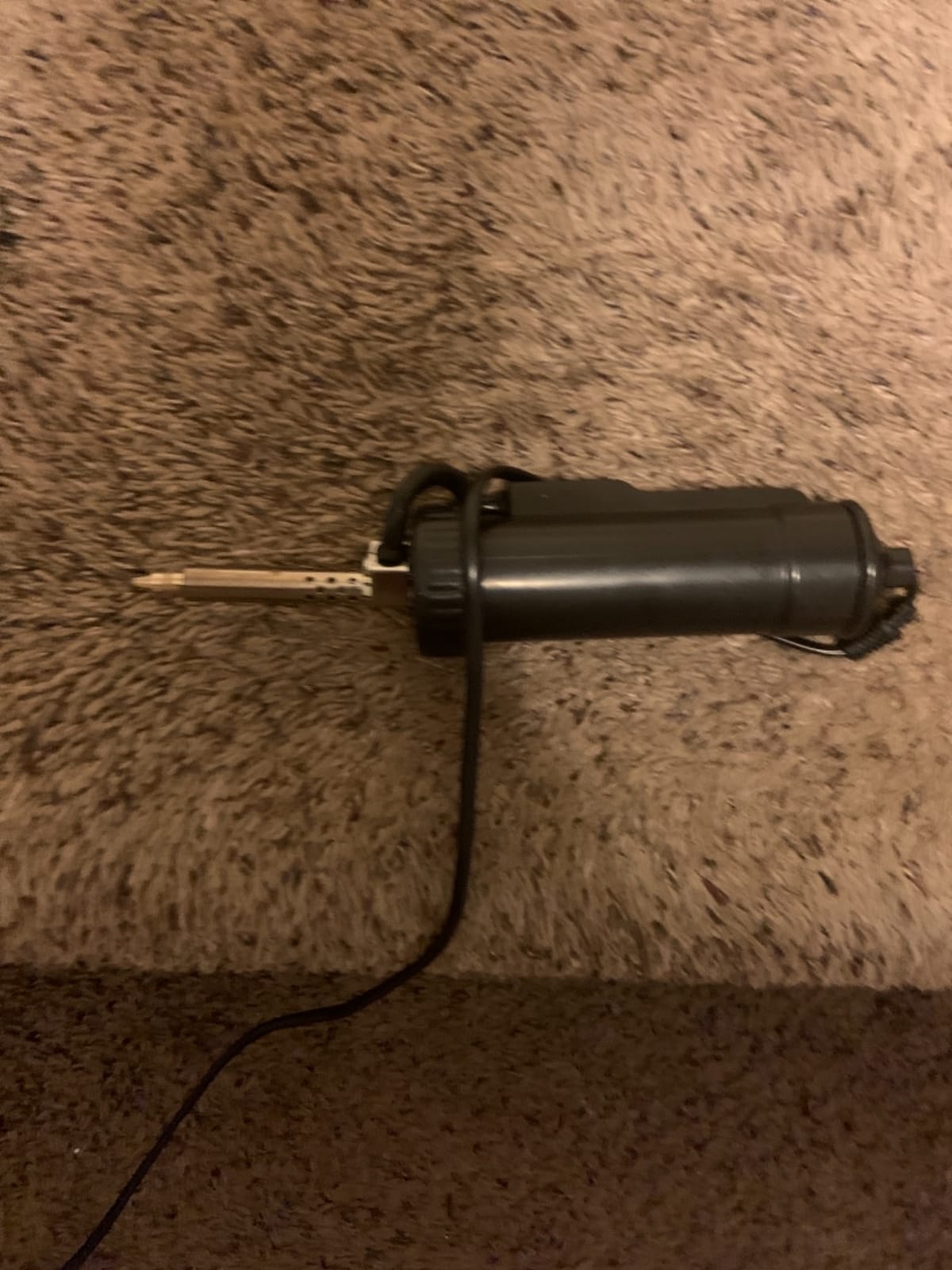
The body is 11 inches long and weighs 16 ounces, plastic, corded on 110V with a US plug. A cleaning rod comes in the box, and the low power draw of 30 watts means it is not competing with your bench lighting for the circuit.
It is not a truly automatic gun. You press a side button for suction, and in practice you pair it with separate heating equipment rather than relying on it to do both jobs alone. That is a workflow difference, not a defect, as long as you plan for it.
Where it works well
Appliance and consumer electronics repair is the natural fit. A control board with a failed relay, a power board with a cracked solder joint, a device with a heat-damaged connector. Those jobs need suction more than they need temperature sophistication.
It is also one of the lower-cost routes here to an electric vacuum gun, which makes it a reasonable first powered tool for a hobbyist who will not get through-hole work every week and does not want a station taking up bench space.
What the reviews flag
Thirteen percent one-star reviews, the highest durability complaint share of the powered guns here. Build quality is the recurring theme, and reviewers treat this as a tool for occasional work rather than one to buy once and keep for a decade.
The nichrome element is less responsive than a ceramic design, which shows up as slower heat recovery between joints. Five minutes of warm-up plus slower recovery adds up on a long job, and the semi-automatic trigger means you are still doing two things at once.
9. YIHUA 948D III Two-in-One Station – Best Combined Soldering and Desoldering Kit
YIHUA 948D III Soldering Iron Desoldering Station Kit with Upgraded Desolder Tool, 110W EVO Solder Iron, Vacuum Pump, 3 Desoldering Nozzles, with Automatic Shutdown, Sleep Mode Functions.
110W EVO iron plus desolder gun
LCD display
392F to 896F
Sleep mode
ESD ground lead
Pros
- Soldering iron and desoldering station in one box
- Both sides heat fast with a readable LCD
- Handles large through-hole joints on vintage boards
- Generous kit of nozzles filters springs and chamber
- ESD grounding lead fitted at the rear
Cons
- Solder sticks to the collector spring so the chamber needs frequent cleaning
- Gun will not run until the tip is at temperature
- Instructions unclear on timer and sleep setup
- Included iron tips weaker than third-party tips
The YIHUA 948D III is a soldering station and a desoldering station in one unit, and that combination is what makes it worth the bench space. The soldering side is a 110 watt EVO element adjustable from 392 to 896 degrees Fahrenheit with fast PID heat recovery for high-heat joints.
The desoldering side covers 716 to 896 degrees Fahrenheit and uses an upgraded gun that heats faster and resists jamming on continuous through-hole work. On a big vintage radio board with heavy point-to-point joints, that combination is what several owners say finally made the job bearable.
The LCD display is larger and more informative than the LED readout on simpler stations, showing set temperature in both units. Automatic shutdown and sleep mode handle the tip-protection side of leaving a hot station unattended, and an ESD grounding lead sits at the rear.
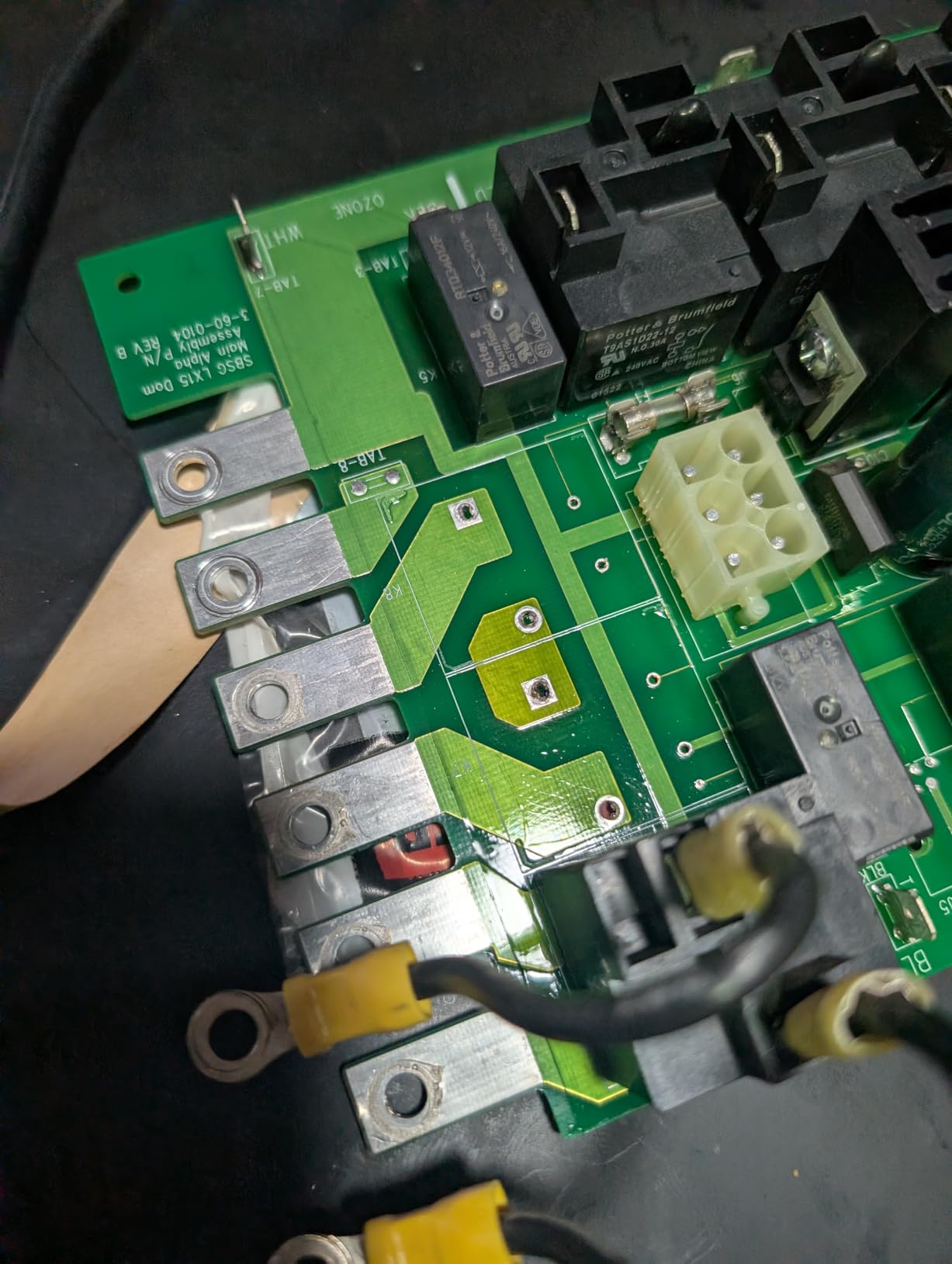
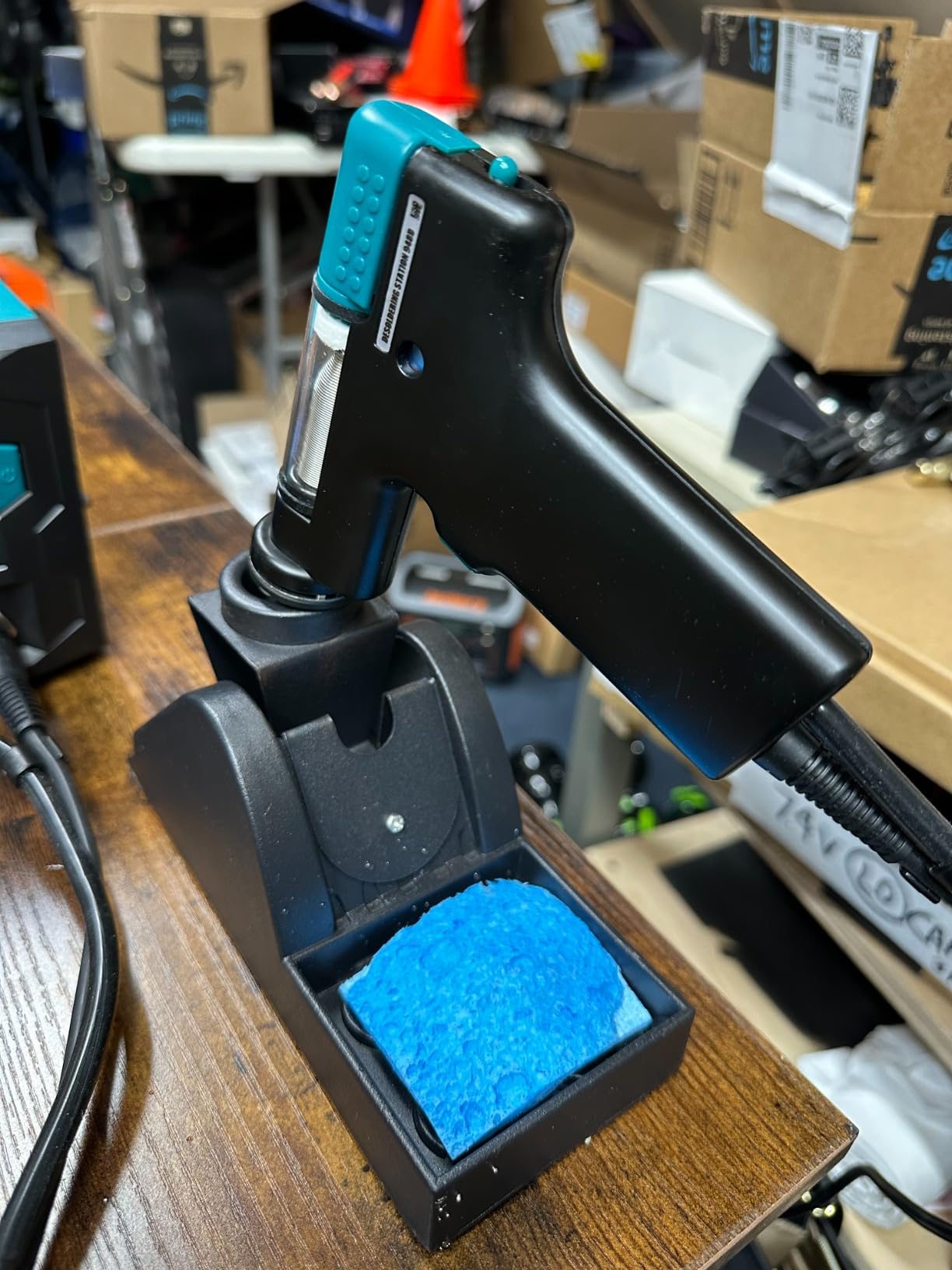
The consumable kit is generous: three pre-tinned nozzles at 0.8mm, 1.2mm and 2.0mm, ceramic filters, adsorbers, filter springs, a transparent solder residue chamber and a set of cleaning pins. At 3.08 kg it is lighter than the earlier 948 while doing more.
Users report it clearing large audio boards and handling heavy vintage joints that manual wicking turned into an evening of work. Spare parts for the platform are easy to find, which matters for a tool you will own for years.
Who benefits from the two-in-one
If you already own a decent soldering iron, the soldering half is redundant. If you do not own good bench gear, this saves buying a separate station, and for a hobbyist building a first serious bench it is the more efficient purchase.
The desoldering side is the reason to look past the price comparison. Larger joints, three nozzle sizes with pre-tinning done for you, and a fast-heating gun that resists jamming are the combination that makes long sessions bearable.
Where the maintenance burden lands
Solder sticks to the collector spring inside the vacuum chamber and hardens there unless you clean it every few pulls. Owners who skip that end up with a gun that loses suction and a chamber that needs pulling apart. The included pins exist for exactly this.
The gun also will not operate until the tip reaches operating temperature, so the first few seconds of a pull do nothing. Instructions are unclear on the timer and sleep mode setup, and the included soldering iron tips are widely considered weaker than third-party replacements.
10. K KERNOWO 929D-V Electric Desoldering Iron – Best Starter Kit
K KERNOWO 929D-V Electric Desoldering Soldering Iron Sucker – Desoldering Pump Tool with 1.0mm & 1.2mm Nozzles, Desoldering Gun with Wick & Cleaning Pin for Through-Hole Solder Removal
30W ceramic element to 450 C
1.0mm and 1.2mm nozzles
About 3 minute heat up
110V AC
Pros
- One-handed heated desoldering instead of juggling iron and pump
- Threaded aluminium barrel disassembles for cleaning and holds vacuum
- Wick sponge and cleaning pin included
- Short handle and heat deflector reduce fatigue
- Clears DIP joints in about three seconds per post
Cons
- No temperature control
- so carelessness overheats boards
- Included nozzles oxidise and wear through quickly
- Plastic body cracked by a light drop for one owner
- White fumes for the first 20 minutes from the mica coating
The K KERNOWO 929D-V is another relative in the same 30W two-in-one family, and it wins its spot for one reason: the accessory set. A desoldering iron, a solder wick, a sponge, a cleaning pin, two interchangeable nozzles and a soldering tip all arrive together.
Having wick in the box matters more than it looks. Even with a good gun you will hit joints it cannot clear, and a braid sitting in the same drawer as the iron is the fastest way to deal with them. It is the most complete starting kit here for a new bench.
The heating element is ceramic rated to 450 degrees Celsius, and the tool reaches working heat in about three minutes with self-adjusting temperature regulation. There is still no user dial, so heat control means working carefully rather than setting a value.
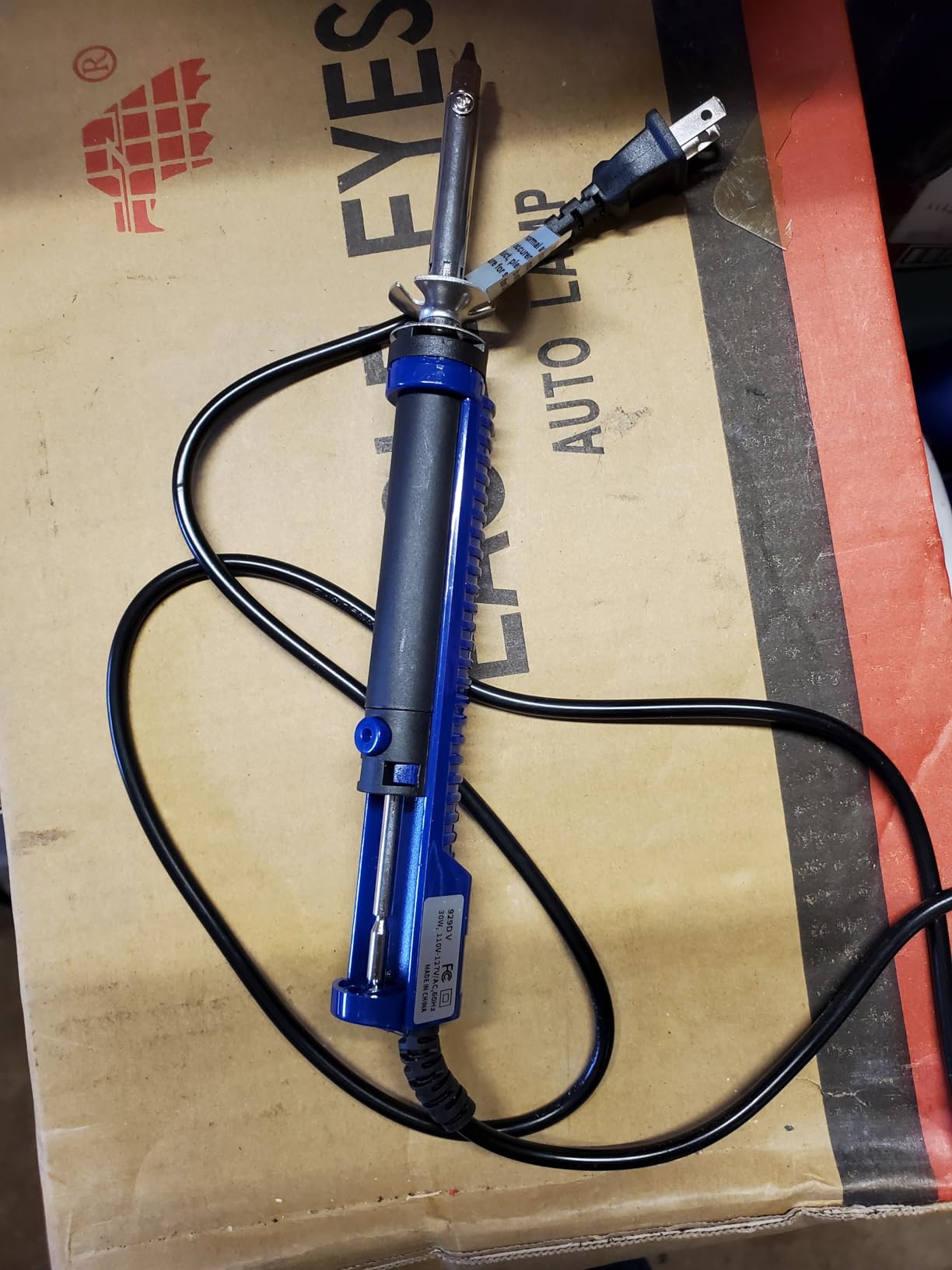
The threaded aluminium barrel is the part worth knowing about. It disassembles for cleaning and the threads hold vacuum well, which is why the pump performance stays consistent after a year of use instead of fading as seals degrade.
A short charging handle and a heat deflector keep hand fatigue down on a long session, and owners report clearing DIP and through-hole joints in roughly three seconds per post once the tool is up to temperature.
Where it fits
It suits retro gear and controller repair in particular, because a heated two-in-one handles lead-free joints that a cold manual pump struggles with and does not need you to swap between an iron and a sucker mid-joint.
On a 110V AC supply with a US plug it works out of the box for North American buyers. It is rated for residential use rather than a production bench, and 24/7 customer support is claimed for the brand.
What frustrated the owners
No temperature control is the top complaint. Fixed power can overheat a board if you leave the nozzle sitting on it, so the technique has to be attentive rather than forgiving.
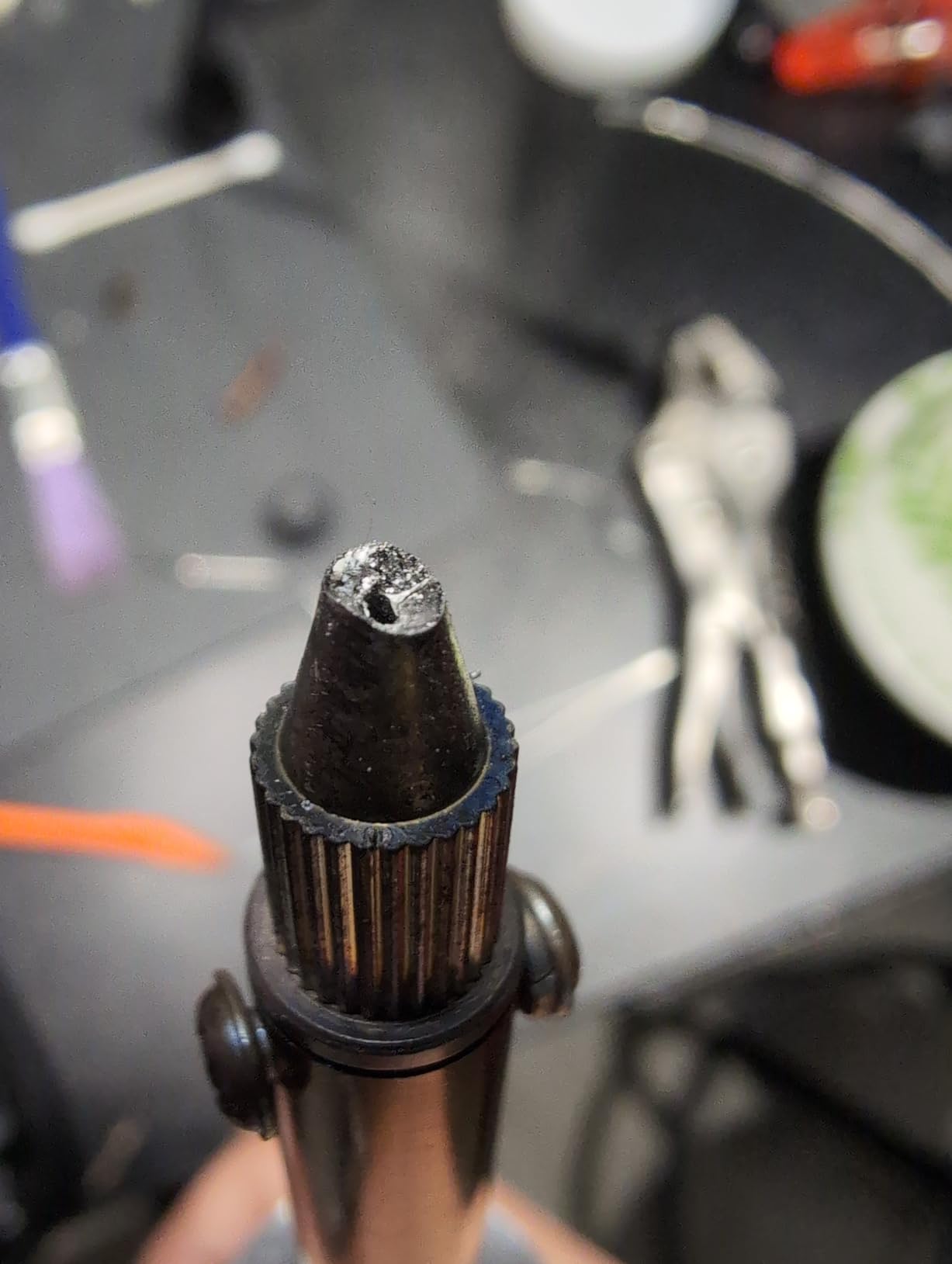
Several reviews document the supplied nozzles oxidising and wearing through within a few hundred pins, and they are difficult to re-tin once damaged. One owner cracked the plastic body with a light drop and the suction stopped. Also expect white fumes for up to twenty minutes on first use while the mica coating burns off, so open a window.
How to Choose a Desoldering Gun for Your Board
Most wrong purchases come down to one question nobody asks early enough: how many through-hole joints do you actually expect to remove in a year. The answer decides the tier faster than any spec sheet. One connector a month is a manual pump and an iron. Fifty joints a week is a station with variable temperature.
Handheld all-in-one or bench station
A handheld all-in-one puts heating and vacuum in one grip, which makes it fast on scattered work and completely portable. Its weakness is thermal stability: a small heating element sags when you pause to reposition a board, so the next joint gets less heat than the last.
A bench station keeps the power supply on the table and sends only the gun to the work. Nozzle temperature stays stabilised because the mass is larger and control is closed-loop. In return you give up portability and gain a tool that sits on a bench for years. Choose handheld if the work moves around, station if the work stays put.
Temperature control matters more than wattage
Wattage tells you how fast a tool recovers heat, not how hot it gets. Temperature control tells you what happens on a delicate board. A fixed-power 30W iron that overheats a small-pad board will damage it regardless of how quickly it heats.
If your work includes modern multilayer boards, anything with fine traces, or mixed leaded and lead-free assemblies, put adjustable temperature near the top of your list. If you only ever strip old leaded boards, fixed temperature is a compromise you can live with.
Match the nozzle range to your joints
A nozzle has to seat over the pin or the joint and inside the hole for suction to work. Most tools ship with one or two sizes, and that single fact explains more disappointing first impressions than anything else.
Look for coverage from about 0.8mm to 2mm at minimum. Fine leads on a dense board need the small end, and large connectors or electrolytic capacitors need the large end. Tools that include a wider range in the box, like the four-size kit on this list, save you from buying nozzles one at a time after a tip wears out.
Voltage and where you are buying from
Most of the tools here are 110V AC with a US-style plug. That is correct for North America and wrong for a 230V supply, where the same product families are usually sold in a regional version. Check the input voltage listing before you order, because a 110V unit on a 230V supply simply will not heat properly.
Also think about after-sales support. Consumables like nozzles, filters, springs and tubes are where every one of these tools eventually needs money, and a brand with an established distributor sells those parts for years. A tool whose parts disappear from the market becomes expensive to keep.
If you want a comparison approach for shopping decisions generally, our guides to caulking guns for contractors and pneumatic caulking guns work the same way: match the tool to the job volume, not to the spec sheet.
How to Desolder a Through-Hole Joint Without Lifting a Pad
Pad lifting is the fear that comes up again and again on repair forums, and it is mostly a heat problem rather than a suction problem. The vacuum removes solder, but the pad comes away when the adhesive between the pad and the board laminate gives up. More heat makes that more likely, so the technique below is built around short, controlled applications.
Work from the back. Turn the board over so the joint faces up. Heat applied from the front pushes the solder column away from the pad you are trying to save.
Use fresh solder. Drop a small amount of new solder onto the joint first. A fresh molten pool mixes with the old and drops the melting point, so the joint clears at a lower temperature.
Keep the nozzle centred. Seat the hollow nozzle over the pin and the joint together. Off-centre contact heats the pad ring directly and is a common cause of lifting.
Heat briefly, then trigger. Give it a couple of seconds, not a long dwell. As soon as the solder moves, apply suction and hold the trigger for a moment.
Pull straight up. Lift vertically and gently once the solder moves. Angling the gun levers the pin against the hole wall, and repeated levering cuts the trace.
Stop after two passes. If the hole has not cleared, re-tin with fresh solder and try again rather than holding heat on it. A third attempt on the same joint is where pad damage usually starts.
On double-sided boards, expect residue. Solder hides inside the copper-lined hole. Add fresh solder to the back side and clear it from there rather than forcing more heat through the front.
On high-density multi-pin IC footprints, work from one corner and move along the row rather than trying to heat every pin at once. Broad heating across a whole row of pins cooks more board than the job requires.
Anti-Clog Maintenance and Filter Cleaning Schedule
Almost every complaint about desoldering guns is really a complaint about maintenance. The tools rated well by owners are the ones whose users clean them on a schedule; the ones rated badly are usually judged on the third week of skipped cleaning.
After every few joints. Run the supplied cleaning pin or rod through the nozzle and down the bore while the tube is still warm. This takes seconds and prevents most clogs entirely.
Daily. Unscrew the solder collection tube or chamber and empty it. Owners who do this find far more solder recovered than they expected packed into the tube.
Weekly or monthly by use. Pull the filter spring and check it for the hardened solder ring that forms around the last turn. That ring is the plug that kills suction, and it comes off with the pin.
Check the nozzle bore last. A nozzle that has been heat-cycled enough times develops a solder skin inside the bore. Run the pin through while the tip is still warm from the last joint rather than waiting for it to cool.
On a schedule tied to volume. Replace ceramic filters and adsorbers on the station tier at a fixed interval rather than waiting for a symptom. Budget guns need this more often than premium ones.
Always before storing. Clear the bore, empty the tube, and let the nozzle cool before it goes back in the holder. Solder left in a cooled tip is the hardest kind to remove.
The failure signature is always the same. Suction fades over several days rather than dropping suddenly, and the reason is a narrowing bore. Treat fading suction as a maintenance signal, not a fault, and the tool will stay useful for years.
One safety note that is easy to skip. Flux fumes from heated solder need ventilation, and working with leaded solder means washing your hands afterwards. A bench fan or a fume extractor costs little and makes a long session far more comfortable.
Desoldering Gun vs Braid, Hand Pump and Hot Air
A desoldering gun is not always the right answer, and buying one for the wrong job is an expensive way to learn that. Here is how the four main approaches compare.
When wick and an iron are enough
Desoldering braid with a good iron is the cheapest method and it still handles small through-hole joints well. It is slower, it heats the board longer, and it drags flux and heat along the trace path, but for a handful of joints it costs almost nothing and takes no setup.
If your total work is a few joints per year, braid and an iron are the sensible purchase. The manual pump pairs well with that setup for a small step up in speed, and both handle leaded joints without any risk of cooking a board.
Braid has one edge over every gun on this list. It lifts solder out of a joint even when the joint will not flow properly, so it is the rescue tool for a stubborn connection where the gun nozzle will not seat. Keep a metre of it on the bench for exactly that.
When a hand solder sucker wins
A hand pump is faster than braid because you heat and pull in one motion rather than heating and wiping. It has no moving parts to fail and no filters, so nothing needs servicing. Its limit is joint size, since a small bore cannot clear a large connector.
Hand pumps also suit places where you cannot run mains power, and they pair naturally with low-power cordless irons for lead-free work on the go.
When hot air is the correct tool
A heat gun will melt solder, but it does so indiscriminately and can reflow neighbouring components, lift parts you did not intend to remove, and damage heat-sensitive parts. It is a rework tool for surface-mount chips, not a desoldering solution for through-hole work.
A hot air rework station is the right tool for removing multi-pin surface-mount ICs and connectors where the whole component needs to come off at once. Many bench setups own both, using the desoldering gun for through-hole leads and hot air for surface mount.
When to choose each
Wick for a few small joints. Hand pump for scattered small through-hole work without mains access. Desoldering gun for repeated through-hole removal on boards you care about. Hot air rework station for surface-mount chips and heat-sensitive parts.
Most people who do this work end up with two tools rather than one, because through-hole and surface-mount removal have genuinely different answers.
Frequently Asked Questions
What is a desoldering gun?
A desoldering gun is an electrically heated hand tool with a hollow nozzle and a built-in vacuum pump. The nozzle melts the solder on a joint, and pulling the trigger applies vacuum that pulls the molten solder through the nozzle into a collection tube, emptying the joint in one motion.
What is the best desoldering gun?
The Hakko FR301-03/P is the best all-round desoldering gun in our testing. Its 140 watt ceramic element, closed-loop temperature control adjustable to 500 degrees Celsius and strong suction cleared plated through-holes in a single pass. For light work, a manual pump such as the VIRALLOY SS-786 covers most jobs without any power at all.
What is the best way to desolder?
Turn the board over and work from the back, add fresh solder to lower the melting point, centre the hollow nozzle over the pin and joint, heat briefly rather than holding it, then apply suction and pull straight up. Stop after two passes and re-tin rather than applying more heat, since most pad lifting happens on the third attempt.
Which desoldering pump is considered the best quality?
Among manual solder suckers, a CNC-machined aluminium body with a silicone nozzle is the quality marker, which is why the VIRALLOY SS-786 stands out. Silicone does not solder-stick the way copper does, and a machined aluminium barrel keeps vacuum consistent over years of use compared with a plastic-bodied pump.
Will a heat gun remove solder?
A heat gun will melt solder, but it heats everything in its path rather than one joint, so it can reflow nearby components, shift parts you meant to keep in place and damage heat-sensitive parts. Use a hot air rework station for surface-mount chips, and a desoldering gun or wick and iron for through-hole joints.
The Best Desoldering Guns for Circuit Boards: Final Verdict
The Hakko FR301-03/P is the best desoldering gun in this roundup, and it earns that on the strength of one thing: it holds temperature while it pulls. Owners describe it as the tool that pays for itself in saved wick and bench time, and after comparing ten of them that reputation held up.
Below it, the choice is about volume. Occasional through-hole work is well served by the VIRALLOY SS-786 manual pump, which needs no power and no maintenance. Regular hobbyist work gets the YIHUA 929D-V two-in-one. A busy bench deserves a station, and the YIHUA 948 or the two-in-one 948D III cover that ground.
Whatever you pick, budget for two things people forget: a spare nozzle and a cleaning pin you will actually use. Both cost little, and together they decide whether the tool stays good for the next 2026.