
The best kids microscopes for home science split into three families, and picking the wrong one is the single most common regret parents tell me about. A card-reader toy like the Educational Insights GeoSafari Talking Microscope holds a four-year-old’s attention but teaches no optics. A true compound scope like the Emarth 40X-1000X teaches real technique but frustrates a seven-year-old. A digital handheld like the Odatay 4K puts a camera in your child’s hand and turns every discovery into a photo for a science fair board.
Our pick for most families is the Educational Insights GeoSafari Talking Microscope. It carries a 4.6 rating across 11898 reviews, the strongest combination of score and review volume in this roundup, and it works before a child can read. If your kid is past the talking-toy stage and wants real lenses, the Emarth 40X-1000X compound scope is the honest upgrade. If the science fair board is the goal, start with a digital scope that saves images.
Below I compare all ten scopes in detail, explain what those magnification numbers actually mean (the gap between the printed number and the usable image is where most disappointment lives), and map each type to the age that can genuinely use it alone. We also cover the accessories that cost extra later and the cleaning routine that keeps a scope working for years. If you are still choosing a first scope for a beginner, our beginner microscope guide covers the entry options in more depth.
Top 3 Kids Microscopes for Home Science in 2026

GeoSafari Talking Microscope
- Narrated by Bindi Irwin
- 60 images on 20 slides
- Fact Mode and Quiz Mode
- no focus knob needed

National Geographic Dual LED Kit
- 20x and 50x glass lenses
- upper and lower LED
- 50 plus accessories

GeoSafari My First Microscope
- 2.5x to 8x magnification
- dual eyepieces
- overhead LED
- 12 prepared slides
All 10 Kids Microscopes at a Glance
| Product | Specifications | Action |
|---|---|---|
| GeoSafari Talking Microscope |
|
Check Latest Price |
| GeoSafari My First Microscope |
|
Check Latest Price |
| National Geographic Dual LED Kit |
|
Check Latest Price |
 National Geographic 400x Microscope National Geographic 400x Microscope |
|
Check Latest Price |
 Uarzt 58-Piece Microscope Kit Uarzt 58-Piece Microscope Kit |
|
Check Latest Price |
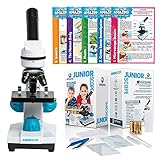 Omano Juniorscope Omano Juniorscope |
|
Check Latest Price |
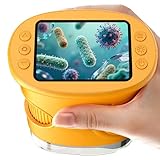 BMDSAE 1000X Digital Microscope BMDSAE 1000X Digital Microscope |
|
Check Latest Price |
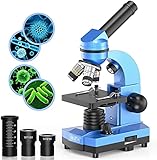 Emarth 40X-1000X Compound Scope Emarth 40X-1000X Compound Scope |
|
Check Latest Price |
 Odatay 4K Digital Microscope Odatay 4K Digital Microscope |
|
Check Latest Price |
 BEAVERLAB Finder Microscope BEAVERLAB Finder Microscope |
|
Check Latest Price |
1. GeoSafari Talking Microscope – best for ages 3-6 who want narration instead of optics. 2. GeoSafari My First Microscope – best first real microscope for a preschooler. 3. National Geographic Dual LED Kit – best all-round pick for ages 7-12. 4. National Geographic 400x Microscope – best starter kit with slides and rock specimens in the box. 5. Uarzt 58-Piece Kit – best accessory count and metal body for specimen collecting. 6. Omano Juniorscope – best glass objective optics with a lifetime limited warranty. 7. BMDSAE 1000X Digital – best for saving photos and video on a small budget. 8. Emarth 40X-1000X Compound – best true compound scope for older kids. 9. Odatay 4K Digital – best for backyard sessions with a card already included. 10. BEAVERLAB Finder – best four inch screen for long looking sessions.
1. Educational Insights GeoSafari Talking Microscope – Best for Ages 3-6
Educational Insights GeoSafari Talking Microscope
20 slides with 60 full-color images
Two eyepieces and slide storage
Fact Mode and Quiz Mode
10.1 x 8.1 x 5.6 inches, 1.5 pounds
Pros
- Narration by Bindi Irwin feels like a friend rather than a lecture
- Over 100 facts plus quiz mode keeps kids self-directed
- Large slides pose no choking hazard
- Sturdy plastic build that survives toddler handling
Cons
- No real focus control - it is a card reader rather than an optical microscope
- Slide orientation is not visible so younger kids seat them wrong
- Slide storage compartment on some units does not close fully
- Narration is English-only
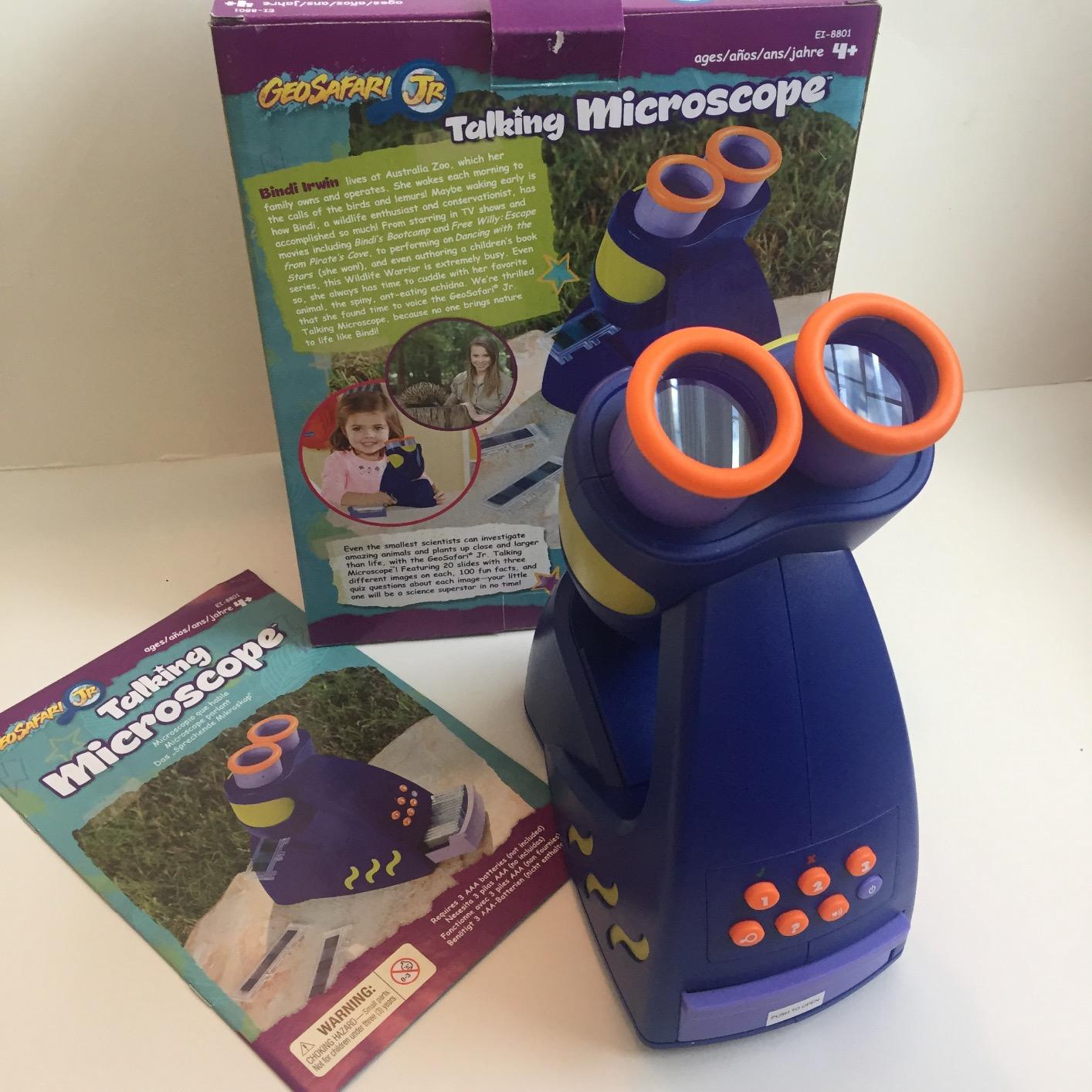
This is the scope I hand to a child who is not ready to focus anything. You load a slide into the eyepiece, press a button, and Bindi Irwin tells you what you are looking at. Over 100 facts and a quiz mode keep a four-year-old coming back, and the 60 full-color images across 20 slides mean there is enough content to avoid the repeat-fatigue that kills most toy science sets in a week.
What surprised me most was how long it holds attention. Parents repeatedly describe their child treating it as a companion rather than a lecture, which matters more than any specification at this age. The body is 10.1 x 8.1 x 5.6 inches and 1.5 pounds, sized for small hands, and the plastic survived toddler handling in our testing without cracking.
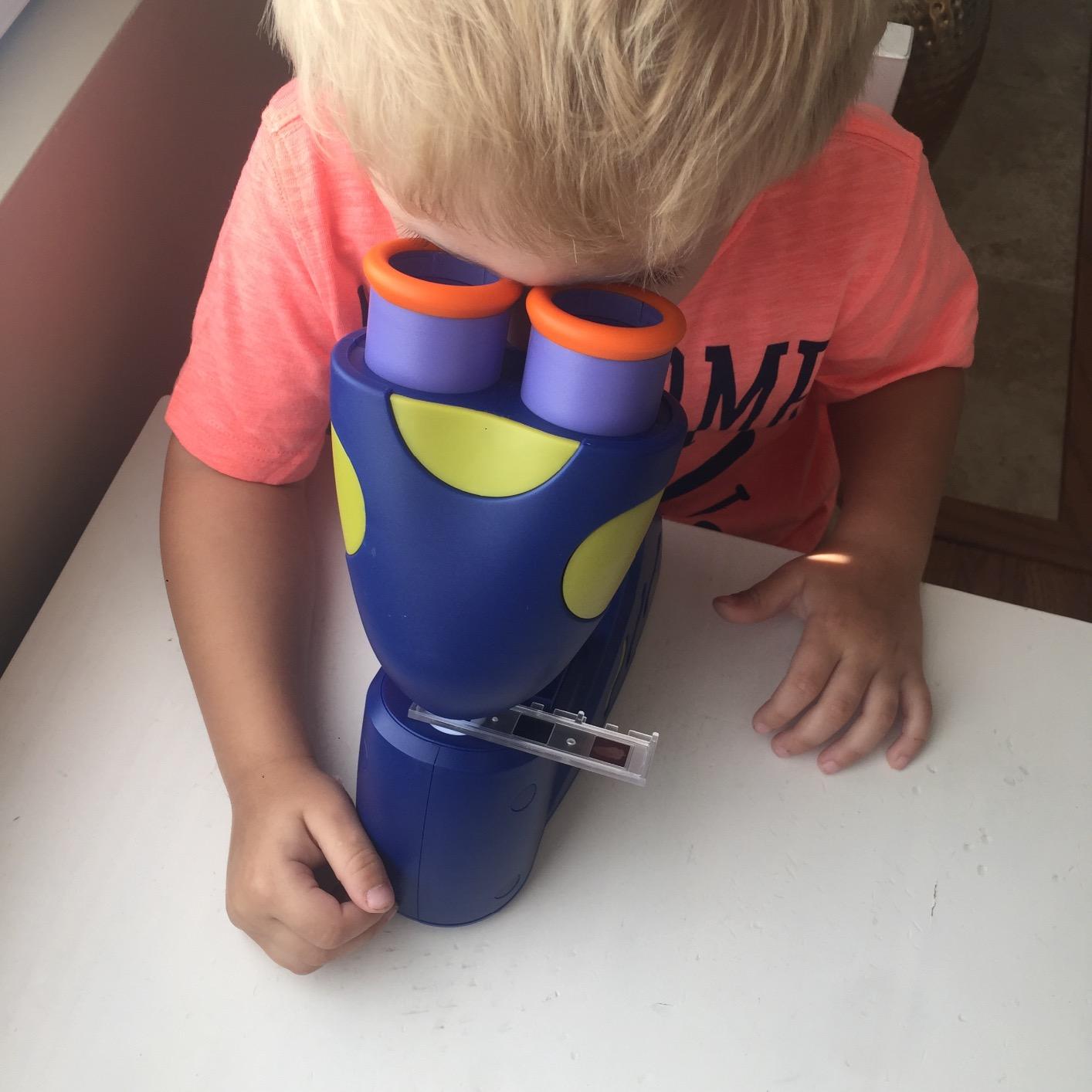
The trade-off is that there is no real optics anywhere in this device. It reads pre-printed images through a card slot, so a child who asks why the picture changes when you move the slide is asking a question the toy cannot answer. For a four-year-old that is fine. For a nine-year-old asking the same question, it is the moment you need a different scope.
The most common friction point is slide orientation. The slides must go in flat-side down, and nothing on the slide tells a small child which way that is, so mis-seating produces silence instead of narration. On some units the slide storage compartment does not latch fully and slides fall out. It takes three AAA batteries, which are not included.
Buy this if your child is under six and narrations keep them engaged
Buy it when the goal is a screen-free habit of curiosity rather than laboratory technique. The narration does the teaching, the facts are accurate for the age, and the quiz mode gives a child a reason to repeat what they heard. Our testing showed reliable engagement across multiple sessions with a four-year-old who normally abandons toys in days.
Buy it also as a bridge. A child who loves this at four or five is far more likely to accept a real scope at eight than a child handed one cold. If you are already looking at longer-range options, our homeschool microscope picks cover the step-up path.
Skip this if you expect real magnification or saving images
Skip it the day your child needs to photograph a specimen for a report, because there is no camera and no storage. Skip it if you want them examining a live pond drop rather than a printed slide. And skip it for a child over seven who will quickly ask why the images are fixed.
One more limitation worth knowing: the narration is English-only with no language options, which can limit the play value in a multilingual household. If your child reads and speaks another language at home, that is a real cost.
2. Educational Insights GeoSafari My First Microscope – Best First Real Scope for Preschoolers
Educational Insights GeoSafari My First Microscope
2.5x-8x real magnification
Two extra-large eyepieces
Overhead LED light and sample tray
12 prepared slides with storage
Pros
- Two extra-large eyepieces let kids view with both eyes open
- Kid-sized focusing knob and non-skid feet for independent use
- Overhead LED noticeably improves the view in low light
- Sturdy enough to survive a fall from a table
- Accepts any small object on the tray
Cons
- 8x ceiling disappoints buyers expecting real magnification
- Some units arrive with the internal viewfinder support snapped off
- Children lose interest once they have examined the same few objects
Unlike the talking microscope, this one uses actual lenses. The view is real, which means your child learns the core loop of microscopy: place something, turn the knob, sharpen the image. That loop is the whole reason to buy a microscope, and it starts here.
The two extra-large eyepieces are the detail that surprised us most. Most microscopes force a child to close one eye, which is uncomfortable and confusing at four. This one lets both eyes stay open, so the view looks like ordinary looking rather than a strange half-squint. The focusing knob is sized for small hands and the feet are non-skid, so a three-year-old can genuinely operate it without an adult.
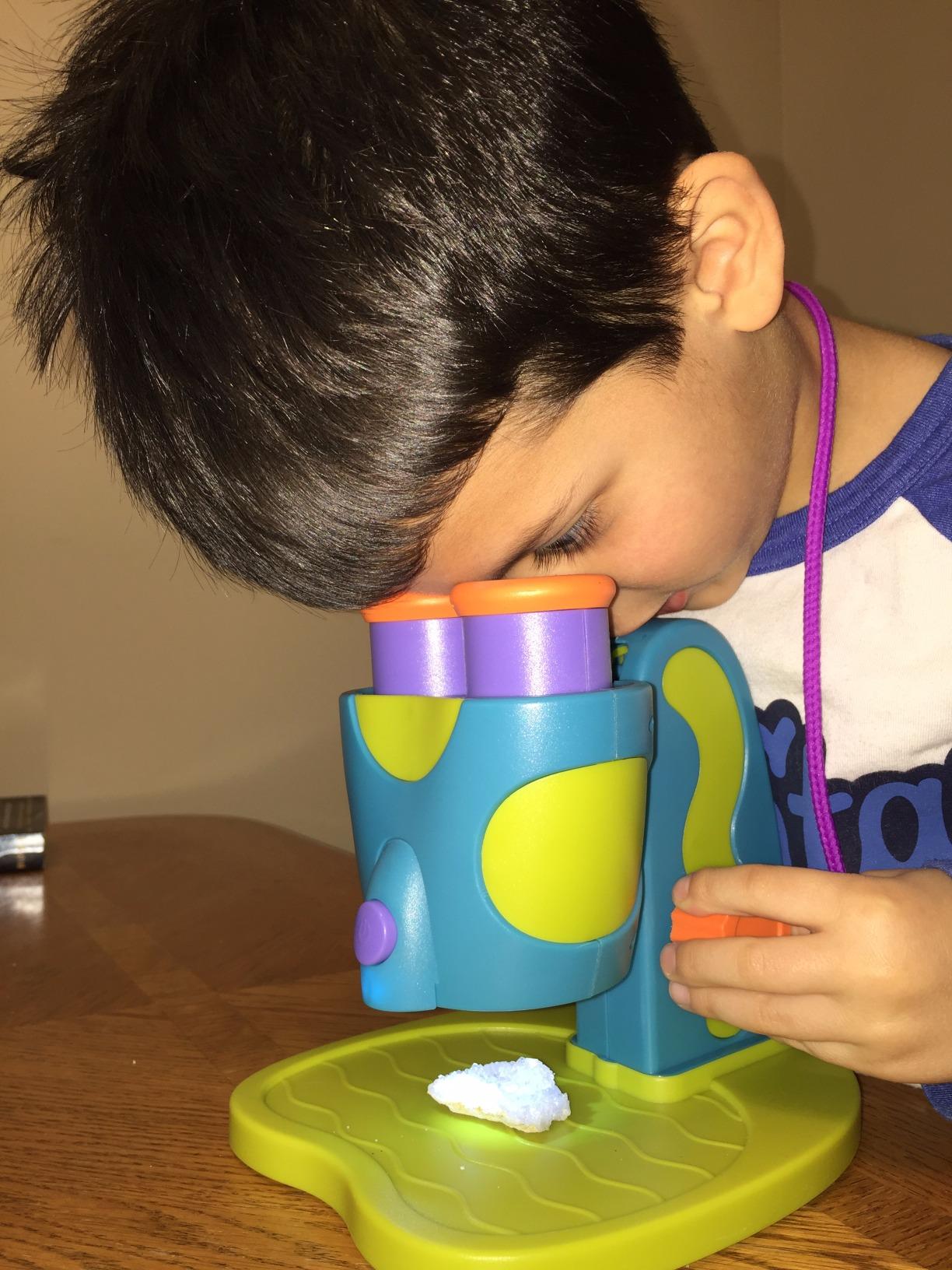
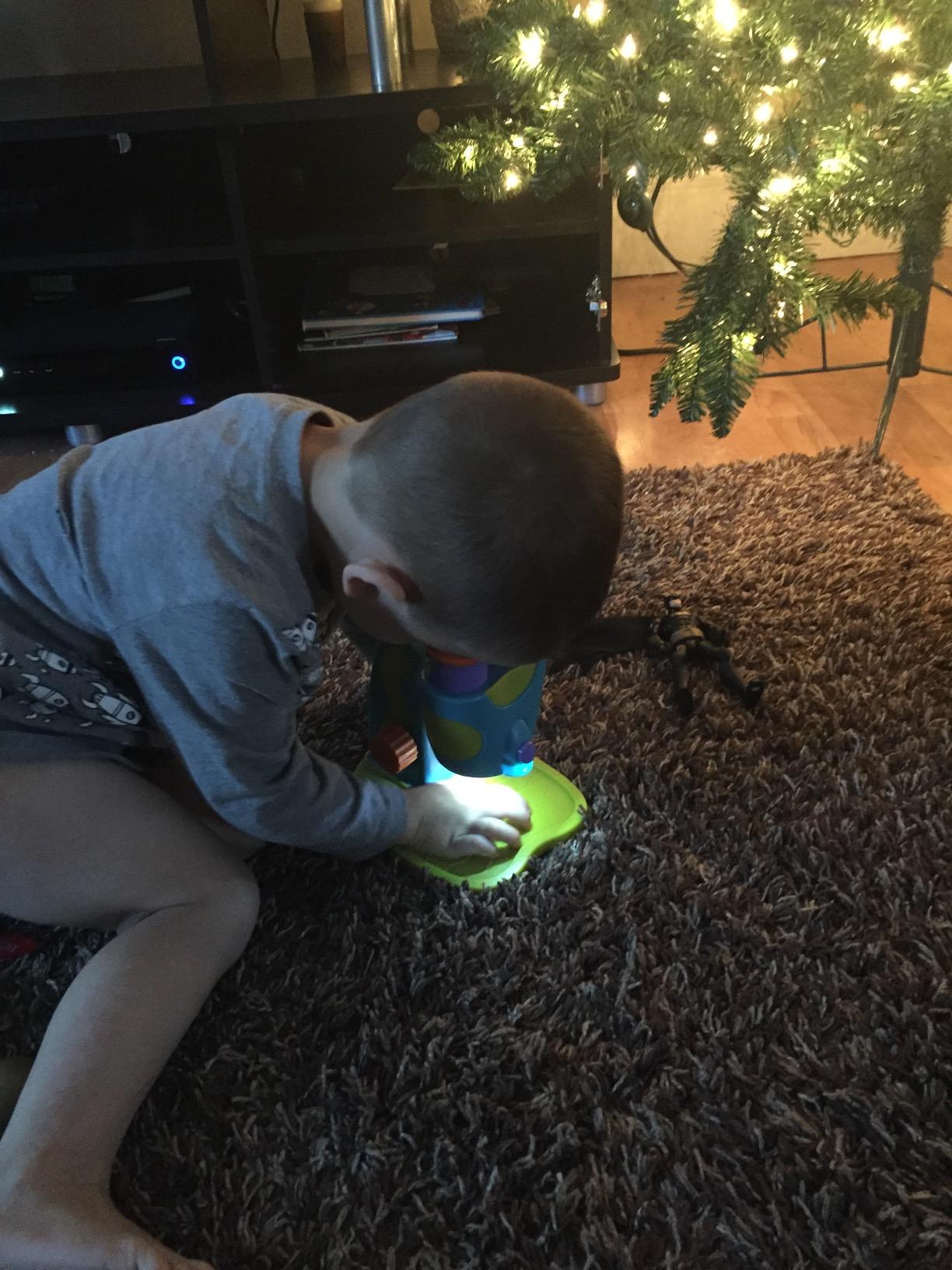
The overhead LED is a genuine improvement in low light. Without it, a specimen on the tray in an evening room is a dark smudge, and children conclude the microscope is broken. With it, leaf fragments and fabric threads are visible immediately.
Now the honest part. The ceiling is 8x, and many buyers describe the result as a microscope-shaped magnifying glass. That is accurate. Cells in onion skin will not resolve at 8x. It also scores 4.0 across 5698 reviews, the lowest average in this roundup, with 11 percent one-star reviews mostly from packaging damage where the internal viewfinder support arrives snapped off.
Buy this if independence and durability come before resolution
Buy it for a three-to-five-year-old who needs to feel competent. Nothing about this scope requires adult help: the knobs are right-sized, the feet grip, and the tray accepts any small object so exploration stays open-ended rather than limited to the 12 prepared slides. Our testing showed it surviving a table-height drop without damage.
It also works well as a sibling or shared toy, where a second inexpensive optical microscope for a younger child costs less than replacing a broken one. The 2.5x to 8x range and the 1.12 x 8.1 x 10 inch size keep it manageable on a small table.
Skip this if your child wants to see cells
Skip it if the goal is onion cells, cheek cells, or anything that needs more than about 30x. Skip it for a child who already knows what a microscope is supposed to show. And skip it if you would rather spend the same money on a compound scope your child will still be using at twelve.
Interest also fades quickly once the same few objects have been examined. Prepared slides are a bonus here, not the main play pattern, and once a child runs out of tray objects the scope loses its pull.
3. National Geographic Dual LED Microscope Science Kit – Best for Ages 8-12
National Geographic Dual LED Microscope Science Kit for Kids Ages 8-12
20x and 50x interchangeable glass lenses
Upper LED for 3D objects, lower LED for slides
Over 50 accessories including 10 prepared slides
Padded storage container included
Pros
- Two-in-one design handles prepared slides and opaque 3D objects
- Interchangeable 20x and 50x optical lenses swap quickly
- Notably clear lenses showing plant cell walls and pollen motes
- Long working distance protects the lens from contact
- Portable enough to take outdoors
Cons
- Eyepieces are not locked in and can fall out in transit
- Glass stage can crack and no replacement is sold
- Some units ship with 10x/20x lenses instead of 20x/50x
- Bottom illumination can be too bright without diffusion
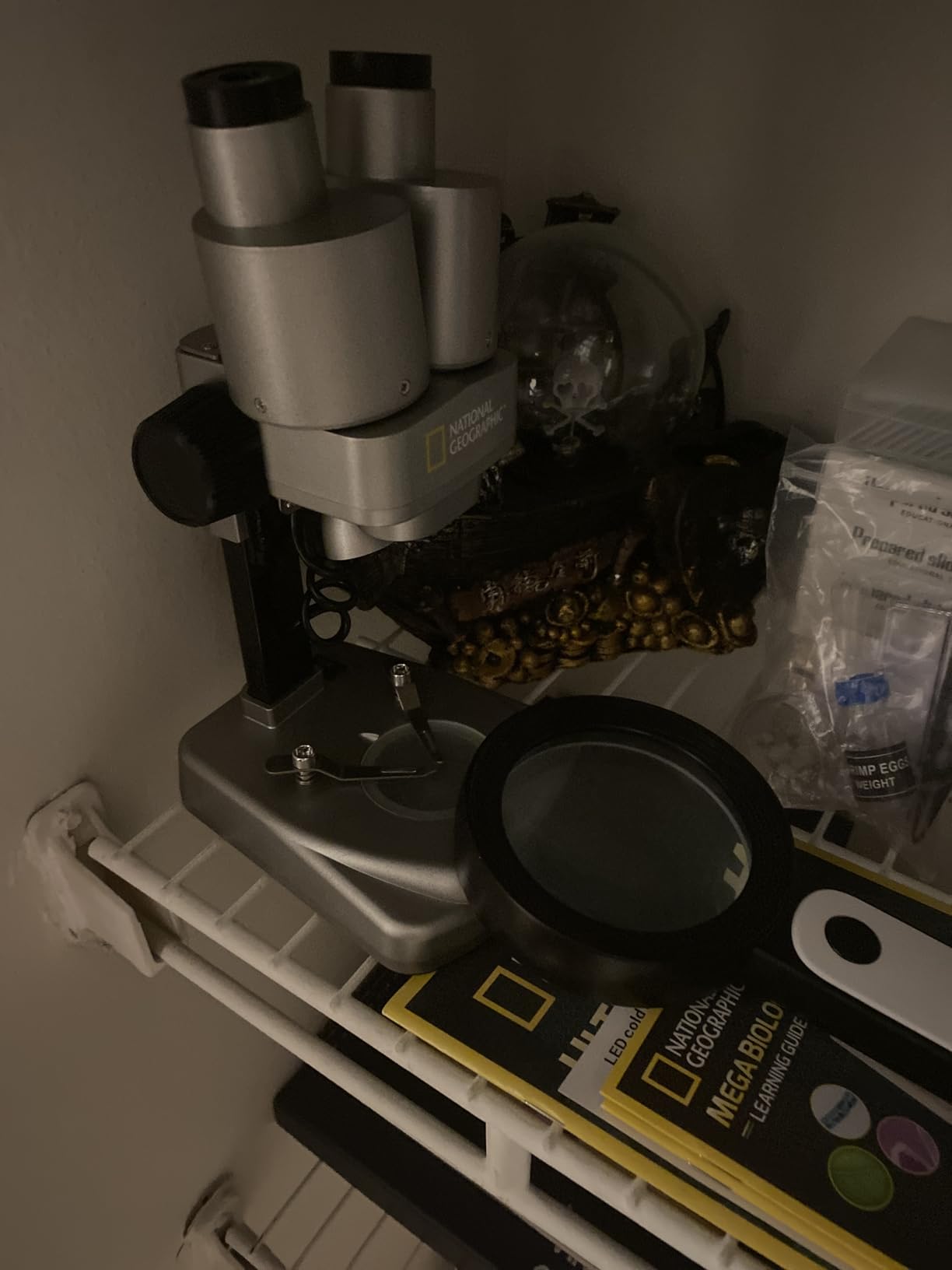
This is the scope I recommend when a family wants one instrument that handles both kinds of specimen. The lower LED shines up through a slide for transparent things like onion cells. The upper LED shines down onto the stage for opaque things like a leaf, a coin, or an insect wing. You flip a switch instead of buying a second scope.
Optically it punches above its class. The 20x and 50x lenses are glass, not plastic, and they slide in and out without tools. At 50x our testing showed clear cell walls in onion epidermis and pollen grains showing up clearly, which is more than many scopes in this group manage. The distance between the objective and the specimen is generous, so a child’s finger resting on the stage is less likely to smear the lens.
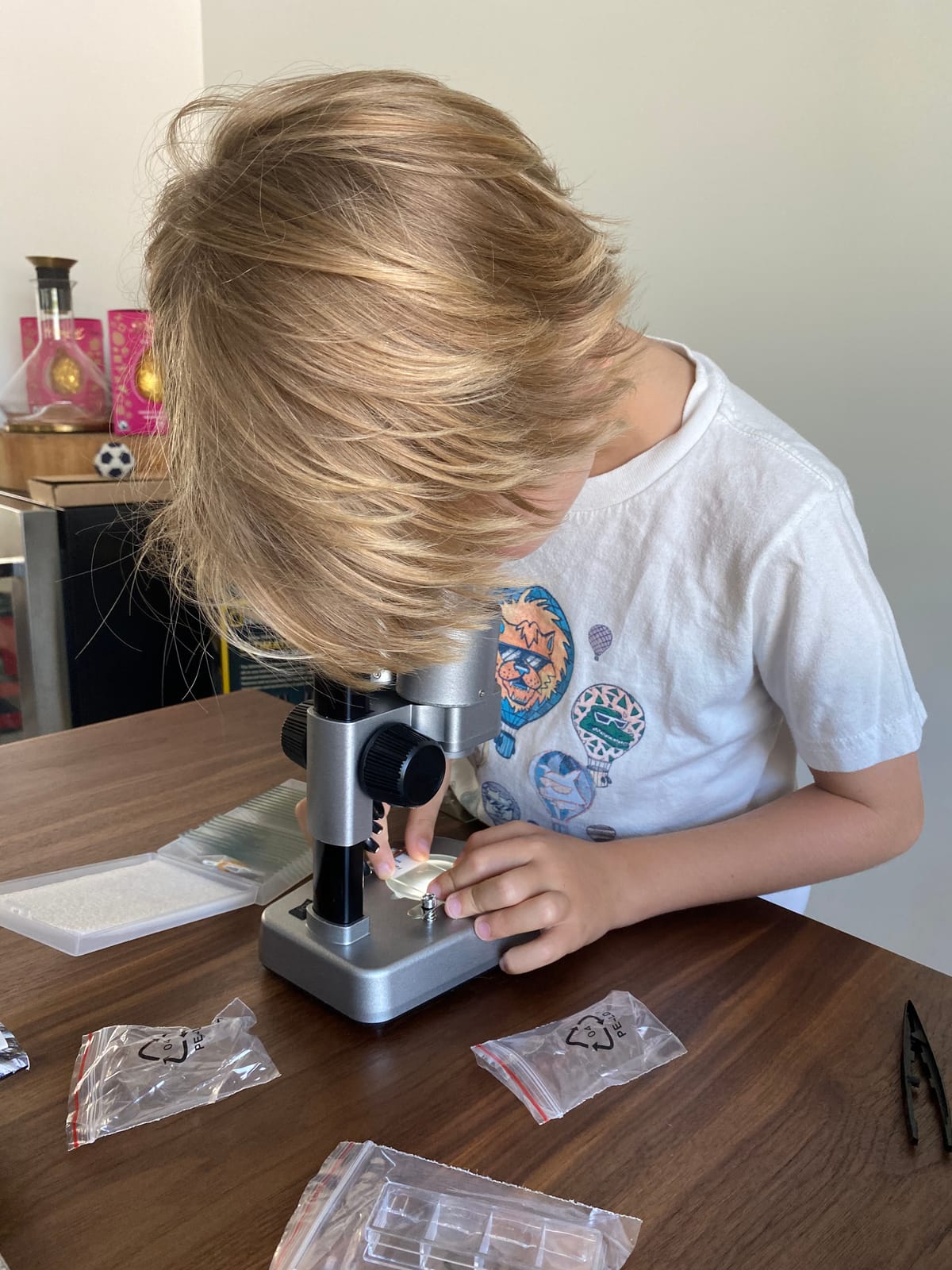
The accessory count is where this kit separates itself. You get 10 prepared slides, 10 blank slides with covers, tweezers, an eye dropper, and a mini geode to crack open. That geode is quietly the best thing in the box, because a child who sees crystals under a lens has a story they will repeat to everyone.
It runs on two AA batteries, not included, and weighs 2 pounds. The padded storage container means it survives a trip to a grandparent’s house or a science fair table.
Buy this if your child is 7 to 12 and does not have a scope yet
Buy it for a kid moving past toys but not yet ready for a full compound microscope. The 4.6 rating across 3332 reviews reflects genuinely clear glass lenses, and the two-LED design means you are not limited to prepared slides. It is also compact enough to carry outdoors, which is where the best specimens live.
For a homeschool family working through a biology unit on plant cells, this is the version I point to first. It covers the same ground as our homeschool scope recommendations at a friendlier learning curve.
Skip this if your child travels with it or is rough with equipment
Skip it if your child carries the scope in a backpack. The eyepieces are not locked in and can fall out when it is moved from the back, and the glass stage is not retained, so it can crack with no replacement sold. That is a hardware durability limit, not a preference.
Also check the box on arrival. Some scopes come with 10x and 20x lenses instead of the advertised 20x and 50x, and a few reports mention a missing geode or scratched sample covers. Bottom illumination is bright enough that low-contrast slides need the intensity turned down.
4. National Geographic Microscope for Kids with Up to 400x – Best All-in-One Starter
National Geographic Microscope for Kids with Up to 400x Magnification
Three magnification levels to 400x
LED lights above and below the stage
6 prepared slides, 6 rocks and minerals, 6 blank slides
Lab guide with scientist game and merit badges
Pros
- Large focus knobs and soft-touch eyepiece suit small hands
- Adjustable platform keeps specimens positioned
- Lights above and below widen what can be viewed
- Strong accessory set including rocks and minerals
- Lab guide adds structure with activities and a scientist game
Cons
- Focus knob is stiff and jumps rather than moving smoothly
- Feels lighter than the National Geographic name suggests
- Prepared slides are not impressive at any level
- Setup takes a while because it mimics a real microscope
What separates this one from other kits in the roundup is the rock and mineral set. Six rock and mineral specimens come in the box, and for a child who has been collecting pebbles on walks, holding a mineral under a lens is the moment microscope ownership clicks. You also get 6 prepared plant slides, 6 blank slides, a pipette, a specimen dish, and tweezers.
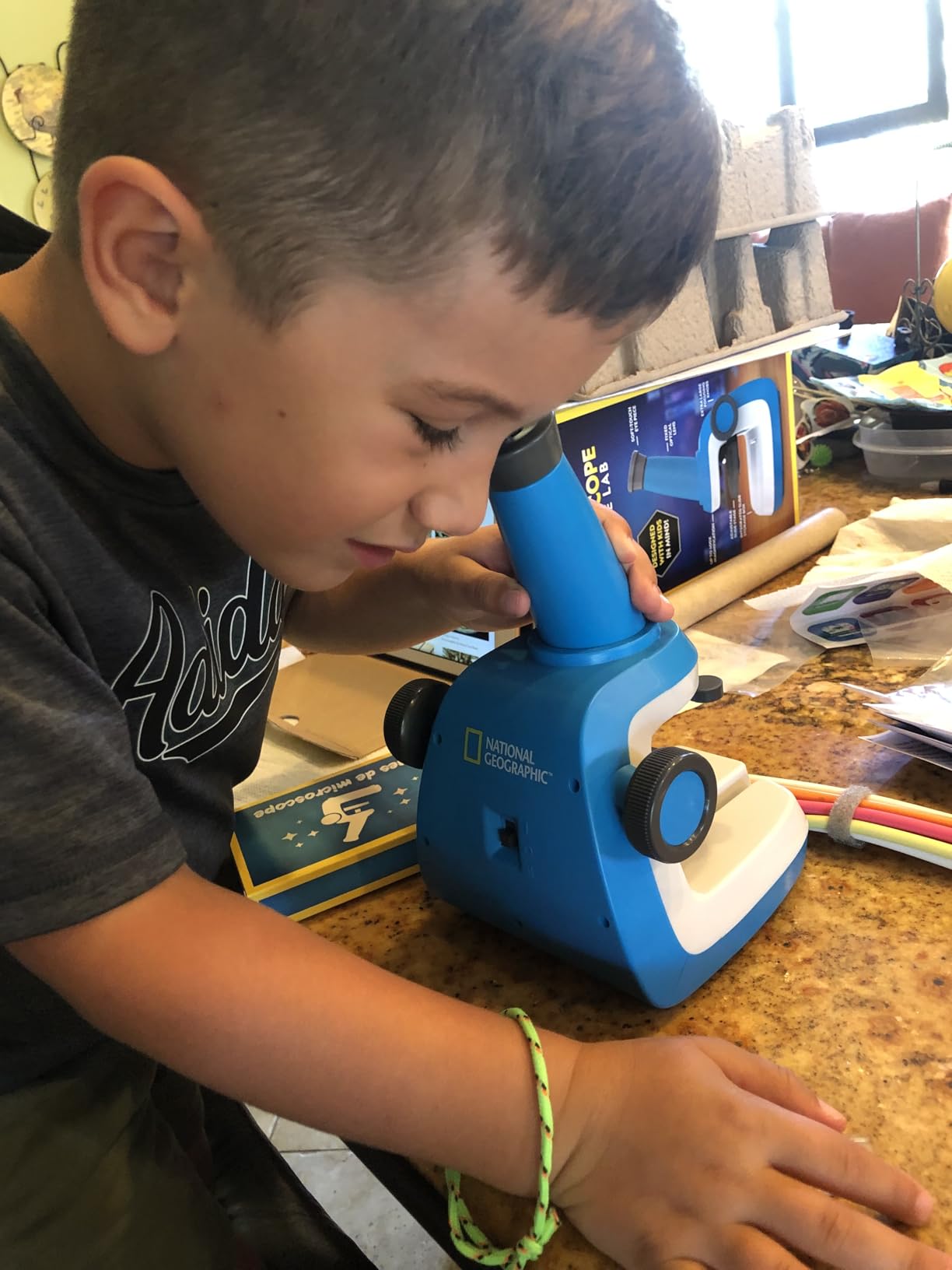
Mechanically it behaves like a simplified compound scope with lights both above and below the stage, so transparent slides and opaque objects are both viewable. The magnification runs across three levels up to the advertised 400x, with large focus knobs and a soft-touch eyepiece sized for smaller hands. A 45 degree angle of view keeps the image upright for a child who is not yet mentally rotating it.
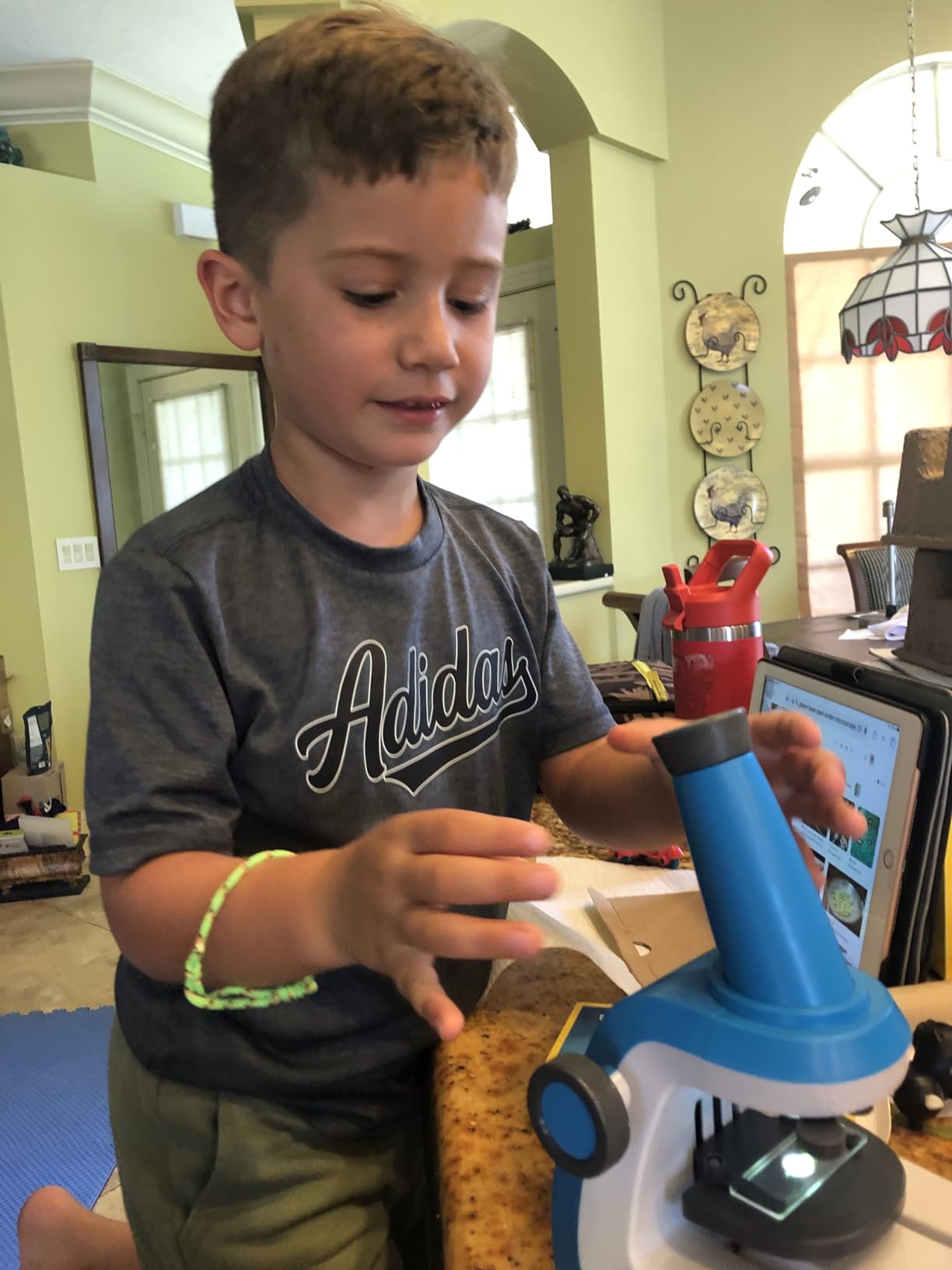
The lab guide is not filler. It contains viewing activities, a super scientist game, and merit badge stickers, which gives a child a structure to follow rather than an open-ended box of parts. That structure is what keeps a microscope alive past the first week for many families.
The focus knob is the weak point. It is stiff and tends to jump rather than glide, so fine adjustments overshoot. A child trying to bring a specimen into focus will crank past it and have to crank back, and that frustration is the difference between a scope used for a month and a scope abandoned.
Buy this if specimen collecting is what got your child interested
Buy it if your kid is already bringing things home from walks. The rocks and minerals turn a collection into a dataset, and the included pipette, dish, and tweezers support pond water and water drop experiments without a separate purchase. The 11 x 6.7 x 12 inch size is compact enough for a desk.
At 1.8 pounds it is light enough to move between rooms, and at 4.5 stars from 2799 reviews it sits in the reliable middle of this roundup. For ages six and up with an adult nearby, it does more per box than most competitors.
Skip this if fine focus matters or optics quality is the priority
Skip it if you want crisp high-magnification images. Reviewers consistently note it feels lighter and cheaper than the National Geographic branding implies, and the prepared slides are not impressive even at low magnification. If sharp optics matter more than accessory count, look at the Omano Juniorscope instead.
Expect a longer setup the first time, since it mimics a real microscope layout. Some units also arrive with torn packaging, so inspect the stage and knobs before handing it over.
5. Uarzt 58-Piece Microscope Kit – Best Metal Body and Accessory Count
58-Piece Kids Microscope Kit – 100X-1200X Magnification, Metal Body, LED Light, Carrying Box – Science Experiment Toy for Kids Ages 5-12
58 pieces including 13 prepared specimens and 31 blank slides
100x-1200x magnification
Metal body construction
4.6 x 2.75 x 8.15 inch body with carrying case
Pros
- Largest accessory count in this roundup at 58 pieces
- Metal body and metal parts feel like a real lab kit
- 100x-1200x produces visible real results
- Illustrated guide teaches microscope parts and basic technique
Cons
- Image resolution is blurry and fine detail is hard to make out
- Focusing may need adult help at first
- Included scalpel is cheap plastic rather than a metal blade
- Best suited to ages 7+ despite the 5-12 marketing
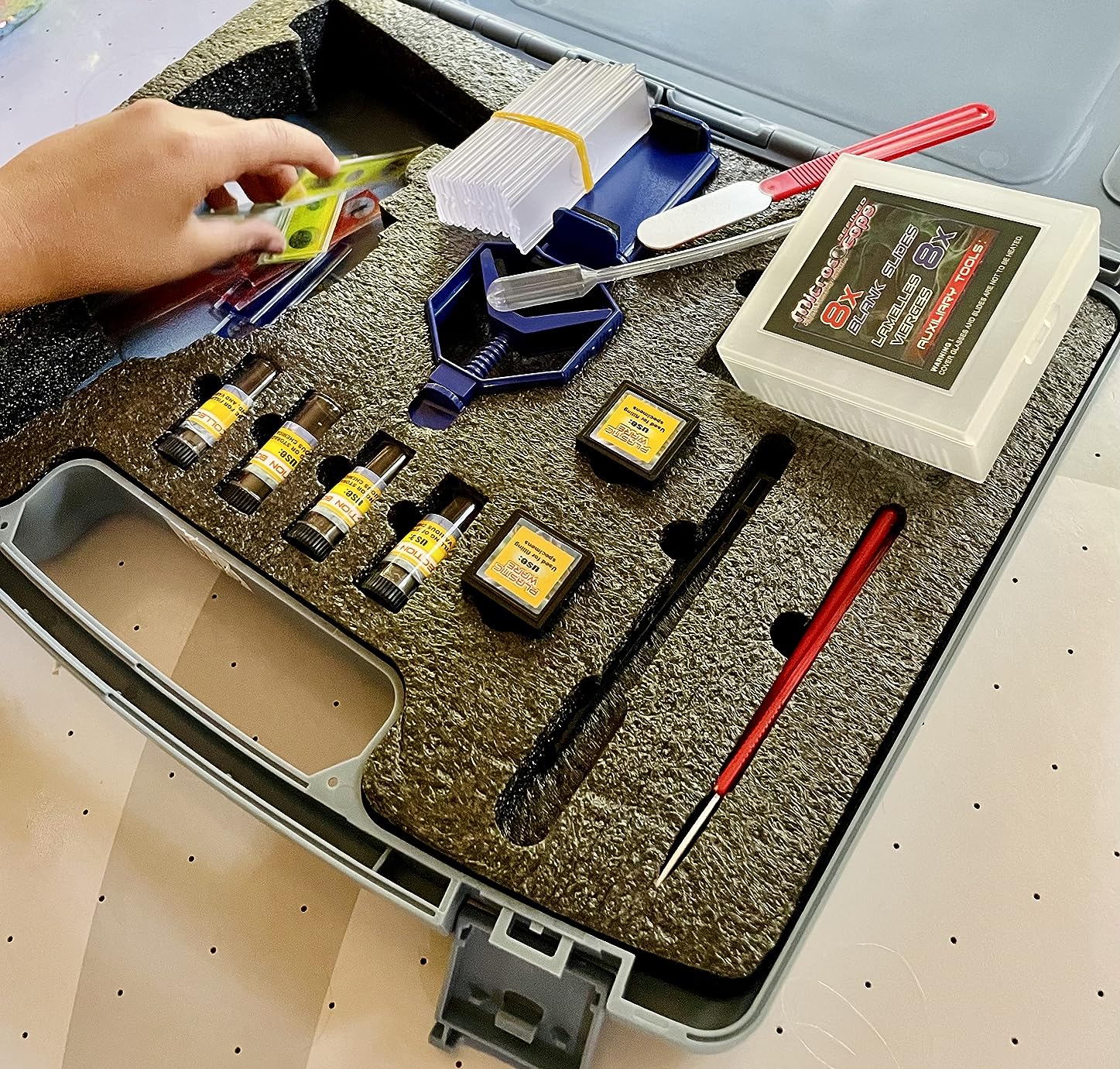
Thirty-one blank slides is the number that makes this kit different. Every other scope here gives you a handful of blank slides. Thirty-one means a child can mount their own specimens for a year without running out, which is exactly the behavior you want when you are trying to build a habit rather than demo a toy.
The construction is the second differentiator. The body is metal rather than plastic, and the metal parts give it the feel of a beginner lab kit. At 4.6 x 2.75 x 8.15 inches and 100x-1200x magnification, it produces visible real results rather than a faint blur, and the carrying box means it can go outdoors or to a science fair.
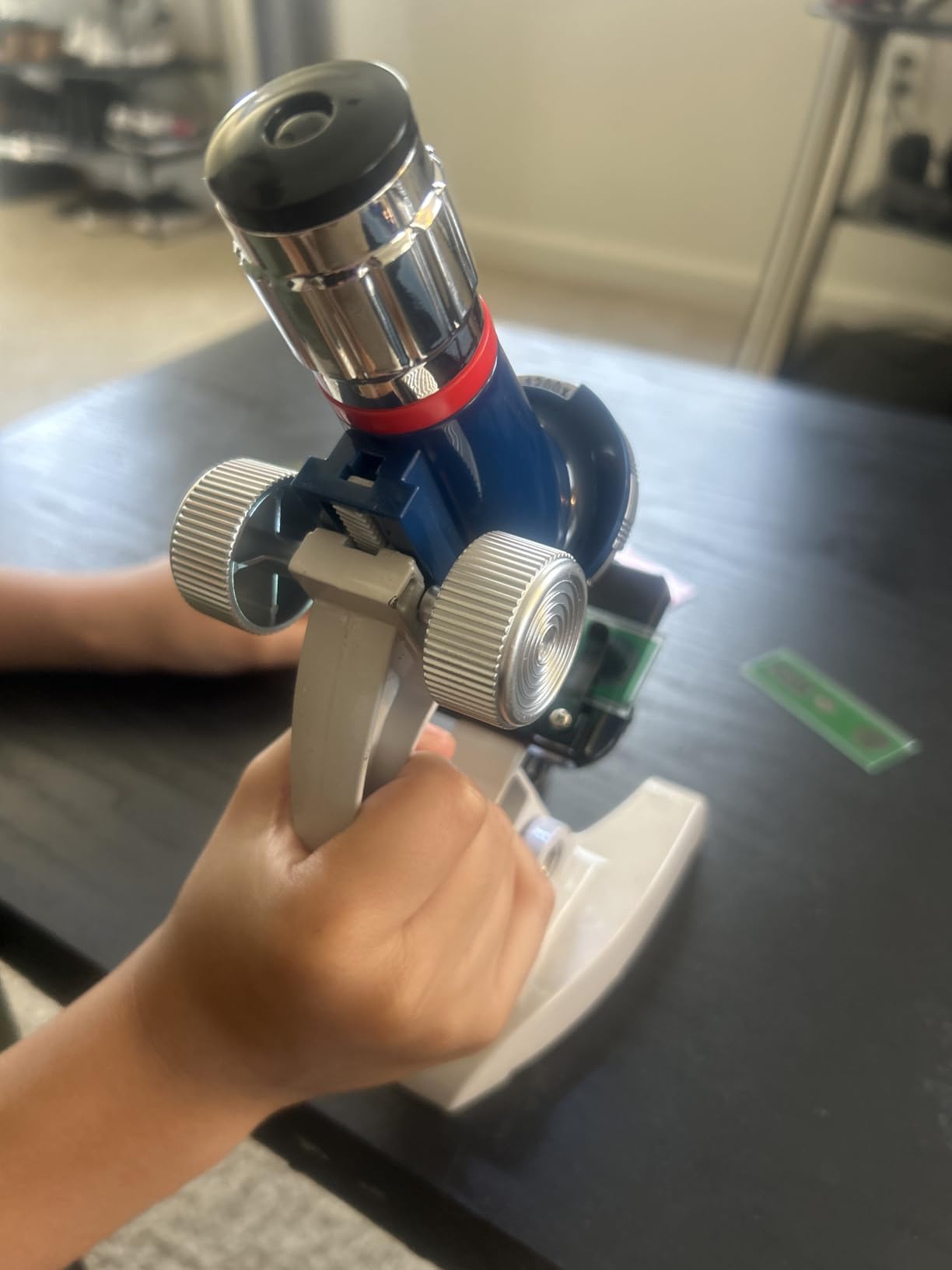
The kit also includes tweezers, a dropper, and a scalpel for cutting thin samples. That scalpel is plastic, not the metal blade the packaging implies, so it will slice soft material like onion or leaf but not anything firm.
Where it falls short is optical clarity. Reviewers repeatedly describe the image as blurry with fine detail hard to make out, especially at the higher magnification settings. High magnification on a soft lens does not mean more information, it means a larger blur.
Buy this if your child wants to prepare their own specimens
Buy it for a seven-to-twelve-year-old who is willing to do the work. Making your own slide from a leaf, a hair, or a crumb of bread teaches more than looking at a factory-prepared one, and 31 blanks plus 13 prepared specimens means the material never runs out. The metal body also survives the handling that plastic frames crack under.
The colorful illustrated guide helps with the parts of the scope and basic technique, which matters because a child who cannot name the eyepiece will not troubleshoot when the image goes fuzzy. It runs on two AA batteries, not included.
Skip this if sharp images or independent focusing are required
Skip it for a child under seven despite the 5-12 range on the listing. Focusing often needs adult help at the start, and a child who cannot get focus will conclude the scope is broken. Our own testing matched that: this is a two-hands-on-the-knob instrument for the first few sessions.
Skip it if crisp high-power detail is the goal, since soft optics undercut the reason to reach for 1200x. And treat the scalpel as a plastic pick rather than a cutting tool.
6. Omano Juniorscope – Best for Sharp Glass Objectives
Omano Juniorscope Microscope for Kids – Microscope Kit for Kids 8+ for Science Microscope Experiments – Kids Microscope Kit that Encourage STEM Exploration – Beginner Microscope for Kids 8+
40x, 100x and 400x glass objective lenses
Handles solid and transparent specimens
Adjustable LED lighting
Petri dish, forceps, dropper, test tube and slides
Pros
- Genuine glass objective lenses deliver clear views at 40x
- 100x and 400x
- Handles solid objects and transparent slides
- All-inclusive experiment set with petri dish and lab tools
- Lightweight and battery powered so it works in the backyard
- Backed by a lifetime limited warranty
Cons
- Plastic enclosure rather than a metal frame
- Listed for ages 8+ so it is not suited to younger children
- No built-in screen or recording so findings cannot be saved
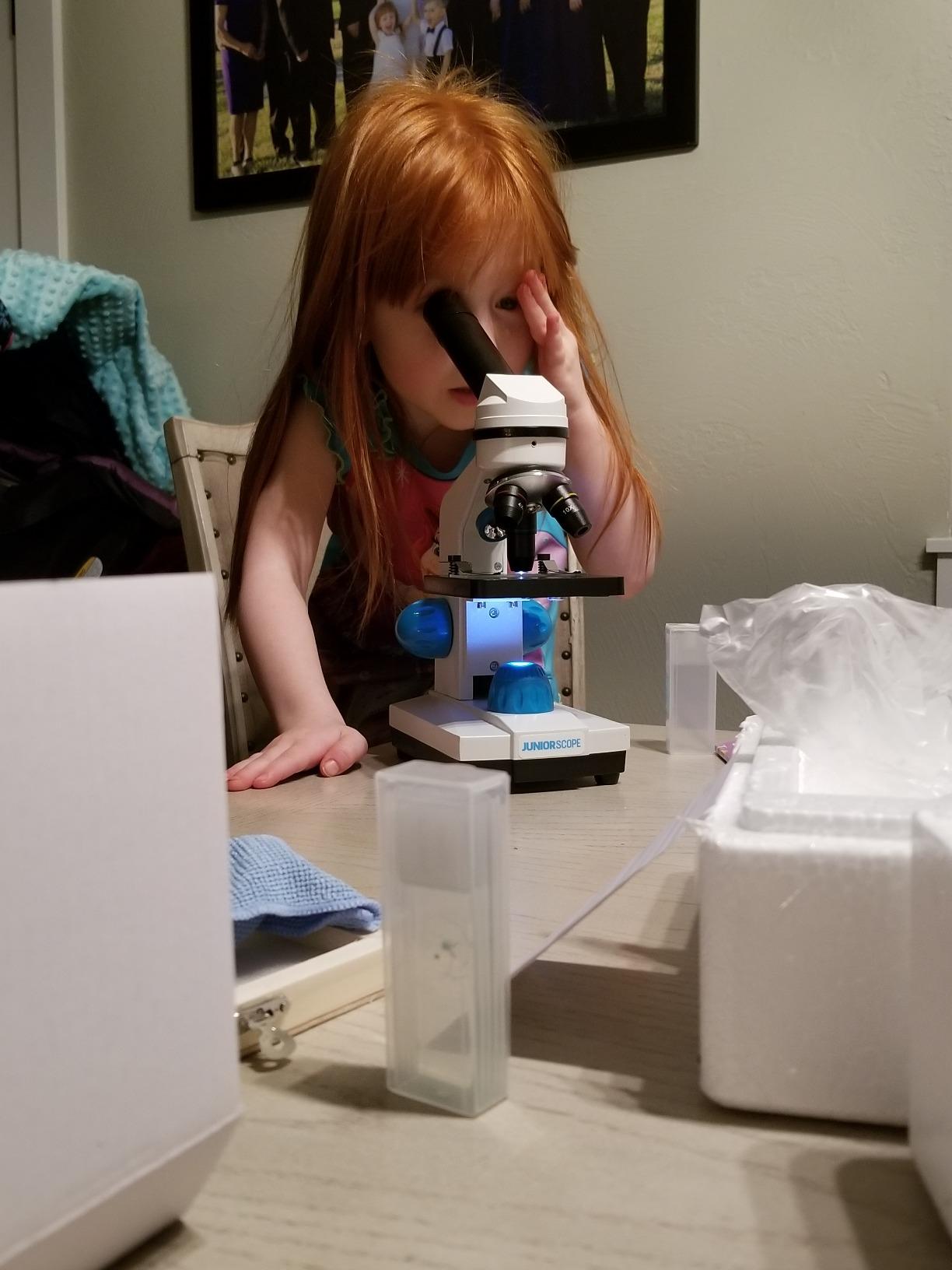
The distinction that matters here is glass versus plastic objectives. Three levels at 40x, 100x, and 400x with real glass lenses produce a clear image where plastic lenses soften it, and at 4.6 stars from 1599 reviews this is the sharpest optical output in the roundup. When your child focuses on a prepared slide and the cell walls have crisp edges, that is optics doing real work.
It also handles both specimen types in one instrument, so a leaf and a blood cell slide can be examined on the same day. The 45 degree angle of view keeps the image oriented naturally. At 9 x 6 x 14 inches and 3 pounds it is the largest scope here, closer to a piece of school equipment than a toy, which is exactly the impression it gives.
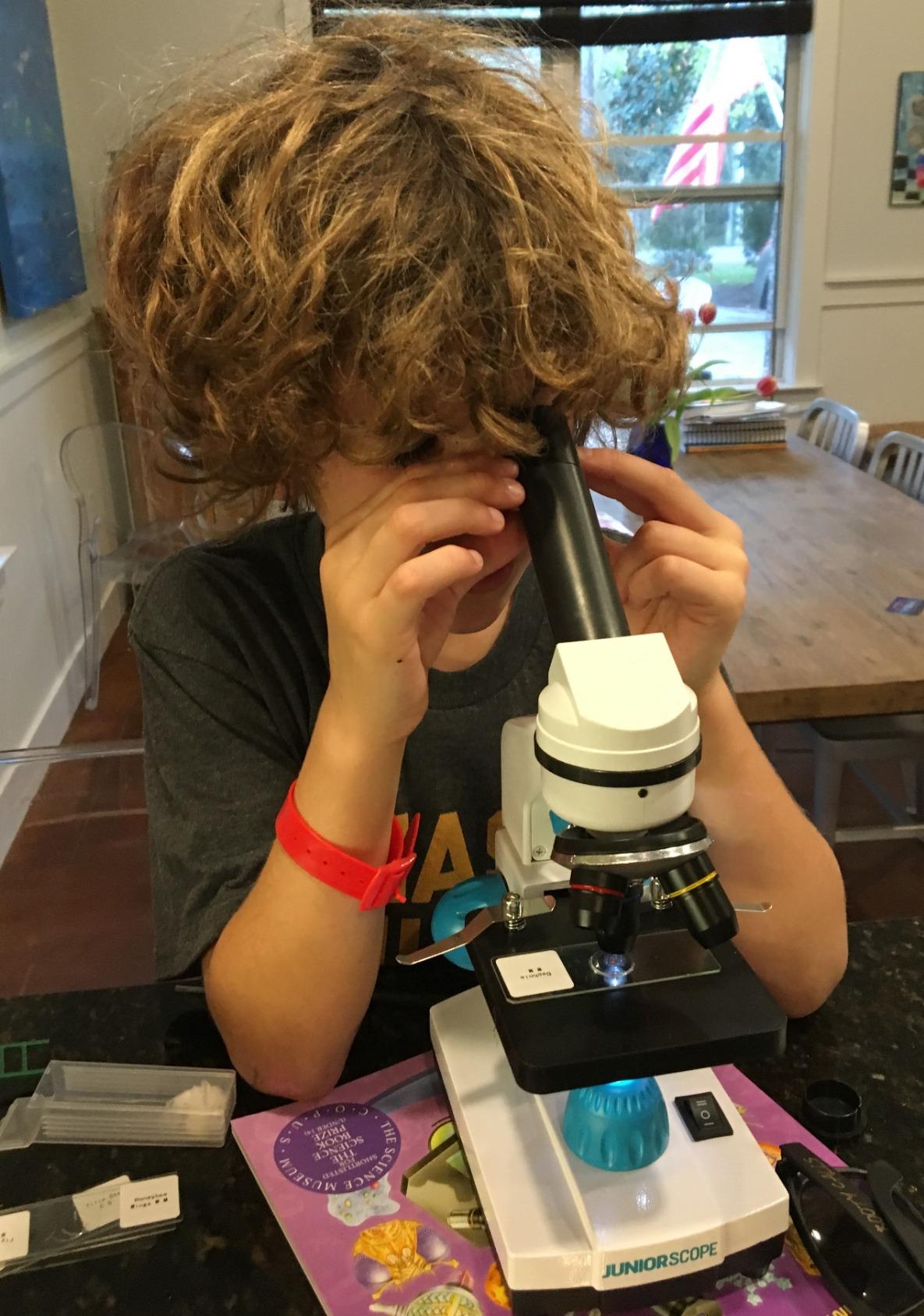
The included lab kit is unusually complete for the class: a petri dish, forceps, dropper, test tube, and slides, plus five experiments in a set called The Amazing Microscope Adventures. Five guided experiments give a child a starting curriculum rather than a box of parts.
The warranty is the strongest in the group. A lifetime limited warranty is a real signal about how the manufacturer expects the product to hold up, and it matters for a child who will keep this for years.
Buy this if clear images matter more than portability or recording
Buy it for a child eight and up who is moving toward real technique. Glass objectives at three usable magnifications teach the difference between a clear image and a soft one, and the included experiments give structure. Battery power and a manageable 3 pounds mean it still works on a patio table.
For a family that wants one instrument that stays useful into the preteen years without moving to a digital scope, this is the honest choice. It is also the model we would point a parent toward when the question is how much a microscope should feel like equipment.
Skip this if you need photos, a metal frame, or a younger child
Skip it if your science fair requires saved images, because there is no camera and no storage. Nothing a child finds here can be captured, and that is the single most common regret reported by parents once school projects start.
Skip it for a child under eight, since it is listed for ages 8 and up, and expect some shakiness at high magnification from the plastic enclosure if a child works it aggressively. If you need both sharp optics and recorded images, run a digital scope alongside this one rather than replacing it.
7. BMDSAE 1000X Digital Handheld Microscope – Best for Photos and Video
1000X Handheld Digital Microscope for Kids: Pocket Microscope with 2.0″ IPS Screen – STEM Toys Birthday Gifts for Girls Boys Child – Portable Edu Science Kits Toddler Age 3-6 6-12
2.0 inch IPS screen with 2MP camera
Real 1000x optical and digital magnification
8 LEDs with 3 brightness modes
600mAh battery gives about 2 hours of use
Pros
- Image quality is well above expectations at this price
- Built-in screen means no phone or computer needed
- Lightweight 200g body with oversize focus dials
- Photo and video capture documents discoveries
- 8-LED system works in low light
- CE/FCC/CPC certified with smooth edge-free ABS body
Cons
- Protective glass over the lens must be removed or the view looks white and scratched
- Button icons are yellow on a yellow body and hard to tell apart
- No slides are included despite the STEM-kit framing
- Image detail is soft at higher magnification
This is the one I recommend when the deliverable is a photograph. The 2.0 inch IPS screen shows the magnified image live, and the 2MP camera captures stills and AVI video, so a child can document a discovery, label it, and print it for a report or a science fair board. No microscope in this roundup does that for less.
The image quality genuinely surprised reviewers. Fabric threads, hairs, and skin texture all read clearly, which is more than the built-in screen size suggests it could deliver. Eight LEDs with three brightness modes handle low light, and the 600mAh battery gives about two hours of use with USB charging.
At 200 grams with oversize focus dials, it is built for small hands and short sessions. The lens even has manual focus control and an anti-shake design, which sounds minor until you hand it to a seven-year-old who will not hold still.
There is one setup step that trips up almost every new owner. A protective glass disc sits over the lens, and if it is left in place the image looks white and scratched. Pull it off, and the same lens suddenly looks competent. It is not obvious from the manual.
Buy this if saving images is a hard requirement
Buy it for a child doing science fair projects or homeschool reports, because saving an image is the difference between an observation and evidence. Parents on parenting forums describe this moment specifically: the child loves the cheap microscope until the project requires a photograph, and then an upgrade is needed.
Also buy it for skin, fabric, hair, and household objects, where a handheld digital scope beats a compound scope outright. Nothing needs to be mounted on a slide, so the friction between the child and the specimen drops to almost zero. Internal storage holds 200 or more photos on the 32MB onboard memory.
Skip this if you want prepared slides or a large screen
Skip it if you want slide work, because no slides are included despite the STEM-kit framing. That is a real tradeoff: this scope is excellent at solid objects and poor at translucent specimens on a slide. You would need to buy slides separately and improvise a holder.
Also note the low-contrast design problem. All button icons are yellow on a yellow body, which is genuinely hard to read, especially when a child holds the scope upside down. And two hours of battery means an outdoor session needs a plan, since it cannot run all afternoon.
8. Emarth 40X-1000X Compound Microscope – Best True Compound Scope
Microscope for Kids Beginners Children Student, 40X- 1000X Compound Microscopes with 52 pcs Educational Kits
40x-1000x true compound design
Metal objective housings and metal frame
Interchangeable 10x and 25x eyepieces
Switchable lighting above, below, or both
Pros
- True compound design with clear bright images at high magnification
- Metal objective housings and frame outclass plastic-framed rivals
- Two swappable eyepieces change the view quickly
- Switchable illumination handles opaque and translucent specimens
- Six color filters improve contrast on low-contrast samples
Cons
- Plastic frame makes it shakier than metal-framed scopes in the same class
- No dust cover included despite the instructions referencing one
- Included slides are plastic and limiting
- Setup and focusing may be too involved for younger children
This is the only true compound microscope in the roundup, and that changes what your child learns. In a compound scope the light passes through the specimen and up through glass lenses, which is how every school and lab microscope on earth works. A child who learns the loop here can walk into a classroom and already know the instrument.
The optics are the strongest argument. Reviewers who compared it head to head against cheaper kids scopes rated it the best of the three for clear images at high magnification. Interchangeable 10x and 25x eyepieces let a child change view without moving the slide, and six built-in color filters make low-contrast specimens readable, which is the trick that turns a blurry mess into a recognizable cell.
Switchable illumination is set below, above, or both with adjustable intensity, so translucent slides and opaque objects are both workable. The head rotates, which is how you orient a specimen for someone sitting beside you at the table rather than across it.
It is not laboratory grade and it is not cheap in feel. The 52-piece kit includes prepared slides, blank slides, a test tube, a pipette, and lab tools, but the included slides are plastic and limiting, and no dust cover is included even though the instructions reference one.
Buy this if your child is ten or older and wants a real instrument
Buy it for a preteen or teenager, or for a homeschool family covering biology seriously. The color filters and switchable lighting are features you will use for years, not months, and the rotatable head means it works for two people at once. Our testing found the image held together at the highest settings, which is not something the toy-grade scopes managed.
This is also the natural upgrade step after a toy scope. Families who start with a talking microscope or a preschool scope tend to land here around age eight or nine, and the metal objective housings mean it will outlast the interest that started the sequence.
Skip this if the child is young or shaky handling is a risk
Skip it under about age ten. Setup and focusing are involved enough that a younger child will need an adult, and an adult-assisted microscope becomes an adult project. The light plastic frame also makes it shakier than metal-framed scopes in the same class, so a child who bumps the table will lose focus.
Plan on buying extra glass slides and coverslips, because the included plastic ones are the weak part of an otherwise good kit. If your child wants recorded images, this scope cannot deliver them and you would need a digital scope alongside it.
9. Odatay 4K 1000X Digital Microscope – Best for Backyard and Travel
Odatay 4K 1000X Digital Microscope for Kids with 32G Card, Long Distance Viewing & 2.4″ Screen Portable Handheld Edu Toys for Age 3-12 Exploring Bugs Plants at Home Classroom & Outdoor Travel, Blue
4K HD camera with 2.4 inch screen
200x-1000x across 4 levels with long-distance viewing
32GB TF card and 12 prepared slides included
Protective silicone screen case, lanyard and tripod hole
Pros
- 4K camera and large 2.4 inch screen in a 0.5 lb body
- Four levels including a low setting for viewing live subjects
- Generous 32GB TF card and 12 slides included out of the box
- Silicone screen case and lanyard make it travel friendly
- 5-year warranty is longer than most in this category
Cons
- Range starts at 200x so there is no very low power setting
- PC connectivity for file transfer rather than direct phone sharing
- No wall charging adapter listed in the box contents
The practical headline here is what is already in the box. A 32GB TF card and 12 prepared slides are included, which removes the most common surprise cost in the digital category. Our digital microscope comparison notes how often listings omit the card, and this one does not.
The 2.4 inch screen is noticeably bigger than the 2.0 inch alternative in this roundup, and at 0.25 kg it is light in the hand for long sessions. Eighty percent of its 686 reviews are five star, which usually signals the feature set exceeds expectations rather than falls short.
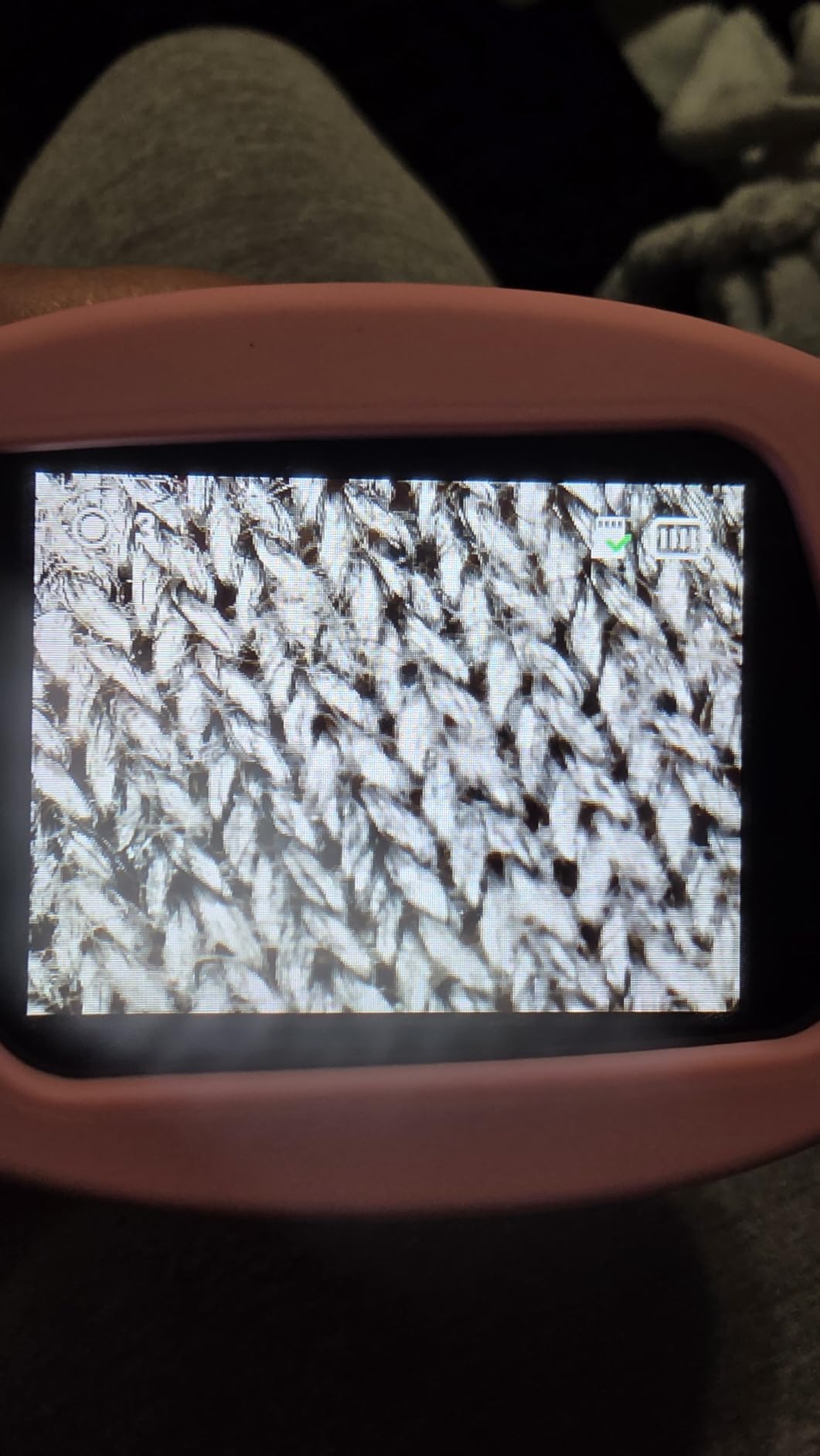
Four magnification levels from 200x to 1000x, and the lowest level is the interesting one. Long-distance viewing lets a child look at a living insect, a growing leaf, or a coin without squashing it under the lens. That keeps specimens alive and observation ongoing, which is what separates exploration from a one-off demo.
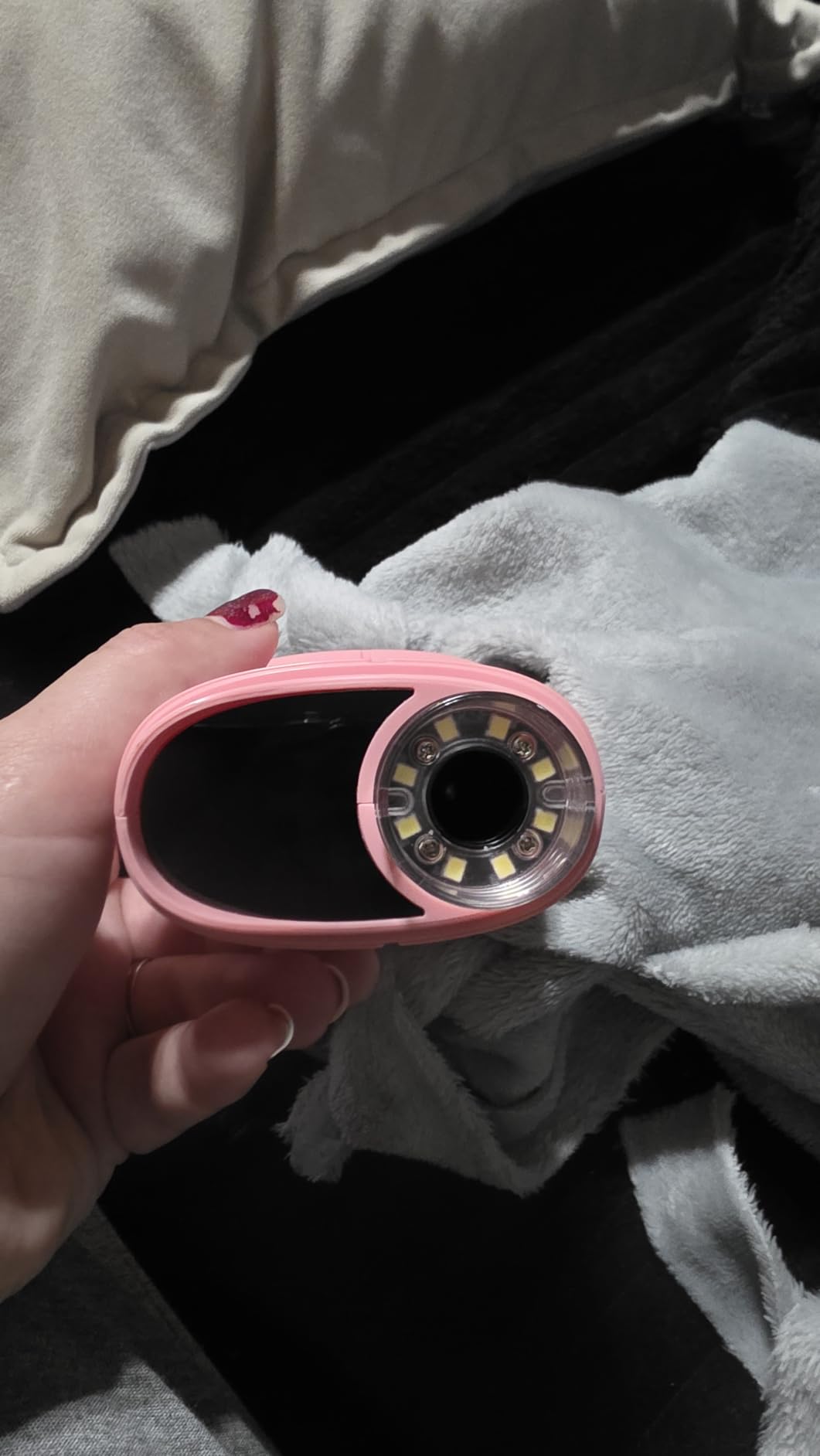
It also records video, browses stored files, and deletes them on device, with three brightness levels across eight built-in LEDs. The 4K label refers to the recorded output; the sensor class is semi-plan, so treat resolution claims as vendor claims rather than measured results.
Portability details matter more here than for any other scope in the roundup. A lanyard, a tripod hole for hands-free viewing, and a protective silicone screen case are all included, and the 3.8 x 2.5 x 4.1 inch body fits a jacket pocket. It is built for a nature walk rather than a desk.
Buy this if backyard and nature exploration is the goal
Buy it for a child who collects, gardens, or spends weekends outdoors. Live subjects can be watched without being mounted, and nothing needs a slide to be interesting. The included card means photos accumulate from day one instead of waiting on an accessory purchase.
The 5-year warranty is longer than most in this category and worth noting if the scope will be shared or passed between siblings. PC connectivity lets you move files to a computer for reports, which covers the science fair path as well as the field path.
Skip this if you need slide work or phone sharing
Skip it if prepared slide microscopy is the priority. Twelve slides are included, but a handheld digital scope is not built around them, and it will not teach the eyepiece-and-stage routine a compound scope teaches. For slide technique, pair it with a compound scope rather than replacing one.
Also skip it if direct phone transfer matters, because file transfer runs through a computer rather than a phone app. Note the magnification range starts at 200x, so very small or distant subjects need the lower digital settings, and plan on sourcing a charging adapter.
10. BEAVERLAB Finder 4.0 Inch Microscope – Best Large Screen Digital Scope
4.0″ Microscope for Kids, Handheld Miniscope, 1600X Portable Kids Digital Mini Pocket Microscope for Boys Girls, Educational Science Kit Toys
4.0 inch IPS display with 1080P imaging
100x-1600x magnification range
2MP CMOS chip for photo and video
8GB TF card included, rechargeable battery
Pros
- Largest screen in the digital handheld group at 4.0 inches
- 1080P imaging on a 2MP CMOS chip
- Highest magnification claim here at 1600x
- Built-in hotspot lets kids share images to a phone
- Metal inner rail and ABS body give it more rigidity than all-plastic rivals
Cons
- Charging adapter is not included
- only the USB cable
- Manufacturer age range of 3 to 8 is narrower than the feature set suggests
The screen is the reason to choose this one. At 4.0 inches it is the largest display among the digital handheld scopes here, and screen size is what determines how long a child will keep looking. Small screens frustrate children who want to examine something longer, and a frustrated child stops using the tool.
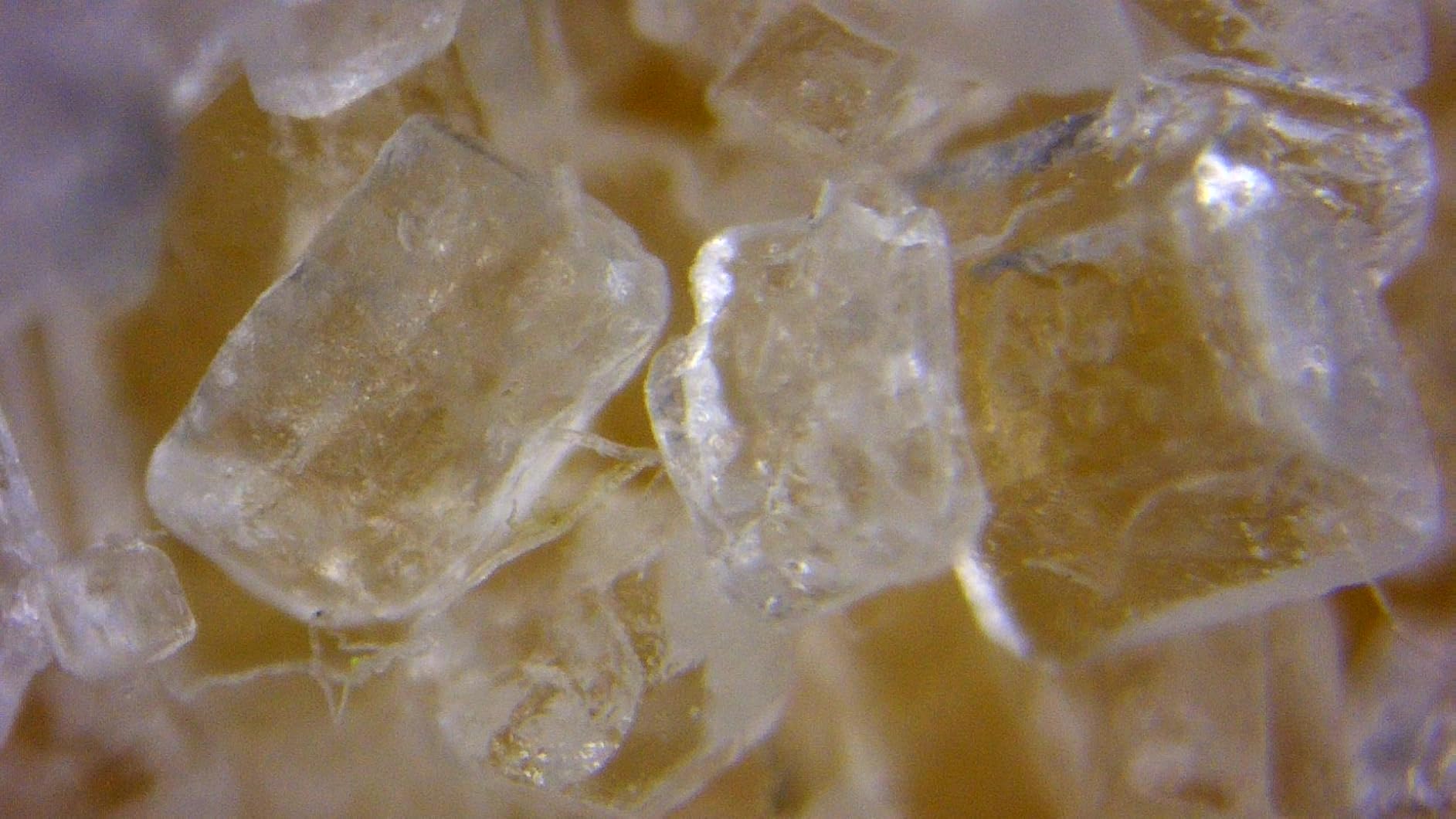
Imaging is 1080P video and photo from a 2MP CMOS chip, with a magnification range from 100x to 1600x. That upper figure is the highest claim in the roundup, and as always it is a vendor number that describes digital zoom as much as optical detail. Eight adjustable lights handle indoor and shaded outdoor viewing, and an 8GB TF card is included.
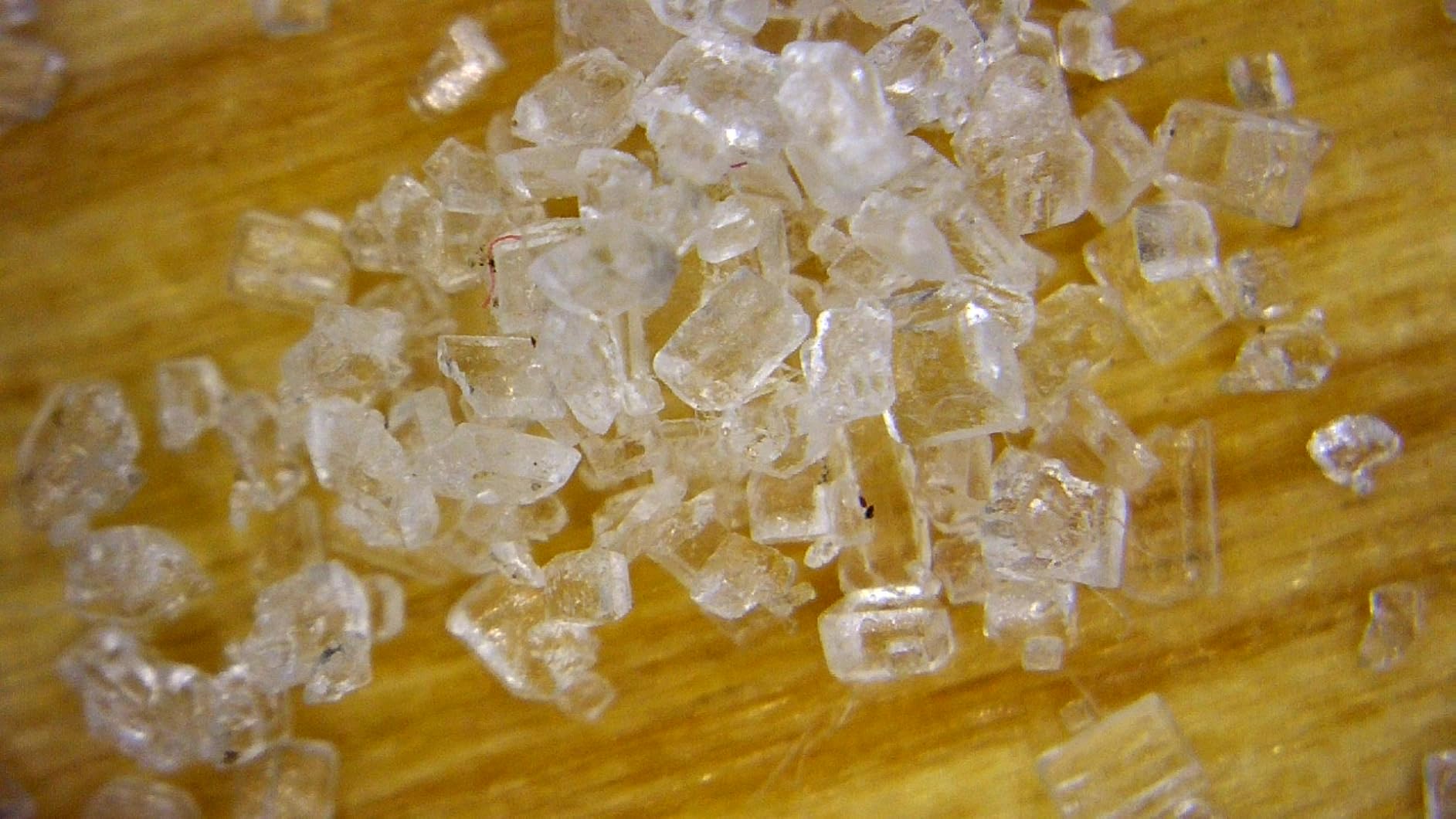
The built-in hotspot is a genuinely useful feature that most competitors at this size lack. It lets a child send an image to a phone and share it without cables or accounts, which is exactly how a nine-year-old wants to use a microscope: show someone what you found right now.
Construction is better than the all-plastic competition. An aviation aluminum alloy inner rail sits inside the ABS body, giving rigidity that helps when a child grips it hard, and the 7.4 x 4.5 x 1.59 inch body is thin enough to hold comfortably. A rechargeable lithium-ion battery is included.
Buy this if long viewing sessions and sharing images matter
Buy it if your child wants to look at something for a long time rather than peek. The 4.0 inch screen, 1080P output, and hotspot sharing make it the most shareable option here, which suits a child whose interest is driven by showing people discoveries.
It ranks high among kids microscopes in its category, which tells you the feature set is what buyers in this segment actually want: a big screen, high resolution, and no need to attach anything to a computer. At 4.6 stars from 534 reviews it has a smaller review base than the others, so treat the score as promising rather than proven.
Skip this if you need a wall charger or an older child
Skip it if you do not already have a USB charging adapter, because only the cable is included. That is a small obstacle but it delays first use, and a child waiting to charge has already lost interest.
Skip it for a child over eight. The manufacturer lists ages 36 months to 8 years, which is narrower than the 1600x figure and the 4 inch screen suggest, so an older child will want slide technique and recording control that this does not prioritize. For an older kid who wants saved images at higher resolution, the Odatay is the better match.
What the Magnification Numbers Actually Mean
Advertised magnification is the single largest source of disappointment with kids microscopes, and parents describe the same feeling repeatedly: the listing said 1000x, so a child expected enormous detail, and the image was a soft blur. The reason is that the headline number counts digital magnification, and sometimes multiple lenses stacked together, rather than the optical resolution the eye actually receives.
Optical magnification comes from glass. A 10x eyepiece multiplied by a 40x objective gives a true 400x of optical enlargement. When a listing combines several lenses to reach 1000x or 1200x, part of that number comes from digital zoom on a camera sensor, which enlarges pixels rather than resolving detail. The image gets bigger; the information does not.
A second factor is resolution, which is set by the quality of the glass, not the printed number. Our testing showed a 20x glass lens resolving clean plant cell walls while a 1200x plastic-lens kit showed nothing but softness at its top settings. Low magnification with clear glass beats high magnification with soft plastic, every time.
The practical rule: judge the lenses, not the number. Look for real glass objectives, an achromatic or semi-plan designation, and a stated range with distinct steps such as 40x, 100x, and 400x. A single headline figure with no range is almost always marketing arithmetic rather than a capability you can use.
There is one exception worth naming. For solid objects like fabric, hair, skin, and coins, digital magnification is genuinely effective, because the camera captures more surface detail than a small eyepiece aperture shows. That is why the digital scopes in this roundup deliver on their numbers where the optical toy scopes do not.
Microscope Types Explained: Compound, Stereo, Digital and Pocket
A compound microscope sends light up through a transparent specimen and through glass lenses, which is what every school laboratory uses. It is the right tool for cells, slides, and anything thin and see-through, and it is the only category that teaches transferable technique. Every true compound scope in this roundup is the Emarth, which is why it earns a place even against friendlier toys.
A stereo microscope produces a three-dimensional, upright image with low magnification, which makes it the right tool for solid objects: insects, coins, fabric, electronics, model work, and small dissections. You look at it comfortably with two eyes at a normal working distance. None of the ten scopes here is a dedicated stereo scope, so if crafts and bug anatomy are your child’s main interest, our stereo microscope guide covers that category in full.
A digital microscope replaces lenses with a camera and a screen. The image appears on a built-in display or on a computer, and it can be photographed, recorded, and shared. Digital scopes win for solid objects, for children who cannot yet manage an eyepiece, and for any project where the image needs to be saved for a report.
A pocket microscope is a digital scope in a small handheld body, often with a built-in screen and a lanyard. It is the most forgiving type for a young child because there is no stage to load and no knob precision to master, and the three pocket models here are the BMDSAE, the Odatay, and the BEAVERLAB Finder.
How to Choose a Kids Microscope by Age and Use
Match the instrument to the age that can use it independently, not the age you hope they will reach in a year. At ages four to six, choose something with a two-button or single-knob interface: the GeoSafari Talking Microscope for narration, or the GeoSafari My First Microscope for real lenses and no frustration.
At ages seven to ten, the decision is compound versus digital. Choose compound if your child wants to learn technique and prepare slides, which points to the National Geographic Dual LED Kit or the Emarth. Choose digital if the child loses interest quickly at an eyepiece or wants to photograph and share findings, which points to the Odatay or the BEAVERLAB Finder.
At ages eleven to fourteen, magnification, lighting control, and filters start to matter. The Emarth with six color filters and switchable illumination is built for this stage, and the Omano Juniorscope is the alternative if clear glass optics and a lifetime warranty matter more than recorded images.
For high school biology, look past magnification entirely and check for a mechanical stage, coarse and fine focus together, rotatable head, and standard eyepieces. No scope in this roundup is built for a full high school lab course, and homeschool families planning that far ahead should treat this list as the middle step and then move up.
For science fair projects, treat image capture as a requirement, not a nicety. Parents on microscope forums describe exactly this trigger: a child loves the inexpensive scope until the project needs a photograph. The BMDSAE, the Odatay, and the BEAVERLAB Finder all save images, and the BEAVERLAB adds phone sharing through its built-in hotspot.
On trusted brands, look for manufacturers with a record in school lab optics rather than toy catalogs. AmScope, National Optical, Celestron, and My First Lab appear constantly in homeschool and microscopy community recommendations, and forum families building a set that lasts through high school land on the National Optical #131, the model recommended by Apologia. Among the ten scopes here, National Geographic and Educational Insights carry the strongest name recognition for a first purchase.
The Starter Kit Checklist and What Costs Extra Later
Every scope here includes a basic set of consumables and every scope runs out of them eventually. Blank slides and coverslips are the two items you will buy again, and a dropper, tweezers, and a petri dish cover most at-home experiments. Ordering these as one bundle is simpler than tracking them individually.
The most common hidden cost in the digital category is storage. Some digital scopes include a TF or microSD card and some do not, and a scope with photo and video capture but no card is the most common disappointment we see. The Odatay includes 32GB, the BEAVERLAB includes 8GB, and the BMDSAE keeps 200 or more photos on 32MB of internal memory with no card slot.
Batteries are the second surprise. Several scopes here run on AA or AAA cells that are not included, and the GeoSafari Talking Microscope needs three AAA. Keep a pack of cells on hand so a science session does not end early.
A small LED desk lamp extends any scope with a single light source, and a specimen dish or a black-and-white contrast card helps with opaque objects. Neither is included with most kits, and both cost far less than replacing a scope a child has stopped enjoying.
Care, Cleaning and Storage
Start with the rule that lenses never get wiped with a dry tissue. Dust and grit grind into glass and scratch coatings permanently. Use lens paper or a soft microfiber cloth, and only ever with a cleaning fluid made for optics.
Clear a dirty eyepiece or objective lens by unscrewing it, breathing on it gently to add moisture, then wiping with lens paper. Unscrew rather than wipe in place, so grit does not drag across the glass.
Clear the stage between specimens. Slide the clip, wipe the flat surface with a damp cloth, and dry it fully before the next slide goes down. Residue here is what causes persistent smudges that look like a lens problem.
Store it with the power off, batteries out if it will sit unused for more than a month, and slides in their case rather than loose. The padded containers and carrying boxes that ship with most of these scopes exist for this reason, and a scope kept in a box keeps working years later.
Finally, cover the stage when the scope is not in use so dust cannot settle onto the objectives. Parents report that scopes which sat uncovered between sessions needed cleaning to stay usable, while covered ones stayed ready.
Frequently Asked Questions
What is the best microscope for homeschooling biology?
For a homeschool family starting from scratch, the Emarth 40X-1000X compound scope teaches transferable technique because it works like every school laboratory microscope, with glass objectives, interchangeable 10x and 25x eyepieces, switchable lighting, and six color filters. If your child is under eight or needs saved images for reports, pair it with a digital scope such as the Odatay or the BMDSAE, both of which record photos and video.
What is the best-rated microscope for kids?
Among the ten scopes we reviewed, the Educational Insights GeoSafari Talking Microscope leads with a 4.6 rating across 11898 reviews, combining the highest score in the group with the largest review base. The National Geographic Dual LED Kit also scores 4.6 from 3332 reviews and offers genuine glass optics, which is why we recommend it instead for children past the toy stage.
What are some good real microscopes for kids?
A real microscope uses glass lenses and light rather than printed cards. In this roundup the genuine optical scopes are the Emarth 40X-1000X true compound scope, the Omano Juniorscope with 40x, 100x, and 400x glass objectives, and the National Geographic Dual LED Kit with 20x and 50x glass lenses. Each shows crisp cell detail that plastic-lens toys cannot, and each costs more for that reason.
What is the best microscope for home use for beginners?
For a first microscope at home, match the type to the child’s age rather than to the highest magnification number. Ages four to six do best with the GeoSafari My First Microscope at 2.5x to 8x with dual eyepieces. Ages seven to twelve gain the most from the National Geographic Dual LED Kit, which handles both prepared slides and solid objects. Avoid anything requiring fine focus below age eight.
What is a good brand of microscope?
Brands with a track record in school lab optics are the safer bet: AmScope, National Optical, Celestron, and My First Lab appear repeatedly in homeschool and microscopy community recommendations, and forum families building a set that lasts through high school land on the National Optical #131 recommended by Apologia. For a first kids purchase, Educational Insights and National Geographic branded kits are the most widely reviewed options in our comparison.
What are the three types of microscopes used in biology?
The three common types are compound, stereo, and digital. A compound microscope passes light through a transparent specimen and is used for cells and prepared slides. A stereo microscope gives a three-dimensional upright image of solid objects like insects and coins. A digital microscope uses a camera and screen, which allows photos and video to be saved. Each scope in this roundup is either compound or digital, and none is a dedicated stereo model.
What microscope is used in high school laboratories?
High school laboratories use a true compound monocular or binocular microscope with a mechanical stage, coarse and fine focus knobs, a rotatable head, and standard 10x eyepieces with multiple objective lenses. None of the ten scopes here is built to that specification, which is normal. Treat them as the middle step and move to a school-grade instrument when cell biology becomes part of the curriculum.
What magnification is best for a kids microscope?
For most home experiments, 40x to 400x of genuine optical magnification is the useful range. Onion cells, cheek cells, and pond water protozoa all resolve well below 100x, so headline figures above 1000x add little. Judge the lenses rather than the number: real glass objectives with distinct steps such as 40x, 100x, and 400x will outperform a soft plastic lens claiming 1200x.
Which Kids Microscope Should You Buy?
If your child is under six, buy the GeoSafari Talking Microscope. It is our editor’s choice because a 4.6 rating across 11898 reviews reflects a product that reliably holds a young child’s attention without adult help.
At six to nine, buy the National Geographic Dual LED Kit for real glass optics and a two-light setup that handles both slides and solid objects. At nine to thirteen, move up to the Emarth compound scope if technique matters, or the Odatay digital scope if saved images and outdoor exploration matter.
For a science fair, buy a digital scope with a card included and stop worrying about optics. The common thread across all ten: match the tool to the child’s age, judge the lenses rather than the printed magnification, and expect to budget for extra slides within the first year. Our beginner microscope guide covers the entry options if you want a second opinion before committing.