

A dexterity game is one where you win with your hands, not your head. Players flick, stack, catch, balance or pull components to score points inside a short round, and the winner is whoever is fastest or steadiest when the timer or the pieces run out. For a family night, that is exactly the right shape of game: most teach in under a minute, nobody needs a rulebook, and a 5-year-old and a 55-year-old can compete honestly from the first turn.
We put the best dexterity games for family nights through our own living room, a playroom, a car boot and one extremely patient six-year-old. What follows covers 12 picks, ranked for the way families actually play: short rounds, quick setup, a wide enough player count, and a low enough chance of anyone storming off. Every entry lists the player count, minimum age and play time, plus an honest drawback, because the fastest way to end a family evening early is a game that turns into a grudge match.
Two practical notes before we start. First, dexterity games are the easiest possible on-ramp to the hobby, and that is the pitch board game shops use to convert non-gamers. If you want the wider picture of games that work at a mixed table, our guide to the best big-box board games for game nights is a good companion read. Second, if your family prefers cards and bluffing over physical skill, the best poker sets for home game nights covers the other half of the evening.
This list was refreshed for 2026, and it leans on family staples that have survived years of regular play rather than shelf-fillers. A handful of recent releases have started pushing into the same territory, so if you are curious about what is trending, the picks are ordered by how well they hold up in a real home, not by release date.
Top 3 Dexterity Picks for Family Nights in 2026
Three games earn a place above the rest. Jenga is the safest single bet for a mixed-age table, Yeti in My Spaghetti is the one you will pull out when the group includes a four-year-old, and Twister is the only one on this list that reliably burns off a hyperactive group of older kids.
Jenga Classic Wood Block Game
- 54 hardwood blocks
- Teaches in 30 seconds
- Plays 1 to 100
- Tube doubles as storage

Twister Party Classic
- Two to four players
- Mat and spinner included
- Team play
- Indoor energy release
Every Dexterity Game in This List at a Glance
Here is the whole lineup in one place, so you can match a game to the ages and player count you actually have before you read any further. The intensity rating is my own scale: low means gross motor movement, high means fine finger control under time pressure.
| Product | Specifications | Action |
|---|---|---|
| Jenga Classic Wood Block Game |
|
Check Latest Price |
 KerPlunk Kids Game KerPlunk Kids Game |
|
Check Latest Price |
 Yeti in My Spaghetti Yeti in My Spaghetti |
|
Check Latest Price |
| Twister Party Classic |
|
Check Latest Price |
 Flipslide Handheld Puzzle Flipslide Handheld Puzzle |
|
Check Latest Price |
 The Sneaky, Snacky Squirrel Game The Sneaky, Snacky Squirrel Game |
|
Check Latest Price |
 Banana Blast Banana Blast |
|
Check Latest Price |
 Perfection Plus Duel Mode Perfection Plus Duel Mode |
|
Check Latest Price |
 Tinderblox Tinderblox |
|
Check Latest Price |
 Dr. Eureka Speed Logic Puzzle Dr. Eureka Speed Logic Puzzle |
|
Check Latest Price |
 Barrel of Monkeys Barrel of Monkeys |
|
Check Latest Price |
 Fastrack Disc Slinging Game Fastrack Disc Slinging Game |
|
Check Latest Price |
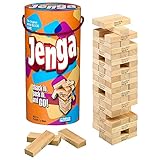
1. Jenga Classic Wood Block Game – Best Overall for Family Nights
Hasbro Gaming Jenga Wooden Blocks Stacking Tumbling Tower Game | Party Games for Kids & Families | Stocking Stuffers | Ages 6+ (Amazon Exclusive)
54 hardwood blocks
Sleeve included
2.19 pounds of wood
Ages 6 and up
Tube stores it all
Pros
- Teaches in under a minute with no rulebook
- Works for one player or a whole table
- Blocks feel solid and evenly cut
- Tube box makes clean-up instant
Cons
- Experienced players can stall deliberately
- Totally dependent on steady hands
- Frustrating for very young or clumsy players
Jenga is the game I end up recommending to people who tell me they dislike board games. There is no setup, no turn order to remember and no concept that needs explaining. You pull a block from the middle of the tower, put it on top, and try not to be the reason it falls over.
Our copy is the 54-block classic with the wooden-grain blocks and a stacking sleeve that makes rebuilding the tower quick when someone does knock it over. That sleeve matters more than it sounds like it should. Without it, a collapsed tower turns into a sorting exercise, and a six-year-old will lose interest in about ninety seconds.

The listed player count reads 1 to 100, which sounds like marketing. In practice it is genuinely a one-player thing, because the box comes with 54 blocks and nothing else. Solo players treat it as a stacking puzzle; we have used it that way on rainy afternoons to slow down an over-tired child.
The tube-shaped box with a carrying handle is the quiet hero. It lives in the toy cupboard, comes out for grandparents who want something to do on their own, and takes about four seconds to put away. Nothing gets lost, nothing is left on the table, and cleanup happens before the arguments do.

Who this suits at the table
It suits any group where the youngest player is around six and the oldest is around sixty. Nobody needs to be a hobbyist, nobody has to memorise a turn order, and a bad turn costs you one tower rather than the whole evening. It is also the safest single purchase if you are furnishing a new house for a family that does not yet know what it likes.
Two-player face-to-face turns are more tense and faster than a six-player version, so it doubles well as a couples game or a parent-and-child pairing while the rest of the table plays something else.
Where it falls short
Once your household has played it a dozen times, the obvious strategy is to remove the same centre block every turn, and the tower becomes a demolition derby with a bad ending. Skilled players do stall deliberately, and the fix is to time turns or play a second game alongside it.
It also demands a genuinely steady hand. A child who struggles with fine motor control will lose far more than an adult will, and there is no partial credit for a good attempt. If that describes someone at your table, look at the toddler and preschool picks further down instead.
2. KerPlunk Kids Game – Best Preschool Dexterity Filler
Mattel Games KerPlunk Kids Game for Ages 5+, 2-4 Players
Plastic base and sticks
Glass marbles
2 to 4 players
Ages 5 and up
0.55 kg
Pros
- Simple enough for preschoolers to grasp
- Rounds are short
- Builds patience and fine motor control
- Plays across three generations
Cons
- Building the stick lattice during setup takes patience
- Glass marbles are heavy and noisy
- Some reports of rough stick finishing and scratched hands
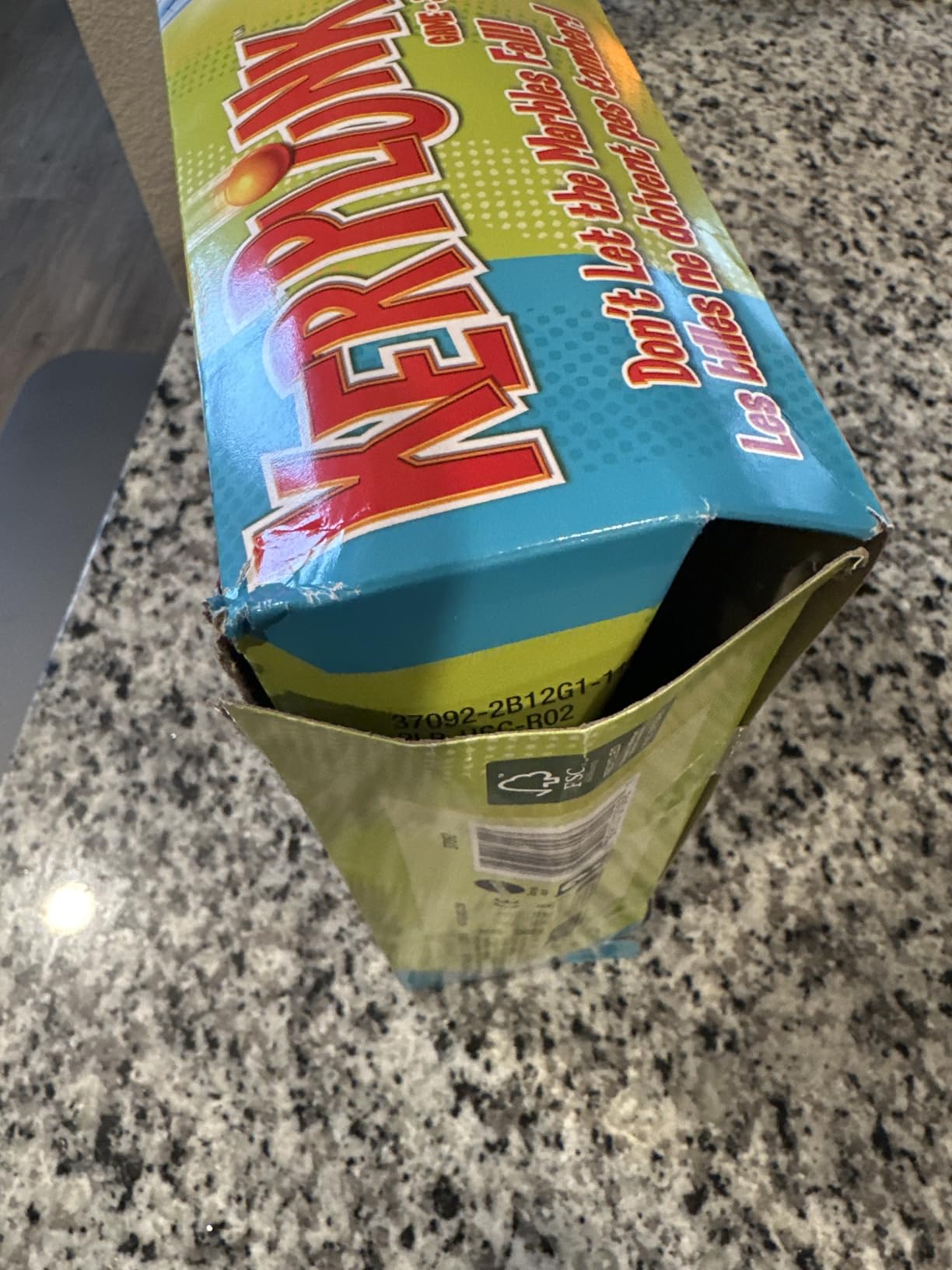
KerPlunk is a tower built inside a translucent plastic tube. You thread a lattice of sticks across the middle, drop a handful of marbles on top, and then take turns pulling sticks out while trying not to let the marbles fall through. Whoever ends with the fewest marbles in their compartment wins.
The tube is the entire trick. Because the marbles are visible from every seat, a five-year-old understands the stakes before anyone explains them, and the adults at the table are not being patronised by a game designed for children. That combination is rarer than it should be.
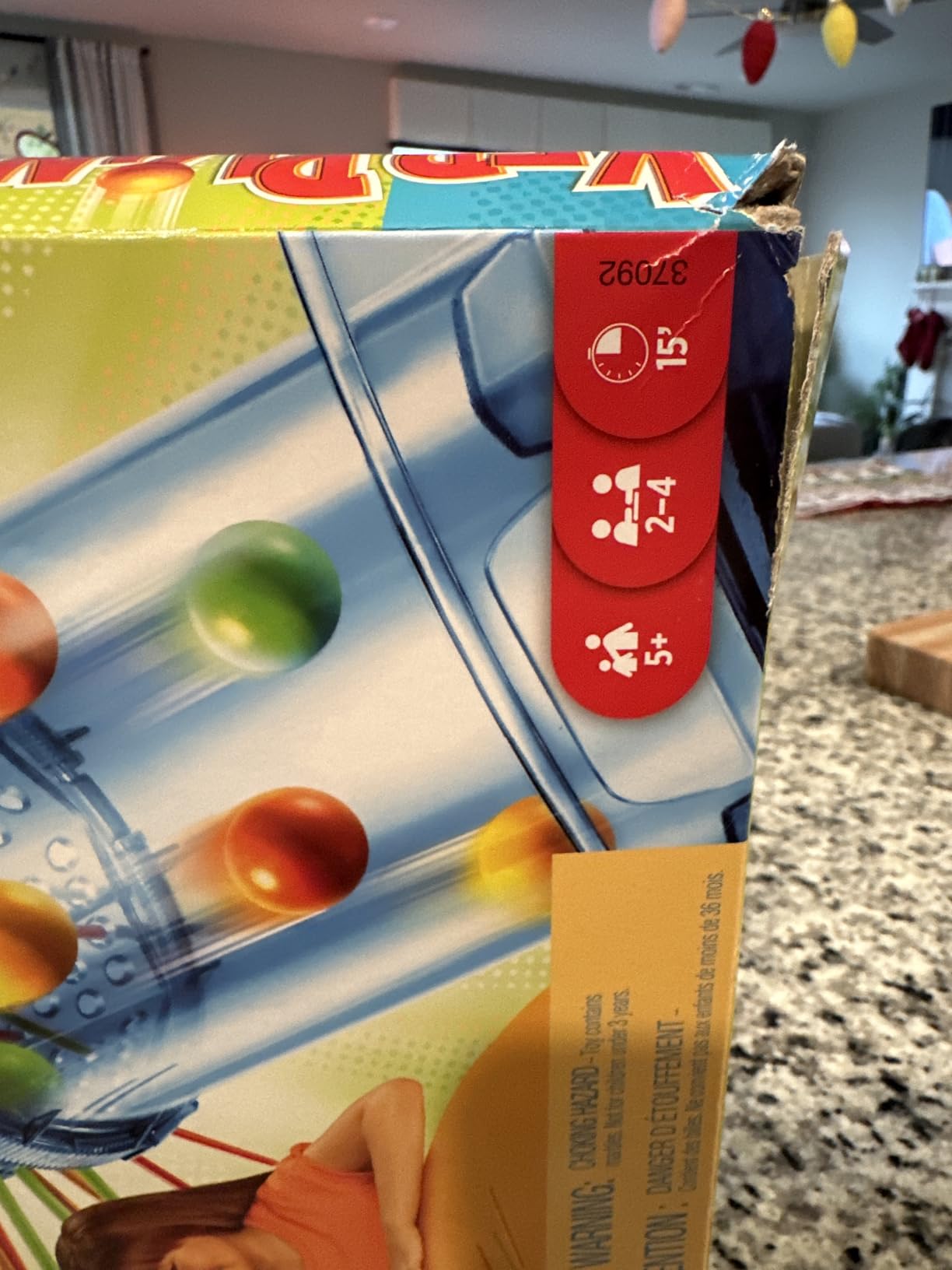
Rounds are quick, which makes this a proper filler game. If you are running an evening of longer strategy stuff, this slots in between without resetting anyone’s mood. It is also one of the few titles here that works just as well on a coffee table as on a dinner table, because the whole footprint is 5.91 by 8.27 inches.
Our family plays it across three generations, with a six-year-old, two parents and a grandmother taking turns on the same base. The four base compartments each correspond to a player, so nobody has to keep score on paper or argue about who owns which side.
Who this suits at the table
It is built for a household with a preschooler who wants to be included in adult games rather than handed a separate one. The learning objective listed by the manufacturer is spacial awareness, and in practice you also get turn taking and consequence, which is a decent haul from a fifteen-minute game.
It works well when you have three or four players and a short attention span budget. Kids who bounce off games with long turns keep moving here because every turn is a single action.
Where it falls short
Setup is the honest weak point. Assembling the lattice of sticks is fiddly, takes a few minutes, and is the part young players hand over to an adult. Plan for that rather than being caught by it halfway through a birthday party.
Some units have rough stick finishes that splinter or scratch small hands, and the glass marbles are heavier and noisier than the box implies. A few buyers also report marbles escaping when the tube is rotated too quickly between turns, so set it on a tray if you have a carpeted floor and a toddler. For a game aimed at under-fives, that noise and small-parts profile is worth checking against your own tolerance.
3. Yeti in My Spaghetti – Best Value Family Dexterity Game
Yeti in My Spaghetti Board Games for Family Night, Multi-Player Game, 4+
Ages 4 and up
Up to 6 players
168 g
No batteries
Fast rounds
Pros
- Sets up and plays in seconds
- Fast rounds keep everyone laughing
- Light and easy to pack for trips
- Suits mixed ages and classrooms
Cons
- Very similar in feel to other pull-the-noodle marble games
- Younger players can struggle with the fine motor demand
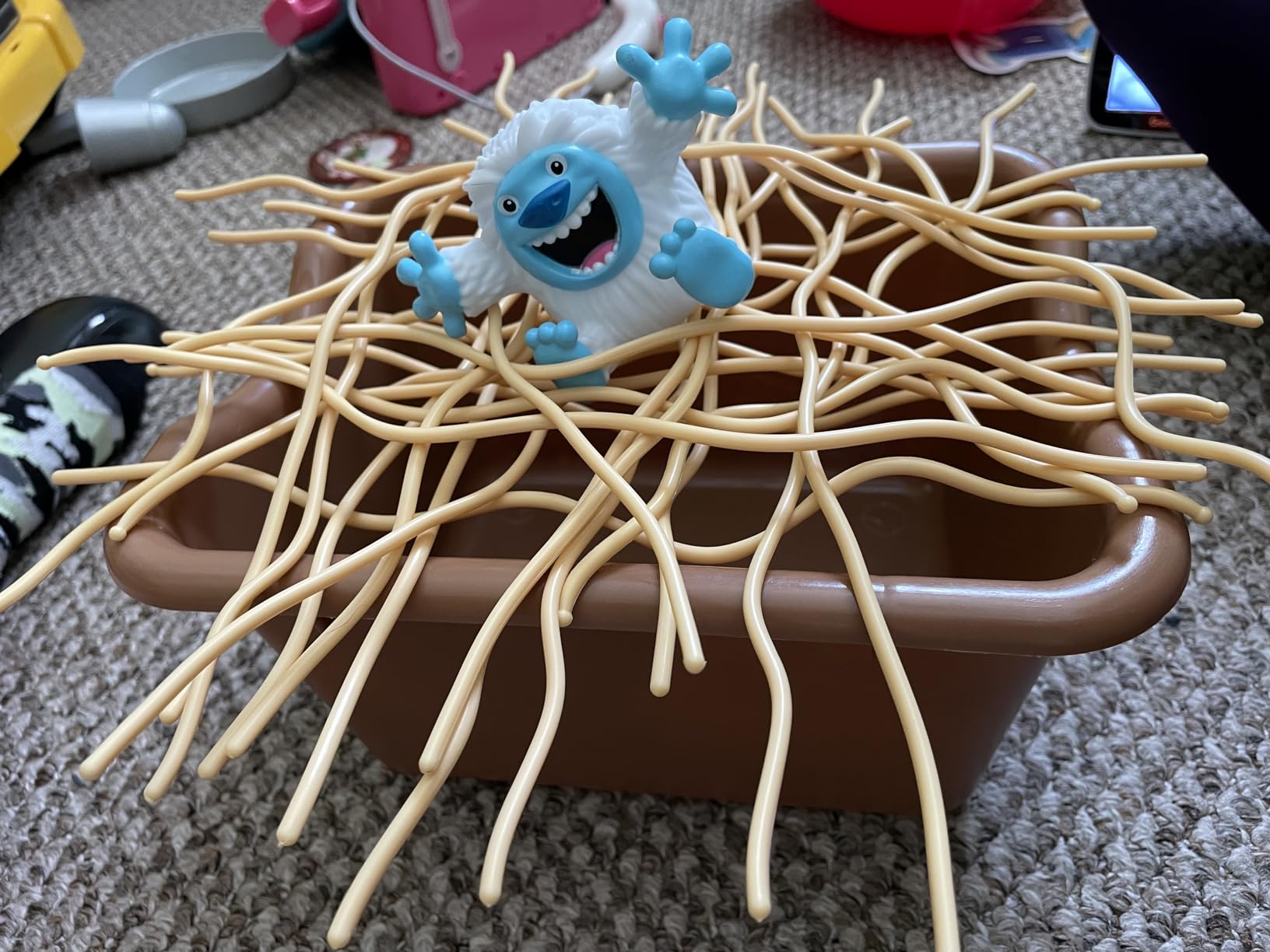
Six coloured noodles are laid across a bowl and a small yeti figure sits on top. Players pull noodles in turn, and the player who makes the yeti drop loses. It is a familiar formula in this category, and the reason it works so well with families is that the entire rule set fits in one sentence.
At 168 grams and 10.5 by 2.5 by 10.5 inches, this is the most travel-friendly dexterity game on the list by a wide margin. It has gone into a backpack for a restaurant waiting list and a grandparent’s overnight bag more often than anything else in our collection.
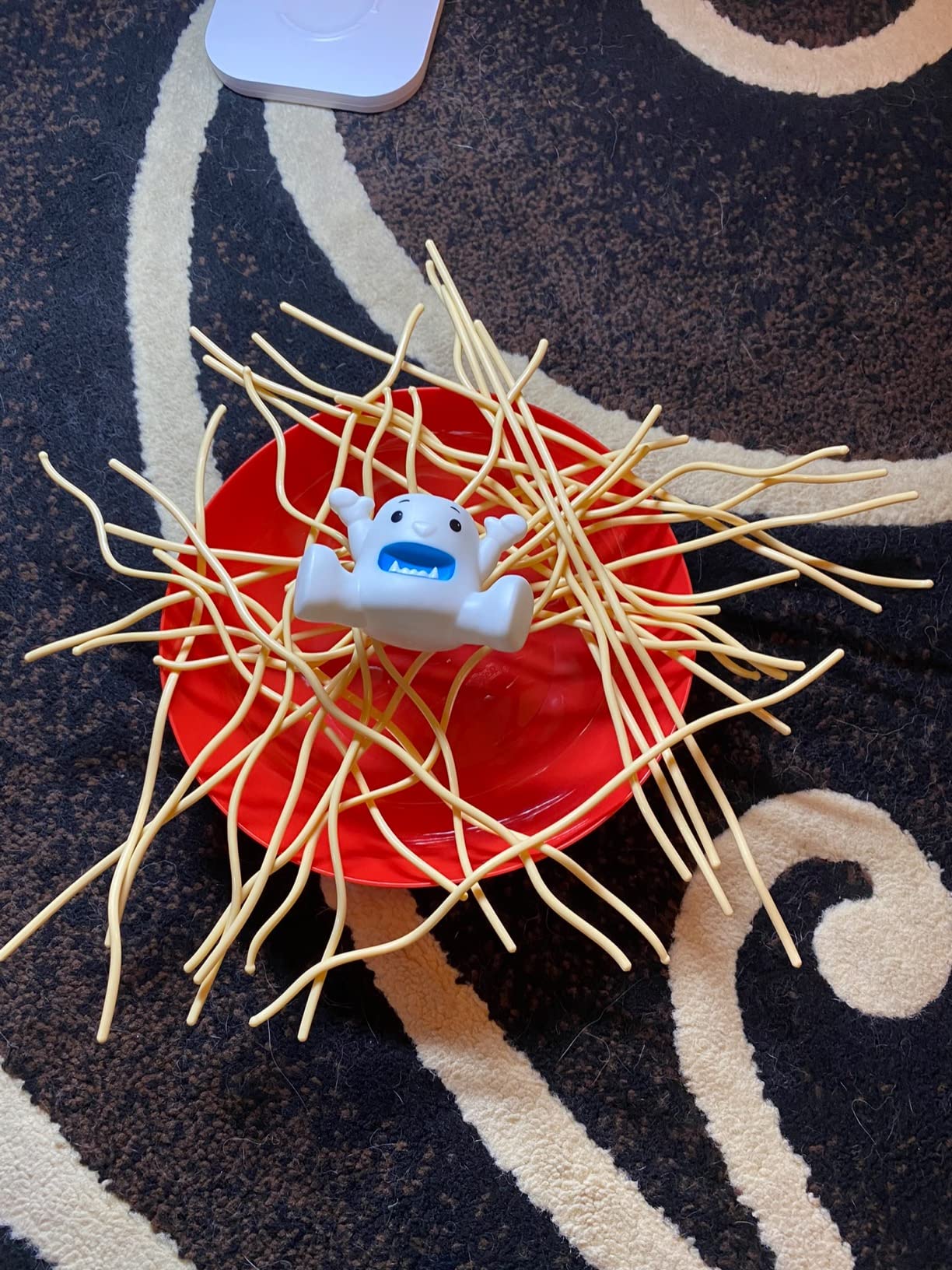
The listed player count is up to six, which makes it one of the few picks here that genuinely works for a large family gathering without splitting into teams. When the adults outnumber the children, the bowls still hold up.
The manufacturer lists hand-eye coordination as the educational focus, and that is visible in play. Children who can already do this sort of thing will beat the adults within two turns, which is either delightful or humiliating depending on how you frame it. We frame it as a bonus round where the grown-ups get to feel slow.
Who this suits at the table
This is the pick for a group that includes a four-year-old. Nothing about it feels babyish to an adult, and the rounds are short enough to hold the attention of a restless child. It is equally at home on a dinner table, in a classroom, or as the opening game of an evening before something heavier.
It also works as a bridge game when a non-gamer is at the table. A guest who has never held a board game can be playing this correctly within a minute of arriving, with no explanation and no embarrassment.
Where it falls short
It sits in the same family as several other pull-the-piece marble games, and once your household has two of that type, the second one starts to feel interchangeable. It is a shallow game in the way that a good snack is shallow, which is fine if you know that going in.
Younger players can also find the noodles frustrating, because pulling one specific strand without disturbing the neighbours is a genuinely fine motor task. A three-year-old will need to be shown twice before the game becomes fun rather than discouraging.
4. Twister Party Classic – Best for Big Groups and Burning Off Energy
Hasbro Twister Party Classic Board Game for 2 or More Players,Indoor and Outdoor Game for Kids 6 and Up,Packaging May Vary
Vinyl mat plus spinner
2 to 4 players
Ages 6 and up
Team mode included
Pros
- Understood instantly by children and adults
- Moves kids off screens and off the sofa
- Team and tournament formats for bigger groups
- Mat spinner and instructions in one box
Cons
- Needs a lot of floor space
- Awkward for players with limited mobility
- Late rounds turn into a scramble for the centre circles
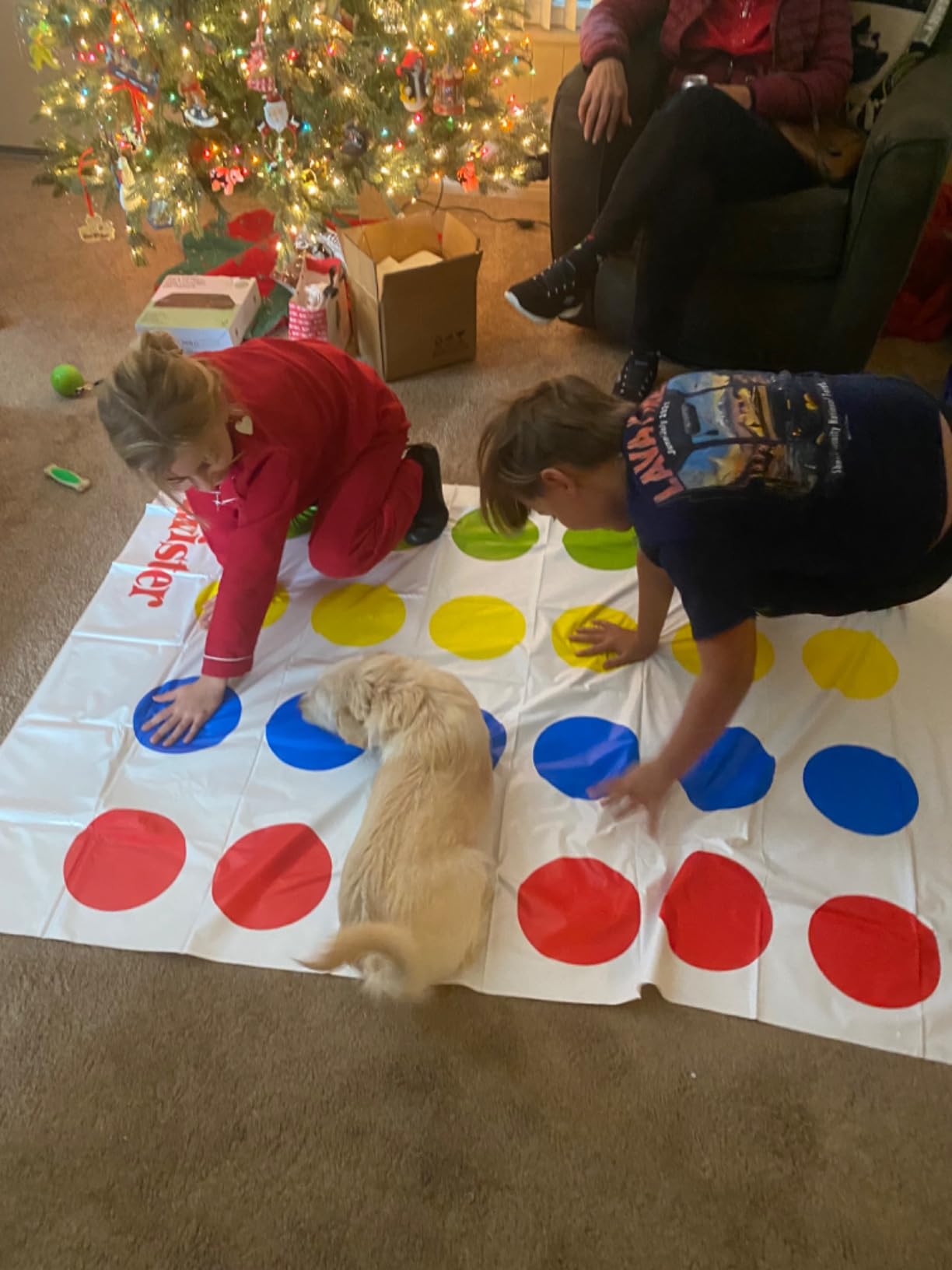
Twister is not really a dexterity game in the fine-motor sense. It is a whole-body coordination game, and that makes it the best cure we have found for the specific problem of children who have been indoors with screens for six hours and will not sit down.
Everything you need is in the box: a vinyl mat, a spinner with a plastic arrow and base, and instructions that nobody will need. The age range is 6 and up, but in practice a five-year-old can do it if they do not mind falling over.
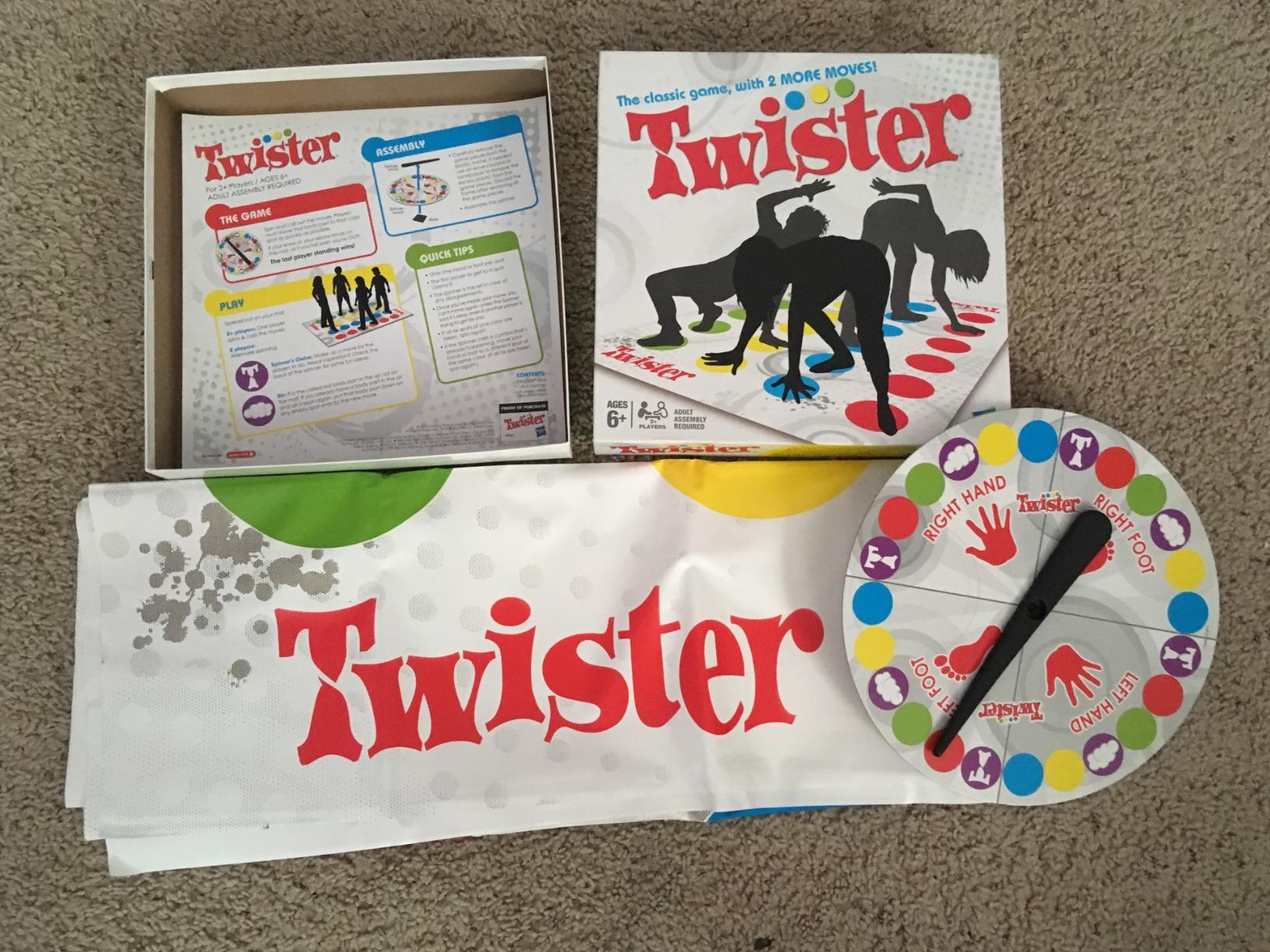
Team play is the underrated feature for a family night. Two teams of two or more, thirty seconds per turn, and a scoreboard on the floor that everyone can see. This is the version that stops a sibling rivalry escalating, because the point of the round is the team total rather than one child outperforming another.
It also scales past the box’s stated 2 to 4 players in a way most games do not. The mat is big enough to run two games side by side, or a proper tournament format with teams of three, which is how we have used it for a birthday party with eight children in the room.
Who this suits at the table
It suits family nights where the energy in the room is too high for anything involving concentration. Put it on before dinner rather than after, and the rest of the evening goes better. It is also the safest option for a group that includes a non-gamer, since there is nothing to be bad at.
It is worth noting that it needs no table at all, which makes it a good pick for a small flat or a holiday gathering in a space that is mostly floor.
Where it falls short
Floor space is the real constraint. In a small room, or on a table that cannot be cleared, this is an awkward game rather than a bad one. Plan for at least six feet of open flooring per four players.
Getting up and down repeatedly is genuinely hard for anyone with limited mobility, a recovering injury, or joint problems, and the late rounds tend to collapse into everyone diving for the central circles. If the table includes a player who cannot get down to the floor easily, skip this one and pick a filler that stays seated.
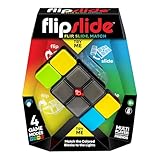
5. Flipslide Handheld Puzzle – Best for Travel and Waiting Rooms
Moose Games Flipslide, Handheld Puzzle Game, Travel Toy Ages 8-13
Pocket-sized console
Four game modes
2 to 4 players
Ages 8 and up
Batteries included
Pros
- Almost no learning curve
- Four modes keep it from going stale
- Fits in a pocket for car trips and travel
- Plays solo or with up to four
Cons
- Sound effects are loud with only on or off volume
- Chunkier than a pocket game suggests
Flipslide is a handheld console where you flip the lid to hide a coloured light and then slide a row of buttons to match the sequence. It is a dexterity game that fits in a coat pocket, which makes it the only pick here that genuinely works for a car journey, a waiting room or a queue for coffee.
The four modes are Speed, Multiplayer, Level and Memory. The Multiplayer mode is the one that turns a solo puzzle toy into a game-night contender, because two people slide at once and the tension is immediate.

Reviewers describe it as usable across a very wide age range in family settings, from children around eight through to grandparents. The box guidance is 8 to 15 years, but the listed manufacturer range covers 8 and up, and it is a toy adults pick up without being asked.
Two LR44 batteries are included, so the first session does not start with a trip to the drawer for batteries. That is a small thing that matters a great deal when you are about to leave the house.

Who this suits at the table
It suits a family that plays at two different speeds. While the adults are stuck in a long strategy game, a child can be running Speed mode alongside them at the same table, which keeps everyone involved rather than creating a bored kid and a busy adult.
It is also the best value-per-gram option for travel, and the fastest setup in this entire list, since the whole thing is a console you switch on.
Where it falls short
The volume control is the most repeated complaint across reviews, and it is a real one in a family setting. It offers loud or off rather than a proper range, so a family with a sleeping baby or a downstairs neighbour needs to plan around it.
It is also bulkier than the word pocket suggests at 2.99 by 5.98 by 1.93 inches, and the buttons take a little practice to hit confidently. As a dexterity game it is a light one, so it will not satisfy a teenager who wants real skill competition.
6. The Sneaky, Snacky Squirrel Game – Best for Toddlers Learning Grip
Educational Insights The Sneaky, Snacky Squirrel Game – Toddler Board Games for 3 Year Olds, Fine Motor Skills Toys for Toddlers, Color Matching Preschool, Tweezer Tool
Squirrel-shaped tweezers
20 acorns
2 to 4 players
Ages 3 and up
Box is the board
Pros
- Self-storing box doubles as the game board
- Acorns feel weighty rather than hollow
- Tweezers genuinely build grip strength
- Teaches colour matching and turn taking
Cons
- Cardboard board is criticized by some buyers
- Tweezers are hard for the smallest hands
- Too babyish for older siblings
This is the one to buy if your youngest player is two or three and you want them at the table with everyone else. Players spin, then use a squirrel-shaped squeezer to pick up the matching acorn before the squirrel gets to it. A windstorm or a theft card can move your nuts, which creates the panic that makes a toddler shriek with laughter.
The box is a tree-shaped board, so there is no separate tray to lose and no setup ritual. That matters with a two-year-old, who will lose interest during anything longer than a minute.

The tweezers are the actual product, and the honest observation here is that the acorns have a weighty, rubber-like feel rather than the hollow rattle of cheap plastic. Fine motor grip is a skill that transfers directly to writing and dressing, and the manufacturers rate this for ages 3 to 7.
It is a two to four player game, and it scales down to two children working together on the same tree, which is how it gets used most often in our house when a friend comes over.

Who this suits at the table
It suits a household with a toddler who has outgrown solitary play and wants to be a real participant. Parents frequently describe it as a first genuine board game, and that framing is accurate: the round is short, the outcome is visible, and nobody is eliminated early.
It also works as a calm activity alongside a heavier adult game, since it needs almost no attention beyond the spinner.
Where it falls short
Some buyers describe the cardboard board as cheaply made, and cardboard does not survive a house with a chewing toddler. Check the edges before the first session.
The squeezer is genuinely difficult for the smallest hands, so a two-year-old may prefer to pick acorns up directly. Plenty of families do exactly that and skip the tool, which loses the fine motor element but keeps the game playable. It is also too young for siblings over about seven, who will find it patronising rather than challenging.
7. Banana Blast – Best for Sibling Rivalries
Goliath Banana Blast – Pull The Bananas Until The Monkey Jumps Game – Includes a Fun Colorful 24pc Puzzle by Goliath , Green
2 to 5 players
Ages 4 and up
Tin packaging
1.2 pounds
Includes a 24-piece puzzle
Pros
- Sturdy plastic that survives years of play
- Everyone gets a chance to catch the monkey
- Short rounds suit short attention spans
- Die-driven turns teach turn taking and counting
Cons
- Too simple for children over about eight
- Monkey occasionally fails to launch
- Packaging is prone to arriving crushed
Banana Blast is a treetop with 12 bananas threaded onto strings. Players roll a die and pull that many bananas, and whoever pulls the last one makes the monkey launch, which is then caught with a cup. The player who catches it gets the pile.
What makes it a good family pick is the structure of the turn. Every player gets a genuine chance to catch the monkey, so a child who is not winning the banana count still gets a moment of glory, and the round ends in a scramble rather than a slow defeat.

Long-term owners describe the plastic base and bananas as holding up well, still playing like new after years. It is for 2 to 5 players, which makes it more flexible than most of the preschool titles here, and the manufacturer recommendation is ages 4 and up.
There is also a 24-piece puzzle in the tin, which is not a dexterity mechanic but is excellent for a child who finishes early or needs something calm to do while the adults finish a round.

Who this suits at the table
It suits a family with two children close in age who are competitive with each other but not with the adults. The die randomises the turn order, which quietly stops an older sibling from taking every meaningful turn.
It is a good dinner table game because the base is small and the noise is contained. The rounds are short enough to fit between courses without anyone losing the thread.
Where it falls short
The rules are very simple, and simple rules mean a ceiling. A child of eight or nine will usually be past it within a handful of plays, and there is not much depth to keep them there. A few buyers also felt the value did not match the complexity, which is a fair criticism of a game with this little going on.
The monkey has also been reported failing to launch even when every banana has been pulled, which reliably produces an argument. It is a small mechanical flaw, but on a table full of tired children it matters more than it would at a gaming club.
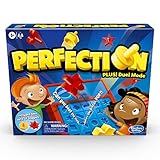
8. Perfection Plus Duel Mode – Best for Two-Player Racing
Hasbro Gaming Perfection Plus 2-Player Duel Mode Popping Shapes and Pieces Ages 5 and Up, Easter Gifts for Kids (Amazon Exclusive)
25 red and 25 yellow shapes
Duel mode
About 15 minutes
Ages 5 and up
2 pound base
Pros
- Duel mode makes an old format competitive again
- Plenty of pieces for a real race
- Rounds run about 15 minutes
- Storage box keeps the second set organised
Cons
- Small shapes and a small ball present a choking risk
- Play pattern becomes repetitive over time
- Time pressure can cause tears in sensitive players
Perfection is the shape-popping game where you have to fill a grid with matching shapes before the timer runs out, in a hand that is not allowed to touch the already-placed ones. This version adds a Duel mode, which is the reason it is on this list at all.
In Duel mode, two players race at once, one with the red set and one with the yellow. The old version was a pleasant turn-taking puzzle for a single child. Side by side, with the clock running for both of you, it becomes a genuine dexterity contest that a parent and a child can actually enjoy on equal footing.

There are 25 red and 25 yellow shapes, which sounds like a small detail and is not one. Enough pieces on the board means the losing player is never out of the game early, and a full board is a much more interesting visual scramble than a half-empty one.
The estimated playing time is 15 minutes, and that estimate is accurate. It is listed for 2 years of age and up in the size field and 5 years and up by the manufacturer, so treat five as the floor for independent play.

Who this suits at the table
It suits a parent who wants one good head-to-head game with a specific child rather than something the whole group shouts over. Duelling a seven-year-old or an adult is the intended way to play, and the outcome is genuinely close if you are evenly matched.
It is also useful for a wide age spread, because you can pair a strong hand with a weaker one and the duel format keeps the weaker player interested longer than a shared puzzle would.
Where it falls short
The choking hazard caution is on the box and it is not decorative. There is a small ball and there are small shapes, so this does not belong on a floor with a two-year-old crawling nearby.
The pressure is also real. A timer that runs out while a child is mid-reach produces tears more often than cheers, and the pattern is simple enough that a strong player will spot the optimal route after a few rounds and start winning every time.
9. Tinderblox – Best for a 15-Minute Filler Between Heavier Games
Alley Cat Games Tinderblox Board Game
Campfire stacking with tweezers
2 to 6 players
15 minute playtime
Mint tin format
2.72 ounces
Pros
- Fits in a purse or backpack for travel
- Takes 5 to 10 minutes per round
- Almost no learning curve for newcomers
- Real tension as the fire grows
Cons
- Rounds so short some groups lose interest
- Small slippery pieces need a clear surface
- Tweezers are the weakest component
Tinderblox is a campfire you build in a mint tin. Instruction cards tell you the exact orientation of each log and ember, and you place them with a pair of tweezers. Get it wrong and the whole stack tumbles, which usually sends the fire out of the tin onto the table.
It is the most genuinely dexterity-dependent game on this list, in the fine-motor sense. You are not flicking or balancing gross movement, you are performing a precise placement with a tool, and that is a very different kind of challenge.

The 15 minute playtime is accurate, and individual rounds run 5 to 10 minutes. That makes it the right size for the gap between two heavier games, or for a dinner table when the adults want something that is over quickly.
Reviewers are near-unanimous that the format has almost no learning curve, so a guest can join halfway through. That is a real advantage over most dexterity games, where a new arrival needs two full rounds of watching before they can play.

Who this suits at the table
It suits a group of two to six that wants a skill game without a long teach, and a family that travels. The tin is 1.3 by 2.5 by 3.7 inches and weighs under three ounces, so it lives in a jacket pocket and comes out in a restaurant.
The off-hand stacking rule adds enough variety that a repeat play is not a repeat experience, which is what keeps it interesting beyond the novelty stage.
Where it falls short
The tweezers are the weak link, and reviewers treat them almost as a consumable. If they bend or loosen, the difference between a challenging placement and an impossible one becomes frustrating fast, so check them before the second session.
The pieces are small and slippery and need a flat, clear surface, which rules out a soft sofa or a lap game. And because rounds are so short, some groups find the whole thing over after one or two goes rather than compelling.
10. Dr. Eureka Speed Logic Puzzle – Best for STEM Learners
Blue Orange Dr. Eureka Speed Logic Puzzle Dexterity Game Games – 1-4 Players for Ages 8+
12 test tubes and 24 balls
54 challenge cards
1 to 4 players
Ages 8 and up
719 g
Pros
- Combines speed
- logic and dexterity cleanly
- 54 cards give wide puzzle variety
- Scientific theme appeals to STEM-minded kids
- Scales from solo to a four-player race
Cons
- Balls roll away and get lost
- No-touching rule is hard with limited fine motor control
- Harder puzzles frustrate younger children
Dr. Eureka has you rolling coloured molecules from one test tube to another to match a formula drawn on a challenge card, with the first player to finish shouting Eureka. The molecules can only be moved by rolling them, never by lifting and dropping, and that single restriction is what makes it a dexterity game rather than a logic puzzle.
54 challenge cards is the number that matters here. Most puzzle games of this type give you a handful of scenarios and then repeat them. This one has enough variety to keep a four-player race genuinely fresh across many sessions.

It works from one player up to four, which means a family can use it in whatever combination turns up on the night. It is also commonly used in classrooms and for homeschooling, and the 719 g weight means it stays put on the table rather than sliding.
What surprised us most is how well it bridges generations. An adult and a child can both be genuinely bad at the same puzzle, which is a rare and very welcome thing at a mixed table.

Who this suits at the table
It suits families where the children like STEM activities and the adults enjoy being beaten at one. The scientific framing gives it enough surface interest for an eight-year-old, and the underlying puzzle is satisfying enough that an adult stays in without checking their phone.
It is also a good pick for a child who finds dexterity games frustrating, because the challenge is half thinking and half rolling, and a thoughtful player can compensate for a slower hand.
Where it falls short
The balls roll, and they roll away. Lost marbles are the most common complaint in reviews, and with younger children or a dog in the room you will be sweeping under furniture afterwards.
The harder cards genuinely frustrate younger players, so in a mixed group either hand the youngest player a gentle card or accept that they will finish last for a few rounds. Note also that the age guidance differs between the manufacturer and the product listing, so treat eight as the sensible floor.
11. Barrel of Monkeys – Best for the Youngest Players at the Table
Spin Master Games Barrel of Monkeys Classic Linking & Balancing Kids Game
15 plastic monkeys
1 to 4 players
Ages 3 and up
Self-storing barrel
4.25 by 3.25 inches
Pros
- Preschoolers can genuinely play it independently
- Self-storing barrel makes clean-up instant
- Very low price point suits a game night stack
- Teaches turn taking and risk-versus-reward thinking
Cons
- Outgrown quickly by school-age children
- Faster players often dominate the table
- Small plastic monkeys get dropped and lost
Barrel of Monkeys is the game where you tip 15 plastic monkeys onto the table and race to link their curved arms into the longest unbroken chain. The player with the most monkeys in their chain at the end of a turn wins them.
It is listed for ages 3 and up and 1 to 4 players, and both figures are accurate in the way that matters. A preschooler can play it alone, which is a rare property in this category and the reason it earns its place on a list otherwise full of games that need an adult.

The barrel snaps together to hold all 15 monkeys, so clean-up takes about five seconds and nothing goes missing under the sofa. That design decision matters more in a family house than any other feature on this list, because cleanup is what actually kills a game night.
It is also genuinely portable, at 4.25 by 3.25 by 6.25 inches, and the manufacturer explicitly notes it works outdoors for camping and family gatherings.

Who this suits at the table
It suits a household where the smallest player is three and the older children are already bored with anything designed for them. Because it is a genuine two-layer game, the older sibling and the toddler can both be playing it at once without either of them feeling patronised.
It is also a strong first game to buy. The rules are a single sentence, there is no timer, and nobody is eliminated early, which makes it a safe opener for a group that includes a hesitant non-gamer.
Where it falls short
Children outgrow the decision-making quickly, usually somewhere around school age, and it rarely survives past that point. The risk-versus-reward call of grabbing one more monkey is fun for a while and then becomes obvious.
Fast players dominate at the same table, because a confident hand chains four monkeys where a cautious hand chains two. And the monkeys are small enough to be dropped and genuinely lost, which is a genuine problem in a house with a vacuum-free floor plan.
12. Fastrack Disc Slinging Game – Best for Head-to-Head Duels
Fastrack Board Game by Blue Orange Games – The Original 2-Player Disc Slinging Fast Action Game.
Elastic launcher and 10 pucks
2 players
14 by 8.5 inch wooden board
Ages 5 and up
1.1 pounds
Pros
- Beautiful wooden tabletop build with a fast flick
- Satisfying launch action
- Easy to learn and hard to master
- Playable by children
- teens and adults alike
Cons
- Strictly a two-player game
- Elastic cord weakens over time
- Discs can escape from the bag
- Fast fingers beat slow ones
Fastrack is a two-player game on a wooden tabletop where you sling a disc down the centre slot with an elastic cord and try to knock your opponent disc off their side. It is the most purely competitive game on this list and the only one that feels like a sport rather than a puzzle.
The build quality is the first thing you notice. A 14 by 8.5 inch wooden board with a proper split down the middle and a cord launcher feels substantial, and it is the game on this list that most looks like it belongs on an adult shelf even though the manufacturer recommends ages 5 and up.

Play is extremely fast. Rounds are almost instantaneous, which is exactly why this works as a tiebreaker or a between-courses game, and why it does not work as the main event for a long evening.
It also trains hand-eye coordination in a way that is easy to feel rather than hard to measure. You can see improvement within about ten plays, which keeps even a beginner interested.

Who this suits at the table
It suits a pair, specifically. A parent and an older child, two couples, or a teenager who will not sit through anything with rules longer than one sentence. If you have exactly two people who want a real contest, this is the pick.
It is also the natural second game of an evening, because a Fastrack round takes almost no time and produces a clear winner, which makes it a satisfying way to close.
Where it falls short
It is strictly a two-player game and there is no pass-and-play workaround worth mentioning. For a family of five it needs a partner, which limits when it can come out.
The elastic cord weakens with use and gradually reduces launch power, so the game gets slower over months rather than breaking suddenly, and the supplied bag holds only one round of discs, so pieces do get lost under furniture. Finally, finger speed is a genuine advantage for adults over small children, so pair it thoughtfully.
How to Choose a Dexterity Game Your Family Will Actually Finish
The single biggest mistake is buying on dexterity intensity. A family table does not need the hardest game, it needs the game that keeps the youngest person interested long enough for the adults to have fun too. Work through these factors in order and the choice usually makes itself.
Start with the youngest player’s age, not the box. Box minimum ages are conservative and often wrong in both directions. The Sneaky, Snacky Squirrel is rated 3 to 7 and a two-year-old will manage it with the tweezers, and Jenga is rated 6 and up but a determined five-year-old will do fine. The reverse also happens: a game rated for eight will frustrate a five-year-old badly. If your youngest is under five, your realistic shortlist is Barrel of Monkeys, Banana Blast, Yeti in My Spaghetti and the Squirrel game. Between six and nine, add Jenga, KerPlunk, Perfection Plus and Tinderblox.
Match the player count to the room. This is the filter family buyers complain about most often. The table below is the version to keep in your head. Flipslide, Yeti in My Spaghetti and Tinderblox all stretch to six or more players. Banana Blast handles five. Jenga, KerPlunk, the Squirrel game, Dr. Eureka and Barrel of Monkeys cap out at four. Twister, Perfection Plus and Fastrack need a specific number or a partner, and Fastrack is strictly two-player with no exceptions.
Sort by dexterity intensity. I rate these on a three-point scale. Low intensity means gross motor movement with almost no fine control required, which is Twister and Barrel of Monkeys. Medium intensity covers Jenga, KerPlunk, Yeti in My Spaghetti, Banana Blast, Perfection Plus, Flipslide and the Squirrel game. High intensity is Tinderblox, Dr. Eureka and Fastrack, where the outcome depends on fine finger control under time pressure. Families with a wide age spread should stay in the low and medium bands, because a high-intensity game reliably produces an eight-year-old cleaning up while three adults watch.
Decide whether you want a duel, a race, or a free-for-all. Most families need more than one format, and mixing them is the trick to a smooth evening. Fast-track a duel: one pair, head to head, nothing else on the table. Perfection Plus and Flipslide are races, and Dr. Eureka is a logic race where the speed element comes second. Free-for-all games, where everyone is in it at once, are Jenga, KerPlunk, Yeti, Banana Blast, Tinderblox, Twister and Barrel of Monkeys. Cooperative dexterity is the gap in this category, and almost nothing in the mainstream hobby shelf fills it.
Count the mess before you commit. This is the factor no ranking page bothers with, and it is the one that decides what stays in rotation. KerPlunk drops glass marbles, Dr. Eureka rolls balls under furniture, Fastrack flings discs across a room, Twister requires clearing the floor, and Perfection Plus has a small ball. Games that stay put are Jenga, Barrel of Monkeys with its self-storing barrel, Yeti in My Spaghetti with its 168 gram weight, and the Squirrel game with its box-as-board design. In a flat with a downstairs neighbour or a carpeted floor, start from that column.
Check the noise level. Twister and Flipslide are the loud two. Flipslide’s sound effects have only a loud setting and an off setting, which is a real limitation in a quiet home, and Twister generates its own noise through bodies on a vinyl mat. The stackers, the tube games and the pocket games are all comparatively quiet.
Know who should skip dexterity games. Some tables really should not play these, and it is worth saying plainly. If anyone at the table has arthritis, a tremor, a recent hand or wrist injury, or reduced fine motor control, dexterity games will exclude them rather than include them, and a child who loses every turn to a sibling stops wanting to play. The same applies when the gap in skill is so wide that the outcome is decided before anyone concentrates. And if a child reacts badly to a timer, avoid the time-pressured titles.
Use adaptations when the skill gap is the problem. Nobody has to be benched. Let players sit or stand as suits them, which matters for anyone with mobility issues and costs nothing. For Dr. Eureka, agree in advance that a player may lift and place a molecule instead of rolling it, accepting a small time penalty. For Jenga, give each player a limited number of pulls per turn so a steadier adult cannot simply outlast the table. For Perfection Plus, drop to a relaxed timer. For Flipslide and Yeti in My Spaghetti, the components are large and the grip is light, which makes them the two most forgiving choices on the list for a hand that does not want precision work.
Run the evening properly. Three games is usually the right number, and 90 minutes is a realistic total. Open with something that needs no teach, since people arrive at different times, which makes Barrel of Monkeys or Jenga the correct first choice. Then put the game with the most thinking in the middle, when everyone is awake and still winning. Close with Fastrack or KerPlunk, which are short enough to finish after a long evening. Teach each game in under a minute and never more than two sentences, and if a child asks to play the same game twice, let them. A repeated game is not a failed evening.
On accessibility, keep it practical. The best general rule is to choose large components, low grip force and no timers. That points at Yeti in My Spaghetti, Barrel of Monkeys and Jenga. Forum threads on this topic consistently raise the same concerns about arthritis, tremors and larger bodies, and the honest answer is that most stacking and flicking games are not adjustable. Sitting games, larger pieces and a relaxed timer are the practical workarounds rather than a rule change.
Frequently Asked Questions
What are good games to play at family game night?
For a mixed-age family table, the best games are short, teachable in under a minute, and keep everyone in the action. Jenga, Yeti in My Spaghetti, KerPlunk and Barrel of Monkeys all fit that shape. Put one easy opener first, something with a little thinking in the middle, and a two-minute game at the end.
What are some good games for both adults and kids?
The games that work for both adults and kids are the ones where no one feels patronised and nobody is eliminated early. Jenga, Yeti in My Spaghetti, KerPlunk, Twister in team mode, and Banana Blast are the strongest. Twister teams are especially good because the score belongs to the group rather than to one child.
What are some easy games to play with family?
The easiest games to play with family are those whose whole rule set fits in one sentence: pull a block and place it on top in Jenga, pull a stick without dropping the marbles in KerPlunk, or link monkeys into a chain in Barrel of Monkeys. These teach in seconds and need no components laid out before play.
What are some good dexterity games for adults?
Adults tend to enjoy the skill-forward entries rather than the preschool titles. Tinderblox and Dr. Eureka reward precision, and Fastrack is a genuine head-to-head contest on a wooden tabletop. Jenga stays popular with adults because the physical tension of a leaning tower never really gets old, even once the strategy is known.
What are some fun games I can play with my family at the dinner table?
Dinner table games need a small footprint and contained noise. Barrel of Monkeys, Yeti in My Spaghetti, KerPlunk and Flipslide all fit on a plate-sized area of table. KerPlunk is a good choice because the tube keeps the marbles contained, and Flipslide works because it is a handheld console rather than a board.
What dexterity games work well with young children?
For children under five, Barrel of Monkeys, Banana Blast, Yeti in My Spaghetti and The Sneaky, Snacky Squirrel Game are the workable options. All four have short rounds, no elimination and large components. Avoid anything with a small ball or loose marbles on a floor where a toddler is crawling.
The Game to Buy First
If you only buy one thing from this roundup, buy Jenga. It has the widest age range, the shortest teach, the easiest cleanup and the most replay value of anything here, and it works whether the youngest player is five or fifteen. It is the single safest first dexterity game for family nights in 2026.
Then add one game for the youngest person at the table, which means Yeti in My Spaghetti or Barrel of Monkeys, and one game that only adults and older children will enjoy, which means Tinderblox, Dr. Eureka or Fastrack. Three boxes cover a whole evening, and every one of them will be finished rather than abandoned halfway through a round.
If your family prefers bluffing and cards to flicking and stacking, the best poker sets for home game nights covers a different kind of evening. For everything that fits on a bigger table and runs longer than 30 minutes, start with the best big-box board games for game nights.