
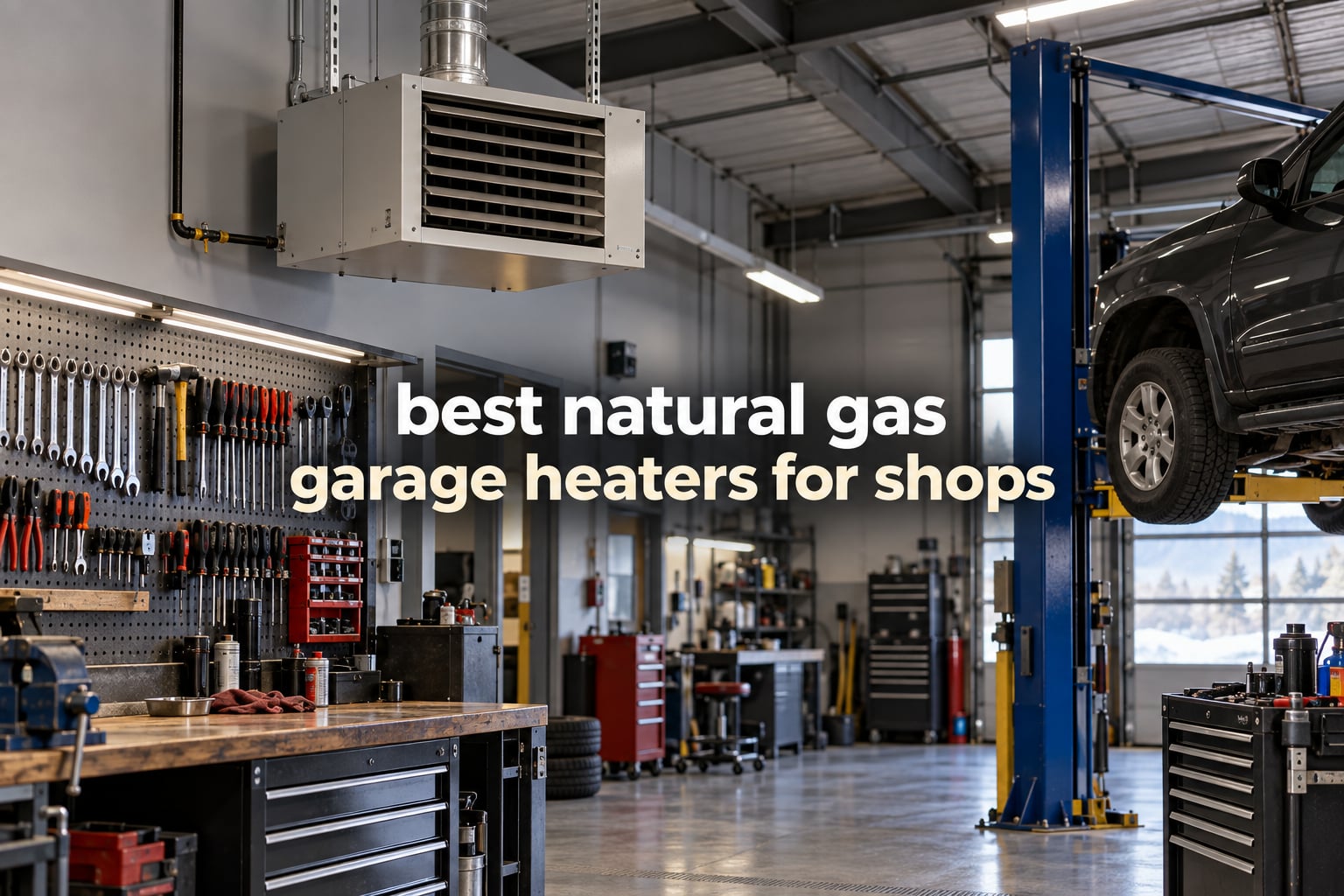
A shop that is cold in January is a shop that loses working days, ruins finishes, and makes every hand slower. If you are searching for the best natural gas garage heaters for shops, you are already past the portable propane jockey torch and looking at equipment that gets mounted once, ties into a piped gas line, and heats the whole room from the ceiling. That is a different purchase, with different rules, and it is the one we spent this roundup untangling.
We went through the current crop of natural gas shop heaters, sorted them by venting style and heat delivery method, and matched each one to the shop it actually suits. The lineup runs from a 10,000 BTU blue flame wall furnace good for a freeze-protection corner to a 50,000 BTU ceiling unit heater that will warm a three-car shop, and it covers the vented, vent-free, and direct-vent branches that decide whether a unit is safe in your building.
Natural gas is the right fuel for most shops that get heated all winter because a piped line has no delivery schedule, no tank sitting in your yard, and a per-BTU cost that sits well below electric resistance heat. If you are still comparing fuel types, our gas water heater buying guide covers the same utility-versus-tank math from the other end of the pipe. For portable and electric options in the same shop, read 8 best garage heaters for winter workshops tested first so you know what you are giving up by going permanent.
Top 3 Natural Gas Shop Heaters for Shops in 2026
Our editor’s choice is the Mr. Heater 30,000 BTU vent-free blue flame, the best value is the Mr. Heater 50,000 BTU forced-air unit heater, and the premium pick is the Modine Hot Dawg 45,000 BTU. Those three cover the vent-free, ceiling-mounted, and power-vented branches of the category between them, which means one of them is usually the right starting point regardless of how your shop is built.

Mr. Heater 30,000 BTU Vent Free Blue Flame
- 30000 BTU output
- Heats up to 1000 sq ft
- No venting required
- Built-in thermostat

Mr. Heater 50,000 BTU Forced-Air Unit
- 50000 BTU output
- Heats up to 1667 sq ft
- Ceiling mounted
- Works with 24V thermostats
Modine Hot Dawg 45,000 BTU
- 45000 BTU at 80 percent efficiency
- Power vented
- Certified commercial and industrial
- Ceiling bracket mount
All 11 Natural Gas Shop Heaters Compared in 2026
The table below is the full lineup, ordered by how much heat each one puts into a room. Forced-air ceiling heaters sit at the top because they heat air rather than surfaces, and the vent-free wall furnaces fall lower because their output depends on the room you put them in.
| Product | Specifications | Action |
|---|---|---|
| Mr. Heater 30,000 BTU Vent Free Blue Flame |
|
Check Latest Price |
| Mr. Heater 50,000 BTU Forced-Air Unit Heater |
|
Check Latest Price |
 Dyna-Glo 20,000 BTU Blue Flame Wall Heater Dyna-Glo 20,000 BTU Blue Flame Wall Heater |
|
Check Latest Price |
 ProCom 30,000 BTU Ventless Infrared Plaque Heater ProCom 30,000 BTU Ventless Infrared Plaque Heater |
|
Check Latest Price |
| Modine Hot Dawg 45,000 BTU Power Vented |
|
Check Latest Price |
 Ashley Hearth DVAG11N Direct-Vent Wall Heater Ashley Hearth DVAG11N Direct-Vent Wall Heater |
|
Check Latest Price |
 Heatstar MH25NG Radiant Overhead Garage Heater Heatstar MH25NG Radiant Overhead Garage Heater |
|
Check Latest Price |
 Comfort Glow 30,000 BTU Plaque Wall Heater Comfort Glow 30,000 BTU Plaque Wall Heater |
|
Check Latest Price |
 ProCom 10,000 BTU Blue Flame Heater ProCom 10,000 BTU Blue Flame Heater |
|
Check Latest Price |
 Mr. Heater 20,000 BTU Dual Fuel Radiant Heater Mr. Heater 20,000 BTU Dual Fuel Radiant Heater |
|
Check Latest Price |
 Rinnai FC824N Ventless Heater with Thermostat Rinnai FC824N Ventless Heater with Thermostat |
|
Check Latest Price |
1. Mr. Heater 30,000 BTU Vent Free Blue Flame Natural Gas Heater – Best Overall for Shops Without a Flue
Mr. Heater 30,000 BTU Vent Free Blue Flame Natural Gas Heater
30,000 BTU
1,000 sq ft coverage
Vent free
24.7 lb
Pros
- 30000 BTU output covers up to 1000 sq ft
- No venting or electrical work needed
- Built-in adjustable thermostat
- Low oxygen safety shut-off
- Runs through power outages
Cons
- Blower fan kit sold separately
- Radiant output warms people and objects more than air
- One year limited warranty
This is the unit I keep coming back to for a single-bay shop that does not want a hole in the roof. It puts out 30,000 BTU and the manufacturer rates it for spaces up to 1,000 square feet, which covers a two-car garage or a modest one-bay shop with a workbench. There is no flue to run and no electricity to supply, so the install is a gas line and a wall bracket.
The number that matters most for its review history is 4,469 ratings averaging 4.5 stars, by a wide margin the most owner feedback in this roundup. Owners consistently point at three things: the heat arrives fast, the controls are dead simple, and it keeps working when the power goes out. That last one matters more in a shop than people expect.
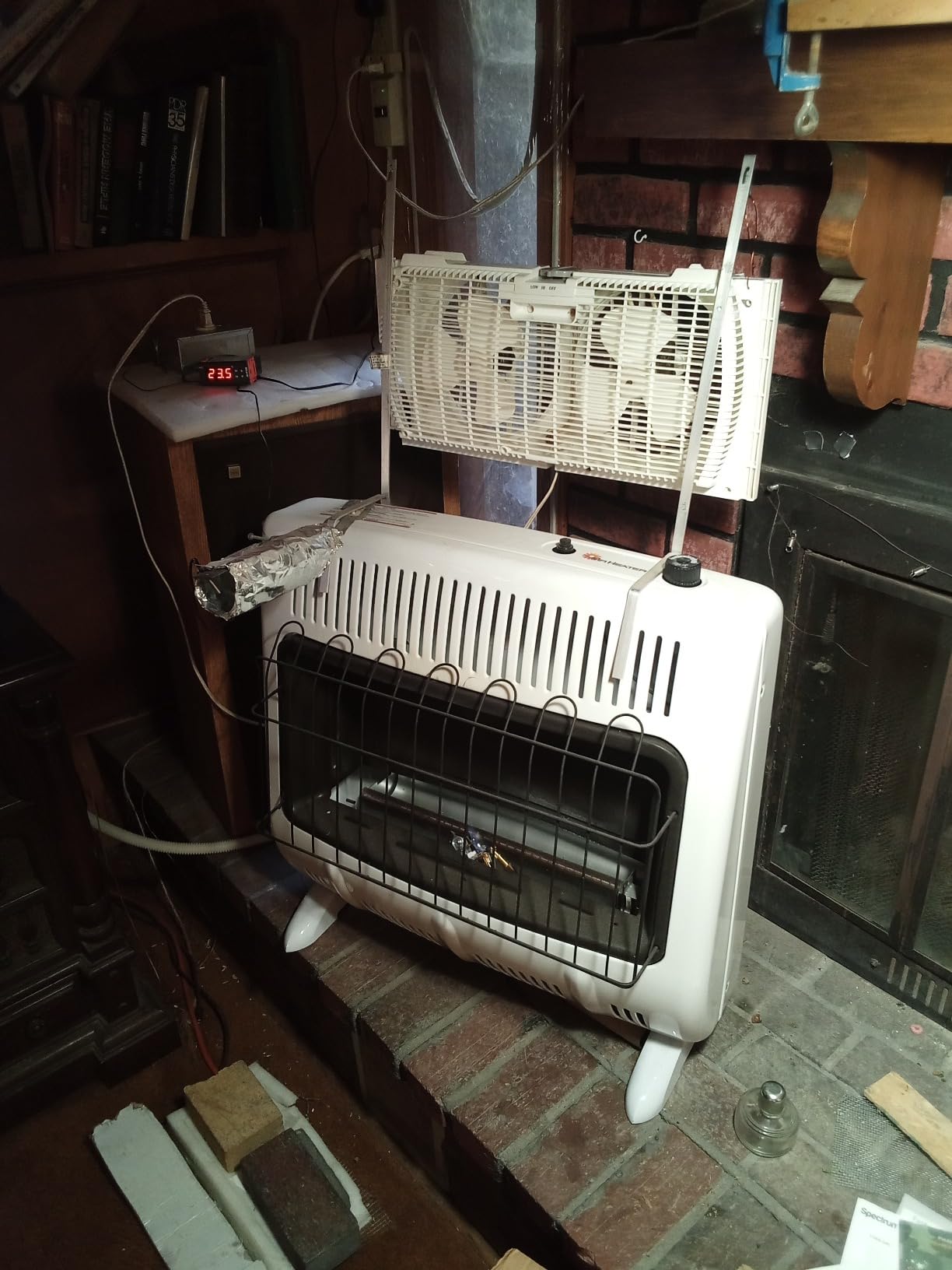
The catch is the burner. A blue flame wall furnace does most of its work by warming the air it draws in, but roughly a fifth of its output is radiant, which means you still feel the heat on your face and hands before the whole room equalises. Add the optional F299201 blower fan kit and you get a proper air distribution, at extra cost and extra noise.
One more thing to plan for in shops: this heater relies on the room air to stay at safe oxygen levels, so it is a poor fit for an attached garage where a running vehicle can pull combustion air out of the space. It is at its best in a detached shop with decent volume, where a wall mount high and clear of traffic does the job all winter.
What It Is Best For: Detached Shops With No Roof Access
If the roof is finished, the ceiling is low, or you simply do not want a flue penetration, this is the shortest path to permanent heat. It also keeps working through an outage, which means your shop still warms up when a storm takes the power out. The built-in thermostat means it cycles on its own without buying a separate 24V control.
What to Watch Out For: Clearance and Air Mixing
Set it high on the wall and out of the way of a lift or a vehicle door, and expect stratification until you add the blower. The 900 degree maximum temperature setting is worth respecting around anything that melts or softens. Plan on the blower kit as part of the cost, not an optional extra.
2. Mr. Heater 50,000 BTU Forced-Air Unit Heater – Best Value Ceiling Heater for a Working Shop
Mr. Heater 50,000 BTU Forced-Air Unit Heater (Propane or Natural Gas)
50,000 BTU
1,667 sq ft coverage
Ceiling mount
60.3 lb
Pros
- 50000 BTU handles up to 1667 sq ft
- Ceiling mount keeps floor space clear
- Quiet operation reported by owners
- Accepts standard 24V or Wi-Fi thermostats
- Gas to propane conversion kit included
Cons
- Needs 10 ft ceiling and 8 ft floor clearance
- Vent pipe and gas line sold separately
- Manual suggests pitching vent duct upward
This is the workhorse. Fifty thousand BTU is rated for 1,667 square feet, which is roughly a three-car garage, and the forced-air design means the heat actually mixes into the room rather than sitting at the ceiling. Owners report even heating across an insulated one to three-car space, with the blower noise low enough that it does not register over a compressor or an impact gun.
The 1,490 ratings average 4.4 stars, and the recurring advice in that feedback is practical rather than promotional. Multiple owners recommend angling the vent duct downward rather than following the manual’s upward pitch, because an upward slope can route condensation back into the cabinet. A minority report a noisy fan caused by a loose hub or set screw, which is a five-minute fix rather than a defect.
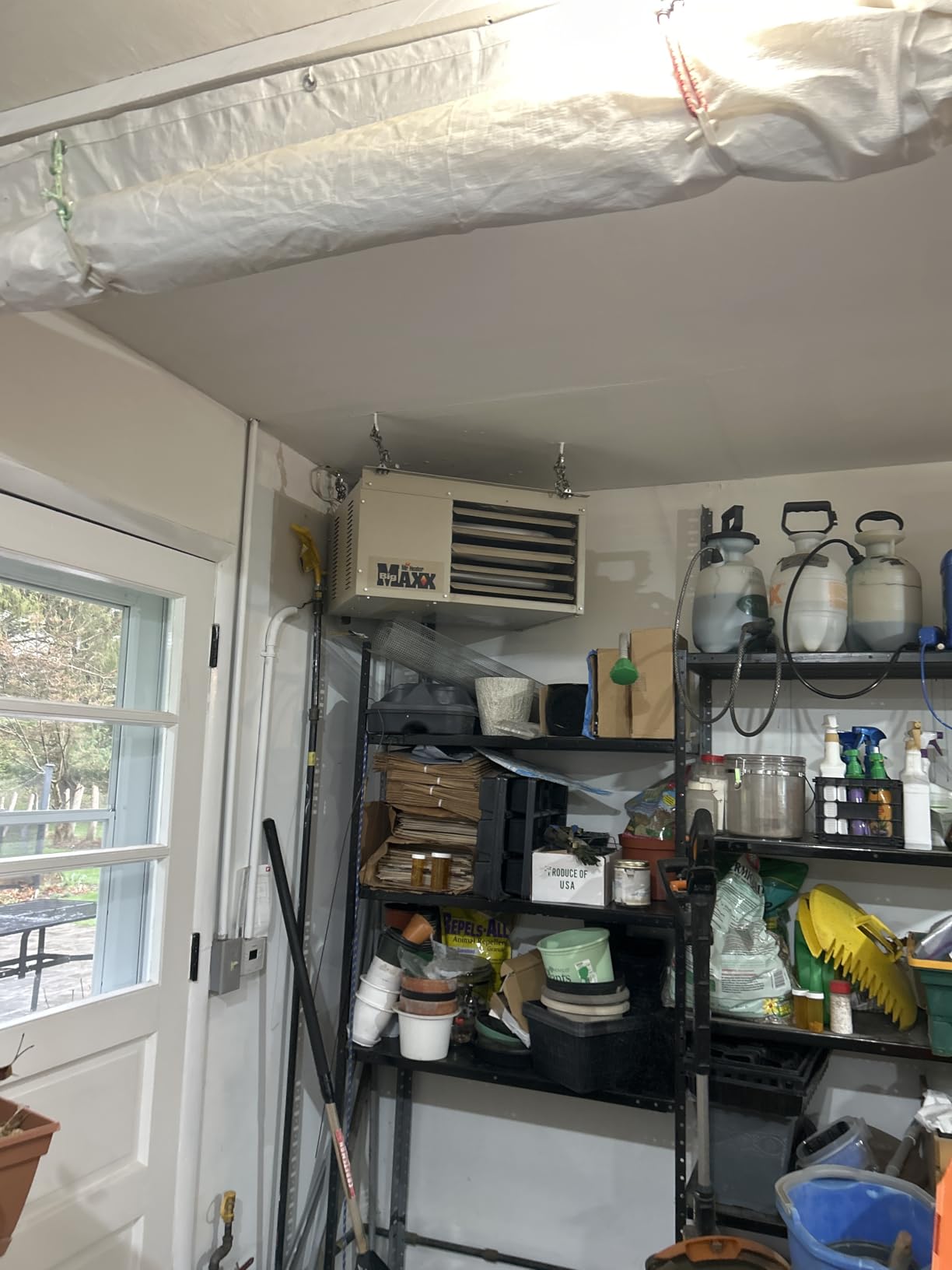
Two installation facts decide whether this fits. The cabinet is low profile but still needs a minimum 10 foot ceiling and 8 foot clearance from the base of the heater down to the floor, and you need venting, a gas line, and electrical work. The included components are two angle brackets, the heater, the manual, and a natural gas to liquid propane conversion kit, so the vent kit is a separate line item that buyers describe as costing roughly what the unit does.
For a shop that runs a thermostat, the 24V compatibility is a real advantage over the vent-free units, and some owners pair it with a Wi-Fi enabled control. A handful of reviews describe control board failures that fell outside a good service experience, so keep the model number handy if yours ever goes cold.
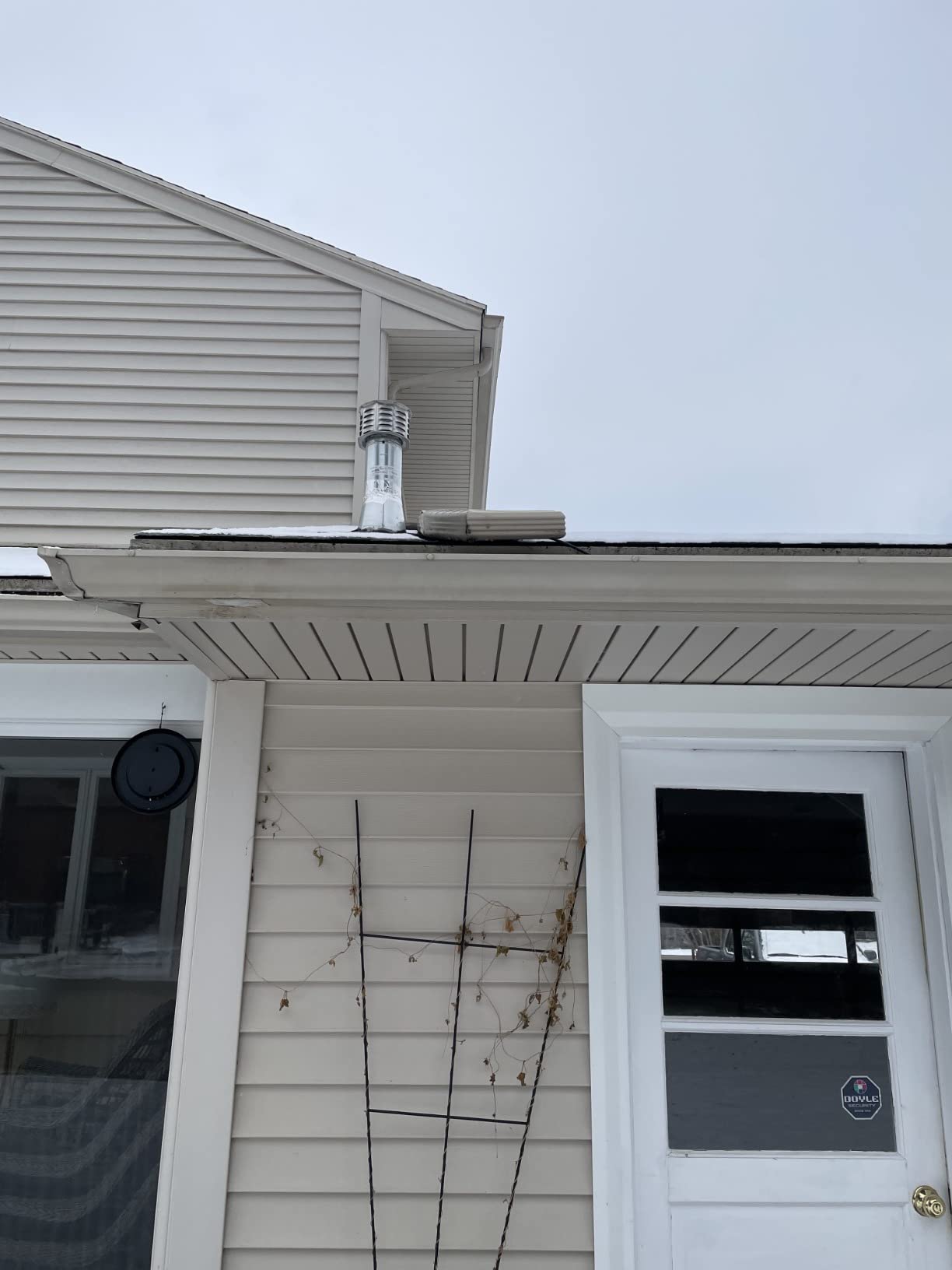
What It Is Best For: Mechanic and Automotive Service Bays
For a bay where you are under a vehicle all day, air movement is the whole point. Hanging it from the ceiling keeps the floor clear for lifts and jacks, and the 24V thermostat lets you drop the setpoint between jobs so you are not burning fuel on an empty shop. The conversion kit also means the same cabinet works if you ever switch fuel.
What to Watch Out For: Ceiling Height and Venting Cost
Measure first. If your joists sit below 10 feet, this is the wrong cabinet and you should be looking at a low-profile or vertical power-vented model instead. Also budget for the vent pipe and the electrician, because the total installed cost is well above the unit alone and that gap is what surprises first-time buyers.
3. Dyna-Glo 20,000 BTU Natural Gas Blue Flame Vent Free Wall Heater – Most Versatile for a Smaller Shop
Dyna-Glo 20,000 BTU Natural Gas Blue Flame Vent Free Wall Heater
10,000-20,000 BTU variable
700 sq ft coverage
Wall mount
20.2 lb
Pros
- Variable 10000 to 20000 BTU output
- Heats up to 700 sq ft
- Natural gas ready with no conversion
- No electricity required
- Quiet operation
Cons
- Manual control only with no thermostat
- Only three preset heat levels
- Hot surface on the upper cabinet
- Natural gas only with no propane conversion
This is the sensible low-cost way to heat a small shop or a corner of a larger one. The burner is variable from 10,000 to 20,000 BTU, covering up to 700 square feet, and the blue flame design warms air the way a central system does rather than relying on radiant heat alone. At 20.2 pounds it is also the easiest of the wall furnaces here to handle on a ladder.
Its 283 ratings average 4.5 stars, and owners highlight the steady even heat, the straightforward installation, and the ability to run through a power cut. The blue flame technology converts heat into warm air rather than warming objects first, which is why it feels different from the infrared units in this list once the thermostat is cycling it.
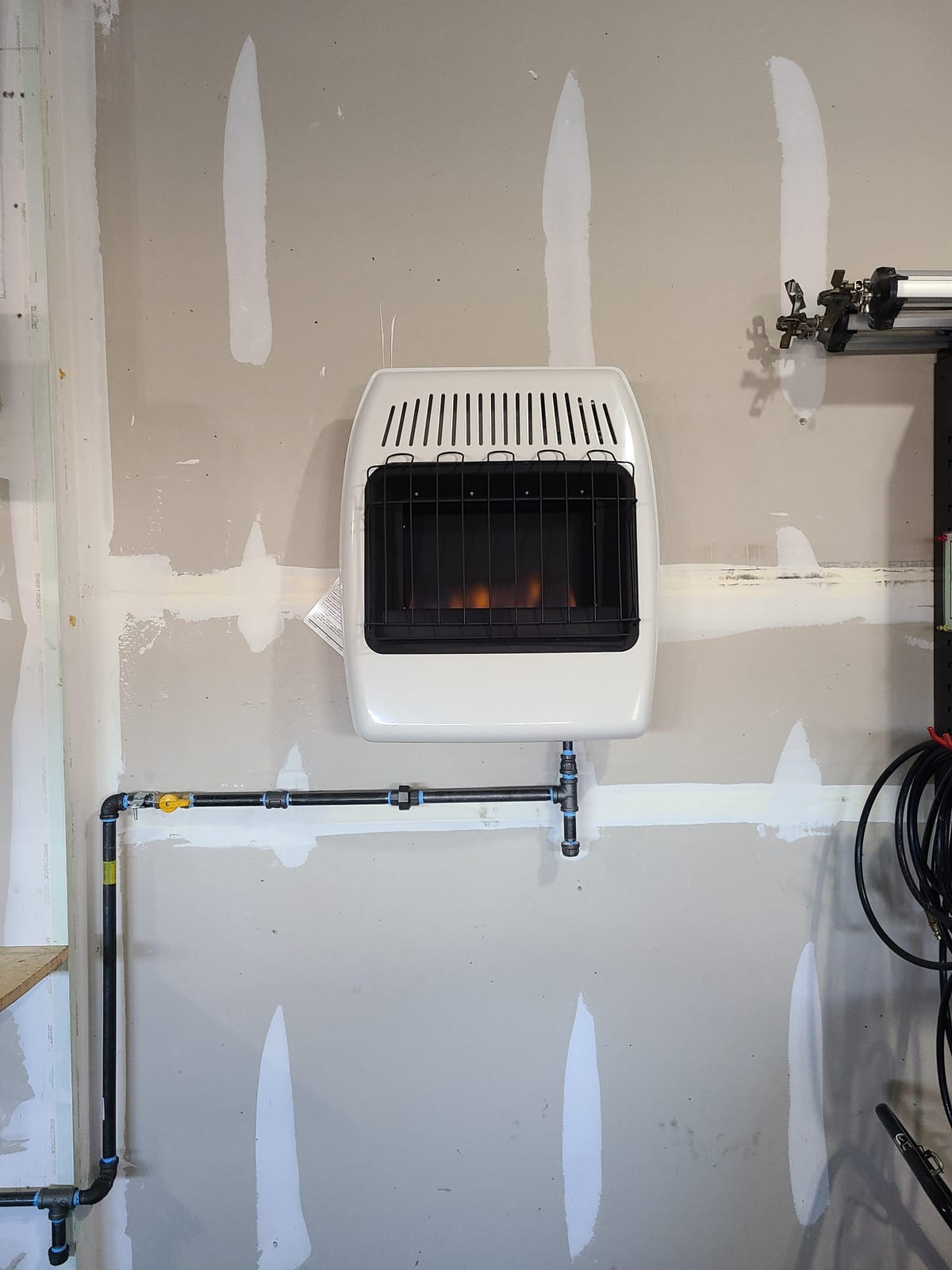
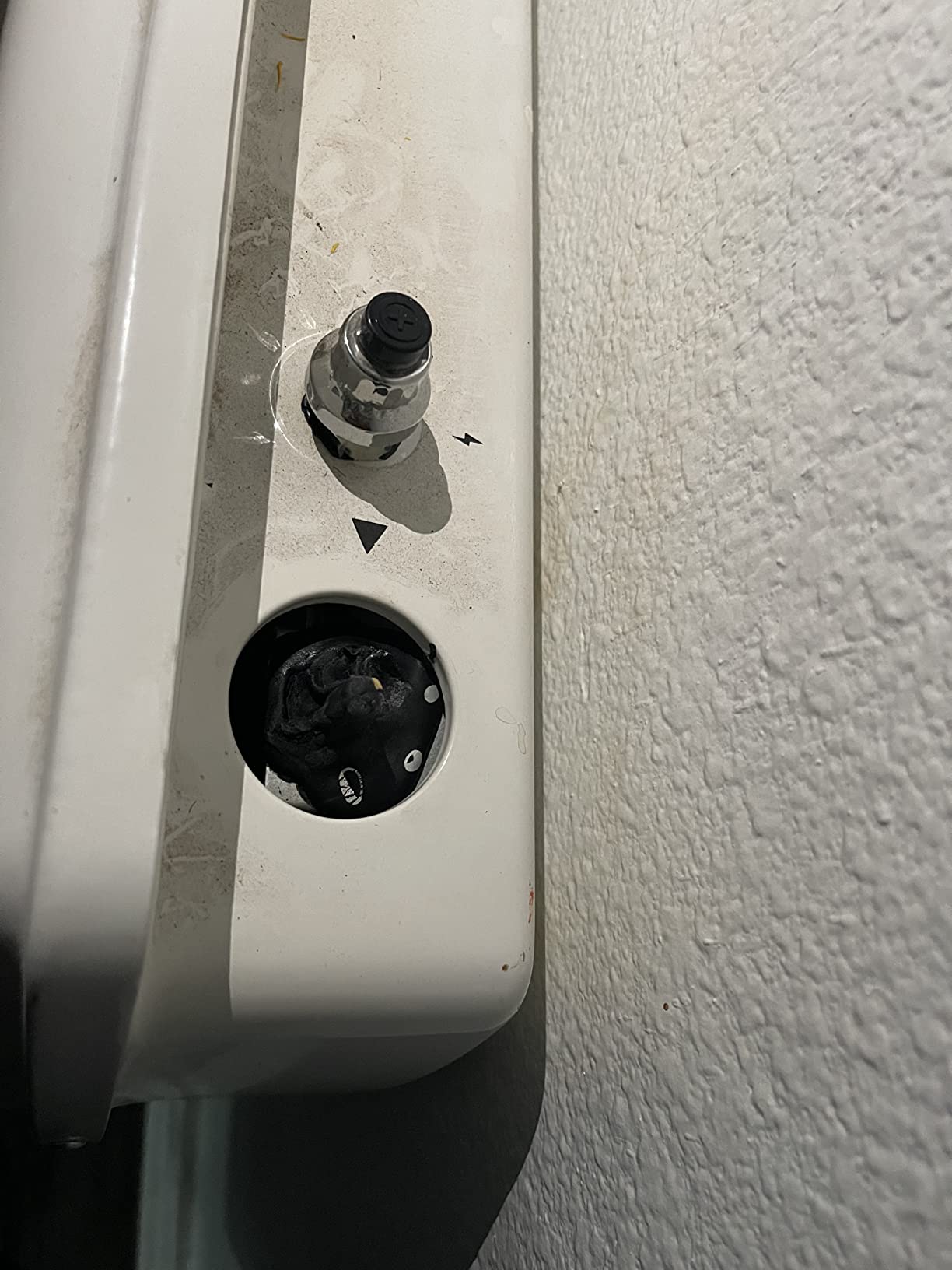
The limitation is control, and it is a real one in a working shop. This specific model has manual control and is not thermostatically controlled, with three preset levels that owners describe as hard to fine-tune. If you want the burner to track a setpoint as the shop warms up and cools down, this is not the box. There is no thermostat port on the unit to add one later.
Two smaller notes from the review data. The top third of the cabinet surface runs hot to the touch, so mount it above head height and away from a bench edge. And it is natural gas only, with fuel conversion not permitted, so it will not be a fallback if you ever move the shop off a gas line.
What It Is Best For: 700 Square Foot Workshops on a Budget
A one-car shop, a small detailing bay, or a hobby space that needs heat on the coldest weeks and nothing more. Being able to drop from 20,000 BTU to 10,000 BTU on a knob is genuinely useful in a space that warms quickly, and the low price of entry leaves room in the budget for the gas line itself.
What to Watch Out For: No Thermostat and a Hot Cabinet
You are turning a knob, not setting a temperature, so expect to adjust it as the season changes. The hot upper surface rules out any bench-height mount. And because it is natural gas only, confirm your fuel before you buy rather than after the line is run.
4. ProCom 30,000 BTU Ventless Infrared Plaque Heater – Best Radiant Heat for a Workbench Zone
ProCom Heating Natural Gas Ventless Infrared Plaque Heater With Base Feet – 30,000 BTU, T-Stat Control – Model# MN300TPA-B
30,000 BTU
1,400 sq ft coverage
Ventless infrared
15.58 kg
Pros
- 30000 BTU rated for up to 1400 sq ft
- Built-in thermostat with high medium low settings
- Wall mount or free-standing on included feet
- Push button ignition with oxygen depletion sensor
- ANSI certified and no electricity needed
Cons
- Radiant design warms people more than air
- Base feet can crowd the bottom gas connector
- Gas fitting instructions are thin
- Rated mainly for residential rather than heavy shop duty
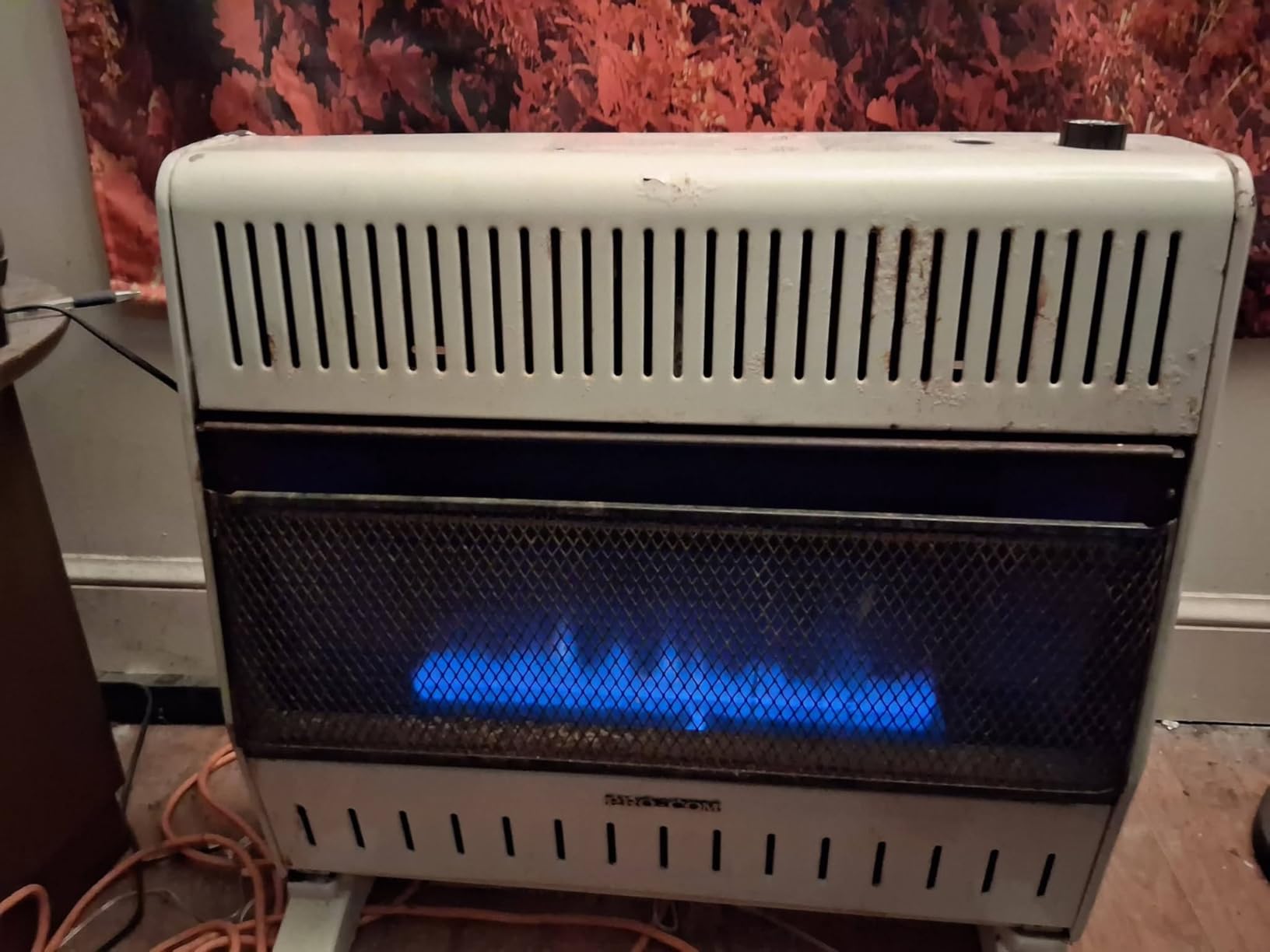
Where a mechanic needs air temperature, a woodworker, a welder, or anyone at a fixed bench needs radiant heat on their hands. This 30,000 BTU plaque heater puts infrared output directly onto people and surfaces, and the manufacturer rates it for up to 1,400 square feet, which is a large coverage claim for a ventless unit of this size.
Its 803 ratings average 4.4 stars, and the praise centres on the strong radiant heat, the thermostat-controlled output, the flexibility of wall or floor mounting, and the fact that it runs with no electricity. That thermostat is what separates it from most vent-free competitors here, since it gives you high, medium, and low settings rather than a single on-off plate.
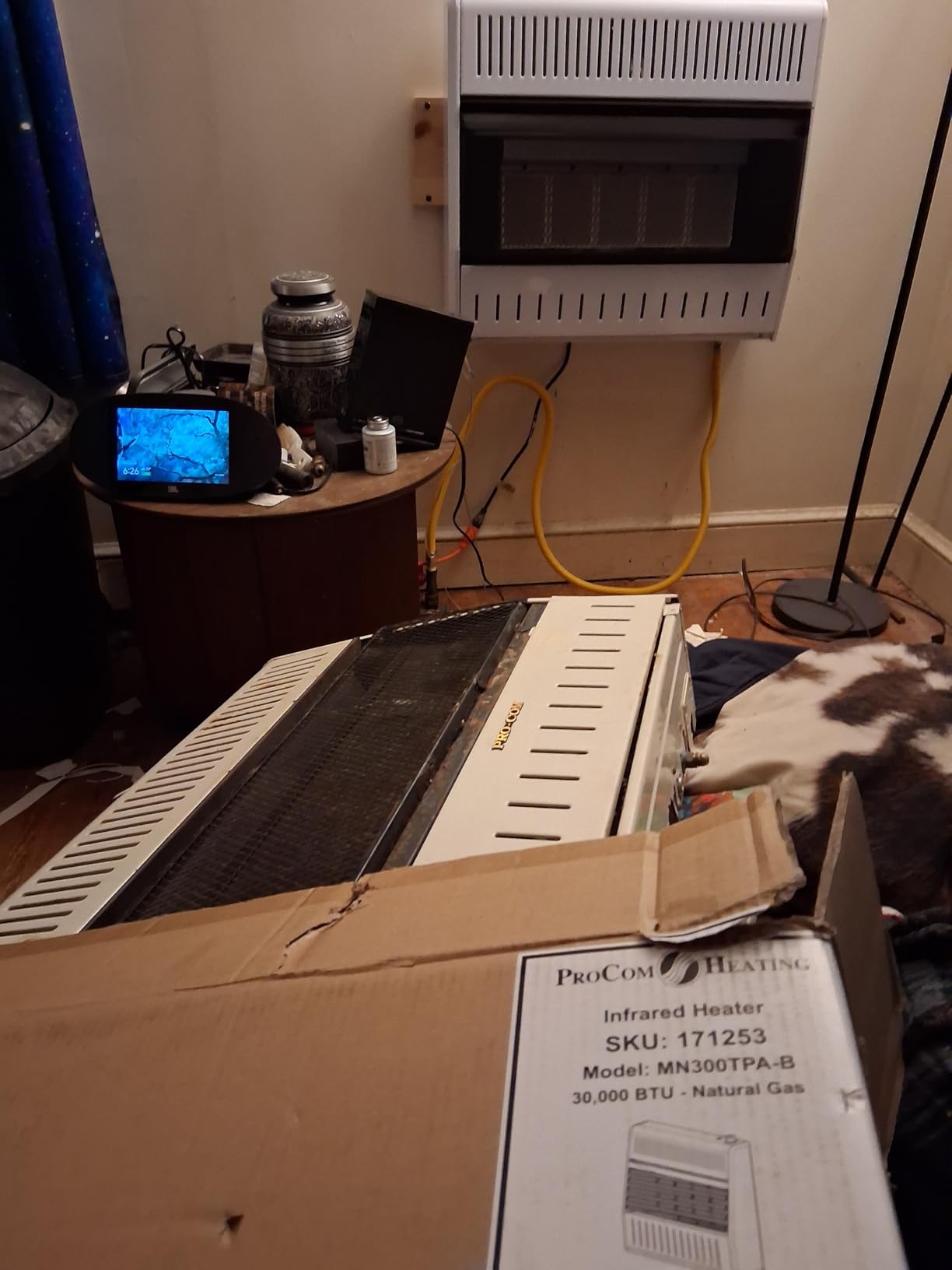
Read the installation note before you commit. Several owners report that when the unit sits on the included base feet, the bottom gas connector does not have enough clearance to make the plumbing connection comfortably, so they wall-mounted it instead. The gas fitting instructions are also described as thinner than they should be, so budget time for that step or let a fitter handle it.
On shop suitability, be honest about the use. Reviewers note it is rated primarily for residential spaces rather than heavy-duty shop duty, so in a dusty, high-cycle bay you would be running a residential appliance on a schedule it was not built for. For a finished office corner, a break room, or a clean bench area it is an excellent fit.
What It Is Best For: Welding, Woodworking, and Fixed Bench Work
Radiant heat is the right call when the work happens in one spot rather than across the whole floor. You feel it on your hands and forearms within a minute of starting, which forced-air units cannot do, and the low, medium, and high thermostat settings let you trim the output as the shop warms. The slim profile also means it mounts out of the way on a wall without eating floor space.
What to Watch Out For: Connection Clearance and Dusty Environments
Wall-mount it rather than using the feet, and expect the top half of the plaque to be hot enough to notice. In a woodworking shop, remember that forced-air units also stir sawdust, whereas a radiant wall unit does not, so this style suits a clean bench area better than a dusty finishing room.
5. Modine Hot Dawg 45,000 BTU Natural Gas Power Vented Garage Heater – Most Compact for a Serious Shop
Modine HD45AS0111Natural Gas Hot Dawg Garage Heater 45,000 BTU with 80-Percent Efficiency Grey
45,000 BTU
80 percent efficiency
Power vent
60 lb
Pros
- 45000 BTU at 80 percent efficiency
- Certified for residential commercial and industrial use
- Power exhaust allows small diameter vent pipe
- Quiet operation in an occupied workspace
- Field wiring connections and knockouts simplify hookups
Cons
- Requires 115V electrical service in addition to gas
- Needs a gas line and a power exhaust run
- Highest cost relative to BTU output in this group
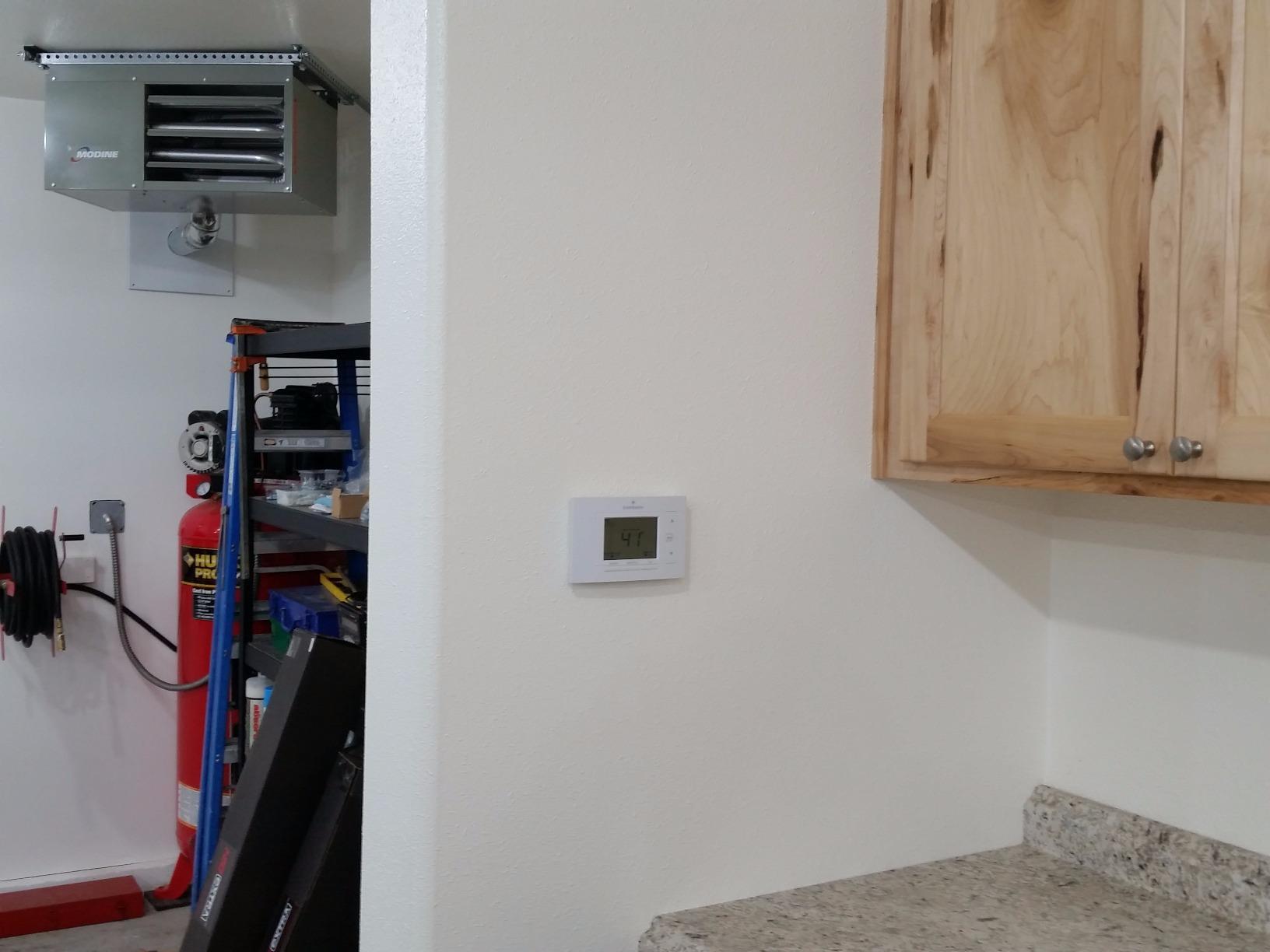
The Modine Hot Dawg is one of the names shop-owner forums keep coming back to, and this 45,000 BTU version is the one most people land on. It delivers 45,000 BTU at 80 percent combustion efficiency, which means one BTU in five leaves as flue loss rather than room heat, and it is rated for 700 square feet at that rating.
Its 150 ratings average 4.5 stars. Owners cite the strong quiet heat, the multi-certification for commercial and industrial spaces, and straightforward installation with field wiring and flexible venting options. The power exhaust is the quiet advantage here: it moves combustion gases outdoors with a small fan, so the vent run is a smaller diameter pipe than a conventional draft vent needs.
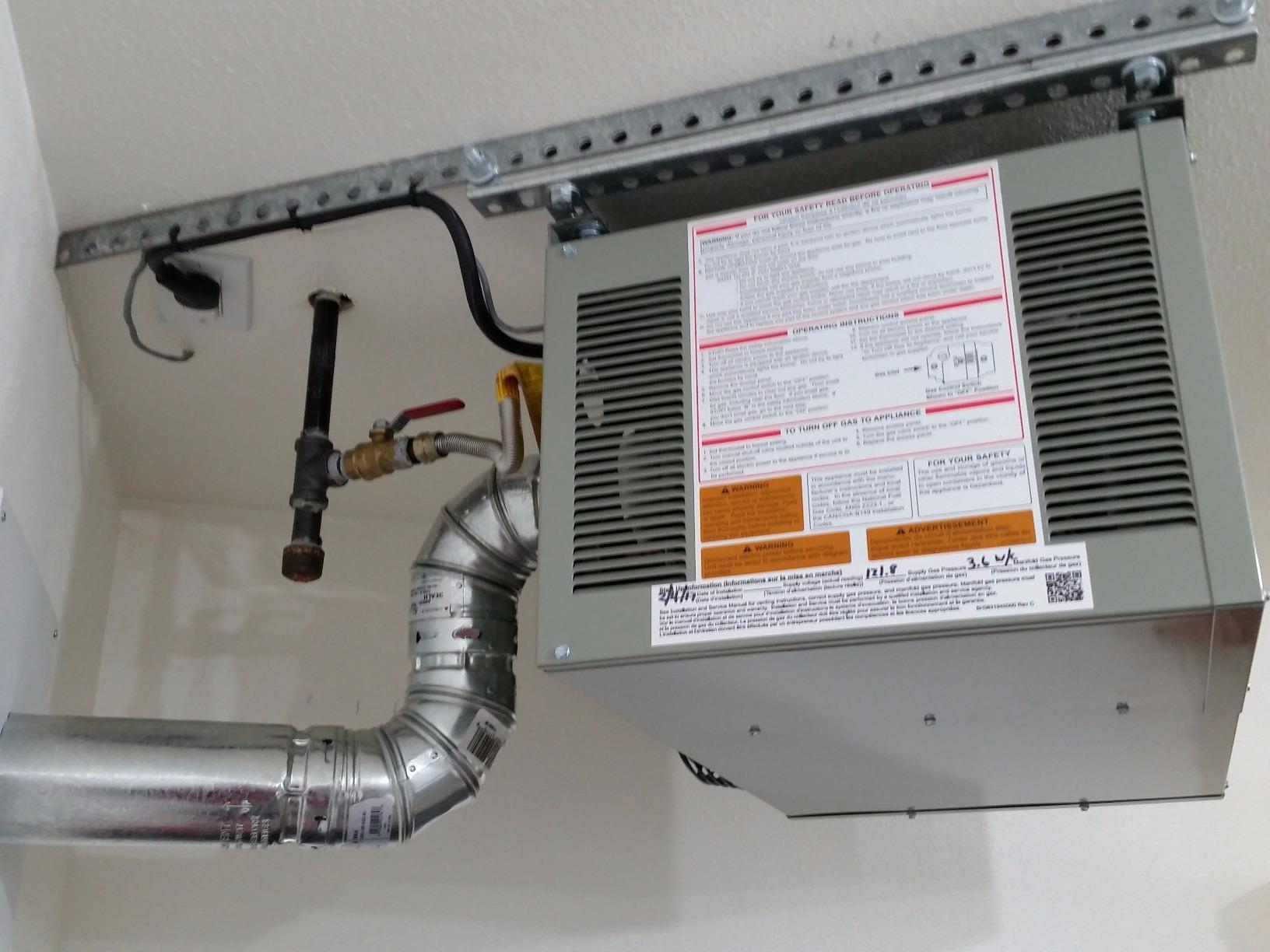
The trade is electrical. The Hot Dawg needs 115 volt power in addition to the gas line, so you are running two services into the shop rather than one. Owners also note the price is the highest relative to BTU output among the ceiling heaters in this roundup, which is a fair way of saying you are paying for the certification, the efficiency, and the parts support.
What you get for that spend is longevity and serviceability. It is a cabinet unit on a ceiling bracket, low profile and neutral grey so it disappears into a shop ceiling, and it is a design that has been in the Hot Dawg family for years. For a bay heated every weekday from October through March, that matters more than first cost.
What It Is Best For: Heated, Occupied, Multi-Day Shops
If your shop is open six days a week in winter and people are working in it all day, quietness and efficiency compound. The 80 percent efficiency rating is the highest in this roundup, and the commercial and industrial certification is what an inspector or a landlord will ask about. A power exhaust also means a shorter, easier vent run through a wall or roof.
What to Watch Out For: Two Services to Run and Clearance
You need gas and 115V power at the unit location, so plan the electrical run before you order. Check your ceiling height against the unit and keep the flue termination where the manufacturer allows it, away from openings and intakes. And go in expecting a larger total installed cost than a vent-free wall furnace.
6. Ashley Hearth DVAG11N Natural Gas Direct-Vent Wall Heater – Best for Sealed Combustion Air Quality
Ashley Hearth DVAG11N Natural Gas Direct-Vent Wall Heater
11,000 BTU
375 sq ft coverage
Direct vent
40 lb
Pros
- Sealed combustion draws in outside air and vents exhaust outdoors
- Operates without electricity
- AA battery manual ignition
- Complete vent kit included in the box
- Approved for mobile homes cabins and garages
Cons
- Only 11000 BTU covers about 375 sq ft
- Blower accessory sold separately and needs power
- Requires a drilled vent penetration
- Weakest average rating in this roundup
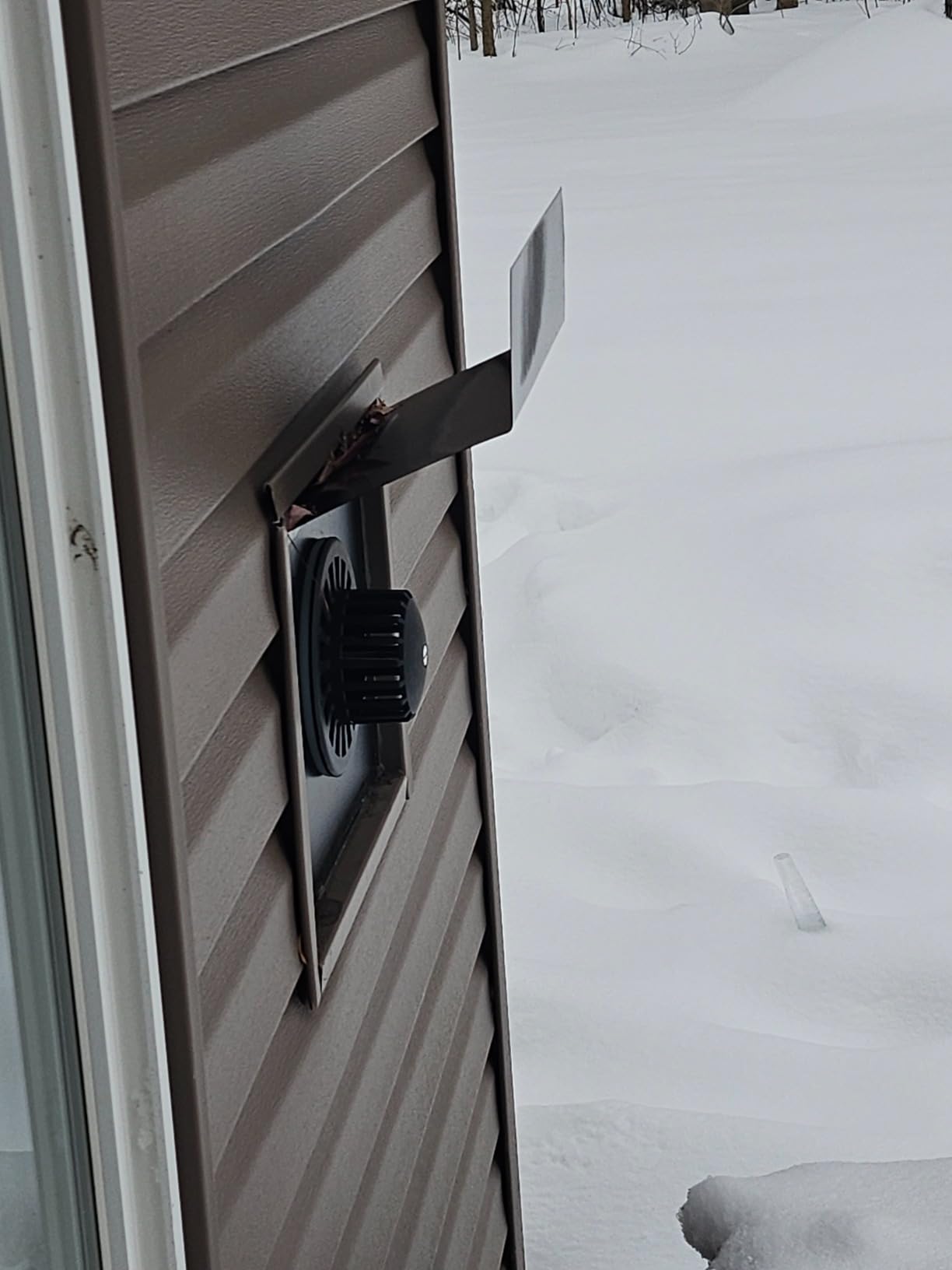
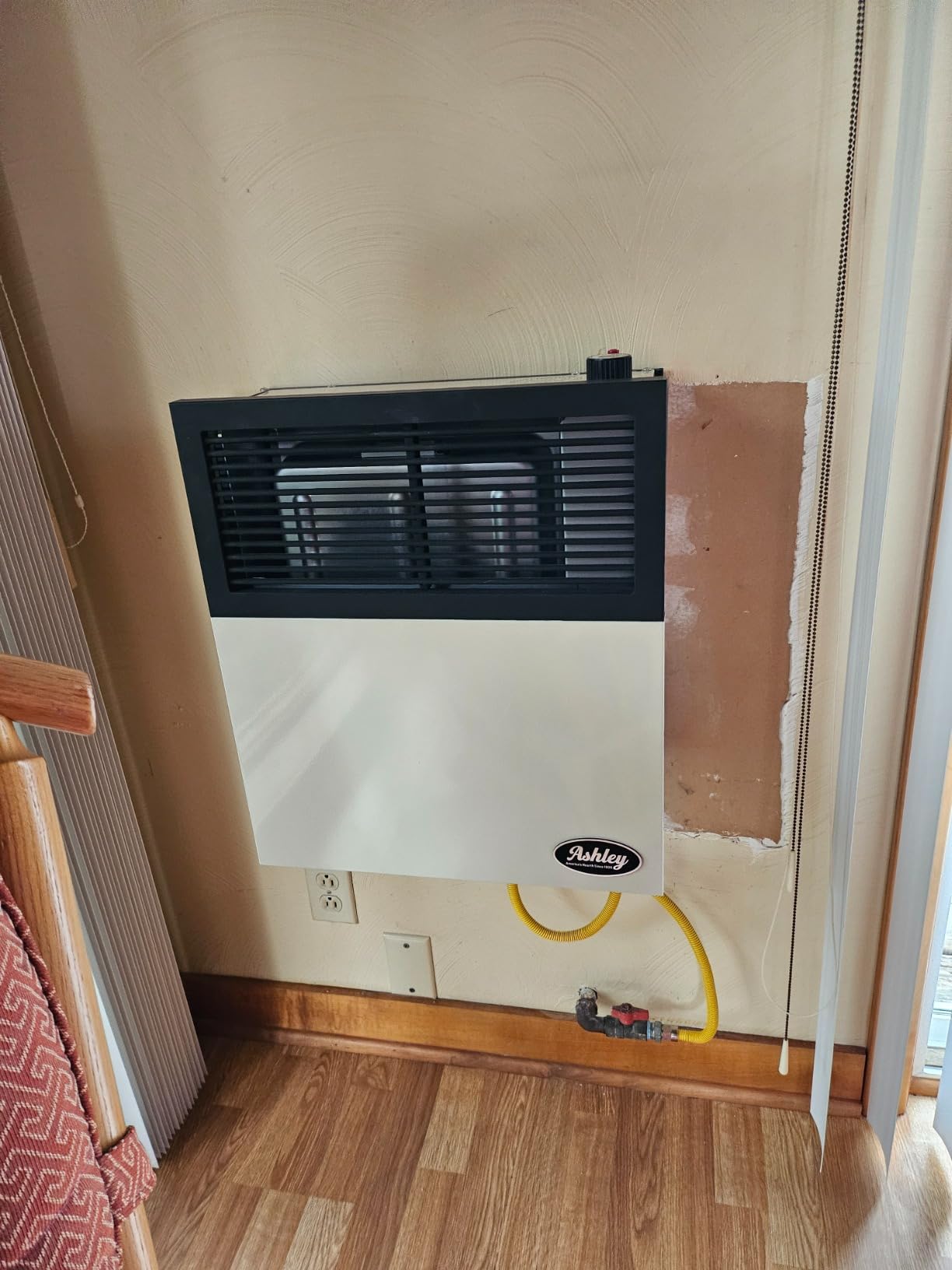
If indoor air quality is the deciding factor, this is the one to understand. A direct-vent unit pulls combustion air in from outside and pushes exhaust back out through the same sealed path, so it neither consumes nor pollutes the air in your shop. That sealed burn design is the reason people choose direct vent over a vent-free furnace in a space where anything is stored or burned.
Its 131 ratings average 4.1 stars, which is the lowest average here and comes with a 16 percent share of one-star reviews. Satisfied owners highlight the clean-air combustion, the complete vent kit in the box including heat shield, pipe, intake pipe, flashing, cap, and connecting rod, and the electricity-free ignition with an AA battery included.
The capacity is the constraint. At 11,000 BTU the manufacturer rates it for 375 square feet, so it is a small-room heater no matter how good the combustion design is. It also does not include a blower, and the optional DVB11 blower accessory requires electricity, which is a strange gap in a unit that otherwise runs without power.
It is also built like a heater, not like shop equipment. The wall-mounted direct-vent setup means drilling a vent penetration through a wall, and a one-year limited warranty is short next to the ceiling unit heaters here. For a workshop office, a small cabin, or a mobile home it is a genuinely good fit; for a working bay it is underpowered.
What It Is Best For: Small Rooms Where Air Quality Comes First
Pick this when the space is enclosed, small, and used for tasks where fumes matter, such as a finishing room or a shop office. You get outside-air combustion, no flue heat loss into the room, no electricity requirement, and a vent kit that is already in the box, so the install is one penetration and a gas connection.
What to Watch Out For: It Will Not Heat a Bay
Do not try to stretch 11,000 BTU across a service bay. Buy the blower and you have added a cost and an electrical circuit to a unit whose purpose is low power draw. Check the one-year warranty terms, and confirm your local code allows a direct-vent wall heater where you plan to mount it.
7. Heatstar MH25NG Radiant Overhead Garage Heater – Best Long-Life Spot Heater for Shops
Heatstar By Enerco F125444 Radiant Overhead Garage Heater MH25NG Natural Gas
Radiant overhead output
Wall mount with bracket
No electricity required
Pros
- Heats a three-car garage in cold weather
- Owners report 20-plus years of service
- Quiet and efficient operation
- Mounts into existing holes on replacement units
- No electricity required
Cons
- Radiant output warms people more than air
- Included thermostat arm and dial can mismatch
- Limited thermostat wire included
- Flimsy wall bracket
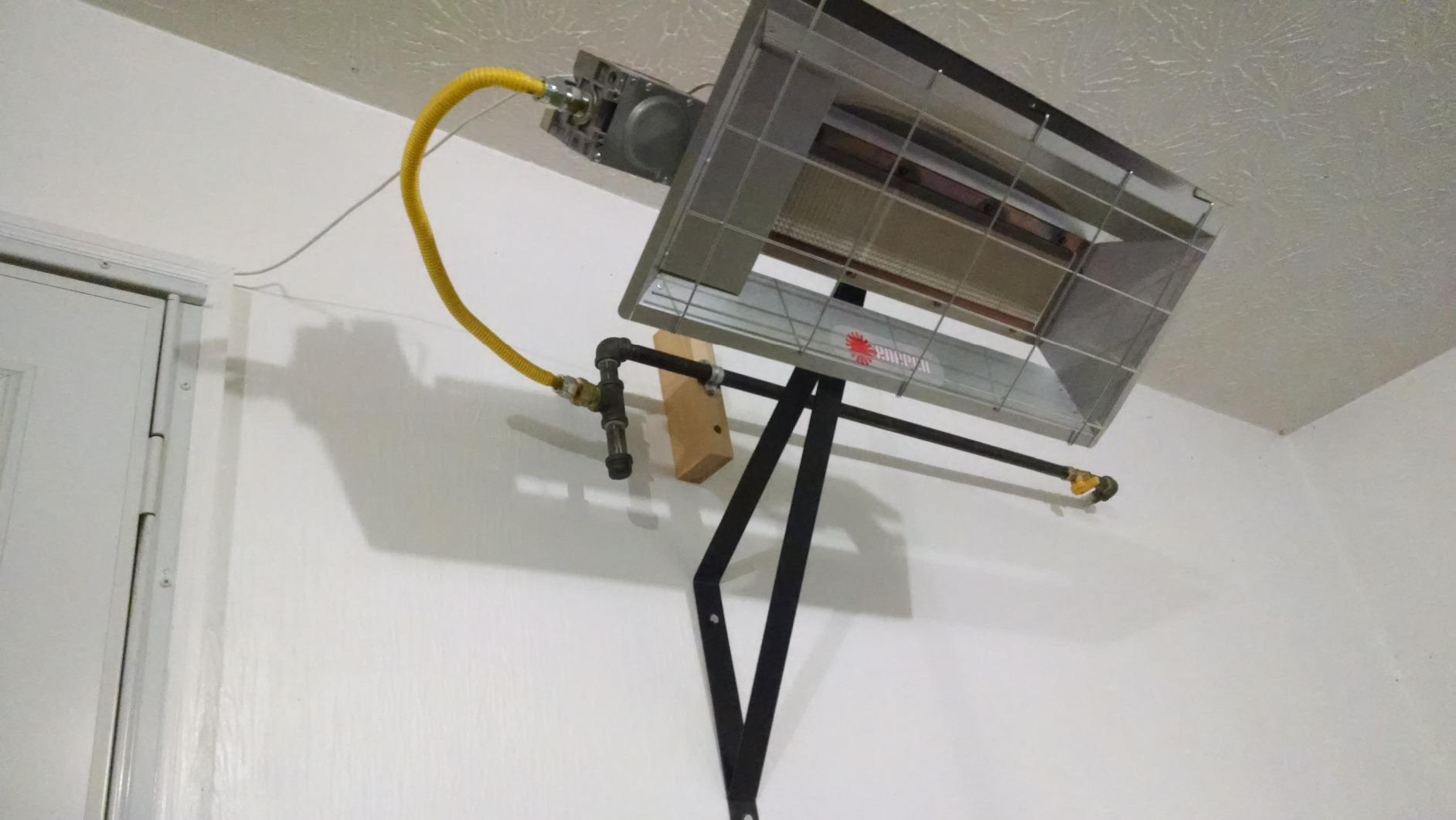
This one earns its place on longevity. Owners of the Heatstar MH25NG describe more than 20 years of continuous use, and several installed a replacement unit into the same mounting holes as the original. In a shop where a heater is expected to outlive two or three vehicles, that record is worth more than a longer warranty certificate.
Its 130 ratings average 4.3 stars, with praise for heating a three-car garage in cold weather, a simple installation, and quiet efficient operation. It is a radiant overhead unit, so it throws heat at you and your work rather than circulating air, and it runs on natural gas with no electricity required, which keeps it working through an outage.
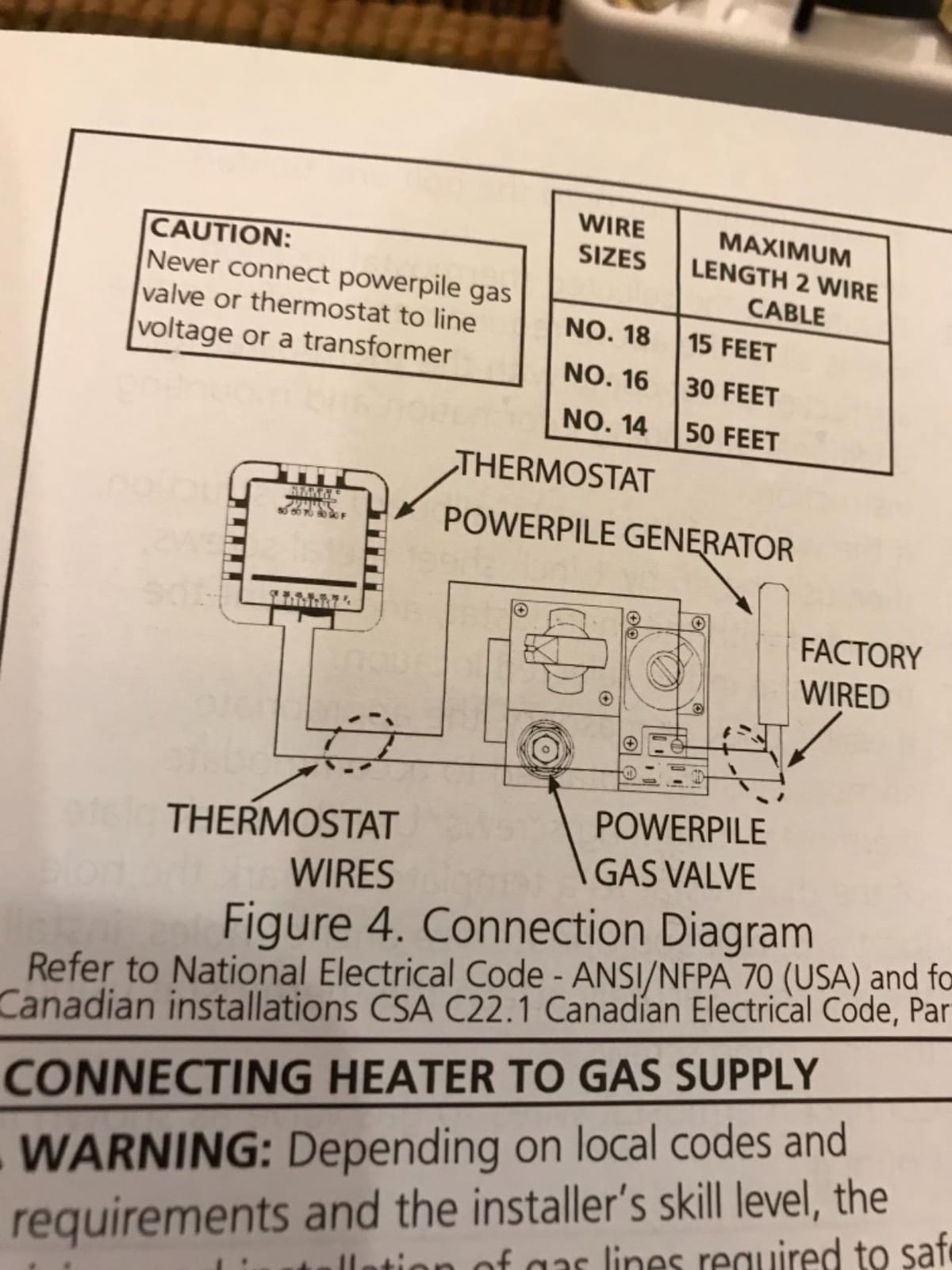
The complaints are about the accessories, not the heater. Owners report that the included thermostat arm and thermometer sometimes did not match, requiring a replacement digital thermostat, and that roughly 10 feet of thermostat wire limits how far from the heater you can place the control. The wall bracket is also described as feeling flimsy, sometimes needing a shim for a tight fit.
One detailed review reports carbon monoxide accumulation even in a correctly vented installation, which is worth taking seriously rather than dismissing. Any vented gas appliance in a shop needs adequate combustion air and a sound venting path, and if you notice any odour or symptom, shut it down and have the venting checked rather than adjusting the thermostat.
What It Is Best For: Bench Work and Shops That Never Replace a Heater
If your work happens at a bench, a radiant overhead unit warms you directly, which a circulating ceiling heater only does after it has heated the whole volume. The service-life record is the clincher for anyone planning to keep the same shop for a decade or two, and the ability to reuse the old mounting holes makes a replacement a ten-minute job.
What to Watch Out For: The Thermostat and Venting
Expect to replace the included analog thermostat with a digital model on some units, and plan the wire run before the bracket goes up. Vent it properly and keep combustion air available, because radiant gas appliances still produce combustion gases. If the bracket is loose on a stud spacing that does not line up, shim it rather than forcing it.
8. Comfort Glow KWN521 30,000 BTU Plaque Wall Heater – Best for Low-Cost Vent-Free Warmth
WORLD MKTG OF AMERICA/IMPORT KWN521 5 Plaque 30000 BTU Gas Wall Heater,gray, 24.41×28.15×10.25
30,000 BTU
1,000 sq ft coverage
Vent free infrared
25.5 lb
Pros
- 30000 BTU vent free infrared heating up to 1000 sq ft
- No electricity required
- Low running cost on natural gas
- Built-in oxygen depletion sensor
- Five adjustable heat settings
Cons
- No built-in thermostat
- Floor stand
- blower
- and gas adapters sold separately
- Not approved for installation in Canada
- Can arrive dented or damaged in transit
The Comfort Glow is a straightforward vent-free infrared option in this lineup, and its owners keep coming back to the running cost. Natural gas heat in a space this size is inexpensive to leave on for a few hours on a cold Saturday, and the review consensus is that the radiant warmth feels cosy rather than dry.
Its 135 ratings average 4.2 stars, and the positive comments focus on the very low cost of running on natural gas, the radiant heat, and the fact that it works with no electricity. Five adjustable heat settings and a built-in oxygen depletion sensor cover the safety basics for a vent-free installation.
What it does not have is a thermostat, and that is the limitation owners mention first. The optional thermostat has to be ordered separately, as do the floor stand (20-5345), the blower (20-6127), and the gas connection adapters and pipe. Plan those as budget lines rather than surprises, because a ventless wall furnace with no blower and no stand is a difficult thing to place usefully.
Two more practical points. The manual lists a two-year manufacturer defect-only warranty, which is thinner than the ceiling unit heaters offer. And the unit is not approved for installation in Canada, so if that is where you are, this is not an option regardless of the specification.
What It Is Best For: Weekends, Side Buildings, and Low-Use Spaces
Great for a storage room off the shop, a hobby space, or a building you only heat when you are working in it. No vent run, no electrical service, five heat levels, and a low fuel bill make it the least complicated permanent install on this list. It suits a space where you want warmth at the person rather than at the thermostat.
What to Watch Out For: The Extras You Have to Buy
Budget for the thermostat, the stand, the blower, and the gas adapters, because none of them are in the box. Inspect the unit on arrival for transit damage, and check that oxygen depletion sensor is doing its job in a room with enough volume. If the shop is attached to a house, vent-free is the wrong branch entirely.
9. ProCom 10,000 BTU Blue Flame Heater with Thermostat – Best for Freeze Protection
ProCom Heating Natural Gas Ventless Blue Flame Heater With Base Feet – 10,000 BTU, T-Stat Control – Model# MN100TBA-B
10,000 BTU
500 sq ft coverage
Ventless blue flame
7.26 kg
Pros
- 10000 BTU blue flame heats up to 500 sq ft
- Built-in thermostat with high medium low settings
- Push button ignition with oxygen depletion sensor
- ANSI certified
- All-mechanical design is simple to service
Cons
- Lowest output in the roundup
- Base feet block the bottom gas connector
- Installation instructions are more complicated than needed
- Thermocouple and igniter are wear parts
Not every shop needs heat. A lot of shops need to make sure a building does not drop below freezing on a January night so a drain does not split, and this 10,000 BTU blue flame heater is sized for exactly that job. It is rated for 500 square feet, needs no electricity, and has a built-in thermostat with high, medium, and low settings.
Its 110 ratings average 4.6 stars, the joint-highest average in this roundup, and owners cite easy installation, quiet operation, clean heat with no odour, and very low gas cost relative to electric heaters. The all-mechanical layout means fewer electronics to fail, which matters in a unit you may only switch on a handful of times a winter.

Read the mounting note carefully. The most repeated installation comment in the reviews is that the included base feet do not leave enough clearance for the bottom gas fitting, so several buyers wall-mounted the unit instead. Plan on wall mounting, and allow extra time for the gas connection because the instructions are described as more complicated than necessary.
As service parts go, the thermocouple and the electronic igniter are the two most likely to need replacing over the life of the unit. That is normal for a pilot-and-thermocouple design rather than a fault, but it is worth knowing before you buy if your fitter is far away.
What It Is Best For: Preventing Freeze Damage in a Small Space
A pump room, a shop with a car in it for the winter, a mechanical room, or any 500 square foot space where you want a low setpoint held overnight without heating the whole building. The thermostat is the point here, since a freeze-protection unit that runs continuously wastes the saving you were trying to get.
What to Watch Out For: It Is Not a Shop Heater
Ten thousand BTU will not heat a working bay, and the same radiant-versus-air limitation applies as on the larger ProCom plaque. Wall-mount it, plan the connection carefully, and keep the thermocouple and igniter on a shelf so a cold snap does not become a service call.
10. Mr. Heater 20,000 BTU Vent Free Radiant Dual Fuel Heater – Best for Fuel Flexibility
Mr. Heater 20,000 BTU Vent Free Radiant Dual Fuel Heater
20,000 BTU
700 sq ft coverage
Dual fuel, gas or propane
22.3 lb
Pros
- 20000 BTU heats up to 700 sq ft
- Run on natural gas or propane with no conversion
- Built-in adjustable thermostat
- Dual low oxygen detection systems
- Battery spark ignition with no electricity needed
Cons
- Blower fan kit sold separately
- Dual-fuel pilot can leak from the unused fuel side and shut the unit off
- Gas adapter may be needed
- Uses more fuel than some buyers expect on high
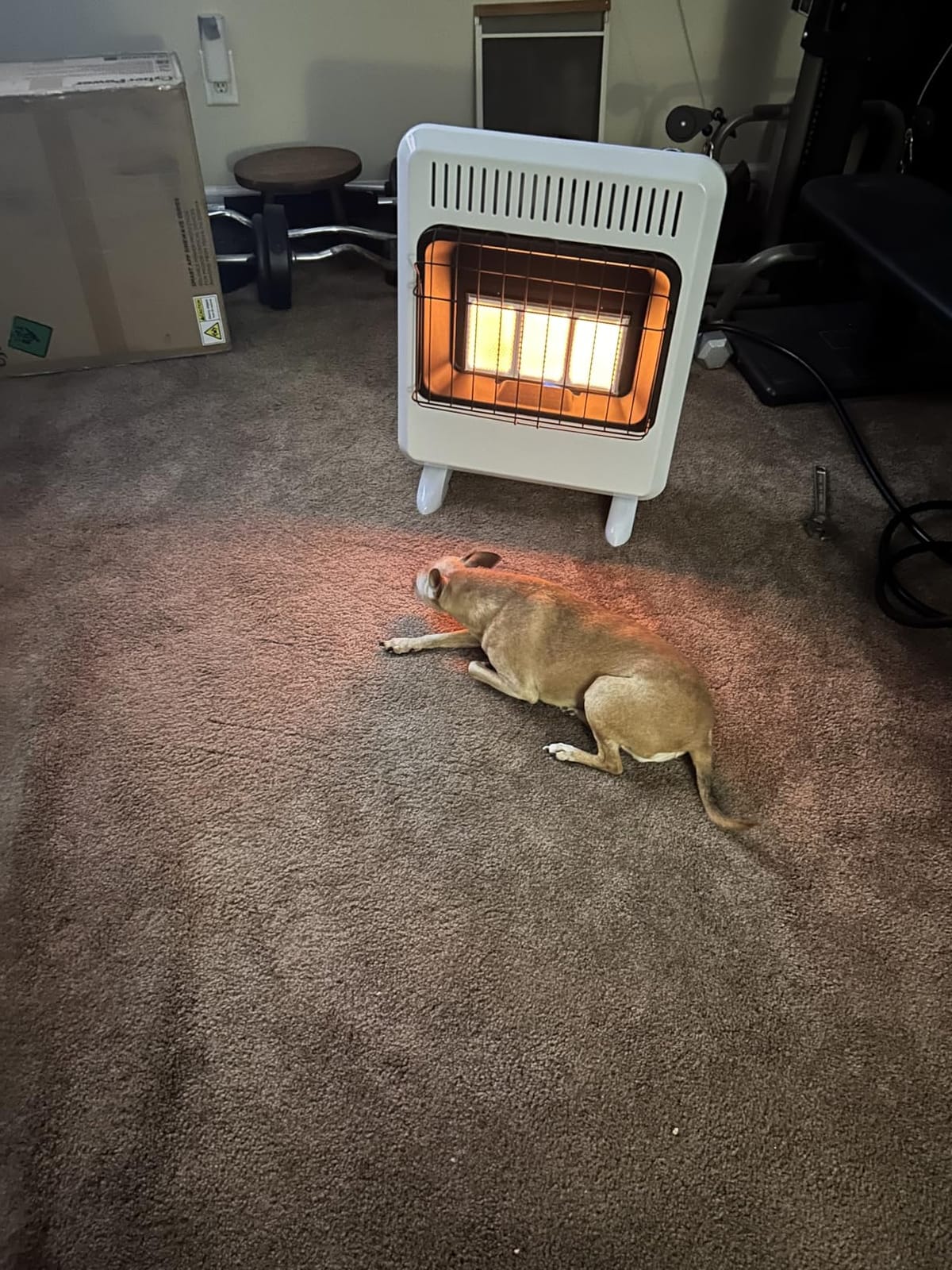
This is the pick for a shop that is not certain about its fuel situation. The Mr. Heater runs on natural gas or propane from the same cabinet, which means a building without a gas line today can still be heated, and a shop that adds a line later does not need to replace the appliance. It is dual fuel from the factory rather than a converted unit.
Its 79 ratings average 4.5 stars. Shop owners specifically praise the fast, odourless heat, the ability to run a larger workspace such as a 27 by 30 shop on the low setting, and the flexibility of either fuel. Battery-operated electronic spark ignition with the battery included means no electricity at the unit, and dual low oxygen detection systems cover the vent-free safety requirement.
The recurring negative is specific and worth flagging. Some dual-fuel units report the unused pilot on the other fuel side leaking slightly, which trips the shutoff and stops the heater unexpectedly. If you are committed to one fuel long term, a single-fuel model avoids that class of problem entirely.
As with the other Mr. Heater vent-free units, the F299201 blower fan kit is sold separately, and a gas adapter may be needed depending on where you place the unit. Some buyers also found it burned more fuel at high settings than they expected, so size it with that in mind before you set it to maximum all winter.
What It Is Best For: Shops Without a Confirmed Gas Supply
If a gas line is a maybe rather than a certainty, this removes the decision from your hands. The built-in adjustable thermostat and battery ignition give you the same convenient control as the fixed-fuel units, and the low setting is reported to be enough to hold a shop in the 700 square foot range through a cold night.
What to Watch Out For: The Dual Pilot and the Extra Kit
Expect the occasional premature shutoff from the unused fuel pilot, and have your fitter check it if it happens. Add the blower to the order, confirm whether a gas adapter is required for your connector orientation, and remember the one-year limited warranty is shorter than the ceiling unit heaters offer.
11. Rinnai FC824N Ventless Natural Gas Heater with Programmable Thermostat – Best for Programmable Control
Rinnai FC824N Ventless Natural Gas Heater with Programmable Thermostat
24,000 BTU
Ventless and ductless
10-year heat exchanger warranty
26.5 lb
Pros
- Programmable thermostat with digital adaptive control and self-diagnostics
- 24000 BTU ventless output
- Flame failure overheat oxygen depletion and tilt switches
- 10-year heat exchanger and 5-year parts warranty
- Cool-to-touch child-safe cabinet
- No ductwork
Cons
- Highest cost in this roundup
- Manufacturer recommends installation by a Rinnai PRO technician
- Ventless design needs adequate ventilation and combustion air
- Not suited to unconditioned garage environments
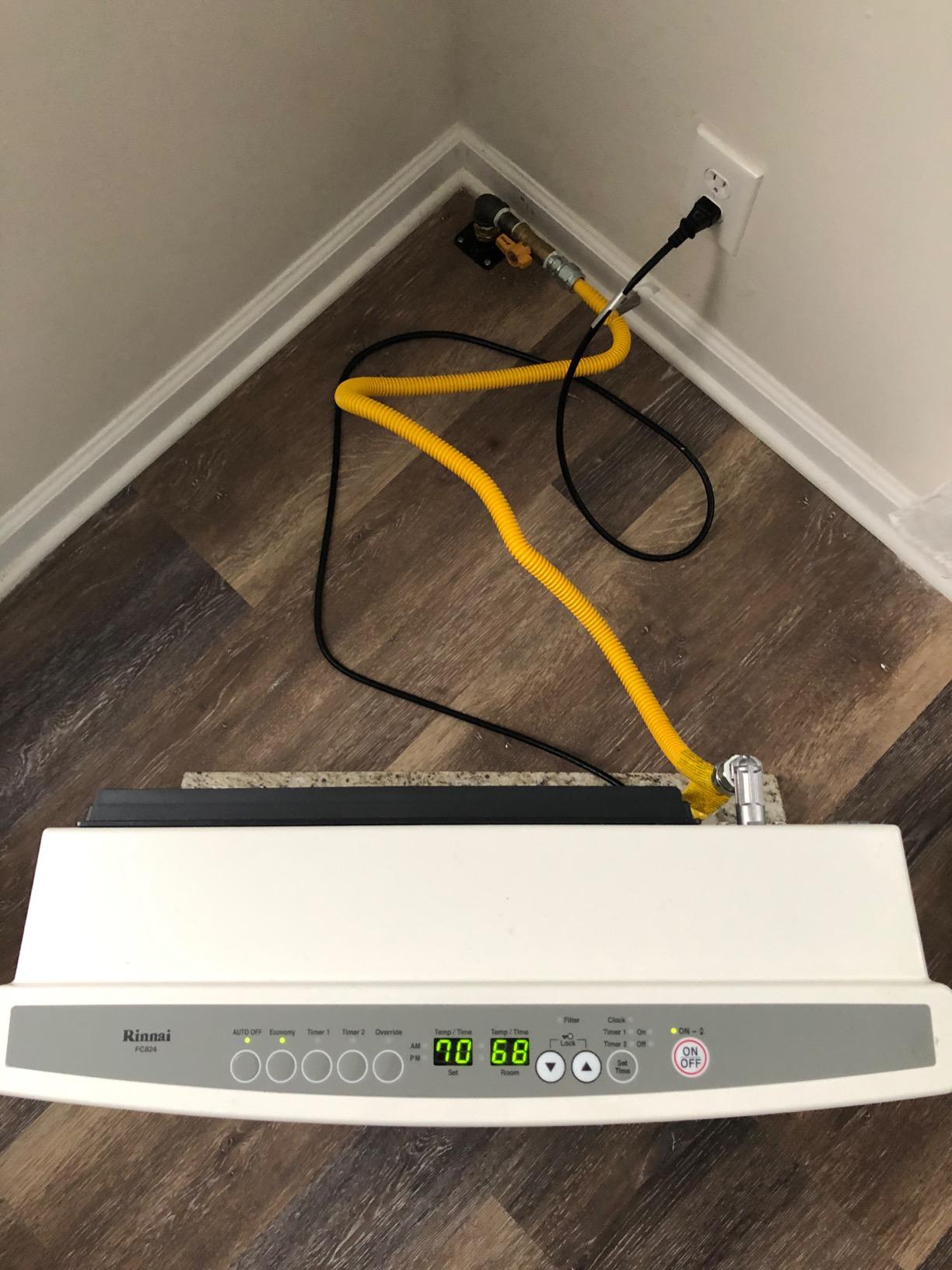
The Rinnai is the only unit here with a programmable thermostat built in, and that changes how you run a shop. Digital adaptive control and self-diagnostics sit behind a display, so you can schedule heat for the hours you are on site rather than running a fixed-temperature cycle. Forum regulars name Rinnai as the top of the line in this category, and this model backs that up.
Its 83 ratings average 4.6 stars with 86 percent five-star reviews. Owners rate it highly for the thermostat, the adaptive control, and the safety package, which includes a flame failure device, an overheat switch, an oxygen depletion sensor, and a tilt switch. The warranty is the best in the roundup at 10 years on the heat exchanger, 5 years on parts, and 2 years on labour.
Two constraints are worth weighing before you commit. It carries the highest cost in this roundup, and the manufacturer recommends professional installation through its PRO technician locator, which narrows who can do the work. The cool-to-touch child-safe cabinet with a safety lock is a nice touch in a space where family or customers walk through.
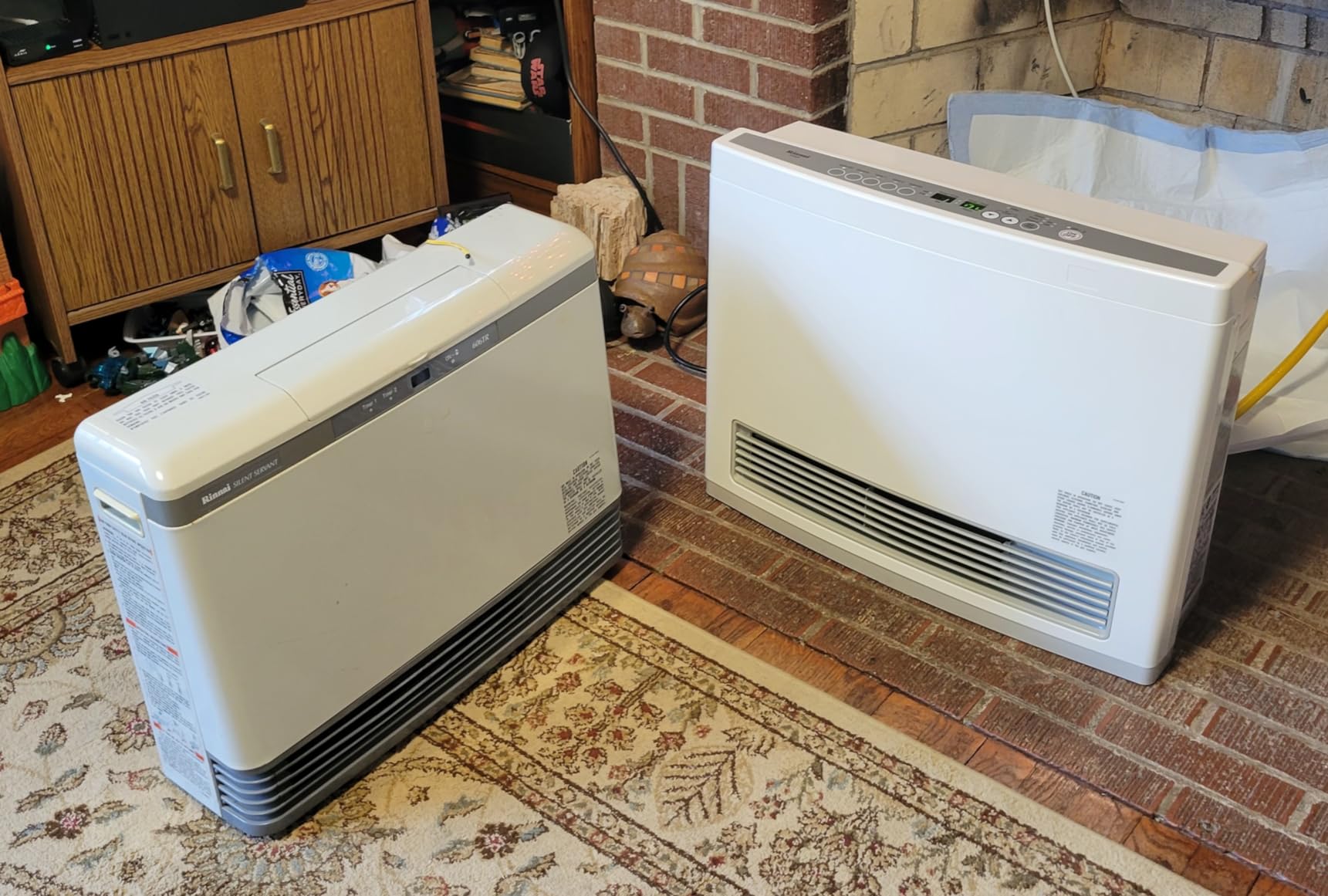
On suitability, be clear-eyed. It is a ventless and ductless design that needs adequate ventilation and combustion air in the space, and owners and reviewers both note it is not suited to unconditioned garage environments. It belongs in a finished, conditioned part of a shop, not a raw bay with a vehicle idling in it.
What It Is Best For: Finished, Conditioned Shop Spaces
A shop office, a break room, a reception area, or a home workshop that is finished and insulated rather than a working bay. The programmable thermostat means you can set schedules around work hours, the safety package is the most complete here, and the long heat exchanger warranty suits anyone thinking in decades rather than seasons.
What to Watch Out For: Install Cost and Ventless Limits
Budget for Rinnai PRO installation on top of the unit, and confirm your space qualifies before you order. In an attached garage where a vehicle can pull combustion air, a ventless design is the wrong choice, and this is the most expensive way to find that out.
How Many BTUs Does Your Shop Need?
A 20 by 20 garage is 400 square feet, and at 40 to 50 BTU per square foot that works out to 16,000 to 20,000 BTU as a baseline. Add 30 to 50 percent for an uninsulated building, high ceilings, or a frequently opened bay door, which is most shops. The same rule puts a 50,000 BTU heater at roughly 1,000 to 1,250 square feet insulated, or closer to 800 to 1,000 square feet in a bare building.
Two caveats that catch people out. A manufacturer’s coverage figure assumes a well-insulated room with normal ceiling height, so an uninsulated 1,000 square foot shop needs more than the number on the box suggests. And heat loss goes through the ceiling faster than the floor, so a 12 foot ceiling in an uninsulated building changes the calculation entirely.
A quick way to sanity check: multiply length by width, then multiply by 40. That is your insulated baseline. If your shop is framed but uninsulated, with a metal door and a bay door you open in the morning, use 50 and then round up to the next available model.
Vented, Vent-Free, or Direct-Vent: Which One Your Shop Needs
Five venting styles show up in natural gas shop heaters, and they differ more than most listings suggest. Vented units exhaust combustion gases through a metal flue and draw combustion air from the room. Power vented units add a fan to push those gases out, which allows a smaller diameter vent pipe. Separated combustion pulls intake air from outside the building entirely. Direct vent takes both intake and exhaust through a sealed path. Vent-free units exhaust nothing and depend on the room’s air for combustion.
The verdict for shops is straightforward. A vented or power-vented unit is the right choice for any attached garage, any space where a vehicle runs, and any shop where you spend the whole day in the room. A separated combustion or direct-vent design goes further and is the only branch to consider next to paint, solvents, or wood dust. Vent-free units are defensible in a large, detached, well-ventilated shop, and indefensible in a small enclosed one.
If you are unsure whether your space qualifies, treat the answer as vented. The cost difference between a vent-free wall furnace and a ceiling unit heater with a power exhaust is far smaller than the cost of a ventilation-related mistake in a building attached to a house.
Do You Need a Gas Line? Installation Steps and Clearances
Yes, every unit in this roundup requires a piped natural gas supply, a sediment trap, and a shutoff valve. That is the single biggest blocker shop owners hit, and it is worth resolving before you pick a heater. The general steps a fitter follows are the same in almost every case.
First, confirm gas is available at the meter and that the pressure and capacity can carry the unit you want. Second, run and pressure-test the line, then install the shutoff and sediment trap in the order the code requires. Third, hang the unit and connect the gas. Fourth, run the flue or power-exhaust venting through the roof or an exterior wall. Fifth, commission the burner and check every connection for leaks under operating pressure.
On clearances, the ceiling unit heaters here specify a minimum ceiling height and a floor clearance below the cabinet, and the wall furnaces need to sit high enough that the hot surface is out of reach and away from a vehicle door. Keep the flue termination where the manufacturer allows, and confirm the required separation from doors, windows, and air intakes before the roofer arrives.
Almost nobody should do this as a first project. It involves gas, venting, and often 115V power, and forums consistently recommend a qualified installer, with shop owners naming specific companies they trusted. If your shop already has gas service, the install is straightforward. If it does not, get the line quoted first, because it may cost more than the heater.
What to Look for When Buying a Natural Gas Garage Heater
Start with heat delivery, not brand. Forced air is what you want in a working bay, because it mixes the air and keeps a room comfortable at height. Radiant infrared is what you want at a fixed bench, welding station, or workbench, because it puts heat on you and the workpiece immediately. A dust-sensitive woodworking or finishing space argues against forced air, since the blower also lifts sawdust into the air.
Next, size to the room honestly. Insulated, 40 BTU per square foot. Uninsulated with high ceilings or an open bay door, 50 or more. A second unit often beats one oversized unit in a wide-open shop, because you can zone a bay you only use half the day. Look for a unit that accepts a 24V thermostat, and note that a two-stage or modulating burner saves real money in a shop that heats intermittently, though the wall furnaces here generally do not offer one.
On brands, the names that come up most in shop-owner forums are Modine, Reznor, Sterling, and Mr. Heater, with Rinnai repeatedly described as the top of the line for vented and vent-free models. The consensus read is that long-term vent-free owners find the brands perform similarly in practice and that the differentiator is infrared level and tilt control rather than the badge. What separates them over ten years is parts availability, burner and heat exchanger serviceability, and warranty length, and on those measures the certified cabinet units hold up better than the residential-style wall furnaces.
Finally, plan for maintenance and running cost. Shop-duty unit heaters want a blower and vent check annually, a burner inspection, and a vent screen clean, more often in a dusty bay than a home garage. On cost, natural gas through an 80 percent efficient unit is the cheapest way to heat a large shop continuously; a shop heated only on weekends may get better economics from propane convenience instead. Whichever way you go, get the total installed cost, including the line, the vent, and the electrical, before you compare heaters on sticker figures alone.
Frequently Asked Questions
What is the best natural gas heater for a garage?
For most single-bay and two-bay shops, the Mr. Heater 30,000 BTU vent-free blue flame is the best overall natural gas garage heater because it needs no flue and no electricity, covers up to 1,000 square feet, and has the largest base of owner feedback in this roundup. For a larger working bay, the Mr. Heater 50,000 BTU forced-air ceiling unit heater reaches 1,667 square feet and mixes heat properly. For a shop open all day at a professional standard, the Modine Hot Dawg 45,000 BTU adds 80 percent efficiency and commercial and industrial certification.
How many BTUs do I need to heat a 20×20 garage?
A 20 by 20 garage is 400 square feet. At the standard 40 to 50 BTU per square foot rule of thumb, that is 16,000 to 20,000 BTU for an insulated space. For an uninsulated building, high ceilings, or a bay door you open daily, raise the figure by 30 to 50 percent and round up to the next available model. Always confirm the ceiling height and floor clearance requirements of the specific cabinet before ordering.
How many square feet will a 50,000 BTU garage heater heat?
A 50,000 BTU unit covers roughly 1,000 to 1,250 square feet when the space is insulated and has a normal ceiling height. In an uninsulated shop, or one with high ceilings, drop that to about 800 to 1,000 square feet. Forced-air ceiling units generally stretch further than vent-free wall furnaces, whose output depends on airflow and room volume as much as on the burner rating.
Are ventless natural gas garage heaters safe?
A ventless natural gas garage heater is safe only under conditions, not in general. It requires a working oxygen depletion sensor, enough room volume, and periodic fresh air exchange, and it is generally inappropriate in an attached garage where a running vehicle can pull combustion air out of the space. For a detached, well-ventilated shop a vent-free unit is defensible, but a vented or power-vented ceiling unit is the safer default in almost every case.
Do I need a gas line for a natural gas garage heater?
Yes. Every natural gas garage heater requires a piped gas supply with a sediment trap and a shutoff valve installed to local code, and many also need 115V electrical power. If gas service does not already reach your shop, that line is often the most expensive part of the project, sometimes more than the heater itself, so confirm availability and get a quote before choosing a model. A professional fitter should run, pressure-test, and commission the connection.
What is the most efficient heat for a shop?
For a shop heated continuously through winter, natural gas through a high-efficiency vented unit heater is the most efficient option, and the Modine Hot Dawg in this roundup reaches about 80 percent combustion efficiency, meaning roughly one-fifth of the energy leaves as flue loss. Electric resistance heat costs substantially more per unit of heat for a large open space, and propane carries delivery logistics and a higher fuel cost. A shop used only on weekends may still favour propane for convenience.
Which brand of gas heater is considered the best?
Shop owners most often name four brands for hanging natural gas unit heaters: Modine, Reznor, Sterling, and Mr. Heater, with Rinnai frequently described as the top of the line for vent-free and vented residential-style models. Long-term vent-free owners report that the brands perform similarly in practice and that the useful difference is infrared level and tilt control. Over a ten-year shop life, parts availability, burner and heat exchanger serviceability, and warranty length matter more than the badge.
What is the best heater for a garage workshop?
For a woodworking or finishing space, choose a radiant infrared wall heater so you are not circulating sawdust through a blower. For an auto repair or detailing bay, choose a ceiling-mounted forced-air unit heater so the air mixes and the floor stays clear. For a general mechanic shop heated every weekday, a certified power-vented cabinet unit gives you efficiency and quiet operation. Match the delivery method to the work, then size to the room at 40 to 50 BTU per square foot.
Which Natural Gas Shop Heater Should You Buy in 2026?
The Mr. Heater 30,000 BTU vent-free blue flame remains our pick for the best natural gas garage heaters for shops overall, because it covers up to 1,000 square feet with no flue, no electrical service, and the deepest owner feedback of any unit we reviewed. For a working bay, the Mr. Heater 50,000 BTU forced-air ceiling heater is the better tool, and for a shop open six days a week, the Modine Hot Dawg 45,000 BTU pays for its 80 percent efficiency and commercial certification in a single winter.
Before you order anything, though, settle the gas line. If service does not already reach your building, that install may cost more than the heater, and it changes which models make sense. Get the line quoted, size the room at 40 to 50 BTU per square foot, and pick the venting style that matches whether your shop is attached or detached.
For the tools that pair well with a heated shop, our guide to DTF transfer machines for shops covers gear that works best in a warm, stable workspace. And if you want to compare fuel options for the same space, our natural gas grill reviews break down the same piped-gas decision from a different angle.