
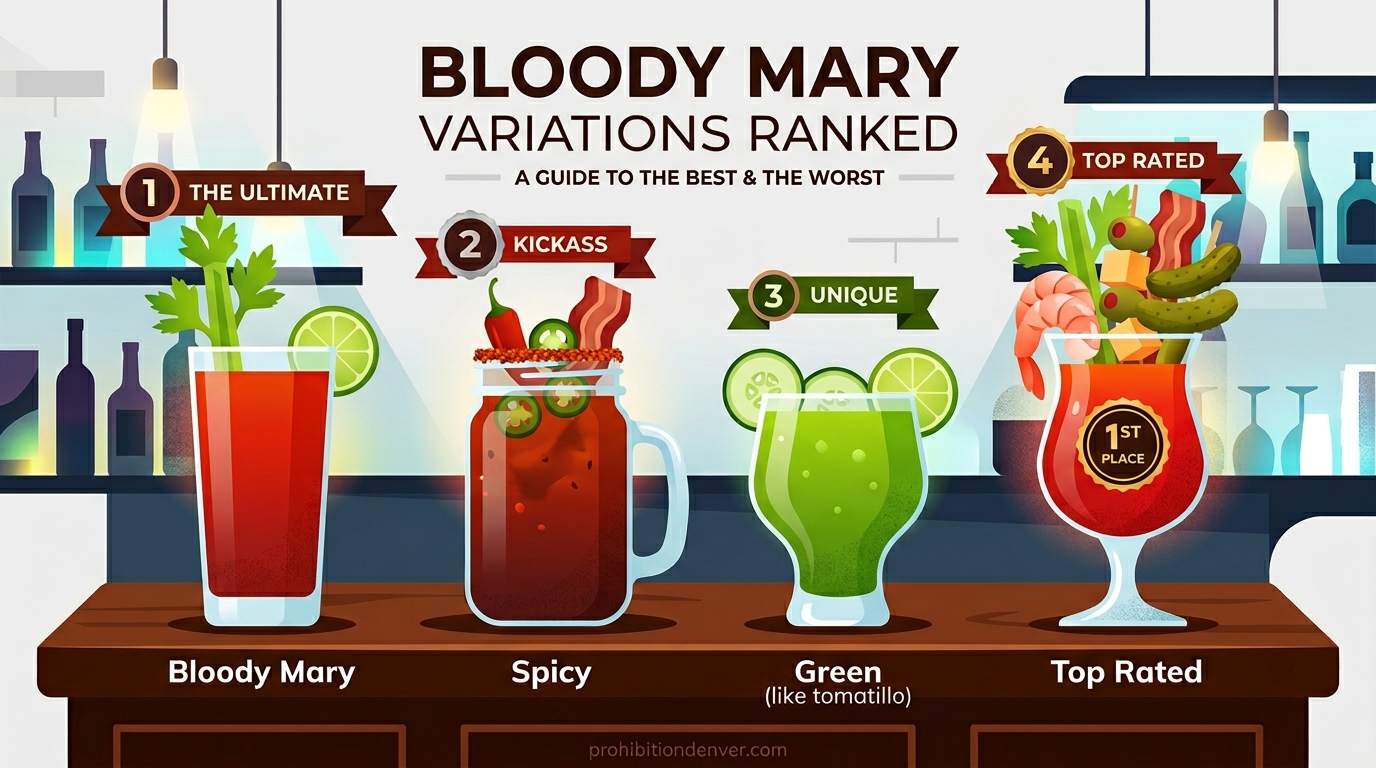
There is perhaps no cocktail as endlessly customizable as the Bloody Mary. What started as a simple vodka-and-tomato-juice combination in 1920s Paris has evolved into one of the most creatively interpreted drinks on any bar menu. From spirit swaps to wild garnishes, Bloody Mary variations have become a category unto themselves — and figuring out which ones are actually worth your time is no small task.
Our team has spent months researching, mixing, and tasting the most popular Bloody Mary variations to create this definitive ranking. We evaluated each one on flavor complexity, how approachable it is for home bartenders, its creative departure from the original, and overall versatility. Whether you are a classic purist or someone who wants tequila in their tomato juice, this guide covers every major variation worth knowing in 2026.
This list of 12 Bloody Mary variations ranked includes everything from the original recipe to international riffs, non-alcoholic options, and spirit-forward twists. Let us get into it.
Table of Contents
How We Ranked These Bloody Mary Variations
Every variation on this list was scored across four criteria. Flavor complexity measures how layered and interesting the drink tastes — does it offer more than just “spicy tomato”? Approachability considers how easy it is to source ingredients and mix at home. Creativity rewards variations that genuinely reinvent the Bloody Mary experience rather than just swapping one ingredient. Versatility looks at whether the drink works across different occasions, from a quiet Sunday brunch to a raucous game-day gathering.
We also drew on real bartender feedback from cocktail communities, forum discussions, and our own testing to make sure these rankings reflect what actually tastes good — not just what looks interesting on paper.
12 Bloody Mary Variations Ranked
1. The Classic Bloody Mary
The one that started it all, and still the one to beat. The classic Bloody Mary combines vodka, tomato juice, Worcestershire sauce, hot sauce, horseradish, lemon juice, and celery salt in a tall glass over ice. It is savory, tangy, and just spicy enough to wake up your palate without overwhelming it.
What makes the classic so effective is its balance. Every ingredient serves a purpose: the tomato juice provides body and sweetness, the Worcestershire adds umami depth, the hot sauce brings heat, and the horseradish contributes a nasal-clearing kick. Fresh lemon juice ties everything together with acidity.
Best for: Brunch, hangover recovery, and anyone who wants the gold standard.
Garnish: Celery stalk and lemon wedge. Keep it simple.
Bartender tip: Use fresh horseradish instead of the jarred prepared variety. The difference in pungency is immediately noticeable, and it elevates the entire drink.
2. Bloody Caesar
If the Bloody Mary is America’s brunch queen, the Bloody Caesar is Canada’s national cocktail. Created in 1969 at the Calgary Inn by bartender Walter Chell, the Caesar replaces tomato juice with Clamato — a blend of tomato juice and clam broth. That single swap changes everything.
The clam juice adds a briny, slightly sweet complexity that makes the Caesar feel lighter and more refreshing than its American cousin. It is less thick on the palate, which makes it easier to drink in warmer weather or as a second or third round. Canadians consume over 400 million Caesars per year, and once you try one, you will understand why.
Best for: Seafood lovers, summer brunch, and anyone who finds the classic a touch heavy.
Garnish: Celery stalk, lime wedge, and a pickled bean or two.
Bartender tip: Use a celery salt and Tajin rim for an extra layer of flavor that hits before the drink even touches your lips.
3. Bloody Maria
Swap vodka for tequila, trade lemon for lime, and add a handful of cilantro — you have just made a Bloody Maria. This Mexican-inspired variation brings an earthy warmth that vodka simply cannot provide. The tequila’s agave notes play beautifully with the tomato’s natural sweetness, and the lime juice adds a brighter, more aromatic acidity than lemon.
The Bloody Maria works especially well with a reposado or blanco tequila. Reposado adds a subtle oaky smoothness, while blanco keeps things crisp and aggressive. Both are valid choices depending on your mood.
Best for: Taco brunches, summer afternoons, and agave spirit enthusiasts.
Garnish: Lime wedge, jalapeno slice, and a cilantro sprig. A Tajin-salted rim is almost mandatory.
Bartender tip: Muddle a few cilantro leaves into the shaker before adding ice. The herbaceous oils infuse directly into the drink rather than just floating on top as a garnish.
4. Red Snapper
The Red Snapper is what happens when you trace the Bloody Mary back to its true roots. The original Parisian cocktail from Harry’s New York Bar was actually made with gin, not vodka. When the recipe crossed the Atlantic, vodka became the default because it was more approachable to American palates. The Red Snapper restores gin to its rightful place.
Gin’s botanicals — juniper, coriander, angelica root, citrus peel — add an entirely new dimension to the tomato base. The result is drier, more aromatic, and noticeably more complex than the vodka version. It tastes like a cocktail, not just a seasoned tomato juice.
Best for: Gin lovers, elevated brunch occasions, and anyone who finds vodka-based Bloody Marys too one-dimensional.
Garnish: Lemon twist and a cornichon or two.
Bartender tip: Add a dash of celery bitters. Gin and celery bitters have a natural affinity that amplifies the savory backbone of this variation.
5. Michelada
The Michelada is proof that you do not need hard liquor to make a great Bloody Mary variation. This Mexican staple replaces the spirit base entirely with a light Mexican beer like Modelo or Pacifico, mixed with tomato juice, lime juice, hot sauce, and Worcestershire sauce. Served in a Tajin-rimmed glass over ice, it is the most refreshing variation on this list.
The beer adds carbonation that no other Bloody Mary variation has, making the Michelada incredibly drinkable. It is lighter in alcohol, lower in calories, and infinitely more crushable on a hot afternoon. If you are hosting a cookout or watching a soccer match, this is the move.
Best for: Hot weather, casual gatherings, game day, and daytime drinking.
Garnish: Lime wedge, Tajin rim. Some recipes call for a shrimp or chamoy on the rim.
Bartender tip: Use a light lager, not an IPA or dark beer. The beer should be a crisp backdrop, not the star of the show.
6. Bloody Bull
The Bloody Bull takes the savory intensity of a classic Bloody Mary and cranks it up by replacing half the tomato juice with beef consomme. The result is a richer, meatier, deeply umami cocktail that feels almost like drinking a cold steak dinner. This is not for everyone, but for those who appreciate big, bold flavors, it is a revelation.
The beef consomme adds a gelatinous mouthfeel and a mineral richness that tomato juice alone cannot achieve. Combined with Worcestershire sauce and horseradish, the Bloody Bull hits umami notes that most cocktails only dream of.
Best for: Cold weather brunch, hearty appetites, and culinary adventurers.
Garnish: Beef jerky strip, cherry tomato, and a pepperoncini.
Bartender tip: Use high-quality beef consomme, not bouillon cubes. The difference in flavor depth is substantial. Homemade consomme is even better if you have the time.
7. Green Mary
The Green Mary (sometimes called a Greenpoint or Verdant Mary) swaps red tomato juice for green tomatoes or tomatillos, creating a cocktail that looks completely different but maintains the same savory DNA. The flavor shifts from sweet and rich to tart and bright, with a vegetal freshness that feels distinctly seasonal.
Jalapeno and cilantro are natural additions here, leaning into the green theme with herbaceous heat. The Green Mary pairs especially well with lighter foods — think grilled fish, salads, or fresh cheese plates rather than heavy brunch fare.
Best for: Garden parties, spring and summer, and anyone looking for something lighter than the classic.
Garnish: Cucumber ribbon, jalapeno slice, and a sprig of fresh basil or cilantro.
Bartender tip: Roast the tomatillos before juicing them for a smoky depth that raw tomatillos lack. Ten minutes under a broiler makes a noticeable difference.
8. Bacon Mary
Everything is better with bacon, and the Bloody Mary is no exception. The Bacon Mary uses bacon-infused vodka as its base, which adds a smoky, salty richness that permeates every sip. A touch of maple syrup and smoked paprika round out the flavor, creating a cocktail that tastes like breakfast in a glass.
Making bacon-infused vodka is straightforward: cook a few strips of bacon, save the rendered fat, let it cool slightly, and pour it into a jar of vodka. Freeze the jar for a few hours, then scrape the solidified fat off the top. What remains is vodka infused with pure bacon flavor.
Best for: Breakfast cocktails, BBQ events, and indulgent weekend brunches.
Garnish: A full strip of crispy bacon. This is non-negotiable.
Bartender tip: Start with less maple syrup than you think you need. You can always add more, but a Bacon Mary that is too sweet loses its savory appeal entirely.
9. Caledonia Caliente
The Caledonia Caliente is the whisky lover’s Bloody Mary. Scotch whisky replaces vodka entirely, bringing peat smoke, malt sweetness, and a warming quality that makes this variation feel like a fireside drink rather than a poolside sipper. Smoked paprika and a drizzle of honey complement the scotch’s natural characteristics.
This is one of the more polarizing variations on the list. If you enjoy scotch, the Caledonia Caliente is a deeply satisfying twist on the Bloody Mary formula. If peat is not your thing, you may want to skip this one. The honey is crucial here — it softens the whisky’s edges and bridges the gap between the spirit’s smoke and the tomato’s sweetness.
Best for: Autumn and winter drinking, whisky aficionados, and fireside evenings.
Garnish: Lemon twist and a strip of smoked salmon on a skewer.
Bartender tip: Use a blended scotch rather than a single malt. The smoky character still comes through, but the blend is more forgiving at balancing with the other ingredients.
10. Bloody Elixir
The Bloody Elixir adds a floral twist to the classic formula by incorporating elderflower liqueur (such as St-Germain) alongside the standard tomato and seasonings. The result is a Bloody Mary variation that is unexpectedly elegant, with delicate floral notes layered over the familiar savory base.
Celery bitters enhance the botanical quality of the elderflower, while the lemon juice provides brightness that ties the floral and savory elements together. This is a sophisticated variation that works well at cocktail parties and spring gatherings where you want something a step above the usual brunch fare.
Best for: Spring brunch, cocktail parties, and occasions that call for something a little more refined.
Garnish: Lemon wheel and an edible flower or two.
Bartender tip: Keep the elderflower liqueur to half an ounce or less. It should be a subtle accent, not the dominant flavor. Too much elderflower turns a Bloody Mary into a confused dessert cocktail.
11. Bloodless Mary
The Bloodless Mary deserves a spot on this list because it proves you can enjoy all the savory, tangy goodness of a Bloody Mary without any alcohol at all. The recipe is identical to the classic minus the vodka — tomato juice, Worcestershire sauce, hot sauce, horseradish, lemon juice, and celery salt, stirred over ice.
This variation is especially valuable for hosts who want to offer inclusive options. Pregnant guests, designated drivers, and anyone avoiding alcohol can still participate in the Bloody Mary experience. It also works as a morning “mocktail” on its own merits — the combination of ingredients is genuinely delicious even without the buzz.
Best for: Morning drinking without alcohol, inclusive hosting, and anyone who loves the flavor but not the spirits.
Garnish: Same as the classic — celery stalk and lemon wedge.
Bartender tip: Add a splash of pickle juice to compensate for the missing vodka’s slight bite. The briny acidity fills the gap surprisingly well and adds an extra layer of complexity.
12. Bloody Bulldog
The Bloody Bulldog is the most unconventional variation on this list, and that is exactly why it sits at number twelve. It uses gin as the base spirit but adds grapefruit juice alongside the tomato, creating a bitter-sweet-citrus hybrid that divides opinions. Honey and cracked black pepper round out the flavor, but the grapefruit-tomato combination is not for everyone.
That said, if you are a grapefruit fan and enjoy bitter cocktails like the Negroni, the Bloody Bulldog offers a genuinely unique experience. The gin’s botanicals play well with grapefruit’s natural bitterness, and the honey provides just enough sweetness to keep the drink from becoming astringent. It is an acquired taste, but one worth acquiring.
Best for: Adventurous palates, aperitif hour, and grapefruit devotees.
Garnish: Grapefruit wedge and a rosemary sprig.
Bartender tip: Use ruby red grapefruit juice for a slightly sweeter profile. White grapefruit can make the drink overly bitter when combined with the tomato base.
Quick Reference: Spirit Base Comparison
One of the easiest ways to explore Bloody Mary variations is by changing the spirit. Here is a quick breakdown of which variations use which base.
- Vodka: Classic Bloody Mary, Bloody Caesar, Bloody Bull, Green Mary, Bacon Mary, Bloody Elixir, Bloodless Mary (no spirit)
- Tequila: Bloody Maria
- Gin: Red Snapper, Bloody Bulldog
- Scotch Whisky: Caledonia Caliente
- Beer: Michelada
Vodka remains the most common base because its neutral profile lets the tomato and seasonings do the talking. But if you have never tried a gin or tequila-based variation, you are missing out on an entirely different experience. The spirit you choose fundamentally changes the drink’s personality.
Bartender Tips for the Perfect Bloody Mary
After testing these 12 variations and comparing notes with working bartenders, a few universal tips emerged that apply no matter which version you are making.
Start With Quality Tomato Juice
This is the single most important ingredient in any Bloody Mary variation, and it is where most people cut corners. Cheap, watery tomato juice produces a thin, bland cocktail. Look for thick, rich tomato juice with minimal additives. If you have the time, making your own by blending and straining Roma tomatoes produces results that no bottled juice can match.
Double Your Worcestershire Sauce
This tip comes directly from cocktail forums and bartender communities. Most recipes call for two dashes of Worcestershire. Try doubling that to four dashes. The extra umami depth is immediately noticeable, and it makes the drink taste more like something you would get at a professional bar. Some bartenders go even further, using six to eight dashes for a truly savory experience.
Use Fresh Horseradish
Jarred prepared horseradish is convenient, but it loses potency quickly after opening. Fresh horseradish root, grated just before mixing, delivers a sharper, more aromatic heat that elevates the entire cocktail. You can find it in the produce section of most grocery stores. A little goes a long way — start with a quarter teaspoon and adjust upward.
Control Your Spice With Layers
Instead of relying on one source of heat, build spice in layers. Combine a dash of Tabasco with a pinch of cayenne and a slice of fresh jalapeno for a more complex heat profile than any single hot sauce can provide. This approach also lets you fine-tune the overall spice level more precisely than dumping in extra hot sauce and hoping for the best.
Roll, Do Not Shake
Bloody Marys should be stirred or “rolled” (poured back and forth between two shaker tins) rather than shaken vigorously. Shaking introduces too much air and dilutes the drink, making it watery. Rolling chills and mixes the ingredients while preserving the thick, velvety texture that makes a great Bloody Mary so satisfying.
Frequently Asked Questions About Bloody Mary Variations
What are the different Bloody Mary variations?
Popular Bloody Mary variations include the Bloody Caesar (with Clamato), Bloody Maria (tequila base), Red Snapper (gin base), Michelada (beer base), Green Mary (green tomato), Bloody Bull (beef consomme), Bacon Mary (bacon-infused vodka), Caledonia Caliente (scotch), and the non-alcoholic Bloodless Mary. Each swaps or adds ingredients to create a distinct flavor profile while keeping the savory tomato backbone.
What is the best alcohol to use in a Bloody Mary?
Vodka is the classic choice because its neutral flavor lets the tomato and seasonings shine. However, tequila makes an outstanding base for a Bloody Maria, and gin adds botanical complexity in a Red Snapper. Scotch whisky works beautifully for smoky depth in a Caledonia Caliente. The best alcohol depends on which flavor direction you want to take the drink.
How do you make a classic Bloody Mary?
Combine 2 ounces of vodka, 4 ounces of tomato juice, 1/2 ounce fresh lemon juice, 2 dashes Worcestershire sauce, 2 dashes hot sauce, 1/4 teaspoon horseradish, and a pinch of celery salt in a shaker with ice. Stir or roll (do not shake vigorously), strain into an ice-filled glass, and garnish with a celery stalk and lemon wedge. Adjust hot sauce and horseradish to taste.
What garnishes go with Bloody Mary?
Classic garnishes include celery stalks, lemon and lime wedges, and green olives. Popular additions are bacon strips, pickle spears, cocktail shrimp, cherry tomatoes, and pickled okra. For something bolder, try Old Bay seasoned shrimp, deviled eggs, or a small grilled cheese sandwich. The garnish should complement the drink’s flavor profile without overwhelming it.
What is the difference between a Bloody Mary and a Bloody Caesar?
The main difference is the tomato base. A Bloody Mary uses straight tomato juice, while a Bloody Caesar uses Clamato — a blend of tomato juice and clam broth. The Clamato gives the Caesar a lighter, slightly briny, more complex flavor. The Bloody Caesar was invented in Calgary, Alberta in 1969 and is considered Canada’s national cocktail.
Final Thoughts on Bloody Mary Variations
The beauty of Bloody Mary variations is that there is truly something for everyone. Whether you stick with the classic, venture into tequila territory with a Bloody Maria, go north of the border with a Bloody Caesar, or skip the alcohol entirely with a Bloodless Mary, the savory tomato backbone gives you a familiar foundation to build on. These 12 Bloody Mary variations ranked represent the best of what this cocktail category has to offer in 2026.
Our advice? Start with whichever variation matches the spirit you already enjoy drinking. If you love gin, try the Red Snapper first. If tequila is your thing, the Bloody Maria will feel like coming home. And if you have never strayed from the classic, make this the weekend you mix up something new. Cheers.