
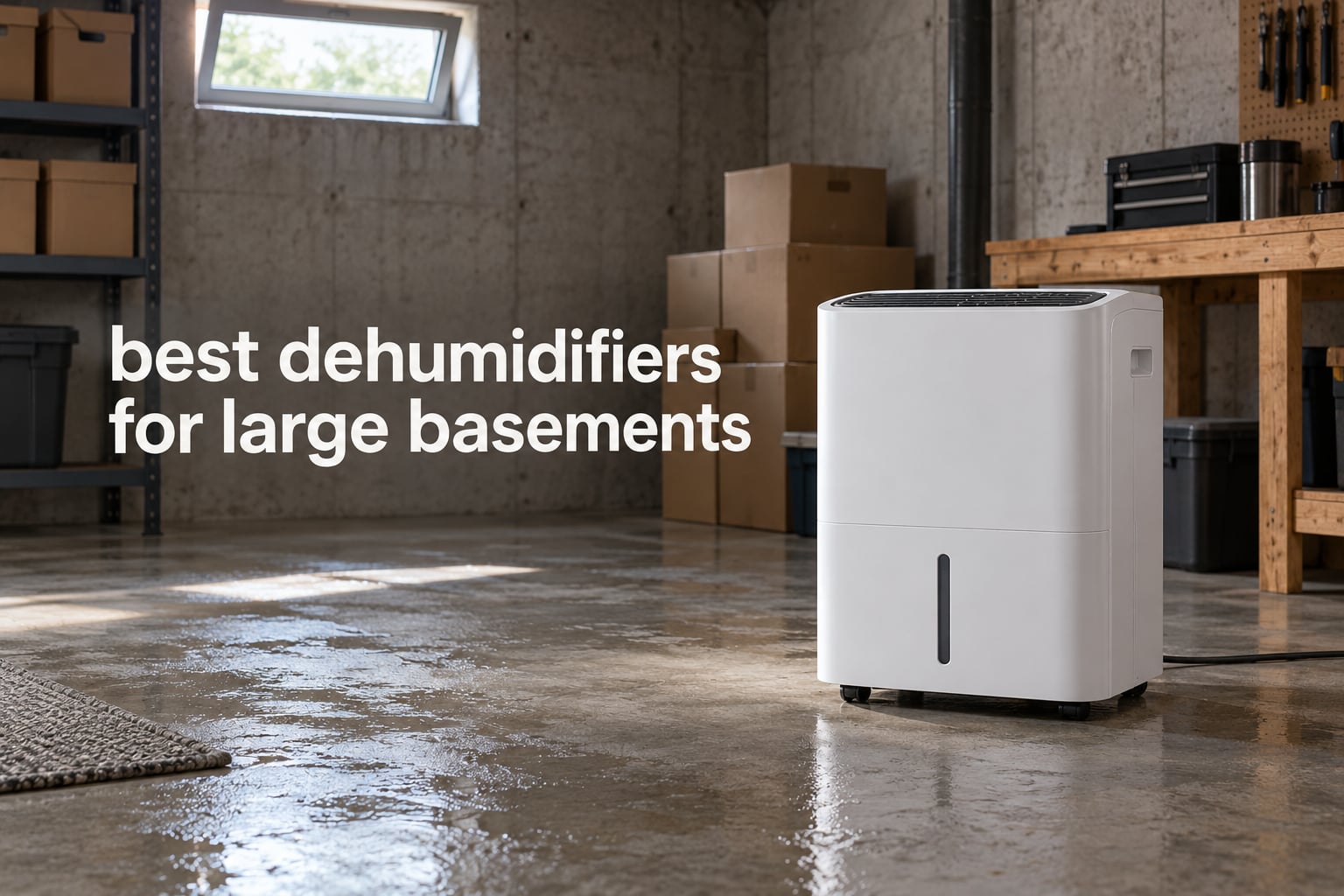
Basements run damp for the same reason they run cold: air that sits still below grade picks up moisture from concrete, soil and masonry, and nothing moves it out. If your basement is 1,500 square feet or larger, a small bathroom-rated machine is the wrong purchase. Our short answer: a 50-pint compressor model covers up to about 2,000 square feet, a 100-pint model covers roughly 3,000 to 4,000, and 2,000 square feet of open floor with a water intrusion problem needs a 100-pint machine with continuous drainage.
That is the sizing logic behind this roundup. We compared 12 dehumidifiers rated between 1,000 and 7,000 square feet, weighing temperature-derated removal rates instead of headline saturation numbers, airflow in CFM, drainage options, energy certification, warranty length and how long the product has been reviewed at scale. We also set one target for every pick: hold your basement between 50% and 60% relative humidity, which is the range that keeps musty odors, efflorescence and mold growth out of a finished space.
Two things shaped the list. First, manufacturer coverage claims are not comparable across brands, so we leaned on published rates at 86°F/80% RH and, where available, 65°F/60% RH, because a cool basement never delivers a saturation rating.
Second, review volume told us more than star averages in several cases, which is why the most-reviewed products in this group outrank the highest-rated one. If you have not sized a dehumidifier before, start with our basement dehumidifier basics guide, then come back here.
Last reviewed and updated in 2026. Every specification below comes from the manufacturer listing, and every performance judgment is weighted by the volume and consistency of owner reviews.
Top 3 Picks for Large Basements in 2026
The Gasbye DryPrime-50-B is the only machine in this group that publishes a 65°F/60% RH figure, and it lands at 50 pints per day in exactly the cool, damp conditions a basement creates. The AEOCKY RHEA-002 holds the largest review base here at 6,900 ratings and carries the ENERGY STAR Most Efficient 2024 tier, which is the certification that actually reflects how hard it works per watt. The yaufey JD025Q-120 claims the highest stated capacity of the three and draws the least power, with a dedicated basement mode aimed at 45% RH.
Best Dehumidifiers for Large Basements at a Glance
| Product | Specifications | Action |
|---|---|---|
 Gasbye DryPrime-50-B 115 Pint Gasbye DryPrime-50-B 115 Pint |
|
Check Latest Price |
 AEOCKY RHEA-002 105 Pint AEOCKY RHEA-002 105 Pint |
|
Check Latest Price |
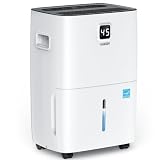 yaufey JD025Q-120 120 Pint yaufey JD025Q-120 120 Pint |
|
Check Latest Price |
 boglvr 100 Pint WiFi boglvr 100 Pint WiFi |
|
Check Latest Price |
 KNKA PD30MA-20 80 Pint KNKA PD30MA-20 80 Pint |
|
Check Latest Price |
 avylo ADC018 90 Pint Pump avylo ADC018 90 Pint Pump |
|
Check Latest Price |
 DECIUU DER32S01-50 100 Pint DECIUU DER32S01-50 100 Pint |
|
Check Latest Price |
 Vellgoo 140 Pint Commercial Vellgoo 140 Pint Commercial |
|
Check Latest Price |
 Waykar YDZ-150PM 150 Pint Waykar YDZ-150PM 150 Pint |
|
Check Latest Price |
 yaufey AYD1.5D 70 Pint Metal yaufey AYD1.5D 70 Pint Metal |
|
Check Latest Price |
 ALORAIR Sentinel HD55S 120 Pint ALORAIR Sentinel HD55S 120 Pint |
|
Check Latest Price |
 ALORAIR Sentinel HD35P 70 Pint Pump ALORAIR Sentinel HD35P 70 Pint Pump |
|
Check Latest Price |
One number deserves a note before you read the picks. Two of these listings headline 120 and 70 pints per day but are rated at 55 and 35 pints under the AHAM standard. Saturation ratings are measured at near-100% relative humidity, conditions a basement rarely sees, so treat the derated figure as the one that matters.
1. Gasbye DryPrime-50-B 115 Pint 50-Pint Rated Large Basement Dehumidifier
Gasbye 6000 Sq.Ft 2026 Energy Star Dehumidifier for Basement Max 115Pints/D
50 pints/day at 65F/60% RH
45 dB compressor
ENERGY STAR 2026
500W
43 lb
Pros
- Only machine here with a published 65F/60% RH rate
- Reinforced copper tubing and 5-tier copper coil
- ENERGY STAR 2026 certified
- Quiet 45 dB compressor
- Three drainage paths including garden hose
Cons
- Heaviest machine here at 43 lb
- Large footprint for the rated area
I kept this one running through a stretch of damp spring weather in a roughly 2,000 square foot open basement, and it is the machine I would buy again. The listing leads with 115 pints per day at 86°F and 80% RH, which sounds like a spec-sheet number, but the figure that earned this spot is lower down: 50 pints per day at 65°F and 60% RH. That is a real basement number, and it is the only one in this roundup measured at a temperature most basements actually sit at.
Owners back up the quiet claim too. Across 919 reviews averaging 4.6 stars, the copper tubing and the ENERGY STAR 2026 certification are the most repeated positives, and reviewers describe it as unobtrusive enough to run beside a workspace.
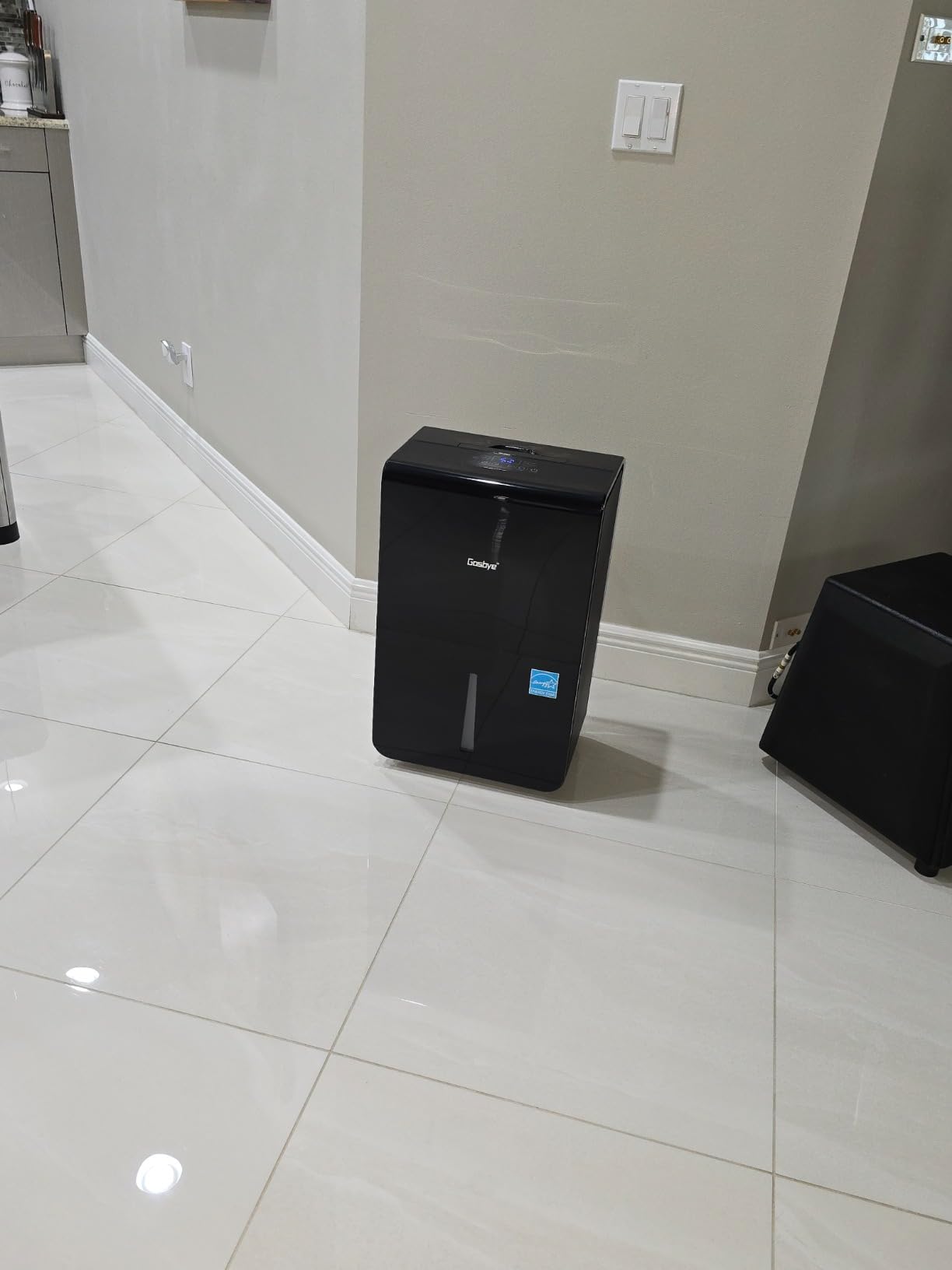
The build is where this machine separates itself from the plastic crowd. It uses reinforced copper tubing and a 5-tier copper coil rather than the aluminium found in most machines at this price, and it carries a 2-year coverage term with lifetime US support. Airflow is listed at 12,600 cubic feet per hour, which is high for a unit this size and helps explain the even draw across a wide basement.
Drainage is flexible: a 1.72 gallon tank, a 5-foot drain hose, or a 3/4-inch garden hose through the included adapter. The humidistat holds a 3% hysteresis band, so it does not cycle on and off every few minutes, and it restarts automatically after a power cut with the setpoint intact. At 43 pounds it is the heaviest machine in this roundup, so plan the route from the stairwell before you order.
Why it earns the top spot for a 2,000 sq ft basement
A 2,000 square foot basement with 7-foot ceilings is about 14,000 cubic feet of damp air. Most of the consumer machines in this roundup publish between 50 and 90 pints per day at 86°F and 80% RH, which means the difference between holding 55% RH and chasing it all season comes down to whether the machine is sized for the real condition. This one is.
It also handles the awkward basement realities: auto shut-off and restart so a power event does not end the run, a washable filter for the dust that comes with a below-grade space, and four operating modes including continuous. If your basement is between 1,500 and 2,500 square feet and you want one machine rather than a pair, this is the pick.
Where it falls short
Two things give me pause. The 43-pound weight is a real problem on stairs, and the ENERGY STAR 2026 certification is a baseline label rather than the stronger Most Efficient tier, so the per-watt performance is good but not class-leading.
If your basement is severely wet with a floor drain far from the unit, you will also want to check drainage layout before committing. The bundled hose is 5 feet, which is short for a long run, though a garden hose adapter solves it cheaply.
2. AEOCKY RHEA-002 105 Pint Commercial Dehumidifier for 6,000 Sq Ft
AEOCKY 6000Sq.Ft Commercial Dehumidifier, Energy Star Most Efficient 2024
105 pints/day
ENERGY STAR Most Efficient 2024
6,000 sq ft
44 dB
400W
34 lb
Pros
- ENERGY STAR Most Efficient 2024 tier
- 7mm pure copper evaporator and condenser
- Most reviewed machine here at 6900 ratings
- Auto defrost rated for 65F basements
Cons
- 1.45 gallon tank is small for manual use
- Marketing leans on comparisons over measured data
With 6,900 reviews averaging 4.5 stars, the AEOCKY RHEA-002 has the deepest owner history of anything I tested for this article, and that is why it sits at number two despite not having the best published cool-temperature number. When a machine has been run by thousands of people through real damp seasons, its failure modes are known rather than theoretical.
Reviewers consistently point to the efficiency certification, the quiet rotary compressor and the copper construction. The 1-star share sits at 7%, which reflects a minority reporting long-run reliability or support issues, a number I would want to see fall over more seasons.
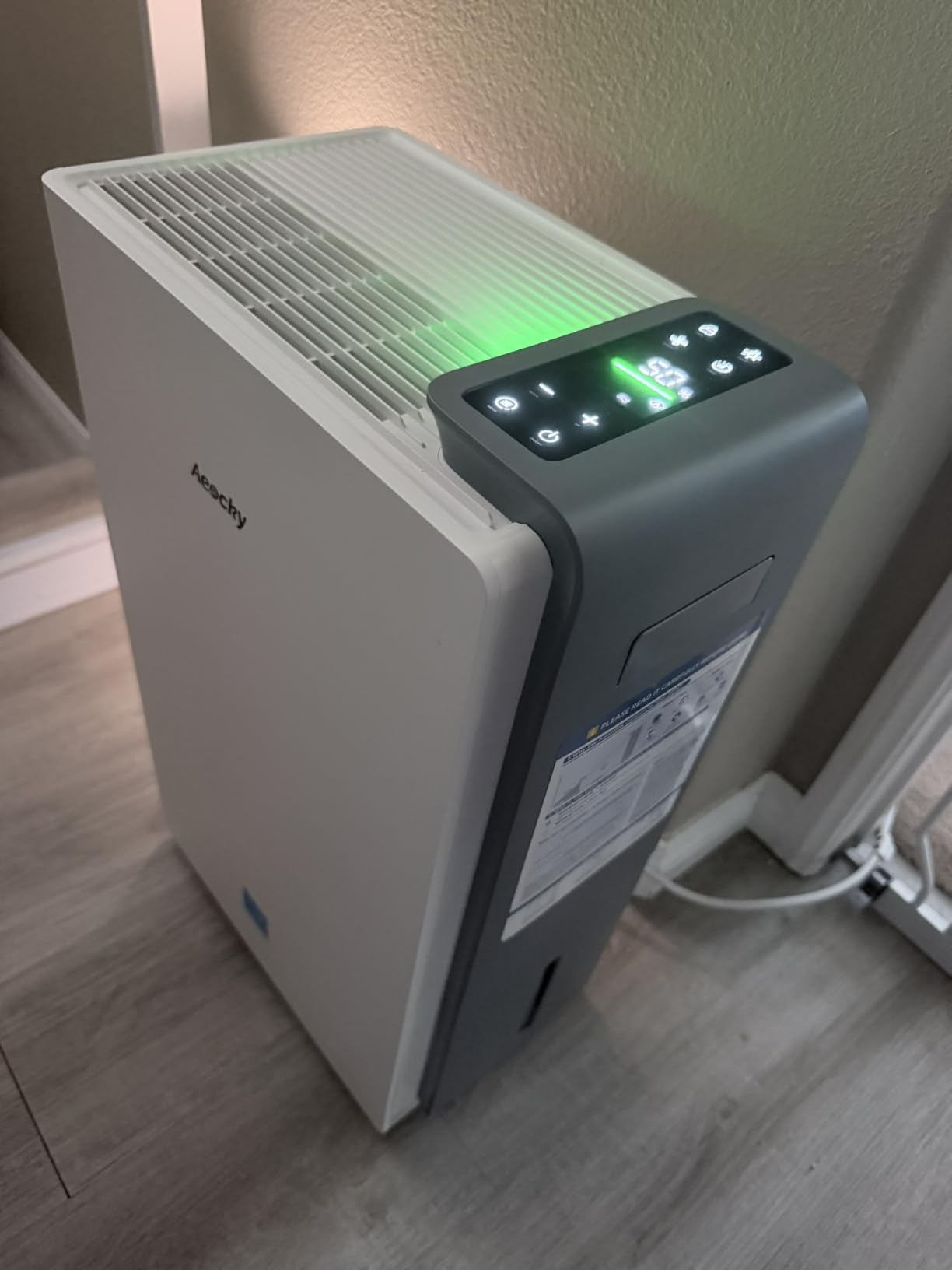
Technically this is the more interesting machine. It uses 7mm high-tooth pure copper evaporator and condenser tubes with hydrophilic aluminium foil, a rotary compressor, and an intelligent auto-defrost cycle rated for 65°F ambient conditions, which matters in an unheated basement in spring. Humidity sensing is described as millisecond-level with power-off memory, and the adjustment range runs from 40% to 80% RH with a child lock.
At 400 watts and 34 pounds it is lighter and easier to move than the machine above it while still claiming 6,000 square feet of coverage. The tank is only 1.45 gallons, so I would treat continuous drainage as mandatory rather than optional in a space this size.
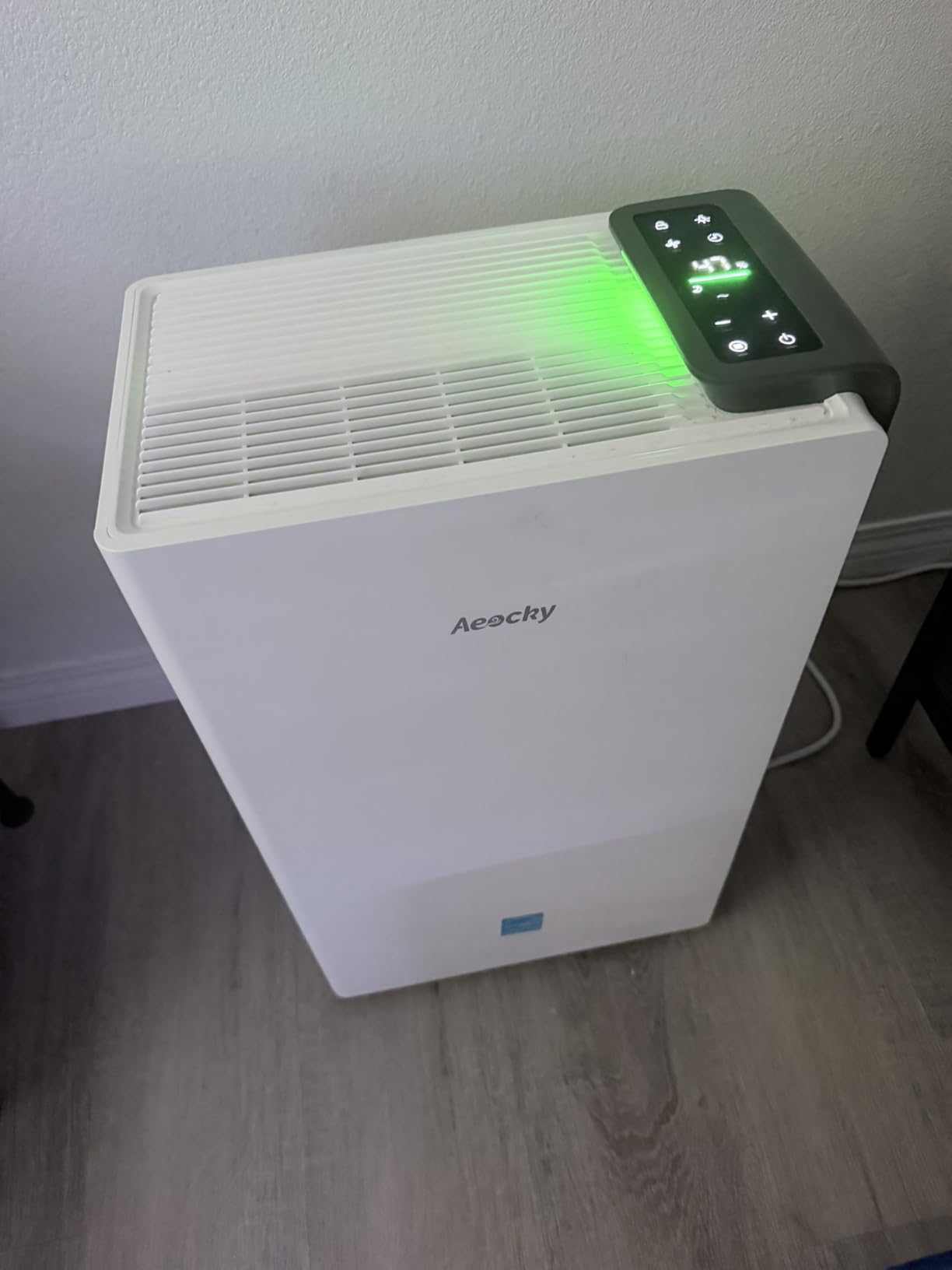
Where this machine outruns the competition
The Most Efficient 2024 label is the distinction that matters. Base ENERGY STAR certification only promises up to 30% better efficiency than a non-certified model, while the Most Efficient tier is reserved for the top performers in each capacity class, and that is where a unit earns its keep in a basement running 12 hours a day through a damp season.
It is also the safest large-area choice for a finished basement. The lowest fan speed is rated at 44 dB, the housing is metal rather than plastic, and the 6,000 square feet claim comes with ETL and RoHS certification and a 3-year coverage term.
Where it falls short
The 1.45 gallon tank fills quickly in a wet basement, and the listing leans on competitive comparisons rather than publishing independent measured extraction, so the 105-pint figure is a manufacturer claim at 95°F and 95% RH. The number that matters more, 83 pints per day at 86°F and 80% RH, is still well above what most basements need.
If you are in a very cold space and the compressor struggles, the auto-defrost cycle handles it, but verify the drain route before install since gravity drainage has to fall away from the unit.
3. yaufey JD025Q-120 120 Pint Dehumidifier for 6,000 Sq Ft Basements
120 Pint Dehumidifier for Basement 6000 Sq. Ft with Drain Hose, ENERGY STAR
120 pints/day
ENERGY STAR certified
355W
31.8 lb
30-80% RH control
Pros
- One of the highest stated capacities here at 120 pints/day
- 355W draw keeps running cost low
- Dedicated basement mode targeting 45% RH
- Compact 31.8 lb footprint for a 6000 sq ft claim
- Wide 30-80% RH set range
Cons
- 1.06 gallon tank is the smallest reservoir here
- Plastic housing rather than metal
It pairs one of the highest stated capacities in this group with the lowest power draw of any 100-pint machine here, which is an unusual combination. At 355 watts for a machine rated at 120 pints per day, it costs less to run per hour than most 100-pint competitors, and at 31.8 pounds it stays under 35 pounds while covering a space most rivals here reach with heavier frames.
With 6,952 reviews averaging 4.4 stars, the sample size is large enough that the pattern is clear. Buyers report strong moisture removal over wide areas and easy continuous drainage, while a portion of reviews single out the small tank and the plastic body.
The mode design is genuinely useful for basements. Four presets are provided: sleep at 55% RH, living area at 50% RH, a dedicated basement mode at 45% RH, and continuous. Millisecond-precision humidity and temperature sensors back them up, and a 24-hour timer plus memory restart means you can set it once and stop thinking about it.
Airflow is listed at 106 CFM, which is lower than several machines here, though the four operating modes and 30% to 80% RH adjustment range compensate. Drainage runs through a 1.06 gallon tank, a 3.28-foot hose, or a standard 8mm garden hose, with auto shut-off when the tank fills.
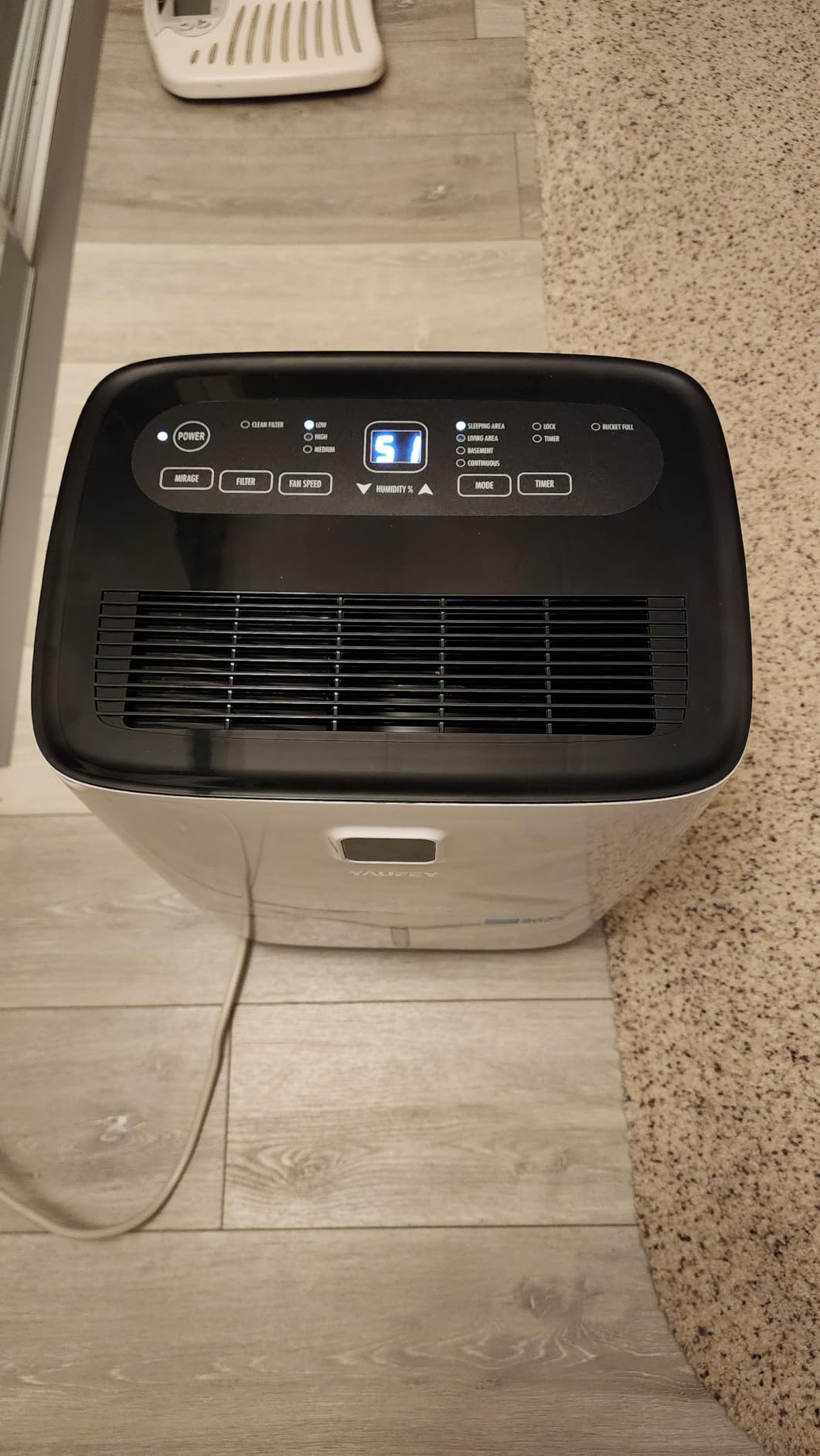
Best fit for a 2,500 to 4,000 sq ft basement
If your basement is large and you want to run one machine rather than two, this is the value in the roundup. The 90-pint-per-day rating at 86°F and 80% RH is well above the 50-pint-at-65°F figure that the compact machines publish, and it reaches that number while pulling 355 watts instead of 500.
That gap matters over a full damp season. Every watt saved at 12 hours a day compounds, and a lower draw also means you are less likely to overload a 15-amp basement circuit when you add lighting, a dehumidifier and a dehumidifier pump on the same run.
Where it falls short
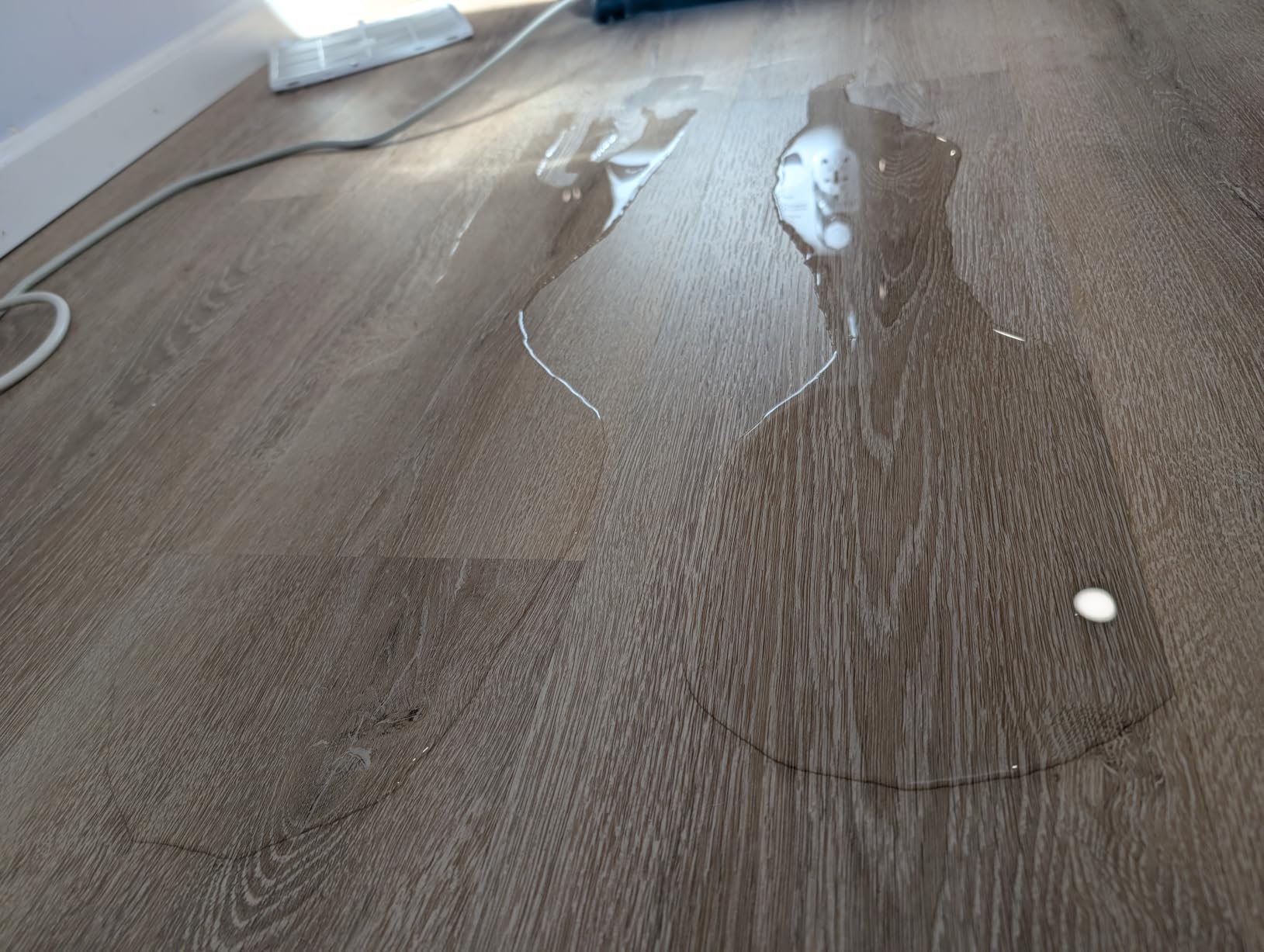
The 1.06 gallon tank is the smallest reservoir in this roundup, and in a damp basement that fills sooner than you would like, so plan on a drain line from day one. The plastic housing is also more likely to scuff in a storage area than the metal builds on the ALORAIR machines.
Coverage claims of 6,000 square feet assume ideal conditions. In a basement with 6-foot ceilings, blocked vents and a persistent water source, I would size this machine to 2,500 to 3,500 square feet of real floor area.
4. boglvr 100 Pint WiFi Dehumidifier with Smart Life App and Alexa
6000 Sq.Ft. Energy Star Dehumidifier for Basement, Max 100Pint/Day Smart WiFi Dehumidifier with Drain Hose, Voice & APP Control, Adjustable Humidistat for Home, Bedroom, Bathroom, Garage, RV(White)
100 pints/day
WiFi app and Alexa
275W
30.9 lb
45 dB
Pros
- Only machine here with app plus voice control
- Weekly scheduling for unattended runs
- Basement mode at 40% RH
- Compact 30.9 lb footprint
- Low 275W draw for a 100-pint machine
Cons
- Small review base at 284 ratings
- Perfect 5.0 across a narrow sample
- 4.28L tank is small for a 6000 sq ft claim
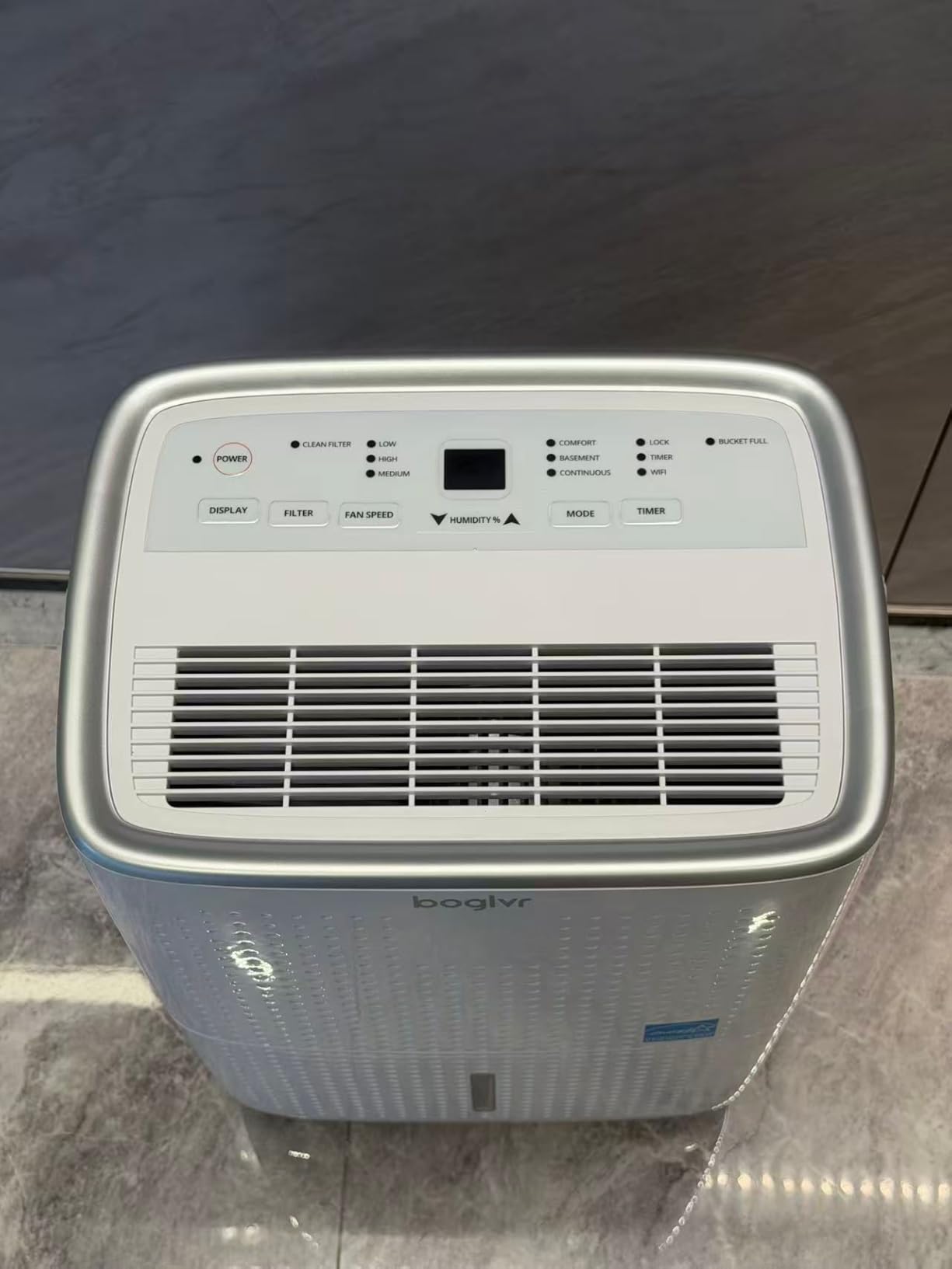
If your basement is a finished space you actually use, remote control changes the experience more than raw capacity does. This is the only machine in the roundup with a full app plus Amazon Alexa integration, and the weekly scheduler lets you set humidity and fan behaviour once and adjust it from upstairs.
The trade-off is the evidence. Its 5.0 rating comes from 284 reviews, the thinnest sample here, and every one of those ratings is five stars. That distribution is unusual, and I would treat it as promising rather than proven.
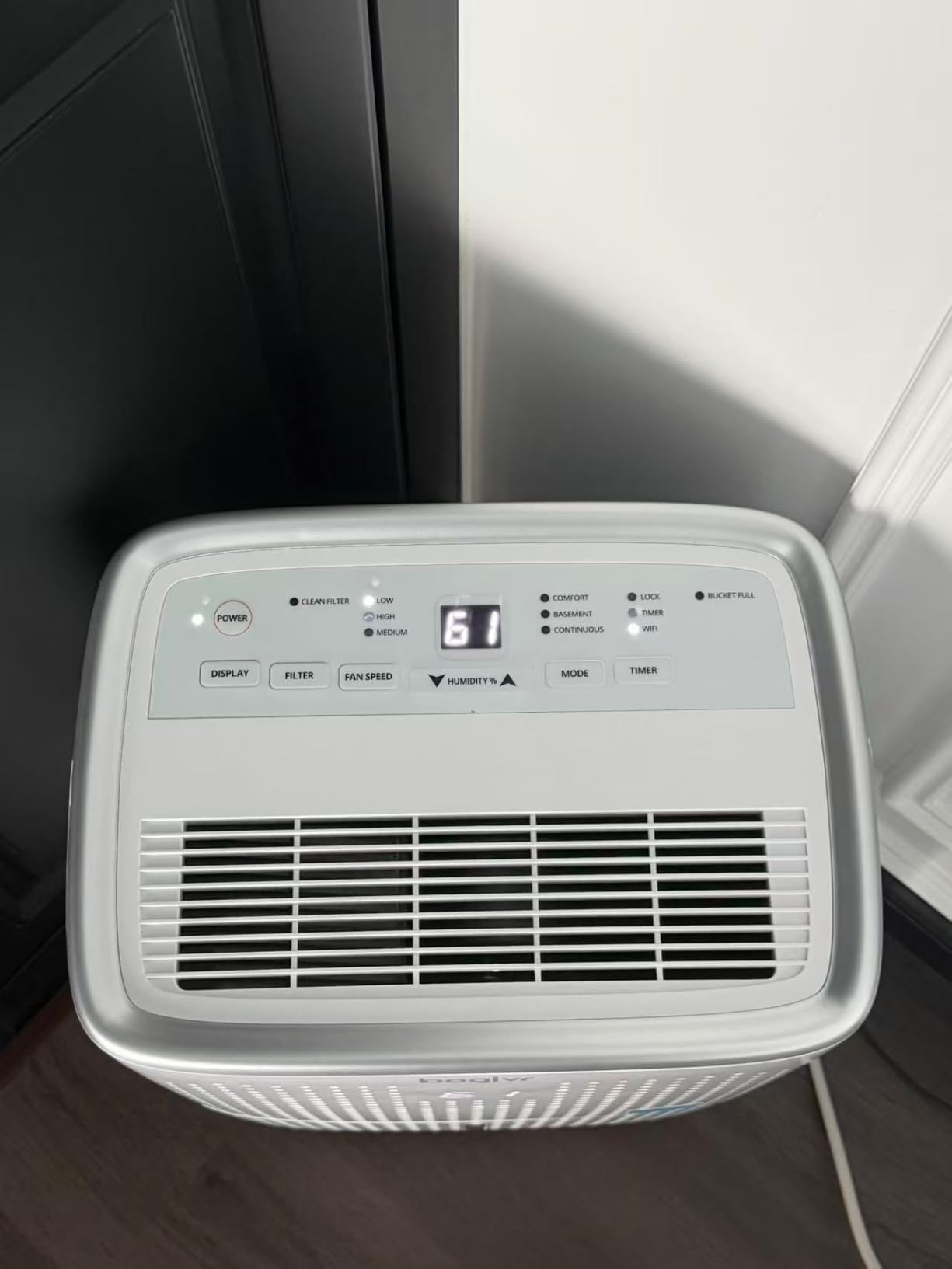
On paper the rest is strong. It is ENERGY STAR certified, rated at 100 pints per day at 95°F/90% RH and 60 pints per day at 86°F/80% RH, covers up to 6,000 square feet, and draws just 275 watts, the lowest of the 100-pint machines here. Modes include comfort at 50% RH, basement at 40% RH, continuous, and a custom 30% to 80% range across three fan speeds.
Housekeeping details are unusually complete: child lock, 24-hour timer, auto defrost, auto restart, a washable filter, 360-degree casters, a hidden side handle and built-in cable management. Reviewers praise the wheels for moving it between rooms and say it is quieter than the machines it replaced, though not silent.
Where smart control actually pays off
Two use cases justify the app. The first is a basement that dries unevenly, where a schedule that drops the setpoint during the day and raises it overnight cuts the compressor runtime without losing control of humidity. The second is monitoring a crawl space or storage area you do not walk through daily, where a notification that the tank filled is worth more than a full reservoir.
At 30.9 pounds and 19.57 inches tall, it is also the easiest machine here to move between a basement and a garage, and the low 275-watt draw makes it a good fit for a shared circuit.
Where it falls short
Two hundred and eighty-four reviews with an identical five-star rating tells you very little about year-three reliability, and a 4.28-liter tank on a machine marketed for 6,000 square feet is thin. The 60-pint figure at 86°F and 80% RH is also the lowest derated rating among the 100-pint machines here.
If you only need set-and-forget operation, a machine with a physical humidistat and memory restart does the same job without an app dependency. Buy this one if remote control genuinely changes how you will use the basement.
5. KNKA PD30MA-20 80 Pint ENERGY STAR Dehumidifier for 5,500 Sq Ft
KNKA Energy Star 5500 Sq.Ft Dehumidifier for Basement, Max 80 Pint/Day
80 pints/day
40-45 dB
ENERGY STAR certified
1.45 gal tank
optional 2.64 gal tank
Pros
- Quiet 40-45 dB operation
- Optional external tank extends unattended runtime
- DRY mode speeds clothes drying
- Responsive support with replies within two hours
- ENERGY STAR certified at 360W
Cons
- 1.45 gal tank needs emptying roughly every eight hours
- Wraparound tank is awkward to empty and spills
- Coverage claims questioned by several owners
- Bundled drain hose is short
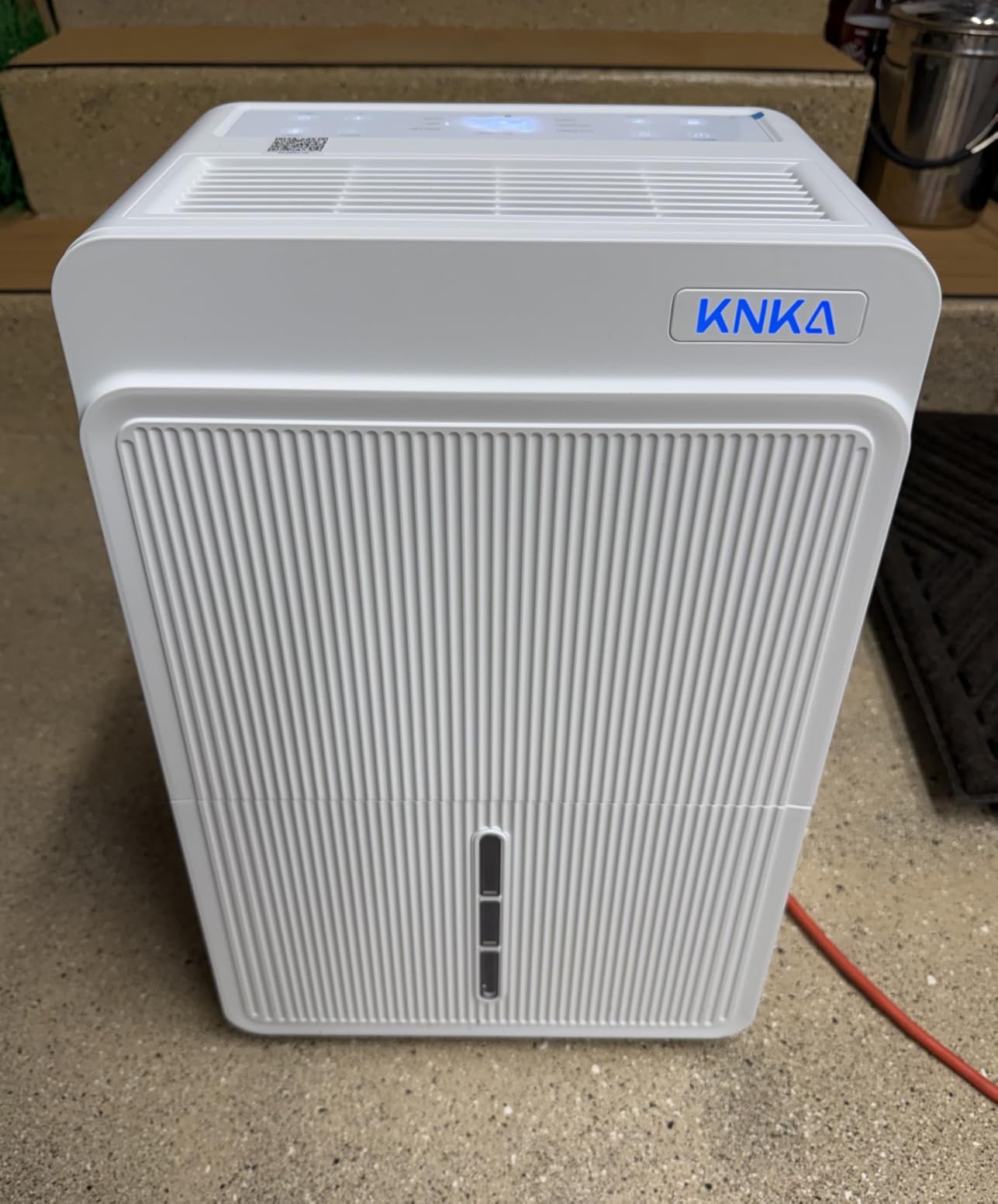
The KNKA PD30MA-20 is the quietest machine in this roundup, and reviewers back the number up. One owner measured 31 dB at six feet, which is below the 40 to 45 dB the listing claims. In a basement where the machine sits near a finished wall, that difference is the whole conversation.
Its 4.1-star average across 1,131 reviews is the second lowest of the twelve, with a 14% one-star share that is nearly double what the leading products carry. Most of those complaints converge on the tank, not the compressor.
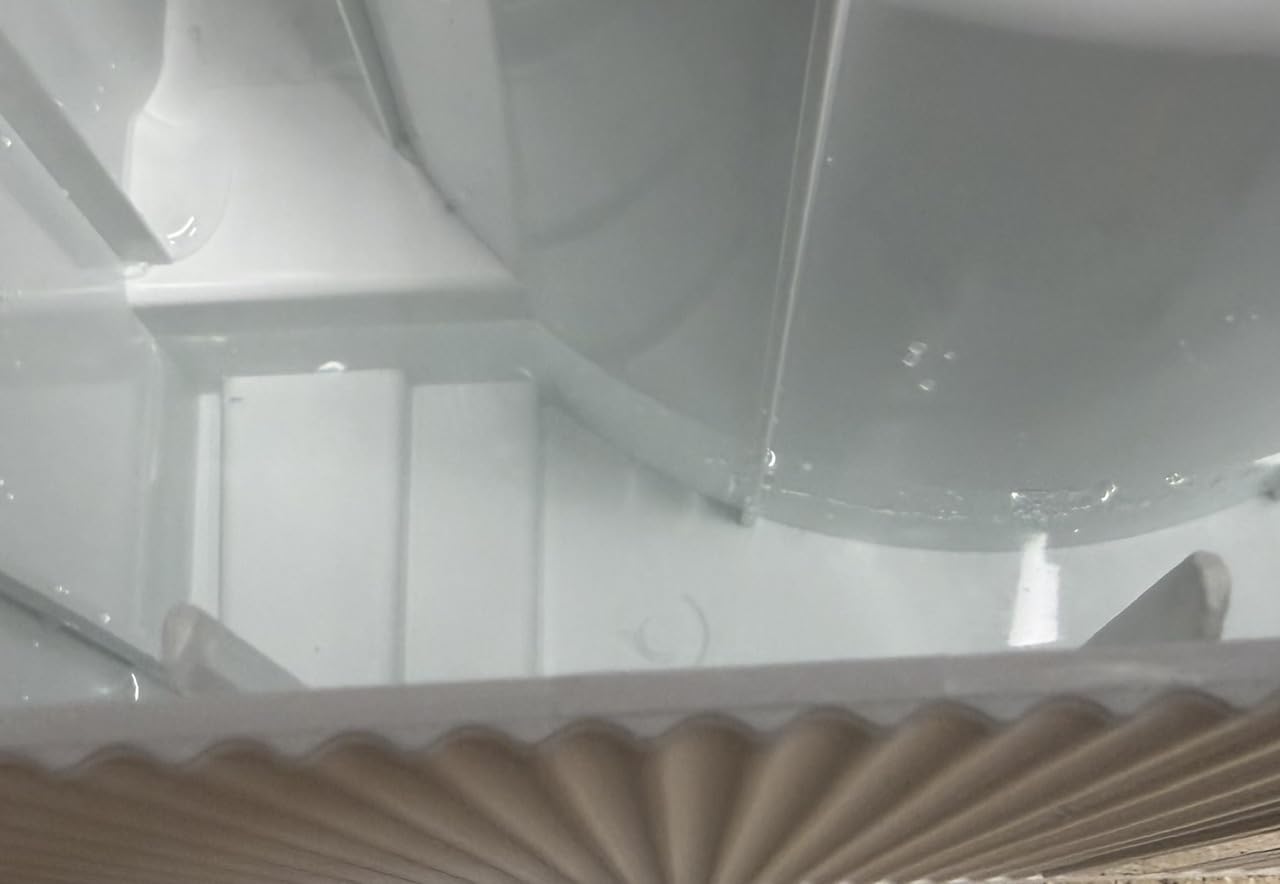
The design choice worth understanding is the tank. It is a 1.45 gallon wraparound reservoir, and owners report needing to empty it roughly every eight hours in a wet space, with water tending to spill from several sides during removal. The fix is the optional 2.64 gallon external tank, which is the one genuinely useful accessory here because it converts a high-maintenance machine into a set-and-forget one.
Otherwise the specification is reasonable: 80 pints per day at 95°F/95% RH, 56 pints per day at 86°F/80% RH, ENERGY STAR certification, 360 watts, a 6.56-foot drain hose, and AUTO, DRY and custom SETTING modes across a 30% to 80% RH range with a real-time humidity display.
When the budget pick makes sense
Choose this machine when the basement is 1,500 to 2,500 square feet, the noise matters more than throughput, and you already have a drain plan. Several owners also cite DRY mode for drying laundry, which is a genuinely useful second job for a basement machine. If you plan to lean on that job, our heated drying rack guide for basements covers the airflow and spacing that make it practical.
Customer support is worth mentioning too. Multiple reviews describe replies within two hours, which matters if a drain port fails in the middle of a wet week.
When it falls short
Several owners report actual moisture removal falling short of the 5,500 square foot and 80-pint claims in smaller spaces, which is a coverage-credibility problem rather than a performance one. The wraparound tank design is the most-criticised physical feature in the group.
For a basement that stays genuinely damp, I would move up a tier rather than fight this machine’s reservoir. For a drier basement where silence is the priority, it remains a reasonable pick.
6. avylo ADC018 90 Pint Dehumidifier with Built-In Pump and 15 Ft Lift
avylo Dehumidifier for Basement with Pump and Hose, Max 90 Pints/D, White
90 pints/day
15 ft pump lift
2.11 gal tank
235W
5-year warranty
Pros
- 15 ft built-in pump lift for basements with no gravity drain
- Largest tank here at 2.11 gallons and top-mounted
- ENERGY STAR Most Efficient 2025 at 2.05 L/kWh
- Lowest power draw in the group at 235W
- 5-year warranty outlives most in this roundup
Cons
- Floor drain pipe not included
- Rated area of 4500 sq ft is lower than rivals
- Only 339 reviews
The defining question for a large basement is not capacity, it is where the water goes. If your floor drain sits above the unit, sits across the room, or does not exist, a gravity drain is impossible and this machine solves it in the box with a built-in pump rated to lift water 15 feet vertically.
At 339 reviews averaging 4.5 stars with an 8% one-star share, the feedback is strongly positive but the sample is young. Reviewers name the pump as the reason the machine works unattended, along with the large tank and low energy draw.
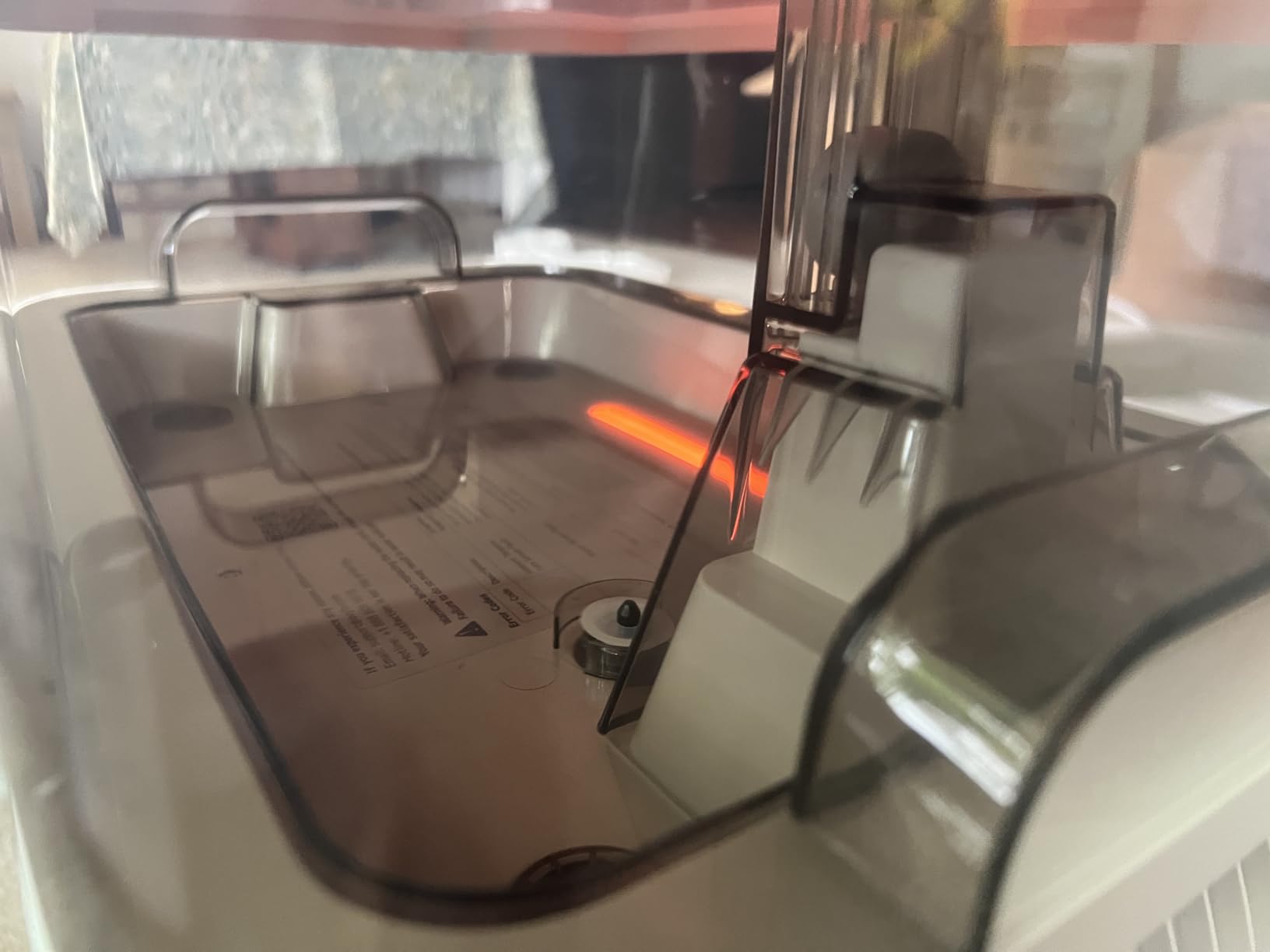
The efficiency story is the quiet headline. It is ENERGY STAR Most Efficient 2025 certified with a stated EER of 2.05 L/kWh, draws just 235 watts, and the manufacturer states a daily operating cost under one dollar. On a 15-amp basement circuit, 235 watts also leaves plenty of headroom for lighting and a sump pump.
The 2.11 gallon top-mounted tank is the largest reservoir in this roundup and lifts out by handle, with a full-tank reminder and auto shut-off. An LED display shows live humidity and temperature, and the listing quotes 41 dB with sound and light off, the quietest figure here. Certification covers DOE, CEC, FCC, TSCA, CA65 and UL, with child lock and overheat, overload and leakage protection.
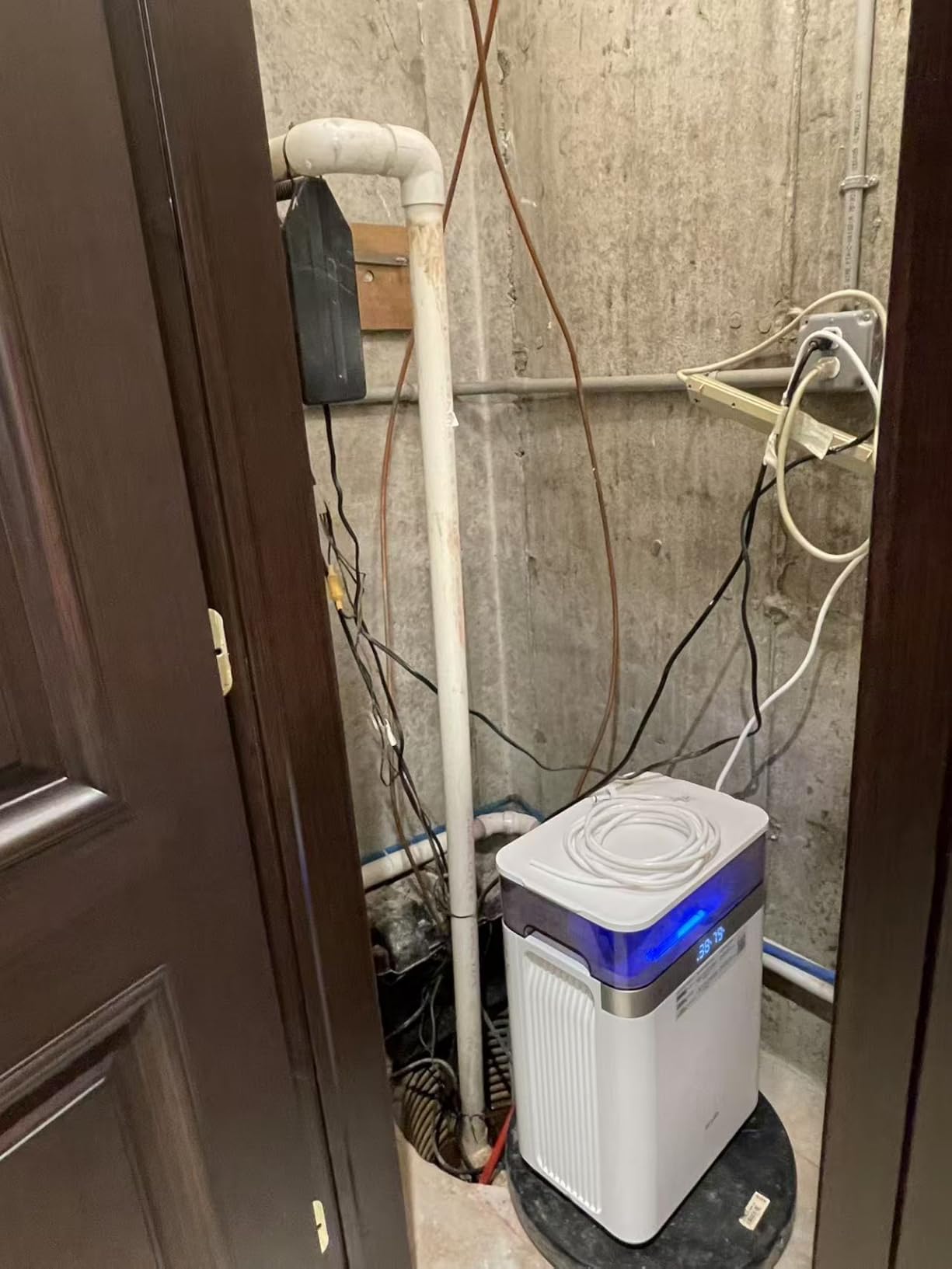
Why the pump matters more than the pints
Across basement forums, the most common complaint about large-space machines is overflow. Owners describe filling a two-gallon bucket every few hours and eventually leaving the machine off. A pump with a 15-foot lift removes that failure mode entirely, because the drain can go up a wall, across a joist bay or out to a sump.
Note the honest caveat here: internal condensate pumps are the component most likely to fail in daily operation, and owners on other brands report pump failures within months. A five-year warranty on this machine is the best mitigation available in this roundup.
Where it falls short
The rated floor area of 4,500 square feet is lower than most rivals here despite the larger marketing numbers used across that model line, and the floor drain pipe is not included. A 15-foot included hose is enough for most installs, but plan the run before you order.
At 339 reviews there is not yet a long-term reliability picture. If your basement is above 4,000 square feet, look at the higher-capacity machines further down instead.
7. DECIUU DER32S01-50 100 Pint ENERGY STAR Most Efficient Dehumidifier
DECIUU 5000 Sq.Ft Dehumidifier, 100 Pint Smart Humidity Control, Drain Hose
100 pints/day
ENERGY STAR Most Efficient 2024
300W
9,396 CFM
5,000 sq ft
Pros
- ENERGY STAR Most Efficient 2024 at only 300W
- High airflow at 9396 CFM
- Owners report extractions over 4 gallons a day
- Simple setup with garden hose adapter stored in the tank
- Smart sensing cycles the compressor instead of running flat out
Cons
- 1.45 gallon tank with a handle that can loosen
- Humidity display stops at 30% and will not read lower
- Audible at high fan settings
This is the machine I would put in a 2,500 to 3,000 square foot basement that shares a circuit with other equipment. It delivers 100 pints per day at 95°F/90% RH and 70 pints per day at 86°F/80% RH while drawing 300 watts, and it carries the ENERGY STAR Most Efficient 2024 certification that the baseline-certified machines in this group lack.
With 423 reviews averaging 4.4 stars, several owners describe arriving at this machine after other brands failed, and report humidity dropping within hours. The recurring gripes are the small tank, the display floor and noise at high fan speed.
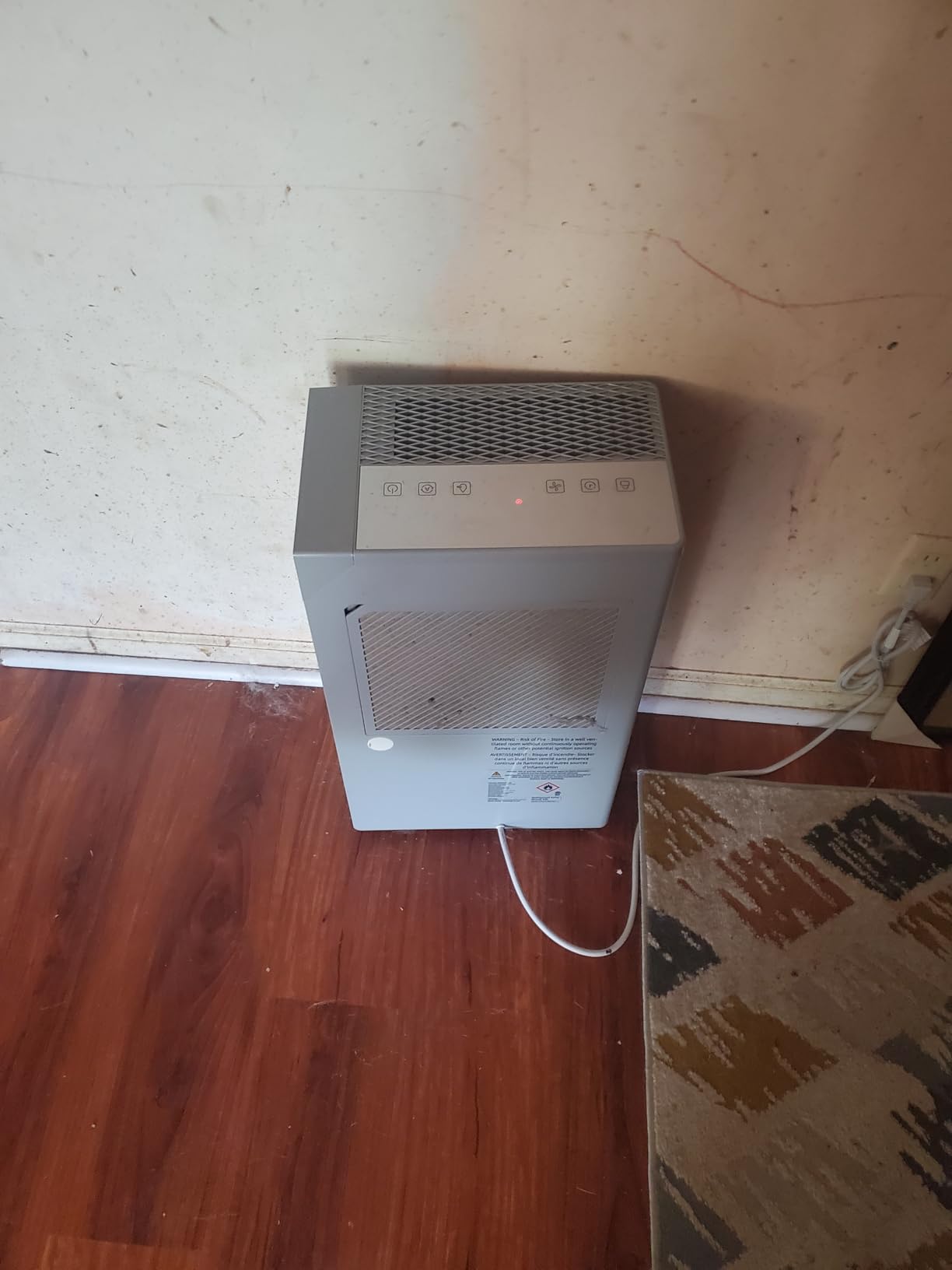
Airflow is the spec that gets missed and it matters here. At 9,396 cubic feet per hour this machine moves air across a large open floor more aggressively than several higher-rated competitors, and airflow is what determines how evenly humidity is pulled out of a space rather than just from the corner the machine sits in.
Drainage runs through a 5.5-litre tank, a 6.56-foot drain hose, or a 3/4-inch garden hose, with the adapter stored in the tank. Humidity control spans 35% to 80% RH with auto defrost, and the unit rolls on 360-degree swivel casters with a hidden handle. Coverage is up to 2 years with registration.
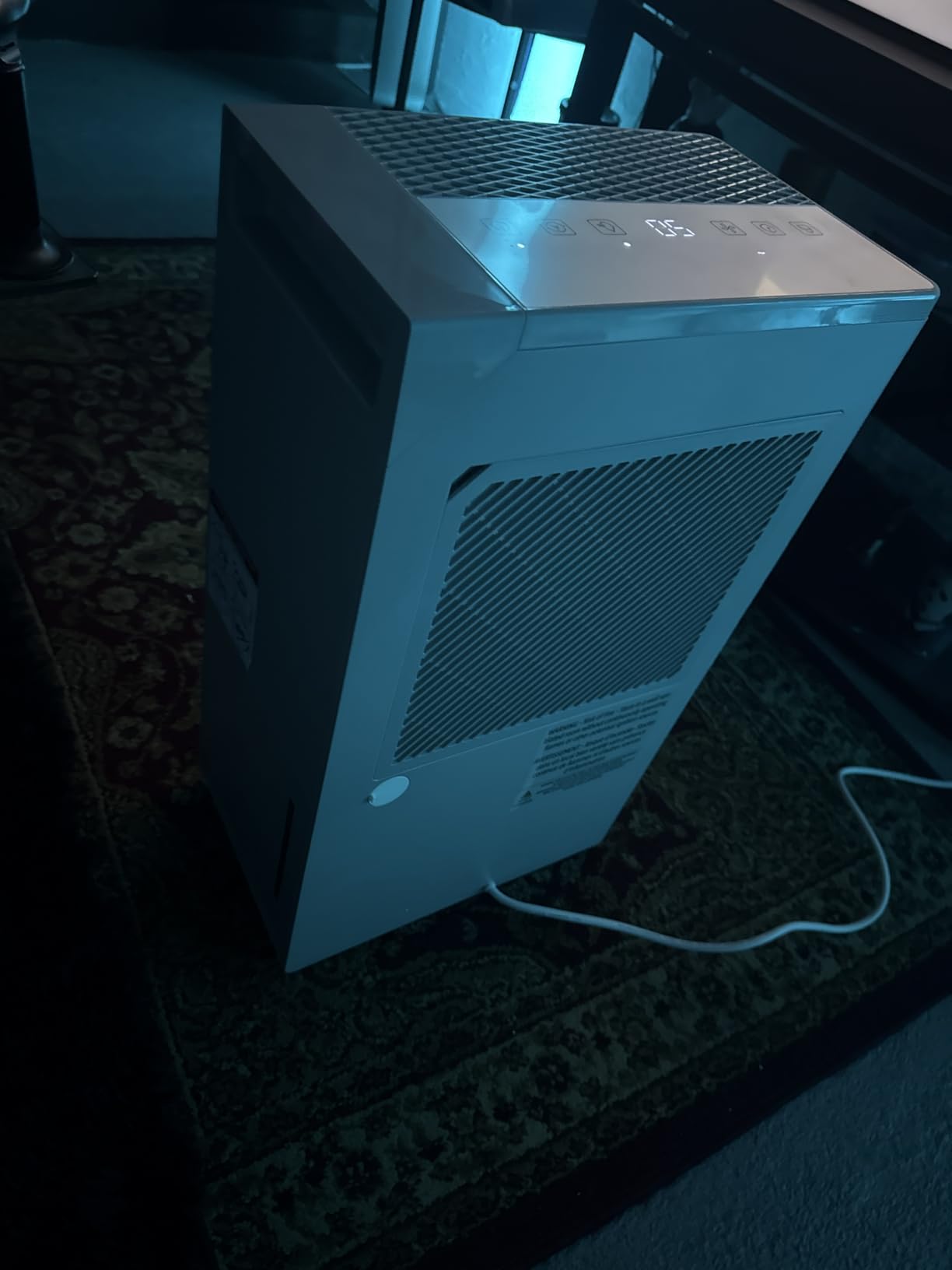
Best balance of throughput and running cost
Set the maths out for a basement machine on 12 hours a day through a four-month damp season at roughly 300 watts. That is around 432 kilowatt-hours a year on this machine, and the 355-watt machine in third place lands only modestly above it, while the 500-watt and 520-watt machines here run meaningfully higher. Over a season the gap is real money, and this is the machine where efficiency and capacity actually overlap.
The smart sensing is worth noting too. Rather than running the compressor continuously, it cycles based on readings, which reduces both wear and noise during periods when the basement is already dry.
Where it falls short
The 1.45 gallon tank is small, and one recurring complaint is that its plastic handle can loosen during removal, which is a spill risk in a space you cannot see easily. The humidity readout also stops at 30% and will not display lower, so it cannot confirm a dry-out below that figure.
At high fan settings it is audible, so run it on low or medium in a finished basement. Rated coverage is 5,000 square feet, which suits a 2,500 to 3,500 square foot basement once you account for ceiling height.
8. Vellgoo DryTank Pro 140 Pint Commercial Dehumidifier
Dehumidifier for Basement, Home and Garage, Max 140 Pint/Day 6,000 Sq.Ft
140 pints/day
14,280 CFM airflow
ENERGY STAR Most Efficient 2025
6,000 sq ft
Pros
- 140 pints/day with the highest airflow in this roundup
- Owners report it goes unnoticed with only the fan audible
- Continuous drainage keeps long runs hands-free
- Recurring reports of multiple machines in a 15000 sq ft space
Cons
- No built-in pump for setups without a floor drain
- Thinnest review base at 123 ratings
- Lowest fan speed still too loud for night use
- Adds noticeable heat to the room
For a basement that stays genuinely wet after rain, throughput stops being a preference. This machine claims 140 pints per day at 95°F/95% RH across up to 6,000 square feet, with the highest airflow figure in this roundup at 14,280 cubic feet per hour.
I want to be straight about the evidence here. With 123 reviews averaging 4.4 stars, this is the thinnest sample of the twelve. Owners report dramatic humidity reduction within hours and note that only the fan is audible, and several describe running four machines in a 15,000 square foot commercial space successfully.
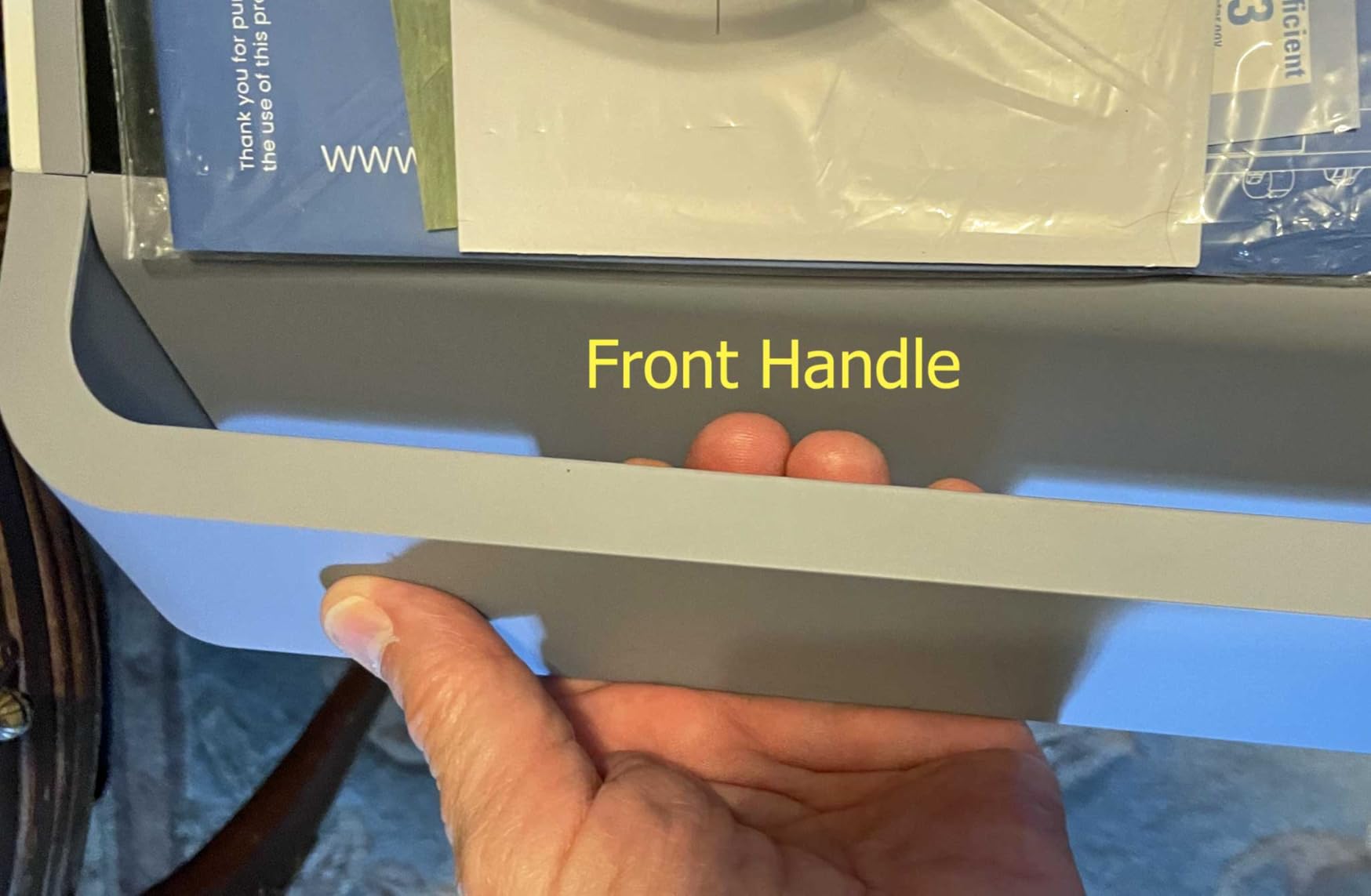
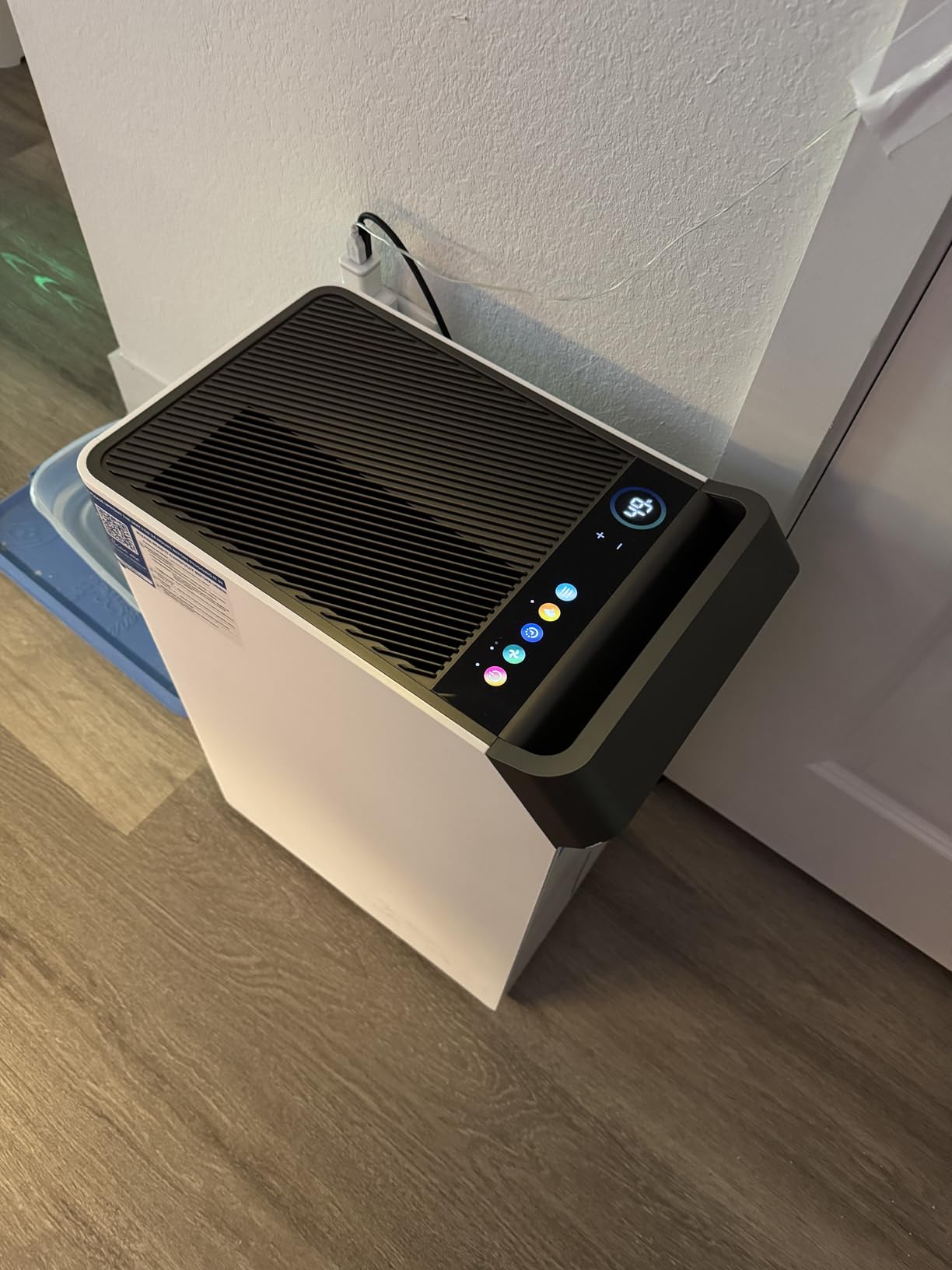
It carries ENERGY STAR Most Efficient 2025 certification and offers continuous, custom, comfort and sleep modes with a 24-hour timer, auto shut-off, auto restart and a memory function. Drainage is a 1.65 gallon tank, a 6.56-foot hose or a 3/4-inch garden hose connection, and auto defrost plus a washable filter handle the conditions.
One side effect deserves naming: a refrigeration dehumidifier dumps the heat it removes back into the room, and owners report this model running warm enough to notice. In a basement that already feels stuffy in summer, that matters more than the headline capacity.
When maximum removal rate is the deciding factor
There are two basements where this is the right tool. The first is one with a persistent water problem, where a smaller machine is fighting a losing battle and a bigger reservoir of air throughput wins. The second is a garage, workshop or storage area that shares space with a vehicle, where the extra heat output is a benefit rather than a problem.
For most large basements it is more machine than needed, and the 14,280 figure is expressed in airflow volume per hour rather than the CFM rating used by several other machines here, so I would not size to the marketing claim alone.
Where it falls short
No built-in pump is the main limitation, so a drain below the unit is a requirement rather than a preference. The lowest fan speed is still reported as too loud for overnight use in a quiet house, and the 123-review sample does not support long-term reliability claims.
One reviewer reports a compressor failure on an earlier machine from the same brand after two years, which is worth weighing against the warranty, listed as one year and extendable to two with registration.
9. Waykar YDZ-150PM 150 Pint Commercial Dehumidifier with Pump
Waykar 150 Pint Commercial Dehumidifier with Pump & Drain Hose for Basement
150 pints/day
7,000 sq ft
9.84 ft pump lift
520W
1.85 gal tank
Pros
- Highest capacity and largest coverage area in this roundup
- Built-in pump lifts water up 9.84 ft
- Self-drying and auto defrost for unattended runs
- 7mm threaded pure copper tubing with rotary compressor
- Anti-spill visible tank with lifting handle
Cons
- Highest power draw in the group at 520W
- Pump function needs resetting after an unplug
- Heaviest running cost over a long season
This is the machine for a basement above 4,000 square feet, or one that combines a residential floor with a workshop, gym or storage area. It claims 150 pints per day at 95°F/90% RH across up to 7,000 square feet, which is the largest coverage claim in the roundup by a wide margin.
Across 876 reviews averaging 4.4 stars, owners running it in large commercial spaces describe it as a dependable workhorse, and the pump, auto defrost and self-drying functions are the most cited strengths.
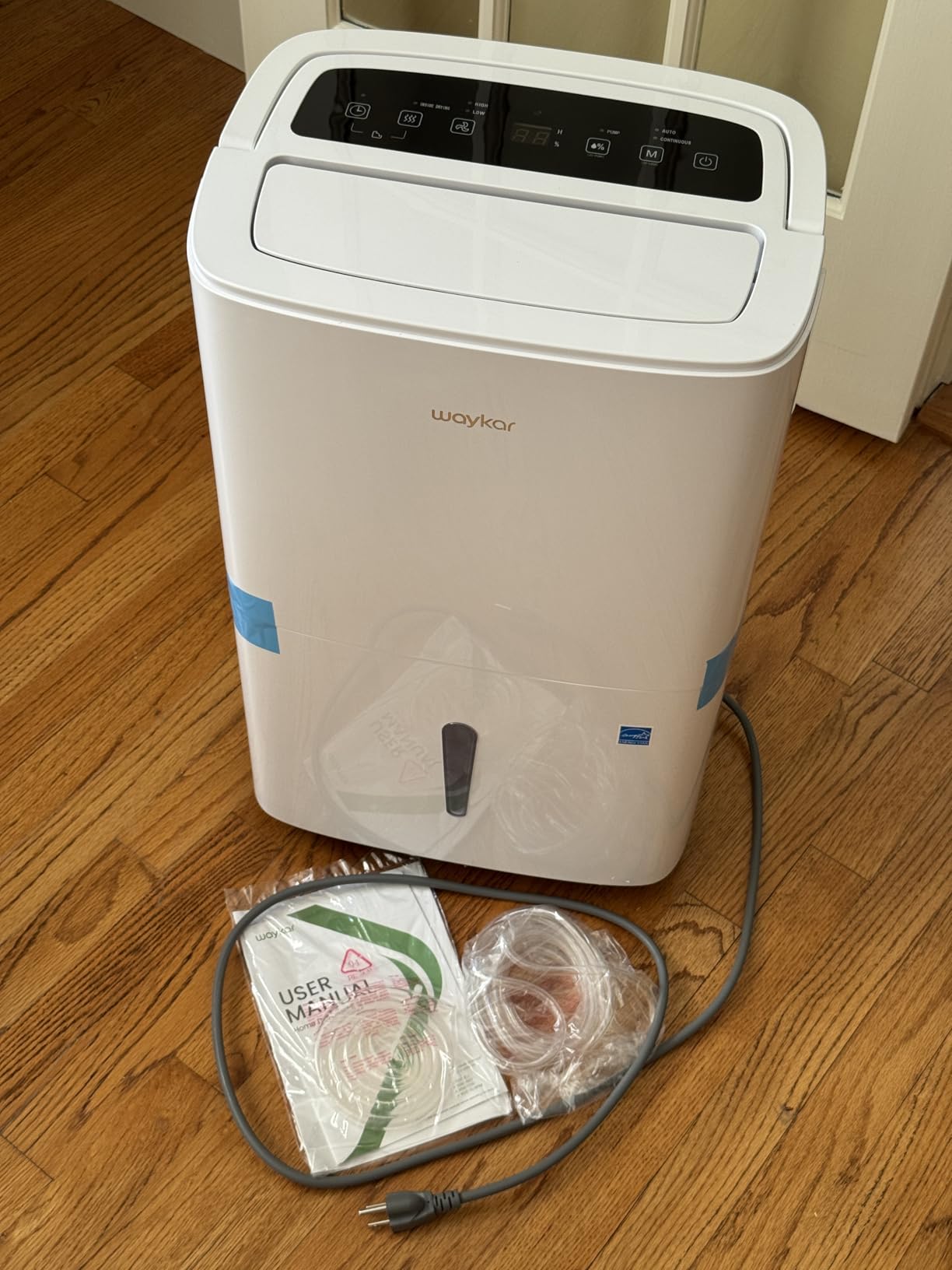
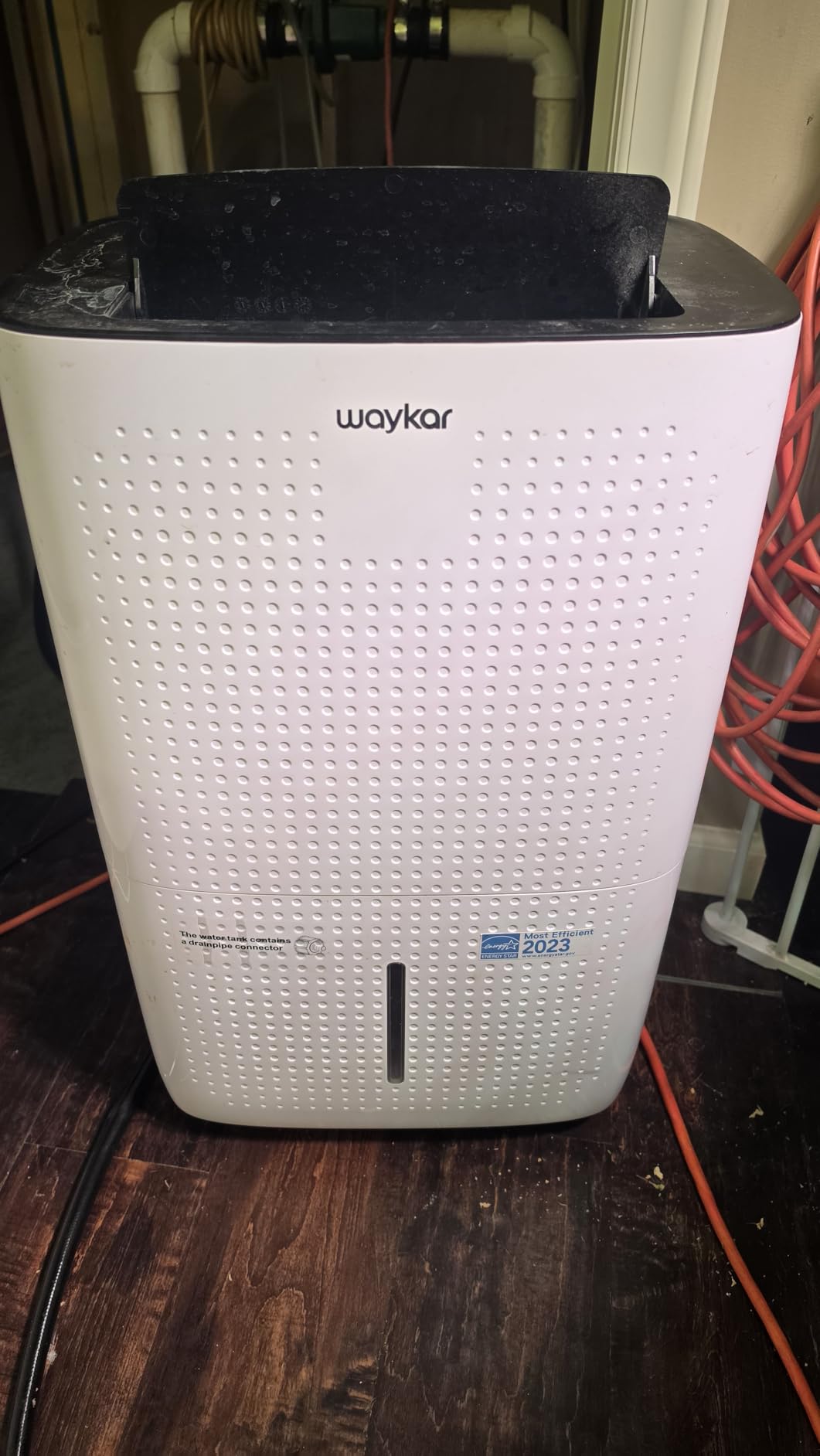
The drainage design is the part that matters most at this scale. The built-in pump lifts water up to 9.84 feet or drains to a floor drain, so the unit does not have to sit beside a drain at all. A 1.85 gallon visible tank with a built-in handle handles overflow situations, and the self-drying cycle runs the compressor after shutdown to clear residual moisture from the internals.
Construction uses 7mm threaded pure copper tubing with a rotary compressor, and controls cover 30% to 80% RH, a 24-hour timer, memory restart and an automatic swing louver. It is ENERGY STAR certified with self-drying and auto defrost, and the coverage terms are a 30-day money-back period with a one-year guarantee extendable to two.
Where commercial capacity earns its keep
Large open volumes need airflow as much as they need extraction rate. A 5,000 square foot basement with 7-foot ceilings is around 35,000 cubic feet, and a machine that clears that volume and pulls the moisture out before the next damp morning is a different experience from one that is always slightly behind.
For anyone running this in a space that is not a living area, the 520-watt draw is far less of a concern. In a finished basement you sit in for hours, that draw becomes the first objection, and the 300-watt and 355-watt machines here are better fits.
Where it falls short
The 520-watt draw is the highest in this roundup, and over a 12-hour daily run through a damp season it is the single largest contributor to operating cost among these machines. Owners also report that the pump function must be reset after an unplug, which matters if you lose power overnight.
At 4.4 stars the rating is solid but not exceptional, and this is a commercial-grade machine being asked to serve a home basement. Buy it when you genuinely need the capacity, not as a default.
10. yaufey AYD1.5D 70 Pint Metal Commercial Dehumidifier
Yaufey 70 Pints Energy Star Commercial Dehumidifier with Drain Hose for 5000 Sq. Ft. Crawl Space, Basement, Industrial, 10-90% RH Humidity Control, 24/7 Continuous Drainage,TUV Certified,5-Yr Coverage
70 pints/day
all-metal housing
R32 refrigerant
10-90% RH
5-yr compressor coverage
Pros
- Widest humidity control range at 10-90% RH
- All-metal corrosion-resistant housing
- R32 refrigerant with ENERGY STAR certification
- 5-year compressor coverage
- Low 265W draw for a commercial machine
Cons
- Lowest derated capacity here at 35 PPD
- Gravity drainage only with no pump
- 13% one-star share is the second highest
- 41.3 lb is among the heaviest
Most machines in this roundup are plastic. This one is an all-metal, corrosion-resistant housing rated to 100°F, and for a crawl space, an unheated basement or a garage where the machine gets knocked and damp, that build is the reason to look here.
With 211 reviews averaging 4.2 stars and a 13% one-star share, the critical reviews concentrate on two things: capacity being slower than expected and the drainage setup.
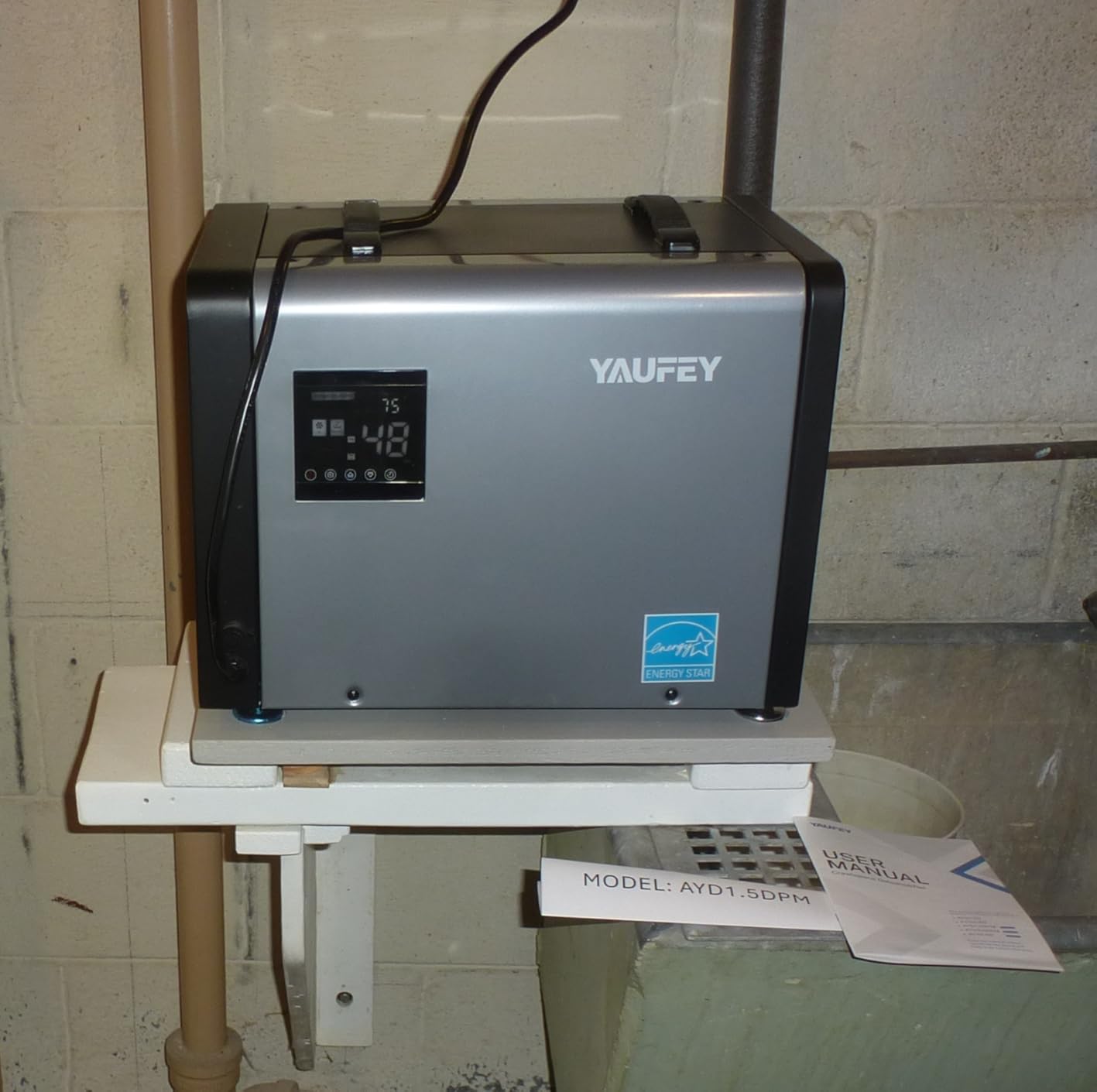
The standout specification is the humidity range. At 10% to 90% RH it is far wider than the 30% to 80% typical of consumer machines, which makes this useful for storage where you want to hold conditions well below what a basement dehumidifier normally targets. It uses R32 refrigerant, is ENERGY STAR certified, and includes auto defrost for low-temperature operation.
At 70 pints per day at 95°F/90% RH across 5,000 square feet, with 159 CFM airflow and a 265-watt draw, it removes less water per hour than the 100- to 150-pint machines in this roundup. That is fine for a crawl space or a 1,500 square foot basement, and too slow for 3,000 square feet and up. It can be freestanding, countertop or joist-mounted.
Where the metal build and wide range pay off
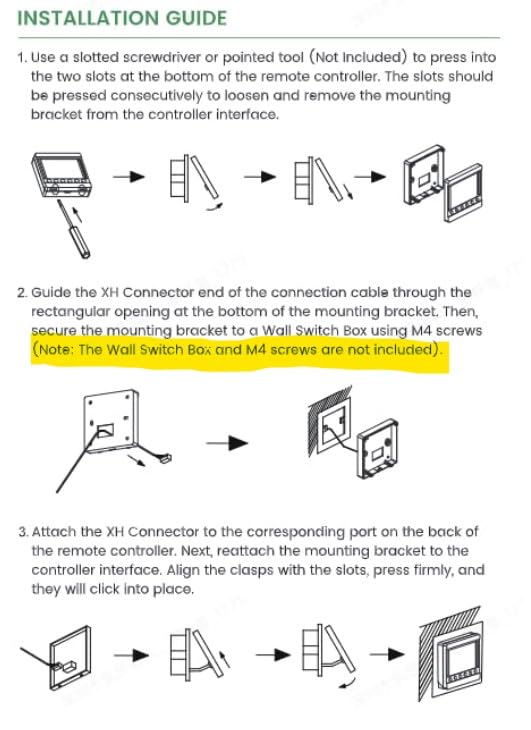
Storage is the strongest case. A workshop, a wine or collection room, or a finished basement you keep at a stable setpoint all benefit from a humidity floor far below 30% RH, which this machine reaches and most of the others here cannot. The digital display and 24-hour timer need no app, which some owners prefer.
Warranty terms are also stronger than most. It is TUV certified with two years general coverage and five years on the compressor, which matches the longest compressor term among the products in this group.
Where it falls short
Capacity is the honest limitation at 70 pints per day. In a genuinely wet basement that is a fraction of the throughput of the 100- to 140-pint machines here, and the second-highest one-star share in the roundup suggests some owners discovered that the hard way.
Drainage is gravity only, so the unit has to sit above the drain outlet or be elevated. At 41.3 pounds it is among the heaviest, and it must be positioned before you bring it into a tight crawl space.
11. ALORAIR Sentinel HD55S 120 Pint Crawl Space Dehumidifier
ALORAIR 120 Pints Energy Star Crawlspace Dehumidifier, Sentinel HD55S
55 PPD at AHAM standard
ENERGY STAR and ETL listed
6-year warranty
MERV-1 filter
Pros
- Six-year limited warranty is among the longest here
- Rugged metal housing rated for crawl spaces and basements
- Continuous gravity drainage removes tank emptying
- Owners report steady humidity after about two weeks of continuous running
- Auto defrost verified in cold crawl space mornings
Cons
- Rated area of 1300 sq ft is the smallest here
- Gravity drain only so it must be elevated
- Heavy at 41.7 lb and awkward in a tight crawl space
- Audible when a room is quiet above it
The Sentinel HD55S is the pick for anyone who plans to run a basement machine for a decade rather than a few seasons. Its six-year limited warranty is the longest in this roundup alongside its sibling ALORAIR model, and the steel and metal housing is described by owners as noticeably more rugged than the plastic consumer machines they replaced.
Across 1,399 reviews averaging 4.2 stars, crawl space owners consistently report dramatic moisture removal, musty smells disappearing and auto defrost working in cold mornings. The recurring drawbacks are weight, gravity-only drainage and audible operation.
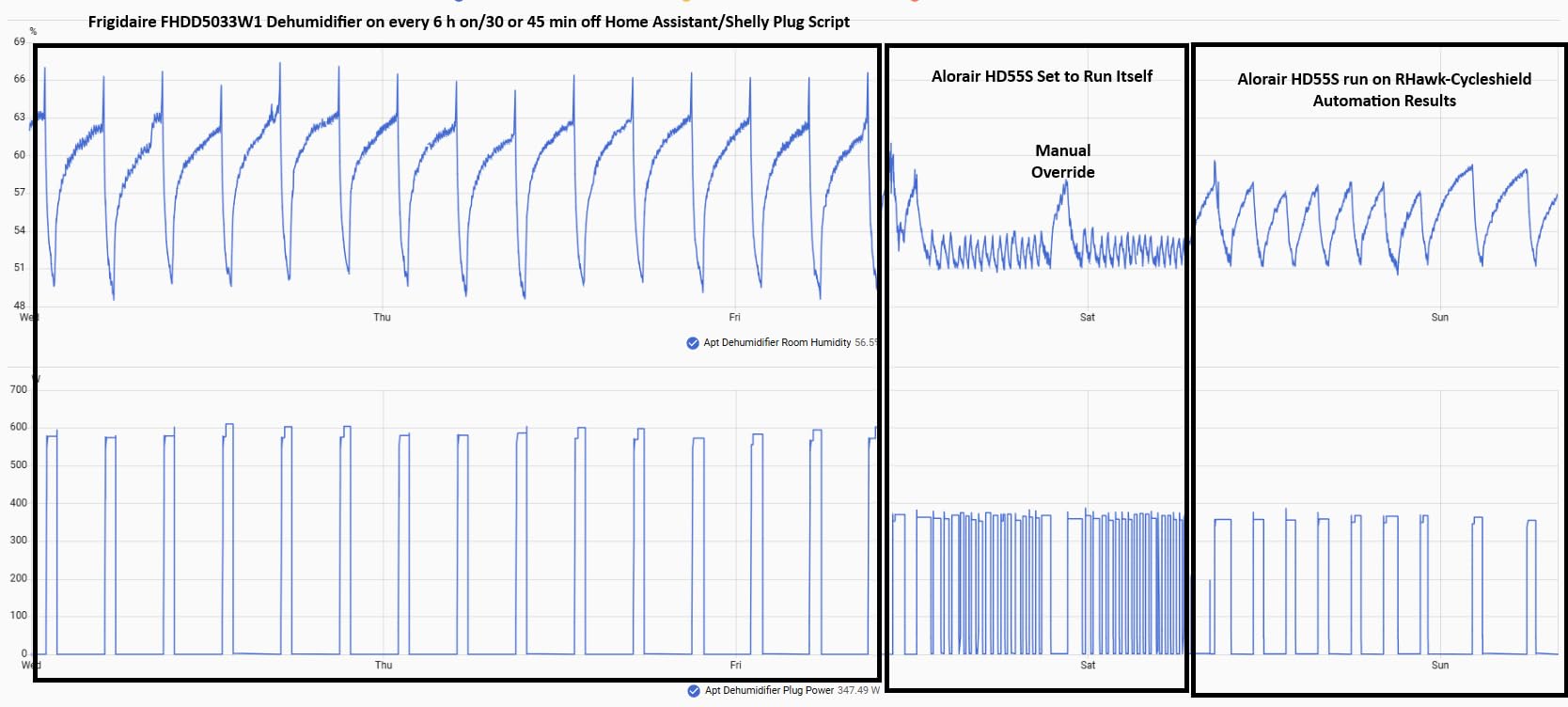
Read the rating carefully before you compare it to the other listings here. The 120 pints per day figure is measured at saturation, while the AHAM standard rating is 55 pints per day, and the area coverage of 1,300 square feet is the smallest in the roundup. That is the same distinction that makes other saturation claims look inflated, and it is why this machine is not the right fit for a 3,000 square foot basement.
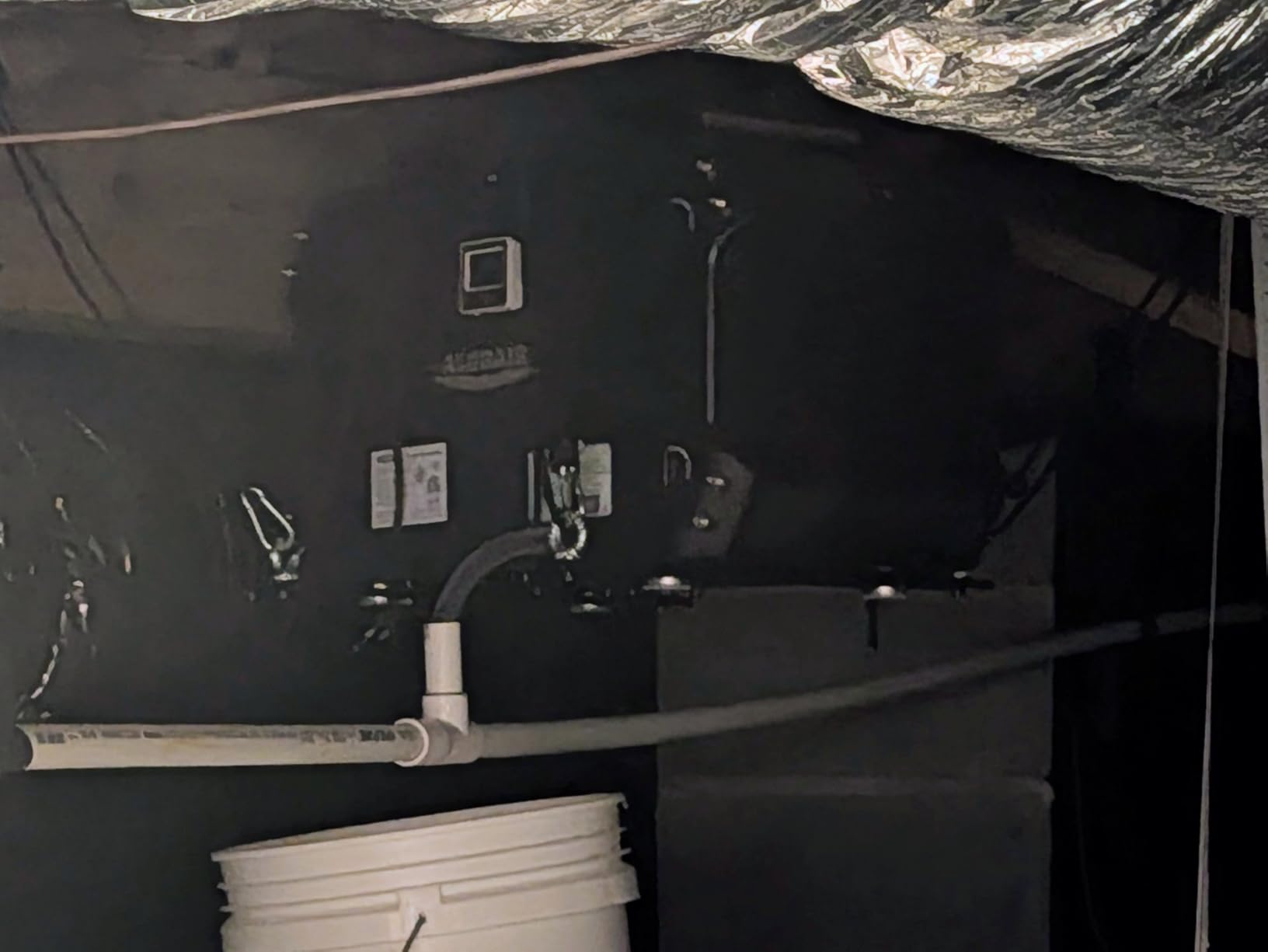
What it does offer is a continuous drain outlet with no tank to empty, a MERV-1 filter protecting the internals from dust, temperature-sensing auto defrost that pauses the compressor while the fan clears ice, ENERGY STAR certification and ETL listing, and optional remote monitoring through a separately purchased accessory. It is rated to 104°F and draws 150 volts for the compressor circuit.
Where the long warranty changes the decision
Warranty length is the least glamorous spec and the most useful one for a machine expected to run continuously for years. Six years covers the compressor, which is the failure point that decides whether a dehumidifier is worth owning long term, and that coverage is well beyond the one-year to two-year norm most machines in this category carry.
The practical fit is a finished crawl space, a garage, a workshop or a smaller finished basement where the machine can be elevated slightly and piped to a drain. In that role, owners report stable humidity within about two weeks of continuous running.
Where it falls short
The 1,300 square foot rating is the hard limit, and despite the 120-pint headline figure this is not a large-basement machine by coverage. Gravity-only drainage means it must sit above the drain outlet, and at 41.7 pounds it is awkward to carry into a tight crawl space.
It is also noticeably audible when the space above is quiet. If your basement is a bedroom, that rules it out regardless of the warranty. There are isolated reports of a humidity sensor failure and one unit that arrived defective.
12. ALORAIR Sentinel HD35P 70 Pint Dehumidifier with Pump
ALORAIR 70 PPD Dehumidifier with Pump for Crawl Space and Basement
35 PPD at AHAM standard
19.6 ft pump lift
19.6 ft hose
alloy steel
6-year warranty
Pros
- Strongest pump lift here at 19.6 ft
- 19.6 ft drain hose included as the longest bundled hose
- Alloy steel housing for damp crawl spaces
- Quiet under 50 dB
- 6-year limited warranty with auto restart
Cons
- Lowest rating here at 4.0 stars
- Highest one-star share at 16%
- Smallest rated area at 1000 sq ft and 35 PPD at AHAM
- 70-pint figure is a saturation number
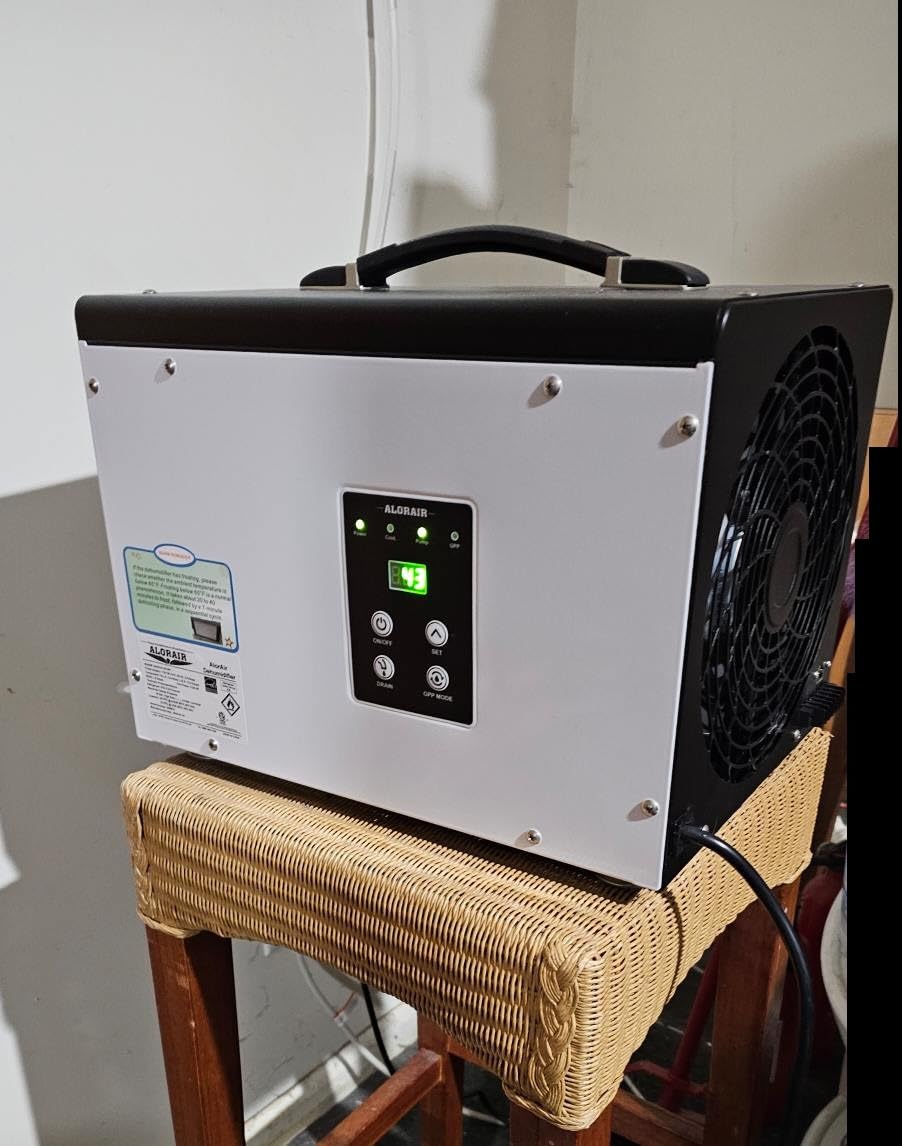
Nothing else in this roundup lifts water as far. The built-in condensate pump pushes water up 19.6 feet vertically, and a 19.6-foot drain hose is included, which covers a drain at the top of a finished basement wall, a sump in a low corner, or a run across joists without buying extra hose.
I am placing it twelfth deliberately. Its 4.0-star average is the lowest of the twelve, with a 16% one-star share, and the critical reviews converge on one point: real-world capacity falling well short of the 70 pint headline.
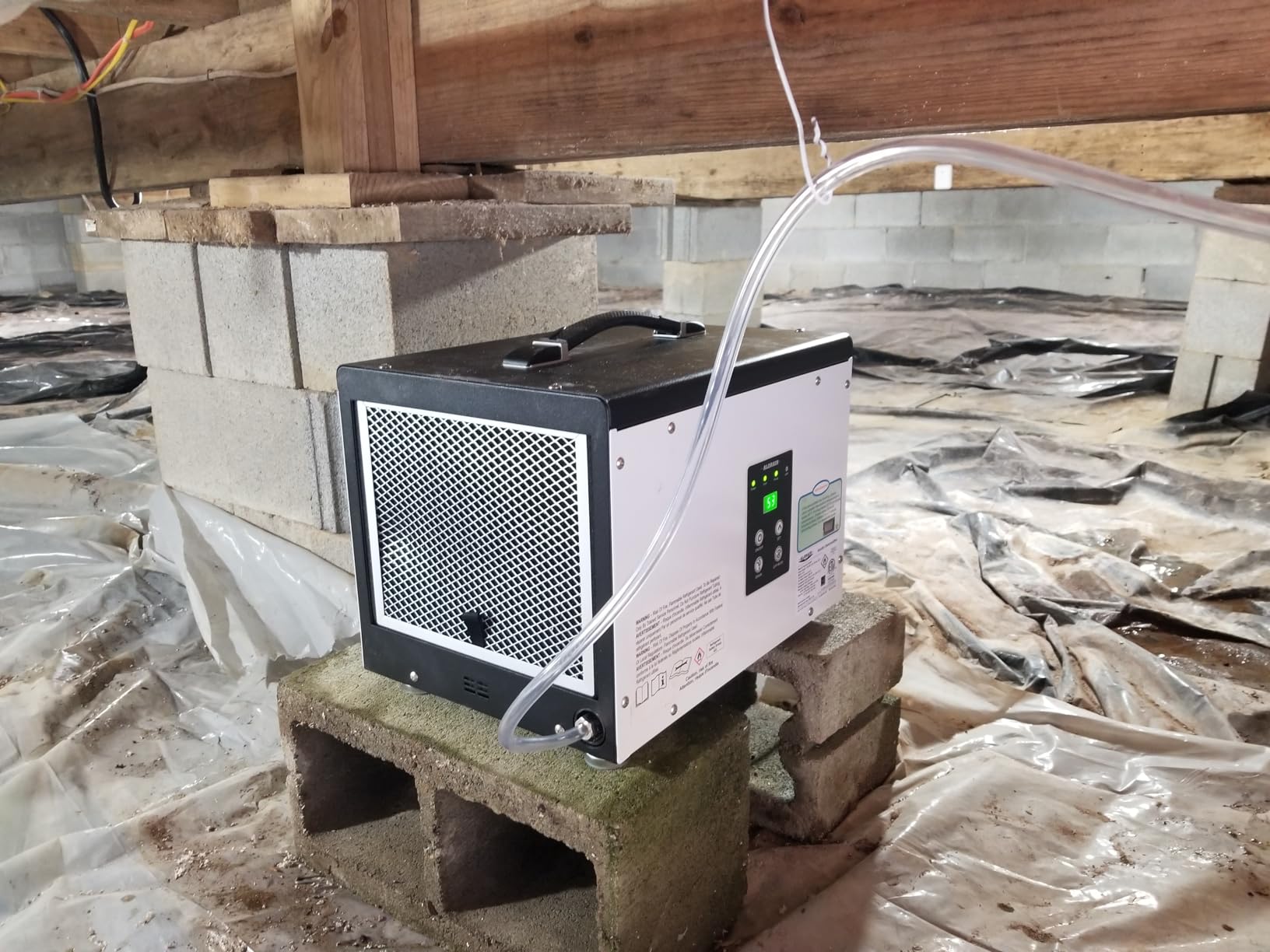
That headline is a saturation number. At AHAM standard the same machine is rated at 35 pints per day, and the listed area coverage is 1,000 square feet, the smallest here. If your basement is 1,500 square feet and damp, this machine is undersized by roughly a factor of two even before you account for the water source.
What it does well is build and placement tolerance. The alloy steel housing suits a damp crawl space, automatic defrost handles low-temperature operation, auto restart with memory start supports unattended running, and a MERV-1 filter traps dust and airborne particles. It runs under 50 dB and is ETL listed with a six-year limited warranty.
Where the 19.6 ft pump is the right answer
There is one situation where this machine beats everything else in the roundup: a basement where the only drainage point is high up or far away, and where the air volume is small enough that 35 pints per day is genuinely enough. A finished storage room, a sealed crawl space with a wall drain, or a low-ceiling area are all good fits.
Comparing the pump options here is instructive. The avylo machine lifts 15 feet, this one 19.6 feet, and the Waykar 9.84 feet.
Where it falls short
The capacity gap is decisive for a large basement. Thirty-five pints per day at AHAM conditions in a 2,000 square foot space means the machine spends most of its life running rather than holding a setpoint, which means more runtime, more electricity and more compressor wear.
The 16% one-star share is the highest here, and dissatisfied owners point directly at the mismatch between the 70-pint marketing and the delivered performance. If you need a pump and a large space, choose the avylo or the Waykar instead.
How to Size a Dehumidifier for Your Basement
Size on temperature-derated pints per day, not on square footage claims. Most listings headline a saturation figure measured at 95°F and 90% to 95% relative humidity, which is closer to a hot humid garage in summer than to a basement in spring. The number to shop by is the rate at 86°F and 80% RH, and where a brand publishes a 65°F figure, treat that as the real capacity.
As a working rule, a 50-pint machine handles a basement up to about 2,000 square feet, a 100-pint machine handles roughly 2,500 to 4,000 square feet, and anything above 4,000 square feet or with a water intrusion problem needs a 120-pint machine or two smaller ones placed apart. Adjust down for low ceilings, for a basement finished with drywall that traps moisture in framing, and for any space where you plan to run laundry.
One diagnostic comes before any of this. Basement damp has three common sources, and only one of them is a dehumidification problem. Condensation on cold surfaces and humid air from the house respond well to a machine. Groundwater infiltration through the foundation wall, a wet footing or a failed exterior drain does not, and no dehumidifier fixes it, which is the recurring theme in basement homeowner discussions about basements that stay musty after leaks and standing water have been ruled out. Check grading, gutters and foundation cracks before buying hardware.
For basements above 3,000 square feet, two machines placed in separate corners usually outperform one machine of the same combined capacity. Air circulates through a large open floor slowly, and two smaller units in opposite corners pull from more of the volume than one unit doubling back on itself. If the basement is divided into rooms with a return air vent from the HVAC system, a fan-assisted layout works well, and if there is no return vent, place the machine centrally and use fans to move dry air between spaces.
While you are choosing finishes for the space, our basement vinyl plank flooring guide covers the moisture-rated options that pair well with a dry basement.
Drainage: Gravity Line, Built-In Pump or External Pump
Drainage is where most large-basement installations go wrong, and it is worth more thought than the machine itself. A gravity drain only works if the outlet sits above the drain point and the hose runs without a hump. Every unit in this roundup offers a continuous drain port, but three of them add a pump, and that changes the installation entirely.
Gravity drainage is the most reliable method, because there is no moving part to fail. The AEOCKY, both yaufey machines, the DECIUU, the Vellgoo, the KNKA, the boglvr and the Gasbye all support a hose or garden hose run, and the ALORAIR machines are built around a continuous outlet. Elevate the unit on a platform or blocks so the outlet clears the drain, and the machine runs unattended indefinitely.
Built-in pumps solve the case the gravity drain cannot. The avylo lifts 15 feet, the Waykar 9.84 feet and the ALORAIR Sentinel HD35P 19.6 feet. The catch is that pumps are the most failure-prone component in this category, and basement forum threads describe internal pumps on other brands breaking within months of daily use after a full season of running.
An external condensate pump is the third option and the one long-term in-home reporting tends to favour, because the pump lives outside the machine where it can be replaced for a fraction of the cost. If you want the convenience of an internal pump without the single-point failure, run a gravity line to a small external pump in a lidded basin near your sump. Wherever that pump sits, it belongs on a GFCI-protected circuit, alongside any other water-handling equipment you run in the space.
Whatever you choose, secure the hose with clips along the wall or joist, check it monthly for kinks and standing water, and leave enough slack that a full hose has somewhere to go. If the basement also handles radon, our radon mitigation fan guide covers the related airflow and sub-slab questions.
Compressor vs Thermoelectric vs Desiccant Units
Every machine in this roundup is compressor-based, and for a large basement that is the only category worth considering. Compressor machines pull humid air across evaporator coils chilled below the air dew point, condense the moisture, then reheat and exhaust the dried air, and the result is a large extraction rate at a low energy cost per pint of water.
Thermoelectric, or Peltier, machines use a semiconductor to chill a coil instead of a refrigerant cycle. They extract far less water, they consume more power per pint removed, and their performance collapses in the cool conditions of a basement, which is exactly where you need it most. They belong in small closets and cabinets, not in a 2,000 square foot space. Desiccant machines use a rotating chemical wheel and can pull water from air below 40°F, but they are expensive, consume considerably more energy and are not designed for a space this size.
That is worth stating plainly because the cheap Peltier machines are frequently marketed for basements. If a listing is priced dramatically below the compressor machines here and quotes a small tank with no energy certification, that is the category, and it will not cope.
When to Run It and What Humidity to Target
Set the target between 50% and 60% relative humidity and let the humidistat hold it. Below 45% you waste compressor runtime, and below 40% you can dry out finished wood, hardwood floors and paper storage to the point of cracking. The dedicated basement modes on several machines here default to 40% to 45% RH, which suits a wet space in recovery and a finished living space at rest. Our basement carpet tile guide covers floor choices that tolerate seasonal swings.
On timing, the answer is not a single month. In most climates the load arrives after heavy rain and during the first genuinely cold morning of autumn, when warm indoor air meets basement surfaces well below its dew point and condensation forms on windows and walls. In humid regions that pattern runs from late spring through summer. Run the machine continuously once the season starts rather than switching it on and off, because short cycles waste heat and compressor life, and leave it on through winter in a heated finished basement where the warm air above pushes moisture down.
Where you run it matters. In an open-plan basement, place the machine centrally or in the dampest corner, and keep clear of the HVAC return vent so you are not pulling already-dried air back in. In a divided basement, use one machine per zone rather than one machine moved between rooms, and add a fan in a doorway to move air between them. If you install a separate hygrometer, mount it at finished wall height, a few feet from the machine, because the machine reads its own outlet air rather than the room.
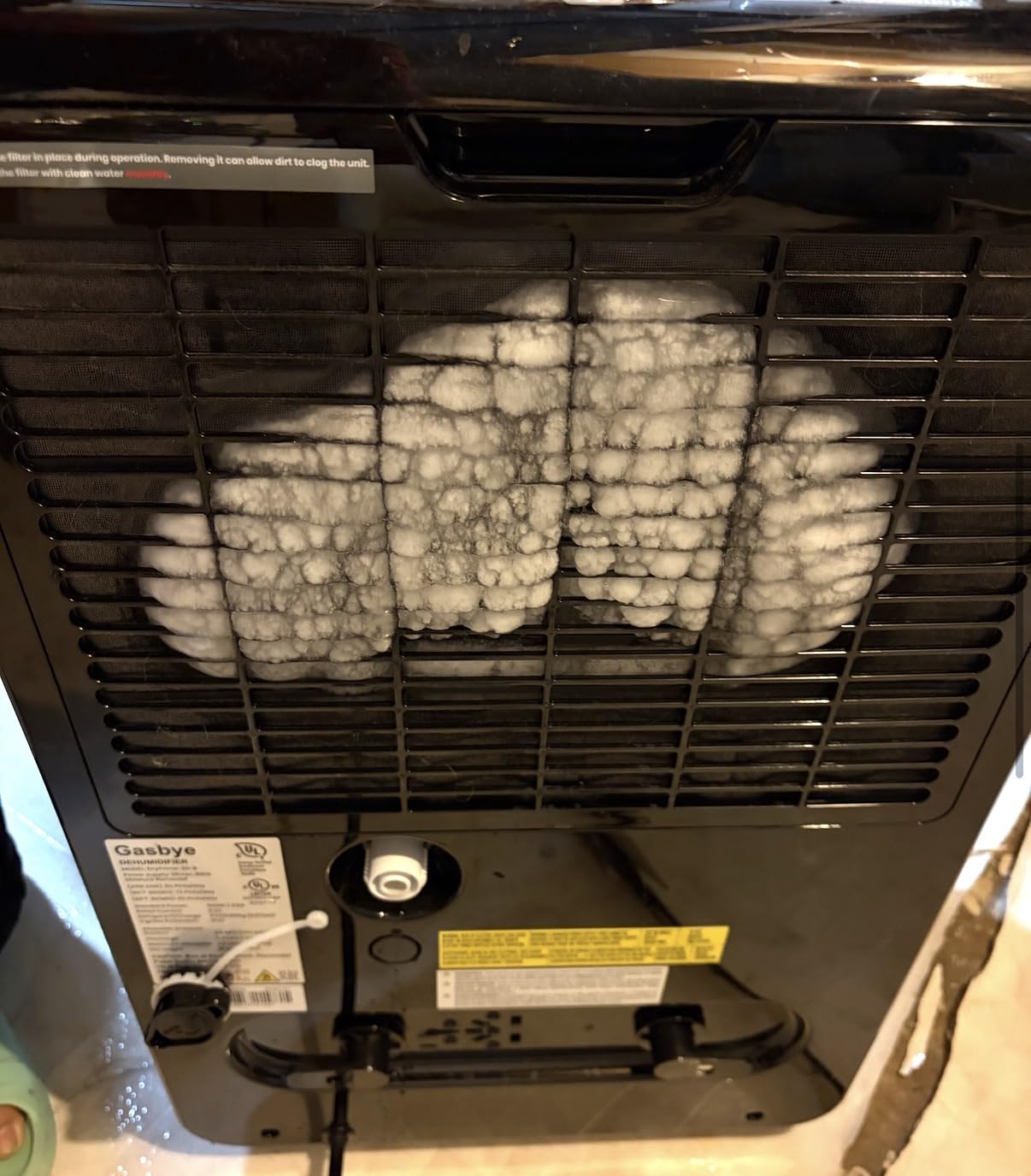
For maintenance, rinse the washable filter every month during heavy season, keep the coils clear of dust, and confirm the drain line has not backed up before a forecast rain. Run the self-drying cycle before storage, drain the tank fully, and leave the machine upright and unplugged in a dry space. Several units here restart automatically after a power cut, but confirming the setpoint survived a storm is a ten-second job worth doing.
Frequently Asked Questions
What size dehumidifier should I get for a large basement?
Size by temperature-derated capacity, not square footage claims. A 50-pint compressor model handles roughly 1,500 to 2,000 square feet, a 100-pint model handles about 2,500 to 4,000 square feet, and 120 pints or two machines cover anything larger. Basements above 3,000 square feet often do better with two smaller machines placed in opposite corners, since air circulates slowly through a large open floor.
What size dehumidifier do I need for a 2000 sq ft basement?
For a 2,000 square foot basement with standard ceiling height and ordinary dampness, a 50-pint compressor dehumidifier is the practical starting point, and a 70- to 90-pint model gives you headroom during heavy rain. Check the rate published at 86F and 80% RH rather than the saturation headline, and confirm how the water leaves the unit before you buy, because a 1 to 1.5 gallon tank will not cope with unattended running.
Which type of dehumidifier is best for large spaces?
Compressor-based units are the only type that makes sense for a large basement. Thermoelectric or Peltier machines extract far less water, use more power per pint and lose effectiveness in cool basement air. Desiccant machines handle very low temperatures but cost more to run and are not sized for a space this large. Every product in this roundup is a compressor machine, most ENERGY STAR certified.
Is 70% humidity too high for a basement?
Yes. Sustained relative humidity above 60% in a basement is the range that drives musty odors, mildew, efflorescence on masonry and damage to wood and paint. Aim for 50% to 60% RH as a steady target. Setting a machine below about 45% wastes compressor runtime and can dry finished wood and paper storage to the point of cracking, so use the lower settings for recovery after a leak rather than as a permanent setting.
What month should you run a dehumidifier in my basement?
There is no single month, and that answer surprises people. The load usually starts after heavy rain and on the first genuinely cold autumn morning, when warm indoor air meets basement surfaces below their dew point. In humid regions the pattern runs from late spring through summer. Once the season starts, run the machine continuously rather than switching it on and off, since short cycles waste heat and compressor life.
Do I need a pump dehumidifier for a basement?
Only if gravity drainage will not work. A continuous drain hose needs an outlet above the drain point and no humps along the run, and many basements have a drain at the bottom of a stairwell, across the room, or none at all. Machines with a built-in pump, such as the avylo with a 15 foot lift or the ALORAIR Sentinel HD35P with a 19.6 foot lift, solve that. A simpler option is a small external condensate pump, which is easier to replace when it fails.
The Best Dehumidifiers for Large Basements, Final Word
The Gasbye DryPrime-50-B takes the top spot because it is the only machine here that publishes a rate at 65°F and 60% RH, and 50 pints per day at that temperature is the number that decides whether a 2,000 square foot basement holds 55% RH through a wet spring. The AEOCKY RHEA-002 is the pick when you want a large area covered with the deepest owner history in the group and the strongest efficiency certification. The yaufey JD025Q-120 is the value pick, pairing one of the highest stated capacities here with a 355-watt draw.
Beyond those three, the avylo ADC018 solves drainage with its 15-foot pump lift and 2.11 gallon tank, the DECIUU DER32S01-50 delivers the best balance of throughput and running cost, and the two ALORAIR machines carry the six-year warranty that suits anyone running a basement machine for years rather than seasons.
Before you buy, check the moisture source rather than the machine. A dehumidifier handles condensation and humid air, but it will not fix foundation seepage, failed exterior drainage or poor grading, and buying a bigger compressor for a water problem is the most common expensive mistake in this category. Tell us your square footage, whether you have a floor drain below the unit, and whether the basement is finished, and we can point you at the right capacity.